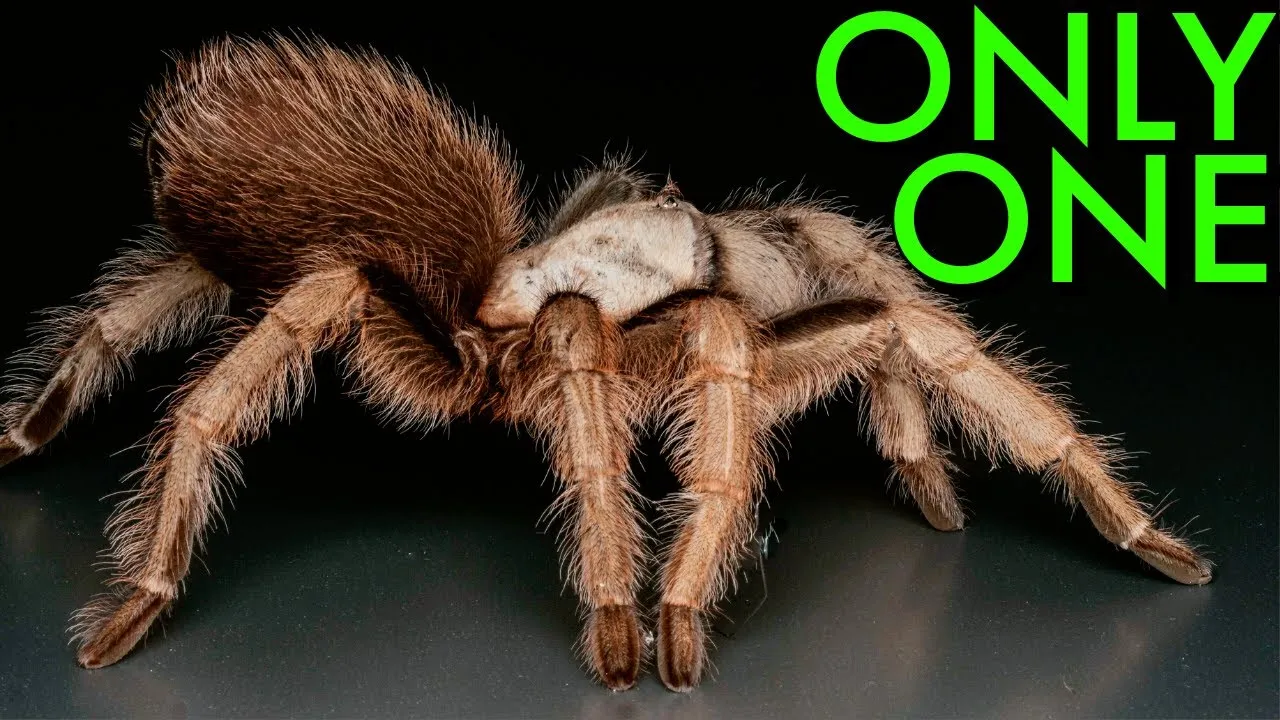
Zebra Tarantula Care Tips for Beginners
The Zebra Tarantula (Aphonopelma seemanni) is a captivating and relatively low-maintenance pet, making it a popular choice for beginner arachnid enthusiasts. These spiders are known for their striking black and white striped legs, resembling a zebra. However, like any pet, they require specific care to thrive. This guide provides the top 5 care tips to ensure your Zebra Tarantula lives a long, healthy, and fulfilling life. Proper care will not only make your spider happy but will also make the experience of owning this beautiful creature even more rewarding.
Understanding Zebra Tarantulas
Before diving into care specifics, understanding the Zebra Tarantula’s natural habitat and behavior is crucial. These tarantulas are native to the dry tropical regions of Costa Rica and other parts of Central America. In the wild, they are terrestrial spiders, meaning they live on the ground and create burrows. This knowledge informs the type of enclosure and environment you’ll need to provide. They are generally docile spiders but can be skittish, especially when young. Understanding their temperament helps in handling and observing them safely. Their lifespan can be quite impressive, with females living up to 20 years or more, so be prepared for a long-term commitment.
Zebra Tarantula Habitat Requirements

Creating the right habitat is essential for your Zebra Tarantula’s well-being. The enclosure should mimic their natural environment, providing a comfortable and safe space. An improperly set up enclosure can lead to stress, poor health, and even premature death. The size of the enclosure will depend on the size of your tarantula, but a good rule of thumb is to provide a space that is at least three times the spider’s leg span in width. A secure lid is a must to prevent escapes, and adequate ventilation is necessary to maintain air quality and prevent mold growth.
Choosing the Right Enclosure
For juvenile Zebra Tarantulas, a clear plastic container with a secure lid can suffice. As they grow, a larger enclosure made of glass or acrylic is recommended. The enclosure should be escape-proof, with a lid that latches securely. Ensure there are adequate ventilation holes, but small enough that the tarantula cannot escape. Avoid enclosures with sharp edges or anything that could potentially harm the spider. A front-opening enclosure is often preferred for easier access and maintenance.
Substrate Selection
The substrate serves as the flooring of your tarantula’s enclosure and is critical for providing a comfortable environment. The ideal substrate for Zebra Tarantulas is a mixture of peat moss, coconut fiber (coir), and a bit of vermiculite or sphagnum moss. This combination helps to retain moisture while providing good drainage. The substrate should be deep enough for the tarantula to burrow if it chooses. Approximately 4-6 inches of substrate is generally recommended. Regularly check the substrate for cleanliness and replace it as needed to prevent the buildup of waste and mold.
Temperature and Humidity Control

Zebra Tarantulas thrive in temperatures between 75-85°F (24-29°C). A heat mat placed on the side of the enclosure can provide supplemental heat, but avoid placing it directly under the enclosure, as this can be too hot and potentially harmful. Humidity levels should be maintained between 60-70%. This can be achieved by misting the enclosure lightly with dechlorinated water every few days, or as needed, based on humidity levels. Monitor the humidity with a hygrometer. Adequate ventilation is vital to prevent the buildup of excessive moisture, which can lead to mold growth and health problems.
Feeding Your Zebra Tarantula
Feeding your Zebra Tarantula the right food is crucial for its health and growth. They are opportunistic predators, so providing the right food is essential. This is generally a straightforward process but requires attention to detail. Overfeeding, underfeeding, and providing the wrong kind of food can lead to health issues, so proper feeding is fundamental to Zebra Tarantula care.
Appropriate Food Choices
The primary diet for Zebra Tarantulas consists of insects. Crickets, mealworms, and Dubia roaches are excellent choices. Ensure the insects are gut-loaded before feeding them to your tarantula. Gut-loading involves feeding the insects nutritious food for at least 24 hours before offering them to your tarantula, which enhances the nutritional value of the prey. Avoid feeding wild-caught insects, as they may carry pesticides or parasites that could harm your tarantula. The size of the food should be appropriate for the size of your spider; a good rule of thumb is to offer prey no larger than the tarantula’s body size.
Feeding Frequency and Quantity

Feeding frequency depends on the tarantula’s age and size. Spiderlings and juveniles should be fed 2-3 times a week, while adult tarantulas can be fed once a week or even less often. Observe your tarantula’s behavior; if it consistently refuses food, it may be in premolt (preparing to molt). Remove uneaten prey after 24 hours to prevent stress and potential harm to the tarantula. Provide a variety of insects to ensure a balanced diet. The frequency of feeding is a key aspect of Zebra Tarantula care.
Watering Your Zebra Tarantula
Providing fresh, clean water is essential for your Zebra Tarantula’s hydration and overall health. They obtain moisture from their environment, so having a readily available water source is crucial. Proper hydration ensures they can molt successfully and maintain their bodily functions. Dehydration can be a major issue, so make sure your Zebra Tarantula always has access to water.
Maintaining Hydration
Zebra Tarantulas obtain moisture from both their food and the environment. Provide a shallow water dish with clean, fresh water at all times. The water should be dechlorinated to remove harmful chemicals. Mist the enclosure lightly with dechlorinated water every few days or as needed to maintain the required humidity level. Observe your tarantula; if it appears lethargic or its abdomen looks shrunken, it may be dehydrated. This is often a sign that you need to increase the humidity or provide more access to water.
Water Bowl Options

Use a shallow water dish to prevent drowning. A small, non-tipping water dish is ideal. Make sure the dish is easily accessible and located in a safe area of the enclosure, away from heat sources or potential hazards. Change the water regularly, at least once or twice a week, to keep it fresh and clean. Avoid using tap water that contains chlorine or other chemicals, which can be harmful to your tarantula. The water dish is essential to Zebra Tarantula care.
Handling and Safety
While Zebra Tarantulas are generally docile, handling them should be approached with caution. They are not prone to biting but can bite if they feel threatened, and their venom, while not lethal to humans, can be painful. Handling should be minimized unless necessary, such as for enclosure maintenance. Understanding their behavior and knowing the proper safety practices are key for a safe experience for both you and your spider.
Safe Handling Practices
If you must handle your Zebra Tarantula, do so with extreme care. Wash your hands thoroughly before handling, as your scent could potentially stress the spider. Avoid sudden movements and always keep the spider close to the ground to prevent falls. It’s best to gently coax the spider onto your hand rather than grabbing it. Be mindful of the spider’s movements and body language; if it appears agitated or defensive, gently place it back into its enclosure. Never handle the spider when it is in premolt.
Recognizing Stress Signals

Learn to recognize the signs of stress in your Zebra Tarantula. Common signs include the spider raising its front legs, flicking hairs (urticating hairs), or adopting a defensive posture. These behaviors are indications that the spider feels threatened and should be left alone. A stressed tarantula is more likely to bite. If your tarantula is constantly hiding, refusing food, or exhibiting abnormal behavior, it may be stressed. Provide a secure and stable environment to minimize stress. A healthy Zebra Tarantula is a happy Zebra Tarantula.
Health and Hygiene
Maintaining a clean and healthy environment is essential for your Zebra Tarantula’s well-being. This involves regularly cleaning the enclosure, monitoring the spider for signs of illness, and providing a suitable habitat. Preventing health issues is much easier than treating them, so regular maintenance is important. The health of your tarantula is directly related to the cleanliness of its environment.
Identifying Potential Health Issues
Regularly observe your tarantula for signs of illness or injury. Common health issues include mites, fungal infections, and injuries from falls. Look for changes in behavior, such as lethargy or loss of appetite. Check for any unusual bumps, discoloration, or wounds. If you suspect a health problem, consult with a veterinarian experienced in exotic animals. The best approach is always prevention, including a clean habitat, proper diet, and good handling practices.
Maintaining a Clean Habitat

Clean the enclosure regularly to remove waste and prevent the buildup of harmful bacteria and mold. Spot-clean the enclosure weekly, removing any uneaten food, molts, or visible waste. Replace the substrate every few months or as needed, depending on the size of the enclosure and the amount of waste produced. Ensure the enclosure has adequate ventilation to prevent mold growth. A clean environment is crucial for your Zebra Tarantula’s health. A healthy spider is a happy spider.
In conclusion, caring for a Zebra Tarantula is a rewarding experience. By following these five key care tips – providing the correct habitat, feeding appropriately, maintaining hydration, handling with care, and prioritizing health and hygiene – you can ensure your Zebra Tarantula thrives. Enjoy the fascinating world of these amazing creatures, and with proper care, your Zebra Tarantula can bring you joy for many years to come.