Understanding the Brazilian White Knee Tarantula (Acanthoscurria geniculata)
The Brazilian White Knee Tarantula, scientifically known as Acanthoscurria geniculata, is a popular species in the pet trade, admired for its striking appearance and relatively docile temperament. Native to the rainforests of Brazil, this tarantula has gained significant popularity among arachnid enthusiasts. Understanding this species is the first step in appreciating its value and knowing what to expect when considering ownership. These tarantulas are terrestrial, meaning they live primarily on the ground, and they are known for their impressive size and distinctive white markings on their leg joints. Their care, from feeding to habitat setup, has a direct impact on their health and, consequently, their price, so knowing their needs will help you make a more informed decision.
Appearance and Characteristics of White Knee Tarantulas
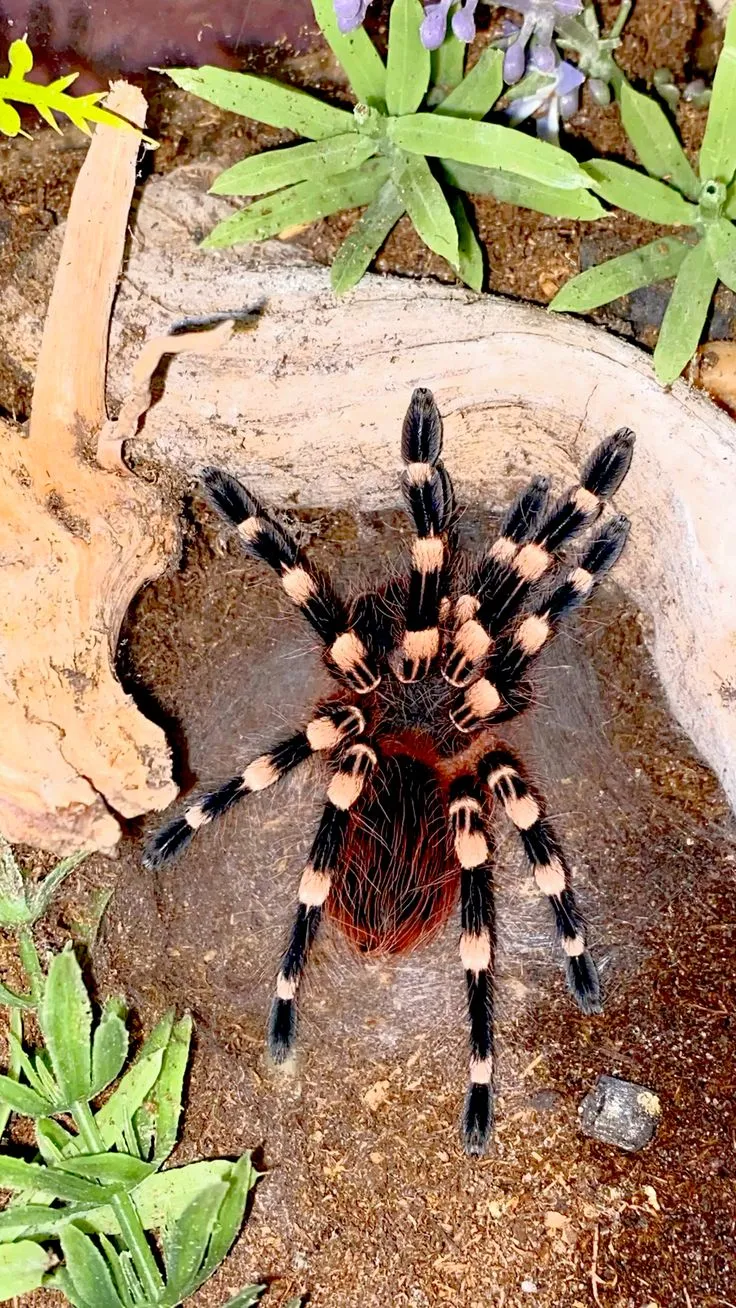
The aesthetic appeal of the White Knee Tarantula is one of its primary draws. They are characterized by their dark bodies and the stark white bands on their leg joints, which give them their common name. This contrasting coloration makes them visually striking and easily identifiable. Their size is also a notable characteristic, with females often reaching a leg span of up to 8 inches, making them one of the larger tarantula species commonly kept as pets. Their bodies are covered in urticating hairs, which they can flick off as a defense mechanism, causing irritation if they come into contact with skin. These physical attributes directly influence their market value, as larger, more vibrant specimens are often priced higher than smaller, less colorful ones. Also, a healthy, well-fed tarantula will appear more robust and vibrant than one that is not, impacting its price and desirability.
Size and Lifespan Considerations

Size and lifespan are crucial factors that affect the price of a White Knee Tarantula. As mentioned before, these tarantulas can grow to significant sizes, with females generally being larger than males. Their size is an indicator of age and overall health. A larger tarantula typically represents a more mature specimen. The lifespan of a White Knee Tarantula is also an important consideration, with females living significantly longer than males. Females can live for up to 15 years or more, whereas males usually live for only 3-5 years after reaching maturity. This longevity makes female tarantulas more valuable. The bigger and older the tarantula (especially a female), the higher the price, as the owner will have a longer time to enjoy the pet.
Factors Influencing White Knee Tarantula Price
Several factors contribute to the price of a White Knee Tarantula, including its age, size, coloration, origin, and overall health. These factors collectively determine the market value. The interplay between these elements influences how much you can expect to pay for this fascinating arachnid. Furthermore, the reputation of the breeder and the tarantula’s temperament will play a key role in its pricing.
Age of the Tarantula
As previously highlighted, the age of the tarantula is a key determinant of price. Younger tarantulas, or spiderlings, are typically less expensive, while older, more mature specimens, especially females, command a higher price. The older the tarantula, the more developed it is, which also adds to its value. This difference in price reflects the extended lifespan and reproductive potential of the older tarantula.
Size of the Tarantula

Size correlates directly with price; larger tarantulas are generally more expensive. Size indicates maturity and the amount of time and resources invested in the tarantula’s care. Also, a larger tarantula is simply more impressive and desirable to many hobbyists. However, the size of the tarantula will also determine the size of its enclosure and the amount of food it consumes, both of which affect the overall cost of ownership.
Coloration and Appearance
The vibrancy and clarity of the white markings on the tarantula’s legs are also price determinants. More striking and well-defined markings contribute to a higher price, as they enhance the tarantula’s visual appeal. A healthy tarantula with strong coloration indicates that it is well-cared for, another reason that it might command a higher price. Breeders often select tarantulas with exceptional coloration for breeding, which can further increase their value.
Origin and Breeder Reputation
The origin of the tarantula and the breeder’s reputation play significant roles in its price. Tarantulas from reputable breeders known for their healthy specimens and ethical practices often cost more. These breeders invest in the well-being of their tarantulas, which results in healthier, more robust specimens. The reputation of the breeder provides assurance to the buyer regarding the quality of the tarantula, its genetics, and its overall health.
Overall Health and Temperament

A tarantula’s health is paramount to its price. A healthy tarantula with good activity levels and no signs of illness will be priced higher. Breeders often ensure tarantulas are free from parasites and diseases, which increases their value. The temperament of the tarantula is also considered. While the White Knee is generally considered a docile species, individual tarantulas can vary. Tarantulas that are more handleable or less defensive may be more expensive because they are more desirable to hobbyists.
Where to Buy a Brazilian White Knee Tarantula
White Knee Tarantulas can be purchased from various sources, each with its own set of pros and cons. Knowing where to look will help you in finding a healthy tarantula at a fair price. The most common sources include online retailers, reptile shows, and private breeders. Consider the reputation of the source, the health of the tarantula, and the price when making your decision. Consider how the tarantula is shipped. A good source will guarantee that the tarantula arrives alive and healthy. Also, make sure that the tarantula is of the correct species, as there have been many reports of sellers passing off other similar species as White Knee Tarantulas.
Online Tarantula Retailers
Online retailers offer a wide selection of White Knee Tarantulas and often provide detailed information and pictures. The convenience of online shopping is a major draw, but it’s crucial to select reputable retailers. Ensure they have good reviews and guarantee the health of their tarantulas. Check their shipping policies, as the tarantula needs to be shipped securely to minimize stress. Be sure to examine the images of the tarantula that you are purchasing and ask for additional images if necessary. This option is the most popular as it’s convenient for anyone to find a seller.
Local Reptile Shows and Expos

Reptile shows and expos provide an opportunity to see the tarantulas in person and interact with breeders. You can assess the health of the tarantulas and ask questions directly. You may also find better prices and a wider selection at these events. However, it is essential to research the vendors before attending, as quality and prices can vary greatly. Furthermore, it is important to be aware of the potential for impulse buys and to make sure that you are prepared to buy a tarantula when you attend.
Private Breeders
Private breeders may offer White Knee Tarantulas at competitive prices. They often have a deeper understanding of the species and can provide valuable insights into their care. Finding a reputable private breeder often involves networking within the tarantula community. Private breeders tend to be more passionate about their tarantulas and usually offer more personalized advice. If you find a local private breeder, you have the advantage of visiting their setup to assess the tarantulas’ living conditions and health before purchasing.
Average White Knee Tarantula Price Range
The price of a White Knee Tarantula can vary significantly based on the factors discussed previously. The price can fluctuate depending on supply and demand. Generally, a spiderling (juvenile tarantula) might cost between $30 to $75. A sub-adult or adult tarantula could range from $75 to $150 or more, especially for a female. These are general guidelines, and prices can vary. Always compare prices from different sources and consider the health and appearance of the tarantula. Additionally, consider that some rare color morphs or specimens with exceptional traits may command higher prices. Always remember that the price of the tarantula is not the only cost to consider. You also need to factor in the cost of the enclosure and the ongoing expenses of keeping the tarantula healthy.
Cost of Supplies and Setup

Beyond the initial purchase price of the tarantula, you must factor in the cost of supplies and setup. These expenses are essential for providing the right environment for the tarantula and ensuring its well-being. The initial setup costs include items like the enclosure, substrate, décor, and necessary equipment. This will be an ongoing cost that you will need to consider when budgeting for your tarantula.
Enclosure Costs
The enclosure is a significant upfront cost. The size and material of the enclosure will depend on the size of the tarantula. A smaller enclosure will be appropriate for a spiderling, while an adult tarantula will need a larger one. Acrylic or glass enclosures are the most common choices. Acrylic is lightweight and can be less expensive, but it can scratch more easily. Glass enclosures are more durable but can be more costly. Good ventilation is crucial, and the enclosure should have a secure lid to prevent escape. The cost can range from $20 to $100 or more, depending on the size and material.
Substrate and Decor Costs
Substrate provides a comfortable environment for the tarantula. You can use materials like coconut fiber, peat moss, or a combination of both. The substrate should be deep enough for the tarantula to burrow, if it chooses to. The cost for substrate is relatively low, typically around $10 to $20 per bag, depending on the quantity and material. Décor includes items like hides, branches, and artificial plants, which provide enrichment and security for the tarantula. Décor costs can vary widely depending on the items chosen, but you can expect to spend around $10 to $30.
Feeding and Maintenance Costs

Feeding your White Knee Tarantula involves purchasing live insects, such as crickets, roaches, or mealworms. The cost of these insects can vary. The amount of food will depend on the size of the tarantula and its feeding schedule. Juvenile tarantulas should be fed more frequently than adults. You can expect to spend around $10 to $30 per month on food, depending on the size and frequency of feedings. Other maintenance costs include the cost of water and the occasional replacement of substrate or décor. Overall, the ongoing costs for food and maintenance are relatively moderate, but they must be factored into the total cost of ownership.
Tips for Saving Money on Your White Knee Tarantula
There are ways to reduce the cost of purchasing and maintaining a White Knee Tarantula. Purchasing a smaller tarantula or a spiderling will be less expensive. You can save on supplies by comparing prices and buying in bulk. Consider sourcing items from local pet stores or online retailers. Another tip is to build your own enclosure or create your own décor. Before purchasing any tarantula, consider if you’re ready for the responsibility of owning it and its long-term care. In addition to that, consider the various costs associated with the purchase of a tarantula. By considering these factors, you will be better able to find a tarantula that fits within your budget.
Comparing White Knee Tarantula Prices
When comparing prices, always consider the source, the tarantula’s size, its health, and its overall appearance. Price should not be the only factor. Comparing prices from different breeders or retailers is crucial to ensure you get a good deal. You should not sacrifice the health or well-being of the tarantula for the price. Some breeders include a health guarantee, which can provide added peace of mind. Also, consider the shipping costs and the reputation of the seller. When comparing, you can decide if it is worth paying a bit more to purchase a tarantula from a reputable breeder that has a good reputation. Be sure to factor in the various factors, such as shipping cost and the cost of supplies.
What to Look for When Purchasing
When purchasing a White Knee Tarantula, several key factors should guide your decision. The most important thing is to assess the tarantula’s health. Look for an active tarantula with a good appetite. Check for any signs of illness, such as lethargy, loss of appetite, or unusual behavior. Examine the tarantula for any physical deformities or injuries. The tarantula should have a full abdomen, which indicates that it is well-fed. You can also ask the seller about the tarantula’s molting history. Make sure that the seller is able to provide you with the proper documentation, such as the tarantula’s origin, and whether it has been captive-bred. Always ask the seller any questions that you may have about the tarantula, such as its feeding schedule, and its overall health.
Health and Activity
A healthy White Knee Tarantula should be active and responsive to its environment. Observe its movement; it should move with ease and not show signs of weakness or distress. Check its body for any abnormalities. Its fangs should be intact, and its abdomen should be full, not shrunken or wrinkly. Check the overall coloration. A healthy tarantula will have vibrant colors and markings that are typical of its species. A healthy tarantula is much more likely to thrive in captivity. If you have any concerns about the tarantula’s health, it’s best to avoid purchasing it and look for another specimen.
Proper Documentation
Ask the seller for proper documentation. This should include the tarantula’s origin, any known lineage, and any health records. This documentation provides you with valuable information about the tarantula’s history. Reputable breeders will be able to provide you with this information. Also, inquire about the tarantula’s feeding and molting history. This information can help you understand how the tarantula has been cared for and what to expect in terms of its growth and development. Proper documentation ensures that the tarantula has been sourced ethically and responsibly, and it provides you with the knowledge to properly care for the tarantula.
Final Thoughts on White Knee Tarantula Costs
The price of a White Knee Tarantula is determined by a variety of factors, including its age, size, origin, and the reputation of the breeder. The cost extends beyond the initial purchase price. You should also consider the cost of supplies, enclosures, substrate, décor, feeding, and maintenance. Research is essential to find the best price and ensure that you purchase a healthy tarantula from a reputable source. By understanding these costs and the factors that influence them, you can make a well-informed decision when buying a White Knee Tarantula. Remember that a healthy and well-cared-for tarantula will provide you with years of enjoyment.