What are Tarantulas?
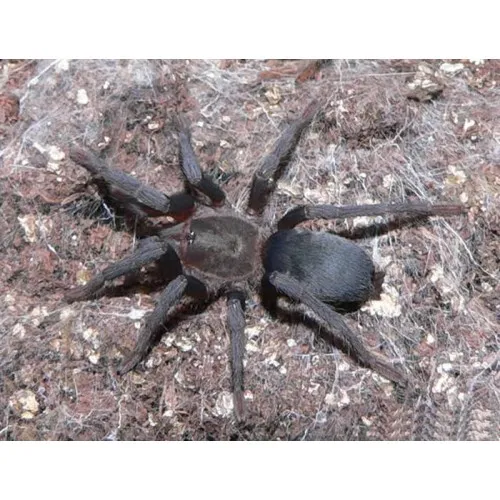
Tarantulas are large, hairy spiders belonging to the Theraphosidae family. They are known for their size, often having a leg span that can reach up to 12 inches, and their intimidating appearance. These fascinating creatures are found in various habitats around the world, including the United States, with some species making their home in Virginia. Despite their fearsome reputation, tarantulas are generally not aggressive and prefer to avoid confrontation. They play a vital role in their ecosystems, helping to control insect populations. Understanding tarantulas involves appreciating their unique characteristics, from their venomous fangs to their intricate web-making abilities, and recognizing their importance in the natural world. These spiders have captured the interest of scientists and nature enthusiasts alike, highlighting the diversity and wonder of the animal kingdom.
Common Types of Tarantulas Found in Virginia
While Virginia isn’t known for a high diversity of tarantula species, a few types can be found within the state. One of the most common is the Missouri tarantula (Aphonopelma Missouri), which can sometimes be spotted in the southwestern parts of Virginia. It’s important to note that tarantula sightings are relatively rare compared to other regions with warmer climates. The specific species found in Virginia are typically well-adapted to the local environment, including the state’s seasonal changes and available food sources. Understanding which species might be present helps in identifying these spiders and appreciating their presence in the state’s ecosystem. Identifying them can sometimes be challenging, requiring a close look at their physical characteristics. If you encounter a tarantula in Virginia, it is likely to be one of the less aggressive species, which generally prefer to hide rather than confront threats.
Identifying Characteristics

Identifying a tarantula involves noting several key characteristics. They have a large, hairy body, with a leg span that can reach several inches. Their coloration varies, ranging from brown to black, sometimes with reddish or orange hues. The body is divided into two main parts the cephalothorax (head and chest) and the abdomen. They possess eight legs and two pedipalps (small appendages near the mouth used for sensing and manipulating food). The fangs are prominent, used for capturing prey and defense. To properly identify a tarantula species, you may need to consult a field guide or expert, as specific traits like the arrangement of hairs, the pattern on their legs, and the presence of certain markings are used for accurate identification. These features can help distinguish between different species and provide valuable insights into their biology and behavior.
Where Do Tarantulas Live in Virginia?
In Virginia, tarantulas typically inhabit specific locations, often preferring areas with suitable habitats and favorable environmental conditions. They are most commonly found in the southwestern parts of the state, where the climate is slightly warmer, and the terrain is conducive to their lifestyle. These spiders prefer to live in burrows, which they either construct themselves or utilize natural shelters like rock crevices or abandoned animal burrows. The availability of prey, such as insects, is also a crucial factor influencing where tarantulas choose to reside. While not widespread throughout Virginia, tarantulas tend to establish themselves in localized populations where their needs are met. When exploring the state’s natural areas, it’s useful to understand the preferred habitats of these spiders to potentially spot them. Remember, tarantulas are typically secretive and prefer to remain hidden, so patience and observation are key when searching for them in their natural habitat.
The Ideal Habitats
Ideal habitats for Virginia tarantulas usually include environments that offer both shelter and access to food. They thrive in areas with loose soil where they can easily dig or find burrows. Rocky areas, grasslands, and open woodlands provide suitable conditions for tarantulas to establish their homes. These spiders often prefer dry, warm locations that offer protection from extreme weather conditions. They are often found near sources of moisture. A good habitat should provide a stable temperature and humidity, which are crucial for their survival. The availability of prey, such as insects and small invertebrates, is also essential. The presence of these food sources and the suitable conditions contribute to a thriving tarantula population in the area. It’s important to preserve these habitats to ensure the survival of tarantula populations and to maintain the ecological balance of the regions where they live. The preservation of such areas helps to conserve tarantulas.
Virginia Tarantula Behavior and Diet

Tarantulas in Virginia exhibit specific behaviors that are adapted to their environment. They are generally nocturnal creatures, meaning they are most active during the night, when they hunt and explore their surroundings. They are primarily ambush predators, waiting patiently in or near their burrows for unsuspecting prey to come within reach. Their hunting strategy involves sensing vibrations in the ground or air to detect the presence of potential food sources. These spiders also engage in behaviors related to mating, such as elaborate courtship rituals, involving the males drumming their pedipalps on the ground to attract females. Understanding the behavior of tarantulas can provide insights into their survival strategies and their ecological roles within the ecosystems they inhabit.
What do they eat?
Tarantulas are carnivorous, with their diet consisting primarily of insects and other invertebrates. They will also occasionally feed on small vertebrates like lizards or mice. The specific prey items vary depending on the tarantula species and the available food sources in their environment. They use their fangs to inject venom into their prey, which paralyzes them and begins the process of digestion. Once the prey is subdued, the tarantula uses its chelicerae (mouthparts) to crush and consume the meal. The diet of tarantulas plays an important role in regulating insect populations and maintaining a balanced ecosystem. They are opportunistic feeders, consuming whatever prey is available. These spiders often hunt for crickets, grasshoppers, beetles, and other insects. The size of the prey depends on the size of the spider. Their diet needs can vary based on growth stage.
How to handle it?
Handling a tarantula is generally not recommended, especially if you are unfamiliar with the species or the spider’s behavior. Tarantulas are not naturally aggressive, but they can bite if they feel threatened or provoked. If you must handle a tarantula (such as for relocation), do so with extreme caution and care. It is best to gently coax the spider onto a flat surface, like a large container or the palm of your hand. Avoid sudden movements, which could startle the tarantula. Be aware of the spider’s potential defensive behaviors, such as raising its front legs or flicking hairs from its abdomen (which can cause irritation). Always wash your hands thoroughly after any interaction with a tarantula. Remember, the safety of both you and the tarantula is the top priority, and handling them should be avoided unless absolutely necessary and done with great care.
Are Virginia Tarantulas Dangerous?

Tarantulas in Virginia are generally not considered highly dangerous to humans. While they possess venom, their bite is not usually life-threatening. The effects of a bite are often comparable to a bee sting, causing localized pain, swelling, and redness. In rare cases, some individuals may experience allergic reactions. The spiders are also more likely to try to escape than to attack. They prefer to retreat to their burrows or hide if they feel threatened. The primary risk associated with tarantulas is the potential for allergic reactions or secondary infections at the bite site. However, the level of danger is relatively low, particularly when compared to other venomous creatures. Knowing the potential risks and taking appropriate precautions can help minimize any negative consequences from encountering these spiders. It’s also crucial to respect their natural habitat and avoid disturbing them.
Venom and Bite
Tarantula venom is primarily used to subdue prey and is generally not highly toxic to humans. When a tarantula bites, it injects venom through its fangs, which can cause localized pain, swelling, and redness. The severity of the reaction varies depending on the individual and the tarantula species. While some people may experience only mild symptoms, others might have a more pronounced reaction. Serious complications are rare, but it’s always a good idea to seek medical attention if you experience severe symptoms after a bite. The venom affects the nervous system of the prey, but it is not potent enough to pose a significant threat to humans. The bite from a tarantula is more likely to be painful due to the size of the fangs rather than the venom itself. Understanding the nature of the venom and the potential effects can help you stay calm and respond appropriately if bitten by a tarantula. Although the venom is not overly toxic, it’s wise to take precautions.
First Aid Tips
If you are bitten by a tarantula, it’s important to take immediate steps to treat the bite and manage any potential symptoms. Clean the bite site thoroughly with soap and water to prevent infection. Apply a cold compress to reduce swelling and pain. Over-the-counter pain relievers, such as ibuprofen or acetaminophen, can help alleviate discomfort. Monitor the bite site for any signs of infection, such as increased redness, swelling, or pus. If you experience severe symptoms, such as difficulty breathing, severe swelling, or dizziness, seek immediate medical attention. Allergic reactions require prompt medical care. It is wise to remain calm and seek advice from a medical professional.
Tarantulas Conservation Status in Virginia

The conservation status of tarantulas in Virginia is not well-documented, as there is limited research and monitoring of their populations. In general, tarantulas are not considered endangered or threatened in Virginia. However, their populations can be vulnerable to habitat loss and environmental changes. As the state’s landscapes evolve due to development and natural events, suitable tarantula habitats may be reduced. The impact of human activities, such as pesticide use, can also affect their survival and the availability of their prey. It’s important to protect and preserve the natural habitats where tarantulas live to ensure that their populations can continue to thrive. Conservation efforts may include habitat protection, educating the public about tarantulas, and promoting responsible land management practices. Monitoring the status of these spiders and understanding the threats they face can help in developing effective strategies to conserve them.
Threats to Tarantula Populations
Tarantula populations in Virginia, like those of other wildlife species, face several threats that can impact their survival and well-being. Habitat loss due to human development, deforestation, and agricultural practices is a significant concern. As natural habitats are destroyed or fragmented, tarantulas lose their homes and food sources, which impacts their populations. The use of pesticides and other chemicals can also harm tarantulas directly or indirectly by reducing the availability of their prey. Climate change, with its effects on temperature and rainfall patterns, poses additional challenges, potentially altering the conditions necessary for tarantula survival. In addition, the collection of tarantulas for the pet trade, although not a major threat in Virginia, can impact local populations if not regulated. Protecting tarantula populations requires addressing these threats through habitat conservation, responsible land management, and educating the public about the importance of these spiders in the ecosystem.
How to Protect Them
Protecting tarantulas in Virginia requires a multifaceted approach, focusing on habitat conservation and responsible practices. Supporting land conservation efforts that protect natural habitats, such as woodlands and grasslands, is crucial. Educating yourself and others about the importance of tarantulas and their role in the ecosystem is key. Avoiding the use of pesticides and other chemicals in areas where tarantulas live helps to protect them and their food sources. Supporting responsible land management practices, such as sustainable forestry and agriculture, can minimize habitat destruction. If you encounter a tarantula, observe it from a safe distance and avoid disturbing it. Reporting any sightings of tarantulas to local wildlife agencies can also help with monitoring and conservation efforts. By raising awareness, implementing responsible practices, and supporting conservation initiatives, you can help ensure the survival and well-being of tarantula populations in Virginia.
Top 5 Shocking Facts About Virginia Tarantulas

Fact 1
Virginia tarantulas, while relatively rare, are a testament to the diversity of life even in regions not typically associated with these large spiders. The Missouri tarantula is an example of a species that can be found in some parts of Virginia. This fact is often shocking to those who believe tarantulas are exclusively found in warmer, tropical climates. It highlights the adaptability of certain species and their ability to colonize diverse environments. The presence of tarantulas, even in smaller numbers, contributes to the complexity and richness of the state’s ecosystems, making this fact a fascinating aspect of Virginia’s wildlife.
Fact 2
Tarantulas can live for a surprisingly long time, with some species surviving for over 20 years in the wild, and even longer in captivity. While Virginia tarantulas may not live quite as long as their tropical counterparts, their lifespan is significantly longer than many other insects. This longevity contributes to their slow growth and their ability to adapt to environmental changes over time. This fact often surprises people and showcases the resilience and adaptability of these creatures. This long lifespan makes them a unique component of Virginia’s diverse wildlife population. It highlights that even the more common species found here are worth noting.
Fact 3
Tarantulas are equipped with specialized hairs on their abdomens, known as urticating hairs. When threatened, they can flick these hairs towards their attacker, causing significant irritation. While Virginia tarantulas are not known for this behavior as much as other species, it is still a defensive mechanism that they possess. This feature serves as a defense against predators. This fact may be shocking to those who are not familiar with tarantulas. Urticating hairs are another example of the fascinating adaptations that tarantulas have developed to survive and thrive in their environments.
Fact 4
Tarantulas play a crucial role in controlling insect populations. As predators, they help maintain a balance within the ecosystems they inhabit. This fact often goes unnoticed, but it’s a key reason tarantulas are beneficial. They help to prevent insect overpopulation, which can damage crops and spread disease. Their diet of insects and other invertebrates makes them an essential part of the food chain. By consuming these creatures, they help regulate populations, and keep everything in check. This surprising fact underscores the ecological importance of tarantulas, and it emphasizes the need to protect their habitats.
Fact 5
The Missouri tarantula, and other tarantula species found in the US, are not as dangerous as many believe. Their bites are typically mild, with symptoms comparable to a bee sting. This fact contrasts with the common perception of tarantulas as aggressive, dangerous predators. While they do possess venom, it is not potent enough to be life-threatening to humans. This is very different from myths and misconceptions about these spiders. Understanding this fact can help dispel fear and promote a more informed perspective on these fascinating creatures, allowing for a greater appreciation of their presence and role in Virginia’s ecosystem.