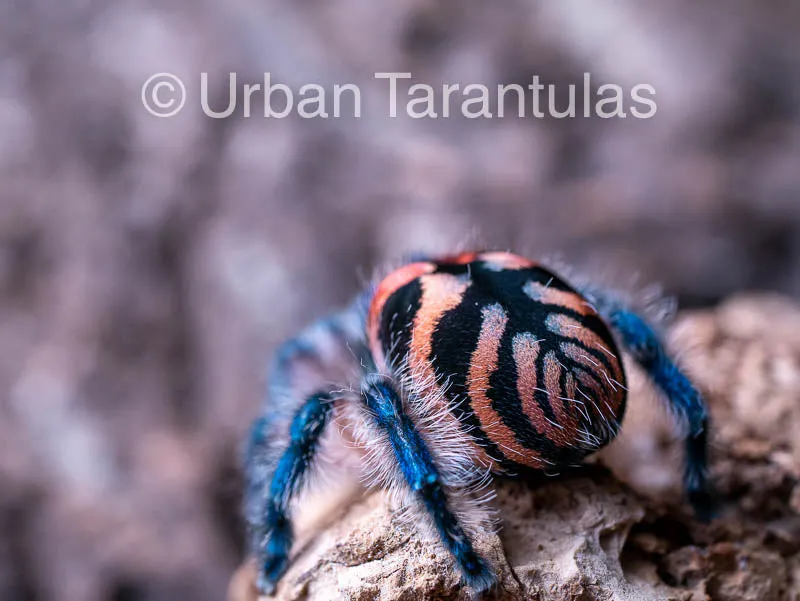
Typhochlaena Seladonia What is it
The Typhochlaena seladonia, commonly known as the Brazilian Jewel Tarantula, is a captivating and relatively rare species of tarantula. Native to the rainforests of Brazil, this arboreal tarantula is admired by enthusiasts for its striking coloration, unique behaviors, and relatively small size. The ‘Jewel’ in its common name alludes to the vibrant iridescence that can be observed under certain lighting conditions. This species is not just a visual treat, it also presents interesting behaviors and challenges for those who keep them.
Appearance and Characteristics
Size and Physical Features

The Typhochlaena seladonia is a small to medium-sized tarantula. Adult females typically have a leg span of around 3 to 4 inches, making them smaller than many other popular tarantula species. Males are generally slightly smaller than females. Their compact size contributes to their appeal as a manageable pet for those with some experience in tarantula keeping. They possess the typical characteristics of tarantulas, including eight legs, two chelicerae (mouthparts), and a body divided into two main parts the cephalothorax and the abdomen.
Coloration and Markings
One of the most striking features of the Typhochlaena seladonia is its vibrant coloration. They display a combination of metallic blues, greens, and purples, especially visible on their carapace and legs. The abdomen is often adorned with intricate patterns. The iridescent colors are not always visible and can appear more pronounced under specific lighting conditions, adding to the tarantula’s allure. The exact coloration can vary slightly among individuals, adding to their uniqueness. These colors serve a function beyond aesthetics, aiding in camouflage within their arboreal habitat.
Habitat and Distribution
Natural Environment

In the wild, Typhochlaena seladonia inhabits the humid rainforests of Brazil. These tarantulas are arboreal, meaning they spend most of their time in trees, creating webs and burrows amongst the foliage. Their natural habitat consists of a rich, complex environment filled with diverse flora and fauna. The high humidity and relatively stable temperatures of their habitat are crucial for their survival and well-being. The rainforest provides them with ample opportunities for hunting and protection from predators.
Geographic Range
The geographic range of the Typhochlaena seladonia is relatively limited, primarily restricted to specific regions within Brazil. They are not widespread and are typically found in areas with the right environmental conditions. This limited distribution makes them a somewhat rare species in the tarantula hobby. Conservation efforts are important to preserve the natural habitat of these tarantulas, ensuring their continued existence in the wild. The precise location of these tarantulas is often kept private by enthusiasts to protect their habitats.
Behavior and Lifestyle
Typical Behaviors

Typhochlaena seladonia exhibits several interesting behaviors that make them fascinating to observe. They are generally nocturnal, meaning they are most active during the night, when they hunt for prey. They are also known for their defensive behaviors, which include raising their front legs in a threat posture and flicking urticating hairs if they feel threatened. These spiders are not particularly prone to biting, but should still be handled with extreme caution. They tend to be quite skittish and fast.
Defensive Mechanisms
Like other tarantulas, Typhochlaena seladonia has several defense mechanisms. They can flick urticating hairs from their abdomen, which are irritating to predators and can cause skin irritation and discomfort. They also possess fangs and venom, although their venom is not considered medically significant to humans. Their threat posture, raising their front legs and exposing their fangs, serves as a warning to potential threats. These mechanisms are a crucial part of their survival strategy in the wild.
Diet and Feeding Habits
Prey and Diet

In the wild, the Typhochlaena seladonia primarily feeds on insects and other invertebrates that they can catch in their arboreal habitat. Their diet includes crickets, roaches, moths, and other small creatures. In captivity, they are usually fed a diet that mimics their natural diet. The size and type of prey are carefully considered to ensure the tarantula receives appropriate nutrition. They are ambush predators, waiting for their prey to come close enough to strike.
Feeding Frequency
The feeding frequency of Typhochlaena seladonia varies depending on their age and size. Spiderlings and juveniles need to be fed more frequently, perhaps two to three times a week, to support their growth. Adult tarantulas can be fed less often, typically once or twice a week. It is crucial to provide the appropriate amount of food to avoid both overfeeding and underfeeding. The tarantula’s abdomen size and overall health will indicate whether it is being fed correctly. Fresh water should always be available.
Reproduction and Life Cycle
Mating Behavior

The mating behavior of Typhochlaena seladonia involves a complex courtship ritual. The male tarantula will typically drum his pedipalps on the female’s web to attract her attention. If the female is receptive, the mating process will take place, which involves the transfer of sperm from the male to the female. It is crucial to carefully monitor the mating process to prevent the female from attacking and consuming the male. The male’s survival is not guaranteed after mating.
Egg Sac and Spiderlings
After mating, the female Typhochlaena seladonia will lay eggs and create an egg sac. The egg sac is carefully guarded by the female, who provides the necessary humidity and temperature for the eggs to develop. Once the eggs hatch, the spiderlings will remain with their mother for a short period before dispersing and starting their independent lives. The process of raising spiderlings is delicate and requires appropriate care and attention to ensure the survival of the next generation.
Conservation Status and Threats
Current Conservation Status

The conservation status of Typhochlaena seladonia is a subject of ongoing assessment. Habitat loss, due to deforestation and other forms of environmental degradation, poses a major threat to their survival in the wild. As a relatively rare species, any significant population decline could have a devastating effect. Conservation efforts are crucial to protecting their natural habitat and ensuring their long-term survival. Raising public awareness is a key factor in the protection of this species.
Threats to Survival
The primary threats to Typhochlaena seladonia include habitat destruction, climate change, and the illegal pet trade. Deforestation and agricultural expansion lead to habitat loss. Climate change can alter the temperature and humidity of their natural environment. Illegal collection for the pet trade can further reduce wild populations. Addressing these threats is essential for the conservation of the species. Conservation initiatives and sustainable practices are needed to counter these pressures.
Unique Discoveries
Camouflage Capabilities
Typhochlaena seladonia are able to camouflage themselves very effectively. These tarantulas utilize their coloration to blend in with their arboreal habitat. They are adept at concealing themselves among the leaves and branches, making it difficult for predators to spot them. This camouflage is a vital survival mechanism. Their ability to blend in contributes to their success in the wild, allowing them to evade predators and ambush their prey. The metallic colors also play a role in this camouflage.
Venom Potency
The venom potency of the Typhochlaena seladonia is generally considered to be mild to humans. While they do possess venom, it is not as potent as that of some other tarantula species. A bite from this tarantula is unlikely to cause significant health problems. However, it is always important to exercise caution when handling any tarantula, as a bite can still be painful and may cause localized reactions. They are not considered a medically significant species.
Lifespan
The lifespan of Typhochlaena seladonia varies, depending on factors like sex, diet, and environmental conditions. Females typically live longer than males, often reaching an average lifespan of 5 to 7 years in captivity. Males, however, typically live for only a few years after reaching maturity. This lifespan difference is common among tarantula species. Proper care, including appropriate temperature, humidity, and diet, can help maximize their lifespan in captivity.
Conclusion
The Typhochlaena seladonia is a remarkable tarantula species known for its stunning coloration, unique behavior, and captivating presence. From its vibrant appearance to its intricate life cycle, this tarantula offers a fascinating glimpse into the world of arachnids. Understanding its habitat, diet, and behavior is essential for both conservation and responsible pet ownership. By appreciating this species and supporting conservation efforts, we can help ensure that the Brazilian Jewel Tarantula continues to thrive in its natural environment for generations to come. Learning about these creatures enhances our appreciation for biodiversity and the importance of protecting these incredible animals.