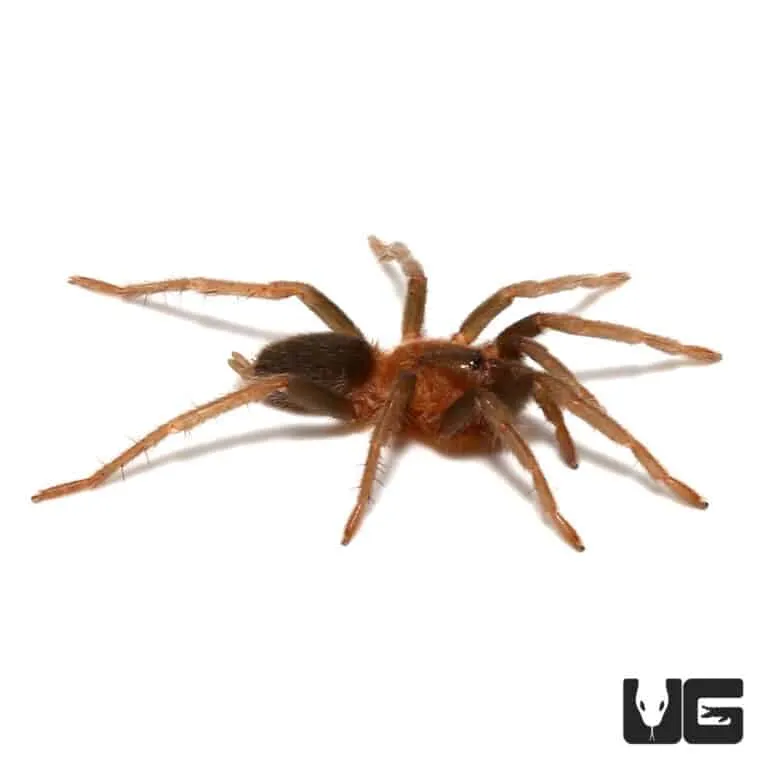
Trinidad Gold Tarantula Top 5 Facts You Need
The Trinidad Gold Tarantula, scientifically known as Psalmopoeus cambridgei, is a captivating species that has gained popularity among tarantula enthusiasts. These spiders, native to Trinidad and Tobago, are known for their striking appearance and relatively manageable care requirements. This guide provides essential facts about the Trinidad Gold Tarantula, covering its appearance, habitat, behavior, and care, ensuring you have a comprehensive understanding of these fascinating creatures. Whether you’re a seasoned arachnid keeper or just beginning your journey, knowing these top facts will help you appreciate and care for your Trinidad Gold Tarantula properly.
Appearance and Identification
Identifying a Trinidad Gold Tarantula starts with understanding its unique physical characteristics. The spider’s appearance is a key element in its appeal, with the coloration varying slightly depending on the individual and its stage of life. Understanding these aspects allows you to distinguish this species from others and appreciate its distinct beauty. The Trinidad Gold Tarantula is not just a pet; it’s a visual marvel that adds a touch of exotic elegance to any collection. Proper identification is crucial for both appreciation and ensuring that you are, in fact, caring for the intended species, protecting its welfare and your own interests.
Size and Coloration

Adult Trinidad Gold Tarantulas typically reach a leg span of about 5 to 6 inches. The body color is a rich brown, often with golden hues, hence the name. The legs are typically a darker brown, sometimes with lighter markings. The carapace, or the top of the cephalothorax, can range from a darker shade of brown to a lighter, golden tone, creating a beautiful contrast. As the spider matures, the coloration tends to deepen, making the golden tones even more pronounced. The overall appearance is quite striking and visually appealing, which makes it a favorite among tarantula keepers. (trinidad-gold-tarantula-coloration)
Distinguishing Features
Besides size and color, the Trinidad Gold Tarantula has several distinguishing features. The species’ overall body shape is quite robust, with relatively thick legs and a well-defined abdomen. The presence of urticating hairs on the abdomen is another key characteristic; these hairs, which are a defense mechanism, can cause skin irritation if they come into contact with humans. The arrangement and density of these hairs, as well as the presence of other subtle markings on the carapace and legs, can help in confirming the identification of the tarantula. The ability to recognize these details is important for both responsible pet ownership and for appreciating the intricate adaptations of this species. (trinidad-gold-tarantula-image-1)
Origin and Habitat
Understanding the origin and natural habitat of the Trinidad Gold Tarantula is crucial for providing the best care possible. These tarantulas have specific environmental requirements that mimic their natural surroundings. This knowledge is fundamental to ensuring the spider thrives in captivity. Knowing where they come from gives you a better understanding of their needs and behaviors. Proper habitat design can also significantly enhance the spider’s well-being and make your experience as a keeper much more rewarding. Understanding the natural environment is the foundation of responsible care, helping your tarantula lead a healthy and happy life.
Native Range

As the name suggests, the Trinidad Gold Tarantula is native to the islands of Trinidad and Tobago in the Caribbean. They are commonly found in various habitats within these islands, including forests, wooded areas, and sometimes even in more urbanized environments. Their presence reflects the biodiversity of these tropical islands. The climate in their native range is warm and humid, which significantly influences their behavior and care needs in captivity. Understanding this origin helps in replicating similar conditions, which is vital for the health and longevity of the spider. (trinidad-gold-tarantula-habitat)
Preferred Environment
In the wild, Trinidad Gold Tarantulas typically inhabit humid environments, often in areas with dense vegetation. They are primarily arboreal, meaning they spend much of their time in trees or elevated locations. The presence of ample hiding spots, like crevices in trees or under the bark, is crucial for their well-being. They thrive in a climate that offers high humidity levels and moderate temperatures. Replicating these conditions in captivity, using a suitable substrate, maintaining appropriate humidity levels, and providing hiding places are key elements in creating an ideal habitat. (trinidad-gold-tarantula-environment)
Behavior and Temperament
Knowing the behavior and temperament of the Trinidad Gold Tarantula is essential for safe and responsible pet ownership. Their behavior patterns greatly influence how they interact with their environment and, consequently, how you interact with them. Understanding their temperament allows you to anticipate their reactions and take necessary precautions. This knowledge also enriches your experience by giving you a better understanding of your pet’s personality and habits. A well-informed keeper is a better keeper. This will lead to a safer and more fulfilling experience.
Typical Behavior Patterns

Trinidad Gold Tarantulas are generally known to be reclusive and secretive spiders. They often spend their days hidden, emerging primarily at night to hunt for food. They are agile and fast-moving, capable of swift movements when disturbed. They typically build a silken retreat, often among the foliage or in crevices, where they spend most of their time. Their behavior is largely driven by their need for security and sustenance, and their nocturnal habits are a key part of their natural routines. Their behaviors should be observed, but always at a distance and without direct contact or disturbance. (trinidad-gold-tarantula-handling)
Temperament in Captivity
In captivity, Trinidad Gold Tarantulas can be skittish and defensive. While not typically aggressive, they may react quickly to perceived threats. They possess urticating hairs, which they can flick off their abdomen as a defense mechanism. This is a sign to leave them be. When handling, it’s important to move slowly and avoid sudden movements. Many keepers find them to be a fascinating species to observe due to their unique defensive behaviors and agility. Creating a secure and comfortable environment can help reduce stress and promote a more relaxed temperament. Careful observation and respect for their boundaries are essential for a positive keeper-tarantula relationship.
Care and Husbandry
Providing proper care and husbandry is critical to ensuring the health and longevity of your Trinidad Gold Tarantula. This includes creating a suitable enclosure, providing the right diet, and maintaining ideal environmental conditions. Attention to these details allows your tarantula to thrive in captivity. Understanding the care requirements will also enhance your appreciation of this species and contribute to a successful keeping experience. Caring for these creatures also involves paying close attention to their needs, observing their behavior, and adjusting care accordingly, which allows for a rich and rewarding experience for the keeper and the tarantula. (trinidad-gold-tarantula-feeding)
Housing Requirements

A suitable enclosure is crucial for the well-being of your Trinidad Gold Tarantula. A tall, arboreal setup is ideal, allowing the tarantula to climb and build its retreat. The enclosure should be made of glass or clear plastic, allowing for easy observation. The size of the enclosure should be appropriate for the spider’s size; a juvenile can start in a smaller enclosure, with larger setups needed as they grow. Ventilation is essential to prevent mold and maintain air quality, but make sure the ventilation doesn’t compromise humidity. Providing substrate like coconut fiber or peat moss that retains moisture is a must. The addition of a hide, such as a piece of cork bark or a hollow log, provides the tarantula with a safe and secure retreat. (trinidad-gold-tarantula-habitat)
Feeding and Diet
Feeding your Trinidad Gold Tarantula is a straightforward process. They are primarily insectivores, meaning they eat insects. A varied diet is recommended to ensure they receive the necessary nutrients. Crickets, mealworms, and roaches are common staples. The frequency of feeding depends on the spider’s age and size; juveniles typically need to be fed more often than adults. It’s important to ensure that the prey insects are not too large, as this can pose a risk to the tarantula. Remove any uneaten prey within 24 hours to prevent stress on the tarantula. Proper hydration is also vital, so ensure a shallow water dish is always available. (trinidad-gold-tarantula-feeding)
Lifespan and Growth
Understanding the lifespan and growth stages of the Trinidad Gold Tarantula is essential for responsible pet ownership. Knowing what to expect as your tarantula grows allows you to provide appropriate care and appreciate the unique life cycle of these creatures. Tracking their development helps you to understand their needs and monitor their health. The fascinating journey of growth from a tiny spiderling to a mature adult spider is a source of both intrigue and satisfaction for any keeper. This understanding can enrich your keeping experience and allows you to plan and adapt to the needs of the tarantula as it matures. (trinidad-gold-tarantula-growth)
Average Lifespan

The average lifespan of a Trinidad Gold Tarantula varies depending on the sex. Females typically live longer than males. A female can live anywhere from 8 to 12 years or even longer under optimal conditions. Males, on the other hand, typically live for about 3 to 5 years after reaching maturity. Environmental factors, such as temperature, humidity, and diet, can also affect the lifespan. Providing excellent care ensures your tarantula lives as long and healthily as possible. This long lifespan makes them rewarding pets, as they provide many years of fascination and enjoyment to keepers.
Growth Stages
Trinidad Gold Tarantulas, like all tarantulas, grow through molting. As they grow, they shed their exoskeleton, which is replaced by a new one. The frequency of molting depends on the spider’s age, with juveniles molting more often than adults. During molting, the tarantula is particularly vulnerable and should not be disturbed. The molting process typically takes a few hours, but can sometimes take a day or more. After molting, the tarantula’s new exoskeleton is soft, and it takes time to harden. During this time, they may not eat. Observing the molting process and understanding the growth stages is an essential part of tarantula keeping. (trinidad-gold-tarantula-image-1)
Conclusion
The Trinidad Gold Tarantula is a captivating species that can bring joy and fascination to anyone who appreciates the beauty of the arachnid world. By understanding its appearance, habitat, behavior, and care requirements, you can ensure your tarantula thrives in captivity. Remember to provide a suitable enclosure, varied diet, and maintain proper environmental conditions. With a little knowledge and dedication, you can enjoy a rewarding experience with this amazing creature. The Trinidad Gold Tarantula offers a unique opportunity to appreciate the diversity of life. They make an excellent addition to a pet collection.