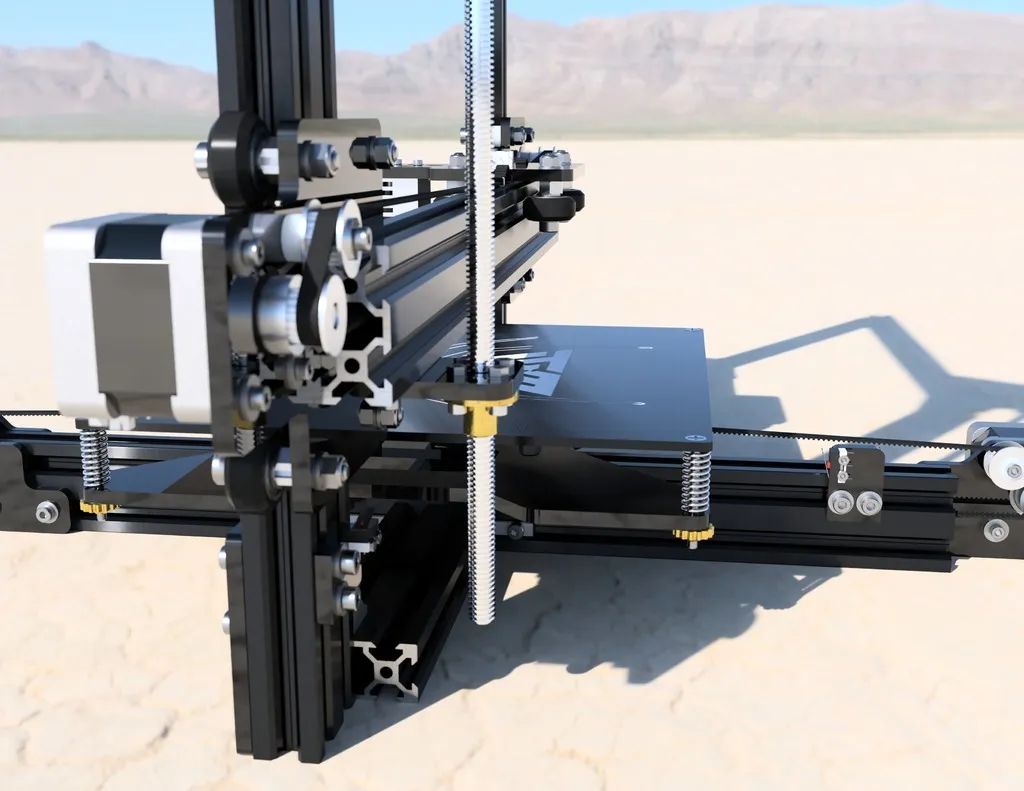
The Thingiverse Tevo Tarantula has gained popularity as a well-regarded entry-level 3D printer, offering an accessible platform for both beginners and hobbyists. This comprehensive guide, “Thingiverse Tevo Tarantula 101,” is designed to help you master this 3D printer. Whether you’re just starting out or looking to refine your skills, this guide will equip you with the knowledge to succeed. We’ll cover everything from the initial setup and calibration to advanced printing techniques and troubleshooting, ensuring you get the most out of your 3D printing experience.
What is the Thingiverse Tevo Tarantula?
The Tevo Tarantula is a DIY (Do-It-Yourself) 3D printer kit that allows users to assemble their own machine. This hands-on approach provides a deeper understanding of how 3D printers function. The printer is known for its affordability and relatively simple construction, making it a great choice for those looking to get started in 3D printing without breaking the bank. The Tevo Tarantula utilizes the Fused Deposition Modeling (FDM) method, where it heats and deposits plastic filament layer by layer to create three-dimensional objects. It is a sturdy and reliable printer for its price point, suitable for a wide array of 3D printing projects.
Key Features of the Tevo Tarantula
The Tevo Tarantula offers several features that contribute to its appeal among 3D printing enthusiasts. These features combine to provide a solid base for quality 3D printing. It’s an open-source printer, meaning users can customize and modify it as they wish. Some key elements include the frame, print bed, and extruder.
Build Volume

The build volume is a critical specification, dictating the maximum size of objects you can print. Knowing this information is key to the success of your prints, as it will help you select the parts and designs that will fit within the constraints of the build volume. The Tevo Tarantula typically has a build volume of around 200 x 200 x 200 mm, offering ample space for various projects. This is sufficient for many common printing tasks, from small figurines to functional prototypes. It’s important to note the build volume to ensure your designs fit before starting a print.
Extruder Type
The extruder is the mechanism that feeds the filament into the hot end, where it is melted and deposited onto the print bed. The Tevo Tarantula generally comes with a Bowden extruder system, where the extruder motor is separate from the hot end. This setup allows for a lighter print head, potentially leading to faster printing speeds and reduced ringing or ghosting effects. The type of extruder can influence the range of materials you can use and the quality of your prints. Upgrading to a direct drive extruder is also common to improve filament handling.
Print Bed
The print bed provides the base surface for your prints. The Tevo Tarantula typically includes a heated bed, which is essential for printing with materials like ABS that need to be kept at a certain temperature to prevent warping. A heated bed ensures the initial layers of your print adhere properly. The quality of the print bed and its ability to maintain consistent temperature are essential for print success. Regular leveling of the print bed is a must to ensure proper adhesion and prevent print failures. Ensure the bed is level before each print.
Setting Up Your Thingiverse Tevo Tarantula

Setting up your Tevo Tarantula can seem a little daunting at first, especially if you are new to 3D printing. This section will walk you through the key steps of assembling your printer and preparing it for the first print. Taking your time and following the instructions is crucial for a successful setup.
Assembly Process
The Tevo Tarantula comes as a kit, so you’ll need to assemble it yourself. Carefully follow the assembly instructions provided with your kit. The process typically involves attaching the frame components, installing the motors, and wiring the electronics. Pay close attention to the instructions and diagrams, ensuring all parts are correctly aligned. Be sure to securely tighten all screws. Common issues during assembly include misaligned components or loose connections. Take pictures during the process to help with reassembly or troubleshooting if needed.
Firmware Installation and Configuration
The firmware controls the printer’s functions. Your Tevo Tarantula typically comes with pre-installed firmware. However, you might need to update it or make configuration changes. Marlin firmware is popular. Connect your printer to your computer, then install the necessary drivers, and upload the firmware using software like Arduino IDE. Configuration typically includes settings for the print bed size, temperature sensors, and stepper motor calibrations. Incorrect configuration will lead to print errors and potential damage to the printer.
Leveling the Print Bed

Leveling the print bed is critical for successful prints. An uneven bed will cause poor adhesion and print failures. Many Tevo Tarantula printers have a manual bed leveling system. Use the leveling screws at each corner of the bed and adjust them until the nozzle is a consistent distance from the bed across the entire surface. Use a piece of paper to gauge the correct distance. The paper should just have slight resistance when pulled. Properly level the bed before each print to improve print quality. Auto-bed leveling upgrades are available for those who want to automate the process.
Slicing Your First 3D Model
Slicing is the process of converting a 3D model into instructions that your printer can understand. You’ll need slicing software to prepare your models for printing. There are many different software available; this is the first step to turning a digital model into a real-life object.
Choosing the Right Slicer Software
Choosing the right slicer software is important. Popular options include Cura, PrusaSlicer, and Simplify3D. Cura is a user-friendly and widely-used option, perfect for beginners, while PrusaSlicer offers advanced features and great print quality. Simplify3D is a premium option that provides extensive control over the printing process. Your choice depends on your experience level and needs. Take the time to learn about each option and choose the one that feels most natural to you.
Importing and Preparing Models from Thingiverse

Thingiverse is a popular platform for finding free 3D models. Download your desired model in an STL file format. Import this file into your chosen slicer software. Position, scale, and rotate the model as needed on the virtual print bed. Some models may require support structures, which the slicer software can generate automatically. Preview the sliced model to identify any potential issues before printing. Ensure that the model fits within the printer’s build volume and that support structures are adequate if needed.
Optimizing Print Settings
Optimizing print settings is key to achieving high-quality prints. This includes the layer height, print speed, temperature, and infill density. Layer height affects the level of detail and print time; a lower layer height results in finer detail but takes longer. Print speed affects the quality of the print; slower speeds often lead to better results. Nozzle and bed temperatures are crucial for proper filament adhesion. Infill density determines the strength and weight of the print, while infill patterns will affect the print. Experimenting with these settings is necessary to optimize your prints. Fine-tune these parameters for the best results. Check your print settings before each print job to guarantee that your settings suit the project.
Printing with Different Filament Types
The Tevo Tarantula can print a variety of filament types, each with different properties and applications. Here’s an overview of the most common types.
PLA Filament

PLA (Polylactic Acid) is the most common filament for beginners due to its ease of use and low printing temperature. It is biodegradable, made from renewable resources. PLA is less prone to warping and doesn’t require a heated bed for printing, though it helps with adhesion. It is suitable for general-purpose prints, prototypes, and decorative items. Print settings should vary depending on the manufacturer, but generally, the nozzle temperature is 190-220°C. One drawback is its low-temperature resistance, which limits its use in high-temperature environments.
ABS Filament
ABS (Acrylonitrile Butadiene Styrene) is a durable and impact-resistant filament, often used for functional parts. ABS requires a heated bed and a higher printing temperature (220-250°C) to prevent warping. It is not biodegradable and emits fumes during printing, so printing in a well-ventilated area is necessary. ABS is excellent for printing parts that need to withstand high temperatures. However, ABS can be more challenging to print with due to warping and cracking issues.
PETG Filament
PETG (Polyethylene Terephthalate Glycol-modified) offers a blend of properties from both PLA and ABS. It is easy to print like PLA but has better strength and temperature resistance like ABS. PETG requires a heated bed and a moderate printing temperature (220-250°C). It’s a good choice for parts that need to be flexible, durable, and resistant to chemicals. PETG is a great compromise, providing a good balance of ease of use and performance. Its transparency is beneficial for specific applications.
Troubleshooting Common Printing Issues

Even with careful preparation, you may encounter printing issues. Knowing how to troubleshoot common problems will help you get your prints running efficiently. Several issues are common. Below are several of the more common issues that will need troubleshooting.
Bed Adhesion Problems
Poor bed adhesion is a very common issue, leading to warped prints or prints that detach from the bed. Ensure your print bed is clean and level. Use adhesives like glue stick, painter’s tape, or hairspray to improve adhesion. Adjust the nozzle height to ensure the first layer is properly squished onto the bed. Calibrate the bed to ensure the nozzle is the correct distance from the bed surface. Slowing down the first layer print speed can also help. Make sure your bed temperature is suitable for the type of filament being used.
Nozzle Clogging
Nozzle clogs can interrupt the flow of filament, leading to incomplete layers or print failures. Clean the nozzle with a needle or by performing a cold pull to remove any debris. Check the extruder and filament for any obstructions. Adjust the nozzle temperature to ensure the filament is melting properly. Filament dust can cause blockages, so storing filament correctly is advised. If the nozzle is clogged, it can cause the print job to fail, and the filament can get stuck in the nozzle, resulting in wasted time and materials. Cleaning the nozzle with a needle is a must-do procedure.
Layer Shifting

Layer shifting occurs when the layers of your print are misaligned, resulting in a distorted model. This can happen due to loose belts, incorrect motor current settings, or the printer’s movement being blocked. Check and tighten the belts, ensure the motor drivers are correctly calibrated, and make sure the printer’s movement is not obstructed. Inspect the frame and gantry for movement. Check for any obstructions. Incorrect motor current settings can also contribute to layer shifting. Examine the frame of the printer.
Upgrading Your Tevo Tarantula
Upgrading your Tevo Tarantula can improve its performance and capabilities. Some upgrades can significantly enhance print quality and reliability. Several areas are ripe for upgrading.
Hot End Upgrades
Upgrading the hot end can improve print quality and the range of filaments you can use. Popular upgrades include all-metal hot ends, which allow printing at higher temperatures. Enhanced heat break designs help prevent jams and improve the overall printing experience. Replacing the hot end can significantly enhance the range of materials you can print, as well as the overall speed and quality of your prints. This is an upgrade which will have a considerable impact on the printer’s ability.
Bed Upgrades
Upgrading the print bed can improve bed adhesion and print quality. Consider upgrading to a glass bed for a smooth printing surface. Automatic bed leveling systems can simplify the leveling process. These types of upgrades will greatly enhance print quality and provide greater reliability. Upgrading the bed is a great way to improve the reliability and print quality.
Firmware Upgrades
Upgrading the firmware can add new features and improve the printer’s performance. You can update to the latest versions of Marlin firmware. Consider installing firmware that supports features like auto-bed leveling. Firmware updates can lead to better performance from your printer. Firmware upgrades are a simple way to maximize your 3D printer’s capabilities.
Tips for Successful 3D Printing on Thingiverse Tevo Tarantula
Following best practices is essential for successful 3D printing. By following these tips, you can improve print quality, minimize failures, and get the most out of your Tevo Tarantula. These tips should help you with 3D printing.
Calibrate your printer regularly. Always level the bed before each print. Clean the print bed and maintain a stable environment. Ensure proper ventilation to remove fumes. Keep the printer clean. Start with simple models and gradually increase the complexity.
Maintaining Your Tevo Tarantula
Regular maintenance is crucial for keeping your Tevo Tarantula in good working condition. Properly maintaining your printer can extend its lifespan and ensure it consistently produces high-quality prints. Many issues can be avoided with regular maintenance. Routine maintenance is key to the life of your 3D printer.
Regularly clean the printer. Lubricate moving parts like the Z-axis leadscrew. Check and tighten screws and belts. Store filament in a dry place. Inspect the nozzle and hot end, and always follow the printer’s safety guidelines. Periodically check the firmware for updates.
In conclusion, mastering the Thingiverse Tevo Tarantula requires understanding its features, following setup instructions, and learning how to troubleshoot common issues. The printer is a good option for anyone wishing to learn 3D printing. With dedication and the right knowledge, you’ll be able to create impressive 3D-printed models.