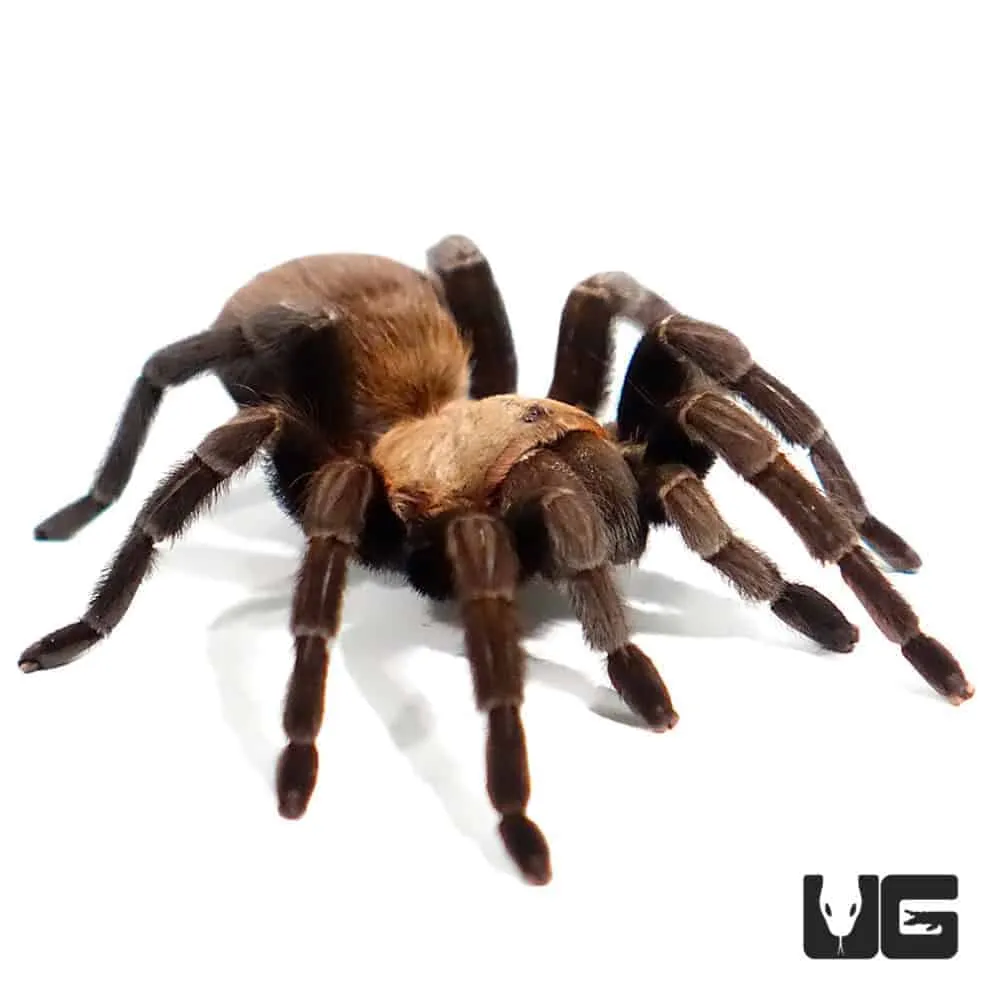
Understanding Texas Brown Tarantula Temperature Needs
Caring for a Texas Brown Tarantula involves understanding its specific needs, and temperature is one of the most critical factors. These fascinating creatures, native to the southwestern United States, thrive within a particular thermal range. Providing the correct temperature is essential for their overall health, activity levels, and even their lifespan. Failing to meet these requirements can lead to stress, decreased appetite, and, in severe cases, even death. This guide delves into the intricacies of temperature management for your Texas Brown Tarantula, ensuring you can provide the best possible care for your pet. Proper temperature regulation is paramount for mimicking their natural habitat and promoting a healthy environment.
Ideal Temperature Range for Texas Brown Tarantulas
The ideal temperature range for a Texas Brown Tarantula typically falls between 75-85°F (24-29°C). Maintaining this range is crucial for their well-being. Temperatures outside of this range can negatively impact their metabolism, activity, and overall health. A slight variance of a few degrees is usually acceptable, but sustained exposure to temperatures outside of this range can cause problems. Monitoring the temperature regularly is vital to ensure it remains within the optimal parameters. Using a reliable thermometer inside the enclosure is necessary to track the temperature accurately and make adjustments as needed. This ensures the tarantula’s comfort and health are prioritized.
Impact of Temperature on Tarantula Activity

Temperature significantly influences a Texas Brown Tarantula’s activity levels. Within the ideal range, these tarantulas are typically more active, displaying their natural behaviors, such as exploring, feeding, and burrowing. When the temperature drops below the ideal range, they may become lethargic and less inclined to move or eat. Conversely, excessively high temperatures can also cause stress and reduced activity. Therefore, maintaining the right temperature ensures your tarantula remains active and engages in its natural behaviors, which is crucial for its mental and physical health. Observing your tarantula’s activity level can provide clues about its comfort and the suitability of its environment. This will help you make adjustments to the temperature to ensure its well-being.
Importance of Humidity with Temperature
Temperature and humidity are intertwined when it comes to caring for a Texas Brown Tarantula. While the temperature range is vital, the humidity levels must also be considered. These tarantulas require a moderate level of humidity, typically around 60-70%. The combination of temperature and humidity contributes to the tarantula’s ability to breathe and molt properly. Low humidity can lead to molting problems, while extremely high humidity, coupled with high temperatures, can create an environment conducive to bacterial and fungal growth, which can be harmful. Regular monitoring of both temperature and humidity is critical for providing the right environment and preventing health issues, with the proper humidity levels. You can adjust the humidity by misting the enclosure or using a shallow water dish.
How Temperature Affects Molting
Molting is a critical process for tarantulas, allowing them to grow and shed their exoskeleton. Temperature plays a significant role in the molting process. Maintaining the correct temperature ensures that the tarantula has enough energy to complete this demanding process successfully. Too low a temperature can slow down the process, while too high a temperature might stress the tarantula. During the molting phase, a stable and appropriate temperature is essential for the tarantula to shed its exoskeleton without complications. Improper temperature can lead to a failed molt, potentially causing serious health issues or even death. Therefore, careful temperature control is a key factor in the molting process.
Top 5 Texas Brown Tarantula Temperature Facts

Fact 1 Optimal temperature for this species
The optimal temperature range for a Texas Brown Tarantula is between 75-85°F (24-29°C), mirroring its natural habitat conditions. Providing this temperature range promotes a healthy metabolism and supports all the tarantula’s vital functions. Within this range, tarantulas are most active and exhibit natural behaviors, which is crucial for their overall well-being. Use a reliable thermometer to monitor and maintain the correct range.
Fact 2 the role of temperature for metabolism
Temperature directly affects a Texas Brown Tarantula’s metabolism, which in turn impacts its appetite and activity levels. A warmer temperature increases the metabolic rate, leading to more frequent feeding and activity. Conversely, colder temperatures slow down the metabolism, leading to a decreased appetite and inactivity. Maintaining the ideal temperature ensures that your tarantula’s metabolism functions correctly, enabling it to absorb nutrients and stay healthy. Keep the temperature consistent to avoid any sudden changes which can stress the tarantula.
Fact 3 importance of temperature gradient in the terrarium

Creating a temperature gradient within the terrarium is vital. This involves having warmer and cooler areas, allowing the tarantula to regulate its body temperature by moving between these zones. A temperature gradient lets the tarantula choose its preferred temperature, reducing stress and helping it to regulate its metabolism. Ensure there is a noticeable temperature difference between different parts of the enclosure and provide plenty of space to enable easy movement to warmer or cooler zones.
Fact 4 Temperature Fluctuations in Nature
In their natural habitat, Texas Brown Tarantulas experience temperature fluctuations throughout the day and year. These variations influence their behavior and life cycle. Mimicking these natural fluctuations, to a degree, can be beneficial. However, the changes must be within a safe range. Avoid drastic and sudden temperature swings in your enclosure and keep temperature relatively stable by providing a consistent, healthy environment that mimics their natural habitat as closely as possible.
Fact 5 What happens if the temperature is too high
Excessive temperatures can be very dangerous for a Texas Brown Tarantula, leading to several health problems. If the temperature exceeds the ideal range, the tarantula may become stressed, leading to decreased activity, loss of appetite, and dehydration. Prolonged exposure to high temperatures can cause irreversible damage and potentially be fatal. Constant monitoring and maintaining the temperature below the upper end of the suggested range are very important to ensure the health and longevity of your pet.
Maintaining the Correct Temperature

Using Thermometers and Thermostats
Accurate temperature monitoring is essential. Use a reliable thermometer to measure the temperature within the enclosure, ideally placed at the tarantula’s level. Digital thermometers are often preferred for their accuracy and ease of reading. Consider using a thermostat to regulate the heating devices, which will automatically control the temperature and prevent it from exceeding or dropping below the optimal range. Regularly check the thermometer to ensure the temperature is within the ideal range and that the thermostat is functioning properly. This continuous monitoring is a fundamental aspect of tarantula care.
Heating Methods for Your Tarantula
Several heating methods are available to maintain the correct temperature. Heat mats are a popular option, placed on the side or the bottom of the enclosure. Ensure that the heat mat is connected to a thermostat to avoid overheating. Ceramic heat emitters are another choice, emitting heat without light, which allows for 24-hour heating without disturbing the tarantula’s day/night cycle. The choice of heating method depends on your setup and the needs of your tarantula, and you should always prioritize safety. Always follow the manufacturer’s instructions when using any heating equipment.
Troubleshooting Temperature Issues

It’s common to encounter temperature issues in tarantula care. If the temperature is too low, check the heating equipment and ensure it is working correctly. You may need to increase the wattage of your heat source or adjust the thermostat. If the temperature is too high, make sure the enclosure is not in direct sunlight and consider moving the heating device or reducing its power output. Regularly assess your setup for drafts or other factors that might be affecting the temperature. Always monitor your tarantula for signs of stress, such as lethargy or lack of appetite, as this can indicate a temperature-related problem. Promptly address and resolve any temperature issues to keep your tarantula healthy.
Conclusion
Understanding and managing the temperature for your Texas Brown Tarantula is a key aspect of providing excellent care. By maintaining the optimal temperature range of 75-85°F (24-29°C), along with proper humidity and monitoring, you ensure your tarantula thrives. Remember that temperature affects activity, metabolism, and molting. Always use reliable thermometers and consider a thermostat. By prioritizing temperature control, you create a healthy and stimulating environment for your Texas Brown Tarantula, allowing it to live a long, happy, and vibrant life.