Tevo Tarantula Review Introduction
The Tevo Tarantula has become a popular name in the budget 3D printer market, attracting hobbyists and beginners alike. This review delves into the top 5 must-know facts about the Tevo Tarantula, covering its price point, assembly challenges, print quality, upgrade potential, and the community support that surrounds it. If you’re considering buying this printer, this guide provides essential information to help you make an informed decision. Understanding these key aspects will allow you to make the most out of your 3D printing experience, managing your expectations and taking advantage of the printer’s capabilities.
Fact 1 The Tevo Tarantula’s Budget-Friendly Price Point
One of the most appealing features of the Tevo Tarantula is its affordability. It often comes at a significantly lower price than many other 3D printers on the market, making it an accessible option for those new to 3D printing or looking to explore the technology without a huge investment. This low price point is a major selling factor, attracting individuals and educational institutions that are budget-conscious. However, the low price doesn’t necessarily equate to lower quality but necessitates a trade-off in terms of features and the amount of time spent on setup and calibration.
Understanding the Cost of the Tarantula

The Tevo Tarantula’s cost is attractive, but understanding what you get for the price is crucial. The printer typically includes basic components and a simple design, keeping manufacturing costs low. Often, this means that some aspects, such as the frame, may be made of more basic materials. The cost also reflects the level of pre-assembly and pre-calibration done by the manufacturer. While the printer is affordable upfront, factor in potential costs for tools and upgrades that may be needed to achieve optimal printing results. The cost of consumables, like filament, and potential replacement parts, should also be kept in mind when evaluating the total cost of ownership.
Comparing the Tarantula to Other Budget Printers
When comparing the Tevo Tarantula to other budget printers, consider several factors. Competitors like the Ender 3 and the Anet A8 often offer similar price points but may come with different features or design choices. Research and comparison will show that these other models might come with a pre-assembled frame or an improved print bed. Some printers in this category come with more safety features or a higher build volume. Weigh the pros and cons based on your needs. For example, a larger print volume or a more robust frame might be important for your projects, even if it means a slightly higher price. Customer reviews and community feedback provide useful insights for the comparison.
Fact 2 Assembly and Setup Challenges
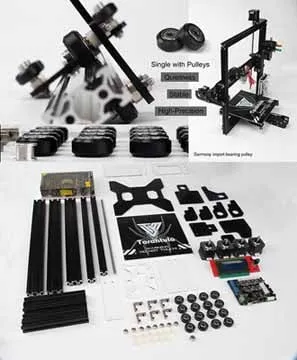
The Tevo Tarantula typically requires a significant amount of assembly compared to more expensive, pre-assembled 3D printers. This can be a double-edged sword. While the assembly process can be a great learning experience, teaching you about the inner workings of your printer, it also presents challenges. The instruction manual may not always be clear or comprehensive, and some parts may require adjustments or modifications. However, this hands-on approach allows for customization and a better understanding of how the printer functions.
Tips for a Smooth Assembly Process
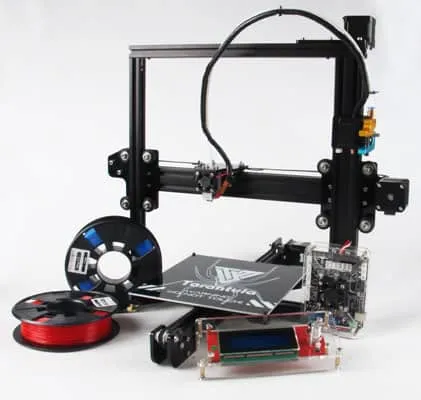
To ensure a smoother assembly experience, start by organizing all the parts and reviewing the instructions carefully before you begin. Watch assembly videos available on YouTube to supplement the written instructions. Ensure you have the necessary tools, such as Allen wrenches, screwdrivers, and a set of calipers for measurements. Tighten screws gradually, and don’t overtighten, as this can damage parts. Take your time and don’t rush the process, as this increases the chance of errors. Calibrating the bed properly is also key to achieving successful prints. Consider upgrading to a glass bed for easier leveling and better print adhesion.
Common Assembly Issues and How to Fix Them
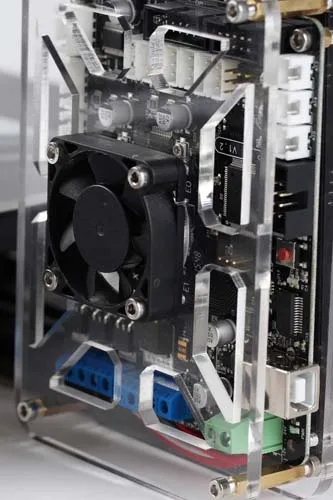
Common assembly issues with the Tevo Tarantula include problems with the frame alignment, wiring, and the correct placement of the components. Problems include an unstable frame, loose belts, or incorrect connections. Ensure all frame components are square and properly aligned. Check for loose wires and ensure they are correctly plugged into the control board. If the belts are loose, tighten them according to the specifications. If the printer fails to heat, check the power supply and the connections to the heating components. Online forums and communities can provide detailed solutions to common problems, including step-by-step guides and videos showing the resolution.
Fact 3 Print Quality and Performance Expectations
The print quality of the Tevo Tarantula can be impressive for its price, but it’s essential to have realistic expectations. Out of the box, the print quality might require some tweaking. The printer has a decent resolution, but you will need to calibrate it correctly to get the best results. Print quality will depend greatly on the type of filament used, the print settings, and the overall calibration. Achieving the best results requires patience and a willingness to experiment with different settings. Proper bed leveling is critical for good first-layer adhesion, and the correct temperature settings for both the nozzle and the bed are vital.
Achieving Optimal Print Settings
To achieve optimal print settings, start by understanding the recommended settings for the filament you are using. Different types of filament, such as PLA, ABS, and PETG, require different temperatures, bed adhesion strategies, and printing speeds. Spend time fine-tuning the settings in your slicing software, such as Cura or PrusaSlicer. Experiment with layer height, infill density, and printing speed to optimize the print quality and reduce printing time. It’s crucial to calibrate the E-steps (extrusion steps) to ensure that the printer extrudes the correct amount of filament. Adjusting the retraction settings can also eliminate stringing and improve the overall appearance of your prints.
Troubleshooting Common Print Defects
Common print defects include warping, layer shifting, stringing, and poor bed adhesion. Warping occurs when the corners of the print lift off the bed, and is usually caused by insufficient bed temperature or poor adhesion. Layer shifting happens when the layers of the print are misaligned, often due to a loose belt or the printer’s movement speed. Stringing is caused by the nozzle extruding filament when it moves between parts of the print. Addressing these problems involves adjusting the print settings. The bed leveling should be corrected for better adhesion. Slowing the printing speed and reducing the temperature can also make a difference.
Fact 4 The Tevo Tarantula’s Upgrade Potential
One of the great features of the Tevo Tarantula is its upgrade potential. The printer is open-source, allowing you to customize and enhance its performance with various upgrades. These upgrades can improve print quality, reliability, and overall user experience. Upgrading components is easy and provides a cost-effective path to improving your 3D printing experience. Many community members share their upgrade experiences, making it simple to discover and implement improvements that can take the printer to the next level.
Popular Upgrades for Improved Performance

Popular upgrades for the Tevo Tarantula include a heated bed upgrade, a glass bed, and a new extruder. A heated bed allows you to print with a wider variety of filaments, including ABS, which requires higher temperatures to avoid warping. A glass bed offers a smoother printing surface and makes it easier to remove prints. Upgrading the extruder can provide more precise filament control and improve print quality, especially if you plan to print at higher speeds. Other potential upgrades include a new control board, which can improve the printer’s processing power, or adding auto-bed leveling for more consistent prints. Upgrading the power supply is an added safety measure.
Upgrading the Extruder
Upgrading the extruder can significantly enhance the Tevo Tarantula’s performance. The stock extruder may have limitations in terms of filament handling and precision. Upgrading to a dual-gear extruder can improve the control over filament, leading to better print quality and reduced stringing. Direct-drive extruders also offer greater control. When choosing an extruder upgrade, consider the compatibility with the printer, the materials you plan to print with, and the ease of installation. Researching different types of extruders can help you choose the one that best suits your needs and printing style. Installing a new extruder usually involves disassembling the existing one and mounting the new one, so follow the instructions carefully.
Fact 5 Community Support and Resources
The Tevo Tarantula enjoys strong community support, providing a wealth of resources for troubleshooting, advice, and inspiration. Active online forums, Facebook groups, and YouTube channels are dedicated to the Tevo Tarantula. These resources are invaluable for beginners, as they offer a space to learn from experienced users and share knowledge. The community’s collective experience enables anyone to overcome problems, find solutions, and get the most out of their printer.
Finding Online Forums and Communities

Online forums and communities are essential resources for Tevo Tarantula owners. Websites such as Reddit, dedicated to 3D printing, host discussions on the printer. Facebook groups also allow users to share their experiences, ask questions, and post pictures of their prints. Many YouTube channels offer tutorials and reviews specifically for the Tevo Tarantula. Searching for these resources will provide a wealth of information. Being part of the community provides access to a collective knowledge base, allowing you to get quick solutions. Remember to search for your issue, and you will likely find someone who has experienced the same problem and found a solution.
Leveraging User-Generated Content
User-generated content, such as reviews, tutorials, and print profiles, is an excellent resource for Tevo Tarantula owners. Reading reviews and watching videos can help you understand the printer’s capabilities and potential issues. Searching for print settings and profiles tailored to specific filaments or models can improve the print quality and save time. The community often shares STL files and custom designs. This sharing of knowledge and designs contributes significantly to the 3D printing experience, making it easier for both beginners and experienced users. Taking advantage of these resources is a great way to avoid common pitfalls and get the most out of your printer.
Tevo Tarantula Review Conclusion
In conclusion, the Tevo Tarantula offers a compelling combination of affordability, upgrade potential, and community support, making it an attractive option for those entering the world of 3D printing. While the assembly and calibration require some effort, the printer’s low price, and active community make it a good choice for budget-conscious hobbyists. The print quality can be excellent, but it does require patience and experimentation with settings. The upgrade potential ensures that the printer can grow with your skills. If you’re willing to invest time in learning and tinkering, the Tevo Tarantula can be a rewarding 3D printing experience.