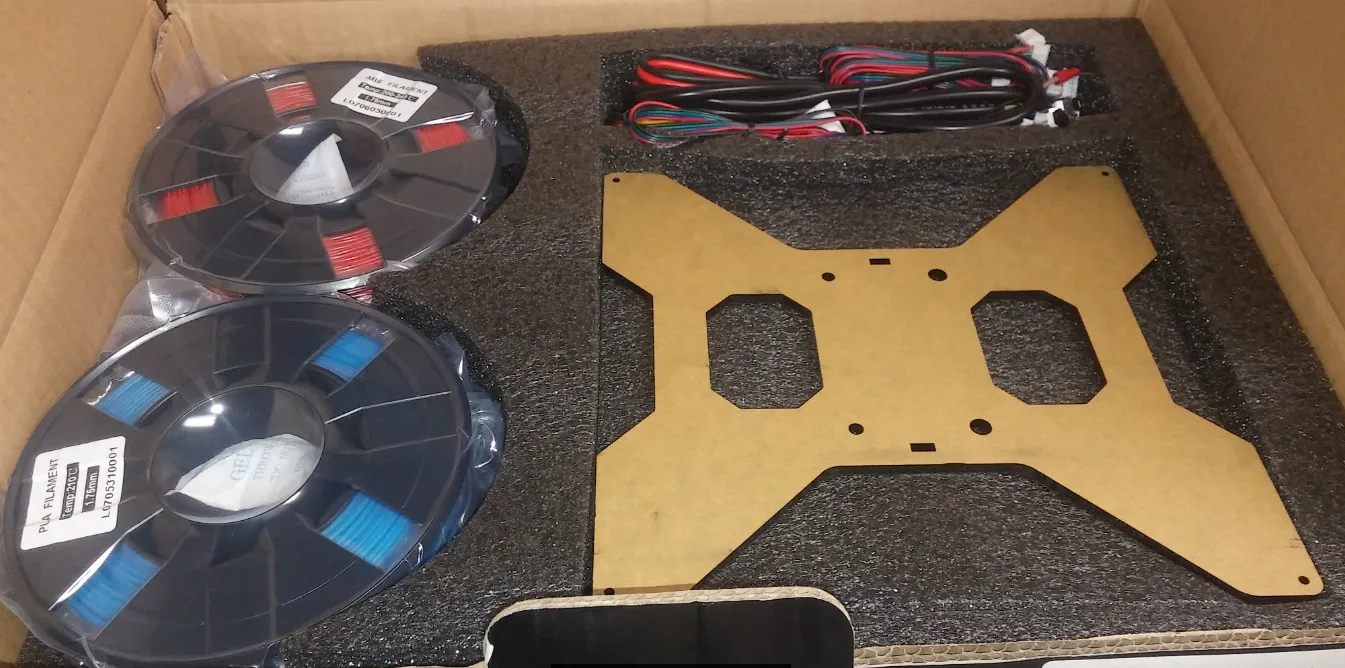
Top 5 Facts About the Tevo Tarantula Dual Extruder
The Tevo Tarantula has gained popularity among 3D printing enthusiasts for its affordability and ease of use. The dual extruder variant adds a layer of complexity and capability, opening doors to multi-color or multi-material prints. This review delves into the top five facts you need to know about the Tevo Tarantula Dual Extruder, helping you decide if it’s the right machine for your 3D printing needs. We’ll explore its advantages, features, setup process, printing performance, and potential drawbacks, providing a comprehensive overview to assist you in your purchasing decision. This will include understanding the benefits of dual extrusion and how they play a key role in 3D printing.
Fact 1 The Dual Extrusion Advantage
Dual extrusion technology is a significant upgrade, allowing you to print with two different filaments simultaneously. This opens a world of possibilities for creating complex designs with multiple colors or different materials within a single print. The ability to combine materials offers functional advantages, such as printing flexible parts with rigid supports or incorporating dissolvable support structures for intricate designs. Understanding the dual extrusion advantage is key to appreciating the value of the Tevo Tarantula Dual Extruder. Dual extrusion expands the creative and functional potential of 3D printing, enabling the creation of more sophisticated and versatile objects.
Understanding Dual Extrusion

Dual extrusion involves two separate nozzles that can independently deposit filament onto the print bed. This allows for the use of two different colors of filament in the same print, or the combination of two different materials. The printer’s software controls which nozzle is active at any given time, switching between them as needed to deposit the appropriate material. This capability is essential for creating complex designs and functional parts that require multiple materials. Understanding how this process works is crucial for maximizing the capabilities of the Tevo Tarantula Dual Extruder, including the initial setup and subsequent operations.
Benefits of Dual Extrusion
The benefits of dual extrusion extend beyond aesthetic appeal. You can print models with two or more colors or materials, allowing for complex geometries and detailed parts. Dissolvable supports, for example, enable printing of intricate internal features that would be impossible with a single extruder. This technology also provides advantages in functionality, such as using flexible materials alongside rigid ones. With the dual extruder, you can explore creative possibilities in 3D printing. Imagine being able to print with multiple colors without having to stop the process, or creating parts with flexible and rigid components in one go, saving both time and effort.
Fact 2 Tevo Tarantula Dual Extruder Features
The Tevo Tarantula Dual Extruder boasts several features that make it appealing to both beginners and experienced users. These features often include heated bed for better material adhesion, a robust frame for stability, and open-source firmware that allows for customization. Furthermore, the dual extruder setup often involves a direct-drive system, improving the printer’s ability to handle flexible filaments. Detailed examination of these components is crucial for understanding the overall quality and potential of the printer, which is the key for any Tevo Tarantula Dual Extruder review.
Extruder Specifications

Key specifications include the nozzle size, heating capabilities, and the types of filaments it can handle. The Tevo Tarantula often uses standard MK8 nozzles, which are easily replaceable and available in various sizes to accommodate different printing requirements. The hot end is typically capable of reaching temperatures suitable for printing common materials like PLA, ABS, and PETG. The ability to handle various filament types is crucial, as it broadens the scope of projects you can undertake. Checking the extruder specifications ensures that it meets your printing needs, considering both the types of materials you plan to use and the level of detail required for your prints.
Build Volume and Capabilities
The build volume of the Tevo Tarantula Dual Extruder dictates the maximum size of objects you can print. Understanding the build volume allows you to determine if the printer is suitable for your projects. The Tevo Tarantula typically provides a generous build area, which is suitable for a variety of projects. Beyond the physical dimensions, the printer’s capabilities extend to factors such as print speed, layer resolution, and the materials it can handle. The combination of these factors contributes to the overall versatility and suitability of the printer for different applications, making it suitable for both hobbyists and those requiring functional parts.
Fact 3 Assembly and Setup
Assembly of the Tevo Tarantula Dual Extruder is an essential part of the user experience. While it may require some time and patience, following the instructions carefully is the key to a successful setup. The process involves assembling the frame, attaching the components, and connecting the electronics. Proper assembly ensures the printer’s structural integrity and optimal performance. While not overly complex, attention to detail is important. This is especially true for the dual extruder setup, where alignment and calibration play a crucial role in achieving high-quality prints. This aspect often is an integral part of many Tevo Tarantula Dual Extruder reviews.
Initial Setup Process

The initial setup process involves assembling the printer’s frame, attaching the various components such as the heated bed, the extruder, and the control board, and connecting the necessary wiring. The dual extruder setup typically involves mounting two extruders, and ensuring they are properly aligned and leveled. Careful attention to the instructions provided is essential at this stage. Reviewing the steps and cross-referencing them with available online resources, such as videos, will make it easier to assemble correctly. Correct wiring and secure connections are critical for the printer’s performance and safety. This setup prepares the printer for the crucial calibration and leveling steps.
Calibration and Leveling
Calibration and leveling are crucial steps to ensure the first layer of your prints adheres correctly to the bed. This usually involves adjusting the bed height and the nozzle position to ensure the correct distance between the nozzle and the print bed. Proper calibration is vital for avoiding common printing issues such as warping and poor adhesion. Many Tevo Tarantula models include an auto-leveling feature that simplifies this process, using a sensor to automatically adjust the bed height. Careful attention to these steps during initial setup greatly enhances print quality, setting the stage for successful projects.
Fact 4 Printing Performance
Printing performance is at the core of any 3D printer review, and it encompasses print quality, speed, and material compatibility. Understanding these aspects helps you determine if the Tevo Tarantula Dual Extruder meets your expectations. Print quality refers to the level of detail and smoothness of the finished prints. Print speed is the rate at which the printer can deposit filament. Material compatibility indicates the types of filaments the printer can handle, such as PLA, ABS, and PETG. The combined impact of these factors contributes to the overall usability and satisfaction of the 3D printing experience.
Print Quality and Speed

Print quality is directly affected by factors such as layer height, nozzle size, and the accuracy of the printer’s movements. The Tevo Tarantula can achieve a reasonable level of detail, particularly with the correct settings and proper calibration. However, the print quality also depends on the material used and the design complexity. Print speed is another important factor to consider, and it determines how quickly you can complete your projects. The Tevo Tarantula provides a good balance of speed and quality, making it suitable for various applications. Experimenting with different settings will help you find the optimal balance for each specific print job.
Material Compatibility
The ability to print with different materials adds significant versatility. The Tevo Tarantula can typically handle a wide range of filaments, including PLA, ABS, PETG, and flexible materials like TPU. The heated bed is important for printing with ABS and PETG, as it helps with bed adhesion and reduces warping. Careful selection of the right material for the project is necessary, and you will need to consider its properties, such as strength, flexibility, and heat resistance. Understanding the printer’s material compatibility allows you to select the best filament for each project, maximizing its potential and ensuring optimal print results.
Fact 5 Pros and Cons
Every 3D printer has its advantages and disadvantages. Reviewing these aspects helps you to assess the overall value of the Tevo Tarantula Dual Extruder. The benefits include the ability to print with multiple colors or materials, which improves the versatility and potential of the 3D prints. Potential downsides might include the complexity of dual-extrusion setups or the need for frequent calibration. A balanced assessment of pros and cons will assist in making an informed purchasing decision. This also includes how it compares to other 3D printers. Understanding these factors can assist you in making a final determination.
Advantages of the Tevo Tarantula Dual Extruder

The main advantages of the Tevo Tarantula Dual Extruder include the ability to print with multiple colors or materials. It allows for complex designs with dissolvable supports. The open-source nature of the printer provides for customization and modification. The cost-effectiveness is important. Considering the features and capabilities, the Tevo Tarantula offers a good value for its price. It’s a good starting point for both beginners and experienced users. It’s an option for those seeking advanced printing capabilities without a large financial investment. With the dual extruder, you can explore creative possibilities in 3D printing.
Disadvantages and Limitations
Potential disadvantages might include the need for careful calibration and setup, particularly with dual-extrusion systems. The open-source nature of the printer means you need to understand how to maintain and troubleshoot it. Print quality, while generally good, may not match higher-end models. The dual-extrusion setup can add complexity. While the Tevo Tarantula offers many features, it might require some adjustments to achieve optimal performance. It is important to consider these limitations to get a realistic expectation of the printer’s capabilities and to determine if it suits your specific needs. This helps to set realistic expectations about the printer’s potential.
Final Thoughts and Recommendations
The Tevo Tarantula Dual Extruder is a capable 3D printer. Its advantages include dual-extrusion capabilities and its cost-effectiveness. The printer offers a good balance of features and value. When deciding if the Tevo Tarantula Dual Extruder is right for you, consider your experience level, desired features, and budget. For beginners looking to explore multi-color or multi-material printing, the Tevo Tarantula is a good choice. Experienced users can appreciate its customization potential and open-source nature. The Tevo Tarantula offers a comprehensive solution for those who are serious about getting into 3D printing. Remember to review other Tevo Tarantula Dual Extruder reviews to determine if this is a good fit.