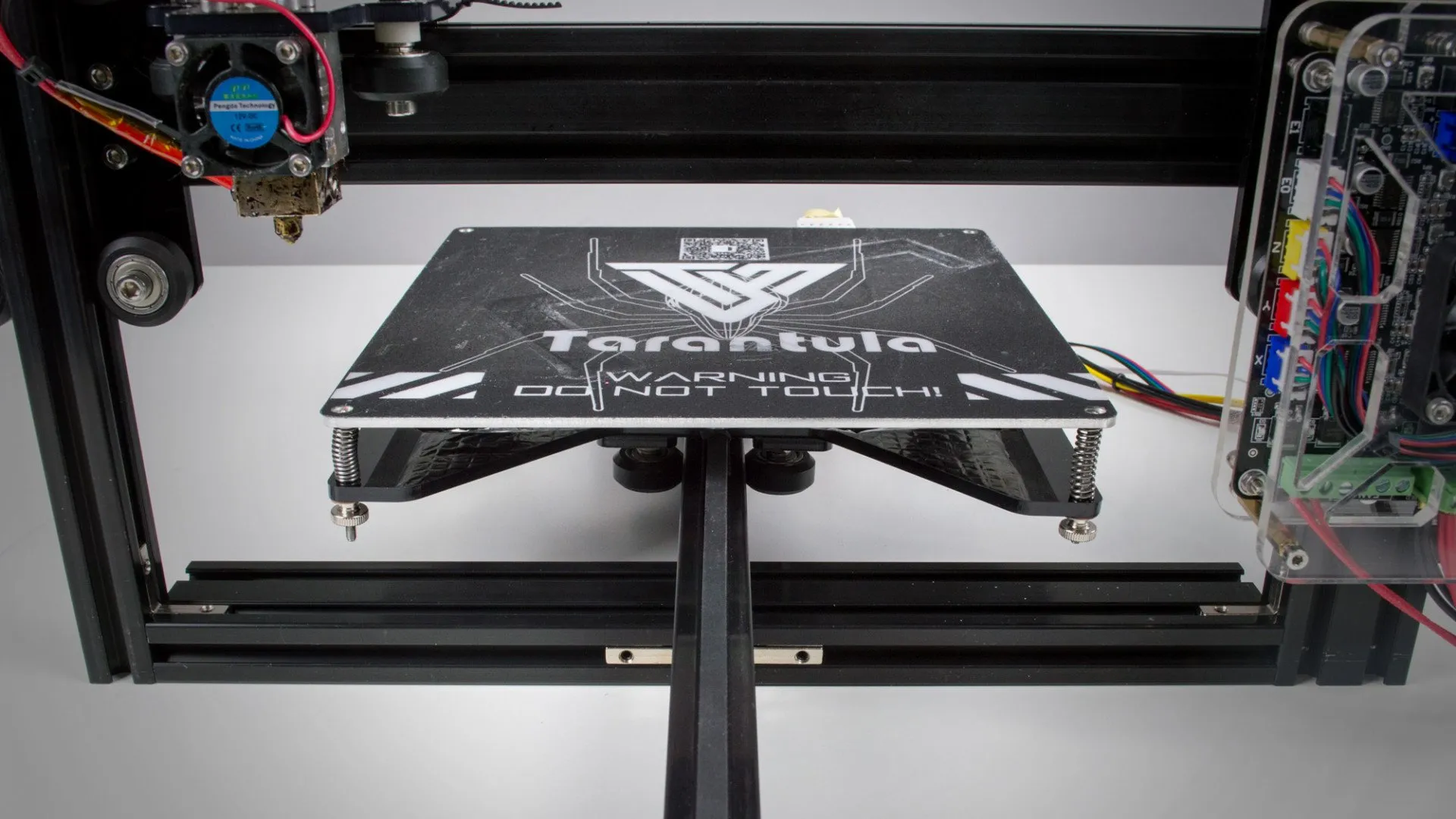
Tevo Tarantula Driver for Windows 10 Understanding
The Tevo Tarantula is a popular DIY 3D printer, and to operate it effectively on your Windows 10 system, you need the correct drivers. These drivers act as a crucial bridge, enabling your computer to communicate with the printer and interpret the instructions needed to build your 3D models. Without these drivers, your computer won’t recognize the printer, and you won’t be able to send print jobs. Understanding the function of these drivers is the first step in ensuring a smooth and successful 3D printing experience. They facilitate data transfer, control the printer’s movements, and allow you to adjust settings to achieve the desired print quality. Making sure your drivers are up to date is also key for optimal performance and compatibility.
Why is Tevo Tarantula Driver Installation Important
The Tevo Tarantula driver installation is vital for several reasons. First and foremost, it allows your Windows 10 operating system to recognize and interact with the 3D printer. Without the correct drivers, the printer will remain offline, and you won’t be able to send print jobs or control its functions. Secondly, the drivers ensure that data is transmitted accurately between your computer and the printer, which affects print quality and overall performance. Moreover, installing the appropriate drivers ensures that your printer is compatible with your operating system. Outdated or incorrect drivers can lead to printing errors, connectivity issues, and potentially damage the printer. Furthermore, regular driver updates often include performance improvements and bug fixes, which optimize the printing process. It is important to keep your drivers up to date for a stable and reliable printing experience.
Troubleshooting Common Driver Issues

Encountering driver problems with your Tevo Tarantula on Windows 10 is not uncommon, but thankfully, most issues can be resolved with a few troubleshooting steps. One common problem is the printer not being recognized by the computer. If your computer doesn’t detect the printer, start by checking the USB cable connection. Ensure the cable is securely plugged into both the printer and the computer, and try using a different USB port. If the issue persists, reinstalling the driver is often a good solution. Download the latest driver from the Tevo website and follow the installation steps. Another issue might involve print errors or distorted prints. This can often be caused by outdated drivers. Go to the Device Manager in Windows, find the Tevo Tarantula under the ‘Printers’ section, and update the driver by right-clicking on it. If none of these steps work, consider checking the printer’s firmware and updating it. This ensures that both your printer and driver work together smoothly.
Tevo Tarantula Driver Install Tip 1 Download Correct Driver
Downloading the correct driver is the first and most crucial step in getting your Tevo Tarantula 3D printer working on Windows 10. Incorrect drivers can lead to compatibility issues, print errors, and potential hardware problems. Always visit the official Tevo website or a trusted source to download the drivers. Be sure to select the driver that matches your specific Tevo Tarantula model, as different versions may have unique requirements. Avoid downloading drivers from unknown or untrusted sites to prevent malware or corrupted files. When downloading, double-check that the driver is compatible with your Windows 10 operating system; both 32-bit and 64-bit versions are available. After downloading the driver, save it to a safe location on your computer, such as your Downloads folder, for easy access during the installation process. Taking these precautions ensures that you have the right software to properly operate your printer.
How to Download the Right Driver
To download the correct driver for your Tevo Tarantula, start by going to the official Tevo website or a reputable download source. Look for a ‘Support’ or ‘Downloads’ section, where you should find drivers listed for various products. Identify the specific model of your Tevo Tarantula; the driver name will usually include the model number. Make sure you select the driver that is compatible with Windows 10. This will be clearly stated on the download page. There might be different versions of the driver for 32-bit or 64-bit versions of Windows 10. Determine your operating system’s architecture (you can find this in your system settings) and download the appropriate driver. Once you’ve located the correct driver, click the download link. Save the file to a convenient location on your computer, and keep the file for future reference. If you have any issues, consult the documentation provided on the website or contact Tevo support for assistance.
Verifying Driver Compatibility

Verifying driver compatibility is a critical step to ensure your Tevo Tarantula 3D printer functions properly with Windows 10. After downloading the driver, double-check that it’s specifically designed for Windows 10. The driver details should explicitly mention Windows 10 compatibility. You can usually find this information on the download page or within the driver files themselves. Before installing, make sure your operating system is up to date. Navigate to Windows Update in your system settings and install any available updates. These updates often include improvements and patches that can enhance driver compatibility. If the driver is from an older source, it might not fully support the latest Windows 10 updates; in such cases, search for the newest version. If you’re unsure, always check the Tevo website for the most recent compatible drivers. Successfully verifying driver compatibility prevents potential conflicts and ensures a stable and reliable printing experience.
Tevo Tarantula Driver Install Tip 2 Connecting Your Printer
Connecting your Tevo Tarantula 3D printer to your Windows 10 computer correctly is essential for successful printing. The most common method is via a USB cable. Ensure the USB cable is plugged securely into both the printer and your computer. Sometimes, a faulty cable can cause connection problems, so try a different USB cable if the printer isn’t recognized. Also, experiment with different USB ports on your computer, as some ports may have issues with device recognition. Before connecting, make sure the printer is powered on. After connecting, Windows 10 should ideally detect the printer and start installing the drivers automatically. If this does not happen, you’ll need to install the driver manually, which you downloaded earlier. Following this step ensures that the computer can communicate with the printer, allowing you to send print jobs and monitor the printing progress.
USB Connection Best Practices
For a reliable USB connection with your Tevo Tarantula, use a high-quality USB cable. This minimizes the chances of connection dropouts or data transfer errors. It’s best to use a USB cable that is shorter rather than a very long one; shorter cables are less susceptible to signal degradation. Before connecting the printer, make sure the USB cable is not damaged. Check for any physical damage, such as frayed wires or broken connectors. If you encounter connectivity issues, try a different USB port on your computer. USB ports can sometimes have issues, so switching to another port can resolve the problem. Once the printer is connected and the drivers are installed, it’s recommended that you do not unplug the USB cable during a print job. Doing so can interrupt the printing process and potentially cause issues. Following these best practices contributes to stable and efficient 3D printing.
Network Setup Considerations

Although USB is the most common method, you might consider connecting your Tevo Tarantula via a network if your printer supports it. Check your printer’s documentation to see if it offers network connectivity. A network setup allows you to send print jobs wirelessly, which can be very convenient. To set up the network, ensure your printer and computer are connected to the same Wi-Fi network. You might need to configure the printer’s network settings through its control panel or the software provided. During the network setup, you may need to install the printer’s network driver. This is usually separate from the standard USB driver and designed for network communications. Once the network connection is established, you can print from any computer on your network that has the appropriate software installed. If you experience any issues, double-check your network settings, including your printer’s IP address and network mask.
Tevo Tarantula Driver Install Tip 3 Driver Installation Process
The driver installation process is straightforward once you have the correct driver downloaded and the printer connected. Locate the driver file you downloaded earlier. Usually, this file will be an executable (.exe) file. Double-click the file to start the installation. Follow the on-screen instructions provided by the installation wizard. These instructions will guide you through the process. You may be prompted to accept the terms and conditions, select the installation location, and choose the printer model. During the installation, make sure your printer is powered on and connected to your computer via USB. The installer will automatically detect the connected printer. If the installer asks you to choose a printer port, select the appropriate one. This usually involves selecting the USB port to which the printer is connected. Once the installation is complete, restart your computer to ensure the drivers are fully loaded and ready for use. After rebooting, you should be able to see your printer in the ‘Printers & Scanners’ settings in Windows.
Step by Step Driver Installation Guide
Here’s a step-by-step guide to install the Tevo Tarantula driver. First, find the downloaded driver file, usually an .exe file. Double-click it to start the installation. Next, the installation wizard will appear. Follow the prompts, accepting the terms and conditions if necessary. The wizard may ask you to select the printer model. Choose your specific Tevo Tarantula model. Make sure your printer is connected and powered on before you continue. During the installation, the wizard will ask you to select a printer port. Select the USB port that your printer is connected to. The installation process may take a few minutes. Once it’s complete, the wizard will confirm successful installation. Finally, restart your computer. This ensures that all the newly installed drivers are fully loaded and the printer is recognized. After restarting, go to ‘Printers & Scanners’ in your Windows settings to confirm that your Tevo Tarantula is listed and ready to use.
Addressing Installation Errors

Encountering errors during the Tevo Tarantula driver installation can be frustrating, but many can be easily resolved. If the installation fails, first ensure that you have administrator privileges on your computer. Some installations require these rights. Try running the installer as an administrator by right-clicking on the installer file and selecting ‘Run as administrator.’ If the installation is still failing, temporarily disable your antivirus software. Antivirus programs can sometimes interfere with driver installations. After the installation, remember to re-enable your antivirus. Check your computer’s USB ports. Try a different USB port. A faulty or unsupported USB port may also cause installation issues. If you see a specific error message, search online for the message. Others may have experienced the same problem and shared solutions. If the errors persist, consider downloading the latest driver from the Tevo website or contacting Tevo support for assistance.
Tevo Tarantula Driver Install Tip 4 Configuring Printer Settings
Once the Tevo Tarantula driver is installed, configuring your printer settings is the next step to ensure optimal performance. You can access the print settings through the ‘Printers & Scanners’ section in your Windows settings or directly from the printing software you are using. Within the settings, you can configure various options, such as paper size, print quality, and orientation. For 3D printing, the settings will vary depending on the slicing software you use. Make sure your slicing software is correctly configured to work with the Tevo Tarantula. In the software, you’ll likely set print bed size, nozzle size, and filament type. Also, you might need to calibrate the printer’s bed to ensure the first layer adheres properly. Experimenting with different settings is key to achieving the best results. Start with the recommended settings for your filament and printer, and gradually adjust them until you get the desired print quality. Regularly check and adjust these settings to optimize your 3D printing projects.
Understanding Print Preferences
Understanding print preferences is essential for getting the most out of your Tevo Tarantula 3D printer. In the print settings, you will find various options that control the printing process. Print quality settings can significantly affect the final appearance of your prints. Higher quality settings often mean finer layer lines but may also increase print time. Speed settings determine how fast the printer moves. Higher speeds can speed up your prints but might reduce quality. Infill density specifies how solid the inside of your prints will be. Higher infill creates stronger prints but uses more material. You can set these preferences within your slicing software before sending the print job to your printer. Experimenting with these settings is important to learn how they affect your prints. For example, a slow first layer speed helps with bed adhesion, and adjusting the nozzle temperature optimizes material flow.
Testing Your Printer

After installing the driver and configuring your settings, it’s crucial to test your Tevo Tarantula to ensure everything works as expected. Start with a simple test print, such as a small calibration cube or a basic geometric shape. Use the settings that you’ve selected in the previous step and carefully monitor the first layer adhesion. If the print doesn’t stick to the bed, adjust your bed level and nozzle temperature. Observe the printing process to check for any irregularities, such as extruder issues or layer shifting. If you experience any issues, consult the printer’s manual or online resources for troubleshooting tips. Make notes of the print settings used and the results. Repeat these test prints with slight modifications in the settings, such as layer height, infill, and print speed. By testing your printer, you will learn its capabilities, refine your printing process, and troubleshoot any potential problems efficiently.
Tevo Tarantula Driver Install Tip 5 Firmware Updates and Maintenance
Regularly updating the firmware and performing maintenance on your Tevo Tarantula is key for ensuring optimal performance and extending the lifespan of your 3D printer. Firmware updates often include bug fixes, performance improvements, and new features. To update the firmware, you usually need to download it from the Tevo website, connect your printer to your computer, and use specific software to flash the new firmware onto your printer’s control board. Always follow the manufacturer’s instructions carefully during the firmware update process. Maintenance tasks include checking and cleaning the printer’s components regularly. Clean the print bed, nozzle, and other parts to remove any debris. Lubricate the moving parts, such as the rods and bearings, to keep them running smoothly. Inspect the belts for wear and tear, and tighten them as needed. Proper maintenance will prevent wear and tear on your printer and keep it running at its best. By combining firmware updates with regular maintenance, you’ll maintain your Tevo Tarantula.
Checking for Firmware Updates
To check for firmware updates for your Tevo Tarantula, visit the official Tevo website and navigate to the ‘Support’ or ‘Downloads’ section. Look for the firmware updates specifically designed for your printer model. The website will usually list the latest firmware versions and provide details about the updates, such as bug fixes or new features. Some printer models have built-in features to check for updates directly from the printer’s control panel. Follow the manufacturer’s instructions for downloading and installing the new firmware. Make sure your printer is connected to your computer or network correctly before starting the update process. Before installing the firmware, it is a good practice to back up your current settings. Firmware updates can sometimes reset printer settings, so having a backup can save you time. By staying up-to-date with the latest firmware, you will ensure that your printer benefits from improvements.
Regular Maintenance Tasks

Performing regular maintenance tasks is crucial for keeping your Tevo Tarantula 3D printer running smoothly and efficiently. Start by cleaning the print bed thoroughly after each print. Use isopropyl alcohol to remove any residue and ensure that the bed is clean for the next print. Regularly inspect the nozzle and hot end for any clogs or material buildup. Clean the nozzle using a needle or specialized cleaning tool, and ensure the hot end is free of any obstructions. Lubricate the moving parts, such as the lead screws, rods, and bearings, with a suitable lubricant. This helps reduce friction and wear, extending the lifespan of your printer. Check and tighten the belts. Loose belts can affect print quality and lead to inaccuracies. Regularly inspect the printer’s frame and components for any loose screws or damage. Tighten any loose screws and replace any damaged parts promptly. By adhering to these regular maintenance tasks, you can prevent breakdowns.
Conclusion
Installing the Tevo Tarantula driver on Windows 10 is essential for unlocking the full potential of your 3D printer. By understanding the importance of drivers, following the correct installation steps, configuring your print settings, and performing regular maintenance, you will ensure a smooth and reliable printing experience. Remember to always download the latest drivers from a trusted source, connect your printer correctly, and configure your settings for the best results. Troubleshooting any issues that may arise and keeping your printer maintained are also key to its longevity. By following the tips and steps, you can set up your Tevo Tarantula 3D printer with ease. With the right setup and ongoing care, your Tevo Tarantula will become a valuable tool for your creative projects. Happy printing!