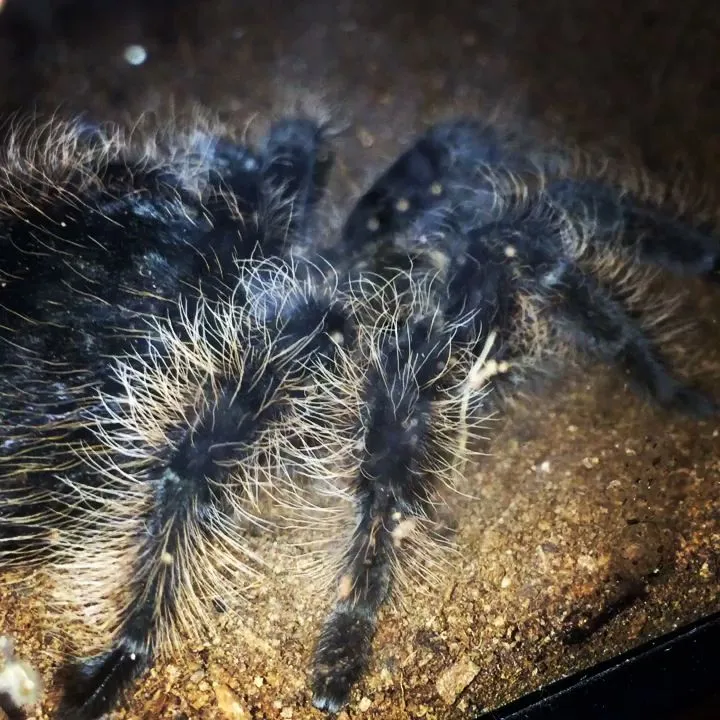
Tarantulas Top 5 Facts You Need to Know
Tarantulas, with their hairy legs and imposing size, often capture the attention of both arachnid enthusiasts and those who are simply curious. These fascinating creatures have captivated the world, and understanding their unique characteristics can transform how we perceive these often-misunderstood animals. This article delves into five essential facts about tarantulas, providing valuable insights into their biology, behavior, and the world they inhabit. Whether you’re a seasoned tarantula owner or just starting your research, this article will provide you with valuable insights into these amazing creatures.
What is a Tarantula?
Before we dive into specific facts, let’s establish a baseline understanding of what a tarantula actually is. Tarantulas are a group of large and often hairy spiders belonging to the Theraphosidae family. They are found in various habitats worldwide, from deserts to rainforests. Known for their size and imposing appearance, tarantulas are a diverse group of spiders, with hundreds of different species. They are not typically considered dangerous to humans, though their bites can be painful. These creatures play an important role in their ecosystems, helping to control insect populations. Understanding these fundamental aspects is key to appreciating the more detailed facts presented below.
Tarantula Overview

Tarantulas are generally nocturnal hunters, meaning they are most active during the night. They use their fangs to inject venom into their prey, which typically consists of insects, other invertebrates, and sometimes small vertebrates. Their lifespan varies greatly depending on the species and sex, with females often living much longer than males. Because of their unique characteristics, tarantulas have become increasingly popular as pets, but responsible ownership requires a thorough understanding of their needs and behaviors. This overview provides a crucial foundation for the more detailed facts that follow.
Different species of tarantulas come in a wide array of sizes and colors. Some, like the Goliath Birdeater, are among the largest spiders in the world, with leg spans reaching over 10 inches. Colors range from the deep blues of the Cobalt Blue Tarantula to the vibrant reds and oranges of the Mexican Red Knee Tarantula. Their size and colors are often determined by their habitat, with some species using their coloration for camouflage. For example, ground-dwelling tarantulas often have earth-toned colors to blend in with the soil and leaf litter, while arboreal species may have brighter colors to match the plants they live on. (Image: tarantula-overview.webp)
Fact 1: Tarantulas are Arachnids
The first essential fact is that tarantulas are arachnids, a class of arthropods that also includes spiders, scorpions, mites, and ticks. This means they share key characteristics, such as having eight legs, two body segments (cephalothorax and abdomen), and the absence of antennae. Understanding this classification helps to place tarantulas within the broader context of the animal kingdom and recognize their evolutionary relationships. Being arachnids also influences the ways they behave, eat, and interact with their environment.
Understanding Arachnids
Arachnids are characterized by a body divided into two main parts: the cephalothorax (the fused head and thorax) and the abdomen. They also possess specialized appendages called chelicerae, which are often used for feeding, and pedipalps, which serve various functions such as sensing and manipulating objects. Arachnids lack the antennae found on insects, relying instead on other sensory organs, such as sensory hairs and slit sensilla, to perceive their surroundings. This fundamental body plan is consistent across a wide range of arachnid species, highlighting the evolutionary success of this group.
Tarantula’s Body Structure

Specifically, a tarantula’s cephalothorax houses its eyes, mouthparts, and legs. The abdomen contains the digestive and reproductive organs, as well as the spinnerets used to produce silk. Their bodies are covered in a tough exoskeleton made of chitin, which provides protection but also limits growth, leading to the molting process described later. The size of a tarantula’s body and legs can be significantly different depending on the species. The chelicerae, which are located near the mouth, are the tarantula’s fangs, used to inject venom into prey. The tarantula’s body plan is optimized for its predatory lifestyle. (Image: tarantula-arachnid.webp)
Fact 2: Tarantulas Have Venom
All tarantulas possess venom, which they use to subdue their prey. However, their venom is generally not considered lethal to humans, although it can cause localized pain, swelling, and discomfort. The potency of the venom varies between different species, but typically, it’s not a significant threat. The venom’s primary function is to immobilize or kill insects and other small creatures that tarantulas feed on. This defense mechanism is essential for their survival in the wild.
Tarantula Venom Effects
When a tarantula bites, it injects venom through its fangs. The effects of the venom can vary, but typically involve pain, redness, and swelling around the bite site. Some people may experience muscle cramps, nausea, or a general feeling of unease. Severe reactions are rare, and the symptoms usually subside within a few hours or days. It’s important to note that the psychological impact of being bitten by a tarantula can sometimes be more significant than the physical effects.
Tarantula Safety
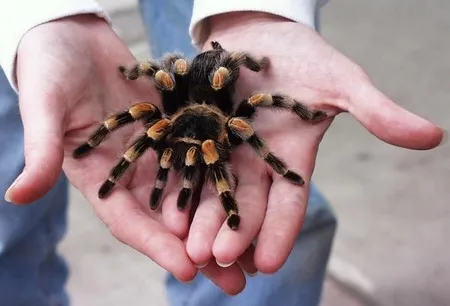
While tarantula bites are generally not life-threatening to humans, precautions should be taken when handling these spiders. Avoid provoking a tarantula, and never handle one unless you have experience and know the species. If bitten, clean the wound thoroughly and monitor for any signs of a severe reaction. It is always best to consult a medical professional if you experience any unusual symptoms following a bite. Proper handling techniques and respect for the animal are key to minimizing the risk of being bitten. (Image: tarantula-venom.webp)
Fact 3: Tarantulas Shed Their Skin
Tarantulas, like all arachnids, undergo a process called molting, where they shed their exoskeleton to grow. This is a crucial part of their life cycle. As they grow, their rigid exoskeleton restricts their size. Molting allows them to shed this outer layer and develop a new, larger one. During this process, the tarantula is particularly vulnerable, as its new exoskeleton is soft and its defenses are compromised. It’s a fascinating and essential survival mechanism.
The Molting Process
Molting involves the formation of a new exoskeleton beneath the old one. The tarantula will often stop eating and become less active before molting. It then splits its old exoskeleton, usually along the cephalothorax, and wriggles out. The process can take several hours, and during this time, the tarantula is extremely vulnerable. The new exoskeleton is initially soft and flexible, gradually hardening over the next few days or weeks. After molting, the tarantula’s colors may appear brighter, and its overall size will have increased.
Frequency of Molting

The frequency of molting depends on the tarantula’s age and growth rate. Young tarantulas molt more frequently, sometimes several times a year, while older, adult tarantulas molt less often, possibly only once a year or less. The molting process is a significant event in a tarantula’s life, marking growth and development. Careful observation of a tarantula’s behavior can help owners anticipate when a molt is approaching, allowing for appropriate care and minimal disturbance. (Image: tarantula-molting.webp)
Fact 4: Tarantulas Eat Insects
The diet of a tarantula primarily consists of insects. They are opportunistic predators, meaning they will eat whatever prey they can catch. They hunt by ambushing their prey or actively pursuing it. Their powerful fangs and venom are used to subdue their prey, which can range from crickets and mealworms to larger insects and even small vertebrates. Understanding a tarantula’s diet is important for providing proper care in captivity.
Tarantula Diet in the Wild
In the wild, tarantulas eat a variety of insects, including crickets, grasshoppers, beetles, and other invertebrates. Some larger species may also prey on small vertebrates, such as lizards, mice, and small birds. Their diet varies depending on their habitat and the availability of prey. They are skilled hunters, using their excellent eyesight and sensitive hairs to detect movement and vibrations, enabling them to capture their meals. They will also scavenge when needed.
Feeding Tarantulas in Captivity

In captivity, tarantulas are typically fed a diet of commercially available insects, such as crickets, mealworms, and roaches. The size and type of insects should be appropriate for the size of the tarantula. Overfeeding can lead to health problems, so it’s important to feed them according to their needs. Provide fresh water regularly. Removing uneaten food prevents mold growth and keeps the enclosure clean and healthy. A balanced diet ensures your pet’s health. (Image: tarantula-diet.webp)
Fact 5: Tarantulas Can Live Long
One of the most remarkable facts about tarantulas is their longevity. Some species can live for many years, even decades, making them a long-term commitment as pets. Female tarantulas typically live much longer than males. This long lifespan requires a dedicated owner who is prepared to provide appropriate care throughout the animal’s life. Considering their lifespan is a critical factor when considering a tarantula as a pet.
Lifespan of Different Tarantula Species
The lifespan of a tarantula varies depending on the species and sex. Female tarantulas of some species, such as the Chilean Rose Hair, can live for over 20 years, and even longer. Male tarantulas, on the other hand, typically have shorter lifespans, often only living for a few years after reaching maturity. Environmental factors, such as temperature and humidity, can also affect a tarantula’s lifespan. Selecting a species with a manageable lifespan is an essential consideration for any potential owner.
Factors Affecting Lifespan

Several factors influence a tarantula’s lifespan. Proper care, including appropriate temperature, humidity, and diet, is crucial. Stress, poor handling, and exposure to toxins can shorten their lifespan. Genetics and species also play a significant role. Understanding these factors can help owners provide the best possible care and extend the lifespan of their tarantulas. Regular observation of the tarantula’s behavior and health is important for identifying any potential issues early on. (Image: tarantula-lifespan.webp)
In summary, tarantulas are fascinating creatures with several remarkable characteristics. Knowing these five essential facts – that they are arachnids, possess venom, shed their skin, eat insects, and can live a long time – gives a solid understanding of these unique animals. Whether you are considering owning a tarantula, or simply fascinated by them, appreciating these facts gives a greater insight into their biology and behavior. These facts demonstrate how unique they are.
If you are considering buying a tarantula from a pet shop (tarantula-petshop.webp), be sure to do your research about the specific species. Ensure the pet shop is reputable and the tarantula is healthy. Preparing the right enclosure with the proper substrate, temperature, and humidity is crucial. Feeding them appropriately, providing fresh water, and handling them with care are also important. Owning a tarantula can be a rewarding experience, and these facts serve as a great starting point.