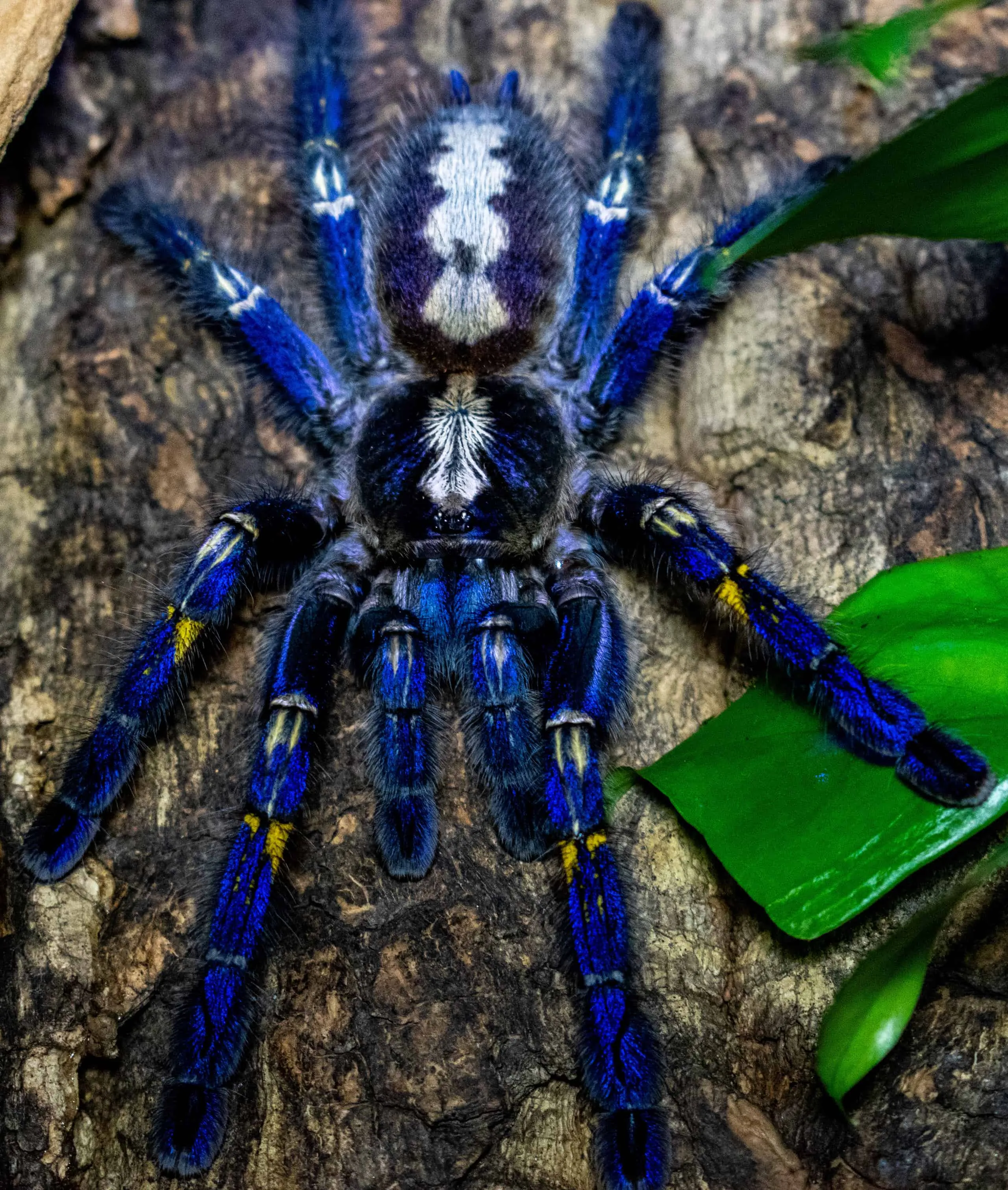
What are Tarantulas
Tarantulas, belonging to the Theraphosidae family, are large and hairy spiders known for their impressive size and diverse habitats. These arachnids are a fascinating group of creatures, captivating both scientists and enthusiasts with their unique characteristics. They are primarily nocturnal hunters, using their fangs to subdue prey and their sensory hairs to detect movement. Tarantulas are found on almost every continent and they play an important role in their ecosystems, helping to control insect populations. Understanding these remarkable creatures involves exploring their appearance, behavior, and the various aspects that make them such intriguing subjects of study. Their longevity, often exceeding a decade, and their complex life cycles further add to the allure of tarantulas, making them a captivating subject of study and admiration.
Tarantulas in Greece
Greece, with its diverse landscapes and Mediterranean climate, provides a suitable environment for various tarantula species. While not as diverse as some tropical regions, the presence of tarantulas in Greece offers a unique insight into the adaptation of these spiders to a more temperate climate. The rocky terrains, dry scrublands, and coastal areas of Greece create microhabitats that support the tarantulas’ survival. Observing tarantulas in Greece allows one to study their behavior in relation to their environment, which is different from more tropical climates. The variations in the Greek landscape also contribute to the study of the different species and their specific adaptations. Overall, the study of tarantulas in Greece provides a valuable perspective on arachnid diversity and its response to varied environmental conditions.
Common Tarantula Species Found in Greece

The most commonly encountered tarantula species in Greece is the Mediterranean tarantula (Lycosa tarantula). Other species might be present but are less documented or more localized. The Mediterranean tarantula, named for the region it inhabits, is known for its relatively large size and characteristic markings. It is typically found in the southern parts of Europe, including Greece. These spiders are ground-dwelling creatures, creating burrows in the soil where they spend most of their time, ambushing prey that come within reach. The study of the species’ distribution in Greece is key to understanding the overall arachnid diversity and environmental health, considering that tarantula populations can reflect changes within their ecosystem, making them a valuable indicator of environmental health. Identifying and studying these species helps in understanding their role and contributions to the ecosystem.
The Mediterranean Tarantula
The Mediterranean tarantula, as mentioned, is the primary tarantula species found in Greece. This spider is not native to Greece alone; it also populates other areas around the Mediterranean Sea. This species is characterized by its robust build, hairy legs, and a distinct pattern of markings on its body. These markings usually include a combination of brown, gray, and sometimes reddish hues, allowing it to blend with the environment. The Mediterranean tarantula plays a key role in its local ecosystem, as it helps maintain the insect populations, which in turn influences other creatures. The study of their life cycle, hunting behaviors, and their specific habitat requirements is crucial for understanding their overall role in their ecological systems. Protecting their habitats is vital for the preservation of this species.
Appearance and Characteristics
Mediterranean tarantulas are easily recognizable by their size and appearance. They can grow to a considerable size, with a leg span that can reach up to 10 cm or more. Their bodies are typically covered in dense hairs, which serve a sensory function, allowing them to detect vibrations in their environment. The coloration of the Mediterranean tarantula is usually a combination of browns and grays, helping them camouflage effectively within their surroundings. The chelicerae (fangs) are prominent and used for both capturing prey and defense. Understanding the physical characteristics of these spiders provides insights into their lifestyle and survival strategies. The coloration is also an adaptation that allows them to blend into their surroundings, aiding in both hunting and avoiding predators. The hairs help them detect prey and sense movement, ensuring their survival in their natural habitat.
Habitat and Distribution

The Mediterranean tarantula is primarily found in the Mediterranean region, including Greece. They favor dry, open habitats, such as grasslands, scrublands, and even agricultural areas. These spiders are burrowing creatures, constructing their homes in the soil, where they stay for most of the time, emerging at night for hunting. Their distribution is closely tied to the climate and soil conditions that support their burrows and prey base. They prefer undisturbed areas with well-drained soil. The geographical spread of the Mediterranean tarantula is a good indicator of the climate. These arachnids create their burrows in areas where the ground can provide shelter from the sun during the day. This careful selection of habitats is essential for their survival, especially during the hotter months of the year.
Behavior and Lifestyle
Mediterranean tarantulas are primarily nocturnal hunters, preferring to stay hidden during the day and becoming active at night. They are ambush predators, waiting patiently near the entrances of their burrows for unsuspecting prey. Their diet primarily consists of insects, but they may also feed on small vertebrates when available. They typically live solitary lives, with the exception of mating season. These spiders are not particularly aggressive but will defend themselves if threatened. Their lifestyle is heavily influenced by the climate and availability of prey. The nocturnal behavior is an adaptation that helps them avoid predators and hunt more effectively. Their solitary behavior, excluding reproduction, allows them to live independently without competition. Understanding their behavior provides essential details about their role within the ecosystem.
Hunting and Diet
The hunting strategies of Mediterranean tarantulas are well-adapted to their lifestyle. They are ambush predators, waiting for prey to come close before launching a quick attack. Their primary prey includes insects such as grasshoppers, beetles, and crickets. They use their chelicerae to inject venom, which paralyzes the prey, allowing them to consume their meal. The venom is not typically dangerous to humans, with the bite causing localized pain. They are effective hunters, playing a role in controlling insect populations. Their diet is dependent on the availability of insects, which may vary depending on the habitat and seasonal changes. The way they hunt and their dietary preferences provide valuable data about their contribution to the ecosystem. The careful balance between predator and prey is crucial for maintaining the ecosystem’s health.
Reproduction and Life Cycle

The reproduction cycle of Mediterranean tarantulas involves intricate courtship rituals and mating. Males often search for females during mating season, which usually occurs in late summer or early autumn. The female lays her eggs inside a silken egg sac, which she protects and carries until the spiderlings hatch. The spiderlings undergo several molts as they grow, eventually reaching adulthood. The life cycle of these tarantulas can last several years, with females typically living longer than males. Understanding their reproductive behavior provides significant insights into the survival and proliferation of the species. The courtship rituals are elaborate and essential for successful mating. The eggs are guarded, which protects them. The complete molting cycles provide important information about growth stages. Their longevity makes them a fascinating subject.
Top 5 Amazing Facts About Tarantulas in Greece
Fact 1 The Size and Appearance of Tarantulas
Tarantulas in Greece, specifically the Mediterranean tarantula, can grow to impressive sizes. With a leg span that can reach up to 10 centimeters or more, they are among the largest spiders in the region. Their hairy bodies and robust appearance make them easily recognizable. The color variations are mainly browns and grays, allowing them to blend in with their surroundings. This size and appearance are vital for both survival and capturing prey. Their robust appearance also makes them distinctive. The hairy texture helps detect movement, assisting in their ambush hunting strategy.
Fact 2 Venom and Bite of Tarantulas

While tarantulas are venomous, their bite is not considered life-threatening to humans. The venom is primarily used to immobilize their prey. The bite can cause localized pain and discomfort, similar to a bee sting. It is important to note that allergic reactions are possible. The main reaction to the venom is localized, which means that it doesn’t spread throughout the body. This feature is important for dispelling the myths surrounding the tarantulas. The bite is a defensive mechanism, meant to protect themselves from external threats.
Fact 3 Diet and Hunting Techniques
Tarantulas are ambush predators, waiting patiently near their burrows for prey to come within reach. They primarily feed on insects, such as grasshoppers and beetles, using their fangs to inject venom and paralyze their victims. Their hunting strategy is a successful adaptation that allows them to thrive in their environment. They are effective hunters, playing a vital role in controlling insect populations. The spiders wait for prey, increasing their chances of success. They also rely on their sensory hairs to detect movement. The diet is an integral component of their survival.
Fact 4 Habitat and Distribution of Tarantulas
The Mediterranean tarantula prefers dry, open habitats, including grasslands, scrublands, and agricultural areas. They construct burrows in the soil, providing shelter from the elements and protection from predators. Their distribution is closely tied to the climate and soil conditions that support their burrows and prey base. They avoid areas of extreme heat or cold, creating suitable habitats. Their preference for certain conditions is key to their survival. The selection of habitat is essential for all of these spiders.
Fact 5 Tarantulas and Conservation

While not currently considered endangered, tarantula populations can be threatened by habitat loss and human activities. Conservation efforts focus on preserving their habitats and educating the public about these fascinating creatures. They play a vital role in maintaining the balance of the ecosystem. The protection of their habitats is key to their survival. Their role in the ecosystem makes it necessary to protect these habitats. Environmental education is a significant aspect of conservation.
Interactions with Humans
Encounters with tarantulas in Greece are relatively rare, as they are not aggressive and usually avoid contact with humans. The risk of being bitten is low unless the spider feels threatened. Their bites are not considered medically significant. Their natural instinct is to avoid human interaction. They will only bite if they feel threatened. Understanding their behavior helps reduce any misunderstandings. It’s important to appreciate these creatures from a distance and avoid disturbing their habitat.
Safety and Precautions
If you encounter a tarantula in Greece, it’s best to observe it from a safe distance. Avoid provoking or attempting to handle the spider. If you are concerned, you can contact local authorities or wildlife experts. Wearing protective clothing, such as long sleeves and pants, while hiking in known tarantula habitats, can help. Knowing the surroundings of the area is essential. It’s important to know the local authorities in case of an encounter. Avoiding provoking behavior is best. It’s important to respect the species’ natural behavior and habitat.
What to do if you encounter a Tarantula

If you encounter a tarantula, the most important thing is to remain calm and avoid sudden movements. Observe the spider from a distance and do not attempt to handle it. In most cases, the spider will move away on its own. If you are concerned or feel threatened, slowly back away and contact local authorities or wildlife experts. If bitten, wash the area with soap and water and seek medical attention if necessary. The bite is not life-threatening, but proper care is essential. Observe the animal from a distance, and make sure not to engage it. This avoids any potential problems.
Conclusion
Tarantulas in Greece, specifically the Mediterranean tarantula, are fascinating creatures that play an essential role in their ecosystem. Their size, behavior, and adaptation to the local environment make them subjects of interest for both scientists and nature enthusiasts. By understanding their habits, we can appreciate their role in the environment. Respect for these animals is key. Learning more about them promotes respect for nature.