Tarantula Hawk Overview
The epic clash between a tarantula and a tarantula hawk is a thrilling spectacle of nature’s raw power. The tarantula hawk, a formidable wasp, has a reputation for being one of the most painful stingers on the planet. These insects are not just known for their excruciating sting, but also their specialized hunting techniques. They are true masters of their domain, equipped with the necessary tools to subdue one of the largest spiders in the world the tarantula. This battle is a testament to the survival strategies in the animal kingdom, where each participant uses specific tools to conquer the other. We are going to dig deep into the exciting facts and details about this exciting battle, exploring the strengths and weaknesses of each contender.
What is a Tarantula Hawk
Tarantula hawks are large, powerful wasps belonging to the family Pompilidae. They are solitary wasps, meaning they don’t live in colonies like bees or some other wasp species. These creatures are highly specialized predators of tarantulas. The female tarantula hawk seeks out a tarantula, stings it to paralyze it, and then drags it to a burrow or nest. There, she lays a single egg on the tarantula’s abdomen. The larva that hatches from the egg feeds on the paralyzed tarantula, eventually killing it. This process highlights the tarantula hawk’s role in the ecosystem as a parasite and predator, directly controlling tarantula populations and affecting their distribution.
Tarantula Hawk’s Appearance and Size

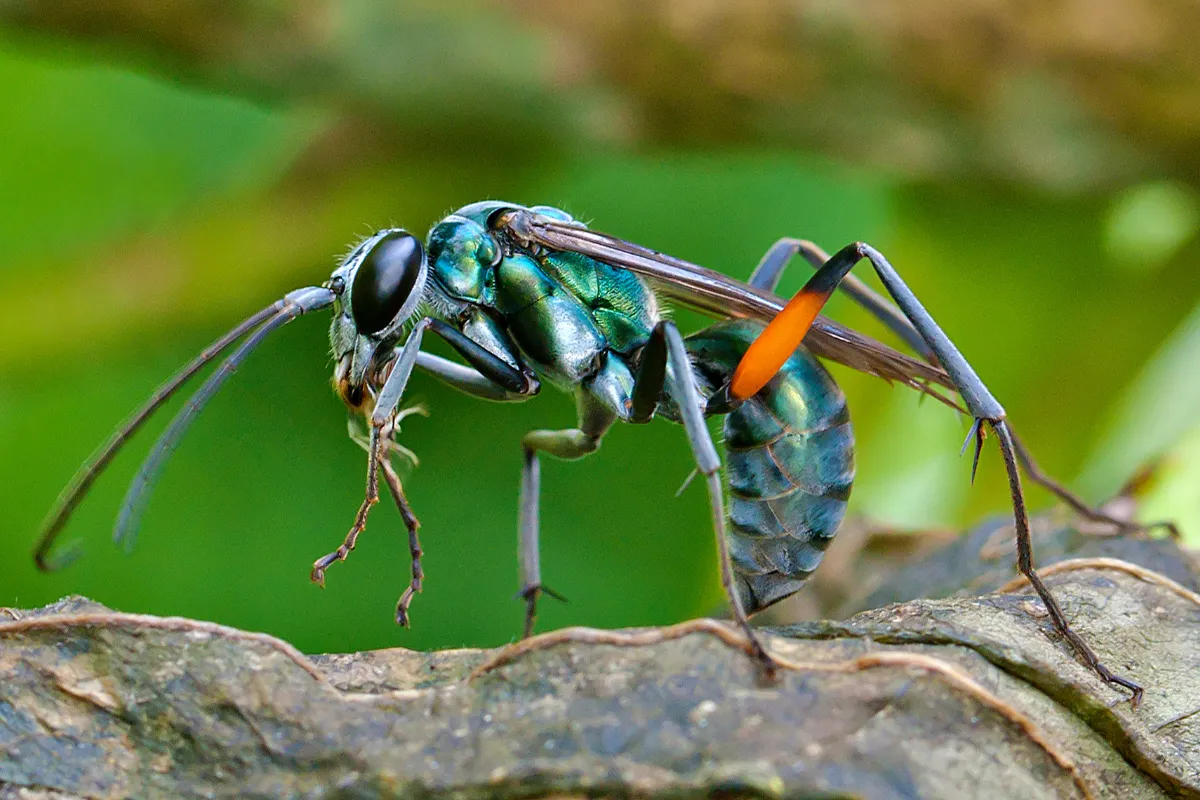
Tarantula hawks are quite striking in appearance. They are typically 2 to 4 inches in length, with a metallic blue-black body and orange or rust-colored wings. The vibrant colors often serve as a warning signal to potential predators, indicating the potency of their sting. The tarantula hawk’s body is built for speed and power, with strong legs and powerful mandibles. Their size and physical attributes are crucial for their survival strategy. The ability to quickly subdue and transport a tarantula is vital for their reproductive success. The striking colors serve as a warning to keep potential predators away, as the tarantula hawk’s sting is incredibly painful.
Tarantula’s Overview
Tarantulas are large, hairy spiders belonging to the Theraphosidae family. They are known for their size, with some species having leg spans of over 10 inches. These spiders are primarily nocturnal hunters, preying on insects, small lizards, and occasionally even small mammals. Tarantulas are found in various habitats, from deserts to rainforests. They possess a range of defensive mechanisms, including urticating hairs (small, irritating hairs they flick at predators), venom, and powerful fangs. Their natural defenses are crucial for survival in the face of predators, including the tarantula hawk. The interaction between tarantulas and tarantula hawks provides an excellent case study in predator-prey dynamics and survival strategies.
What is a Tarantula
Tarantulas are fascinating arachnids that have captivated the world with their impressive size and unique characteristics. These spiders are characterized by their hairy bodies, large size, and relatively docile nature. Tarantulas are not typically aggressive towards humans, but they can deliver a painful bite if provoked. They are primarily ambush predators, waiting patiently for prey to come within striking distance. Their diet varies depending on their size and habitat. They use their venom to immobilize their prey, making them one of the most unique creatures in the animal kingdom. Tarantulas play an important role in their ecosystems. They help control insect populations and serve as a food source for other animals.
Tarantula’s Size and Appearance

The size of tarantulas varies significantly depending on the species, but they are generally large spiders. Their appearance is also quite diverse, with colors ranging from brown and black to vibrant hues of blue, orange, and red. Their bodies are covered in hairs, some of which are urticating hairs that can cause irritation if they come into contact with skin. These hairs are a defense mechanism against predators. Tarantulas have eight eyes, which help them see in various lighting conditions, especially during nighttime hunts. The tarantula’s formidable size and appearance play an important role in both attracting prey and deterring predators, making them a fascinating and formidable creature in the natural world.
Top 5 Facts
Fact 1 The Tarantula Hawk’s Venom
The venom of the tarantula hawk is one of the most potent and painful in the insect world. The primary purpose of the venom is to paralyze the tarantula, not to kill it. This allows the wasp to drag the spider back to its nest, where it will serve as a food source for the wasp larva. While the sting is excruciating for humans, it is rarely life-threatening. The intense pain is often described as a searing, burning sensation that can last for several minutes. The venom is a complex cocktail of toxins. These toxins primarily target the nervous system, effectively immobilizing the spider and making it easier for the wasp to transport. The venom is a crucial element in the tarantula hawk’s survival strategy, enabling it to successfully hunt and reproduce.
Fact 2 Tarantula Hawks Hunting Strategies
Tarantula hawks employ a highly specialized hunting strategy. The female wasp actively seeks out tarantulas, often stalking them in their burrows. The wasp will carefully assess the situation and wait for the right moment to strike. The tarantula hawk will typically sting the tarantula, aiming for the nerve centers to cause paralysis. Once the tarantula is paralyzed, the wasp will drag it back to its nest. The wasp will then lay an egg on the tarantula’s abdomen. The larva will hatch and feed on the tarantula. The tarantula hawk’s hunting strategy is a combination of skill, precision, and sheer determination. Their success is dependent on the wasp’s ability to locate, paralyze, and transport the tarantula, making them formidable predators.
Fact 3 The Tarantula’s Defense Mechanisms
Tarantulas are not defenseless prey, and they have several defense mechanisms to protect themselves. They possess urticating hairs, which are small, barbed hairs that they can flick at potential predators. These hairs cause severe irritation and can deter attacks. Tarantulas also have fangs and venom, which they use to bite and subdue prey or defend themselves. However, these defenses are not always effective against the tarantula hawk. The tarantula hawk’s thick exoskeleton provides protection against the tarantula’s fangs, and its agility allows it to evade the tarantula’s defensive actions. Tarantula’s defense mechanisms are a crucial aspect of their survival strategy. These defenses are not always effective against a determined predator like the tarantula hawk.
Fact 4 Size and Strength Comparison
When comparing the size and strength of the tarantula and the tarantula hawk, it’s important to consider their physical capabilities. Tarantulas, being large spiders, often outweigh the tarantula hawk. They possess strong legs and powerful fangs capable of delivering a venomous bite. However, the tarantula hawk compensates for its smaller size with its agility and strength. The wasp has a robust exoskeleton, which protects it from the tarantula’s fangs. Its ability to fly also gives it a strategic advantage. The tarantula hawk can maneuver around the tarantula, avoiding its defensive strikes. While the tarantula is stronger in terms of raw power, the tarantula hawk’s agility, and ability to deliver a paralyzing sting ultimately determines the outcome of their encounters.
Fact 5 The Tarantula Hawk’s Life Cycle

The life cycle of a tarantula hawk is fascinating. After paralyzing a tarantula, the female wasp drags it to a burrow or nest. She then lays a single egg on the tarantula’s abdomen. The wasp larva hatches and begins to feed on the paralyzed tarantula. The larva consumes the tarantula from the inside out, eventually killing it. Once the larva has fully developed, it pupates within the tarantula’s body. The pupa transforms into an adult wasp, which then emerges from the tarantula’s body. The adult wasp then repeats the cycle. The tarantula hawk’s life cycle is a remarkable example of parasitism, with the wasp larva relying entirely on the tarantula for sustenance and development. This cycle highlights the intricate relationship between predator and prey in the natural world.
Conclusion
In the epic battle between a tarantula and a tarantula hawk, the tarantula hawk typically emerges victorious. Armed with its potent venom, specialized hunting techniques, and agility, the tarantula hawk has the upper hand. However, the tarantula’s defense mechanisms, including its urticating hairs and fangs, offer a challenge. The outcome of the encounter depends on several factors, including the species of tarantula and hawk involved, as well as environmental conditions. This clash is a prime example of predator-prey dynamics. The tarantula hawk’s victory is a testament to the power of natural selection. These interactions highlight the intricate balance and survival strategies found in the animal kingdom.