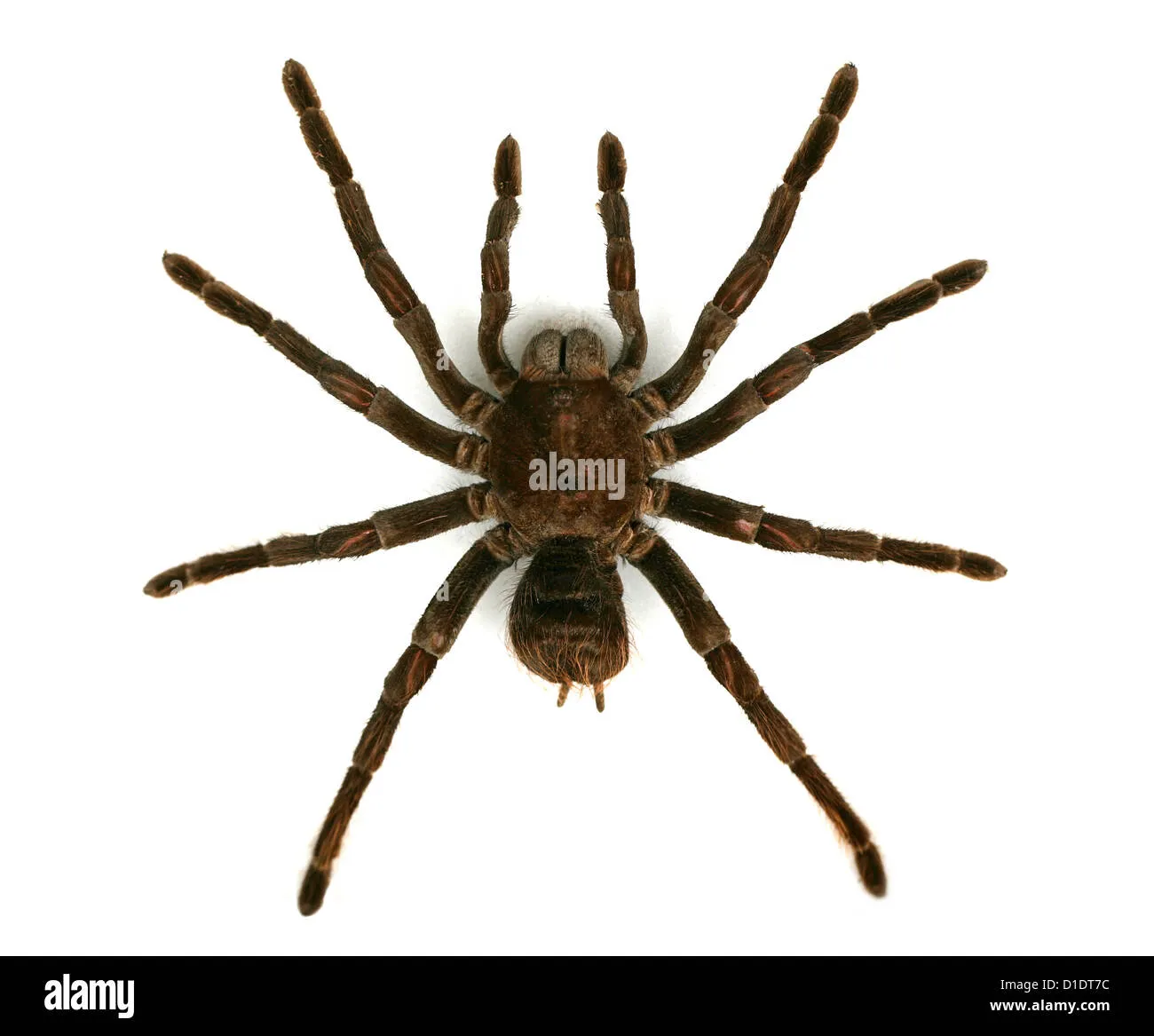
Tarantula vs Bird Battle
The image of a tarantula taking down a bird is both shocking and a testament to the raw power of nature. While it’s not an everyday occurrence, tarantulas are opportunistic predators, and on occasion, they do prey on birds. This article explores the fascinating, albeit sometimes gruesome, reality of tarantula bird predation. We’ll delve into the specifics of this predator-prey relationship, examining the factors that make such encounters possible and the surprising elements that contribute to this rare but captivating aspect of the natural world. The following facts highlight the key elements of these intense battles.
Tarantulas Size and Strength
The size of a tarantula is a critical factor in its ability to hunt and consume prey, including birds. Some tarantula species, such as the Goliath Birdeater (Theraphosa blondi), are among the largest spiders in the world, boasting leg spans that can exceed 10 inches. This substantial size translates to considerable strength, allowing them to overpower and subdue relatively large prey items. Their robust bodies and powerful chelicerae, or fangs, are specifically designed to grasp and pierce, providing a means to both capture and inject venom into their victims. The overall build of a tarantula, from its thick exoskeleton to its strong legs, plays a crucial role in its predatory success, enabling it to engage in combat with creatures much larger than itself.
How Size Influences Predation

The correlation between a tarantula’s size and its predatory capabilities is undeniable. Larger tarantulas possess the physical capacity to hunt and kill larger prey. Their size grants them the leverage needed to immobilize birds, which is a key element in their hunting strategy. A tarantula’s ability to access a bird depends significantly on whether the tarantula can reach and ambush a bird and then deliver a paralyzing bite. The size of the tarantula will help the outcome of these encounters. The larger the tarantula, the more likely it is to win against a bird. This is an extreme example of natural selection at work.
Bird Species Vulnerable to Tarantulas
Not all birds are equally at risk from tarantulas. Smaller bird species, particularly fledglings, nestlings, and ground-dwelling birds, are more susceptible to predation. These birds are often defenseless, which makes them easy targets. Even adult birds may be at risk if they are sick, injured, or are nesting on the ground. The habitat of the birds will also determine vulnerability. Birds that nest or forage in close proximity to the tarantula’s habitat are at greater risk. The behavior of the birds also matters, as a slow or clumsy bird would become an easy target for a patient spider. The vulnerability of a bird species is also determined by the size of the tarantula and the environment.
The Role of Bird Size
The size of a bird significantly influences the likelihood of a tarantula attack being successful. Smaller birds, such as hummingbirds, small finches, and young birds, are easier for tarantulas to overpower due to their lower body weight and weaker defenses. Larger birds, with their increased size and strength, pose a much greater challenge, often deterring tarantulas from attacking. The larger the bird, the less likely a tarantula will be able to capture it. The size dynamic plays a crucial role in predator-prey interactions.
Tarantula Hunting Strategies

Tarantulas are not active hunters; they are ambush predators, meaning they typically wait for prey to come within striking distance. They often position themselves near the ground, or within their burrows, and wait for an opportunity. Their primary hunting strategy relies on their ability to remain motionless and hidden, using camouflage to blend into their surroundings. When a bird ventures too close, the tarantula launches a rapid attack, using its fangs to inject venom, which immobilizes the prey. They have also developed some incredible hunting tactics that allow them to be one of the most formidable hunters in their environment.
Ambush Tactics
The effectiveness of an ambush depends on stealth and the element of surprise. Tarantulas excel in this regard, often concealing themselves in burrows, under logs, or among dense foliage. Their bodies are frequently covered in hairs that provide excellent camouflage, making it difficult for potential prey to spot them until it is too late. This strategic waiting game allows them to conserve energy and ensures they are in a position to strike when the opportunity arises. Ambush tactics are a crucial aspect of their success in capturing birds. These spiders patiently wait for the right moment to launch their attack.
Venom and Its Impact
Tarantula venom is a complex cocktail of toxins that serves multiple purposes. Its primary function is to immobilize prey, ensuring the tarantula can safely subdue the animal. The venom also contains enzymes that begin the process of breaking down the prey’s tissues, making it easier for the tarantula to consume. The potency of the venom varies among different tarantula species, but even a relatively mild dose can have a devastating effect on smaller birds. The venom’s ability to incapacitate and predigest the bird is a critical element in the tarantula’s hunting success.
Environmental Factors and Bird Attacks

The environment plays a significant role in the frequency and success of tarantula attacks on birds. Factors such as habitat overlap, seasonal changes, and the availability of alternative food sources all influence these interactions. Where a tarantula lives will play a crucial role in if it will be able to encounter a bird. These attacks are not frequent and the environment plays a crucial role in the success of the attack.
Habitat Overlap
The proximity of tarantula habitats to bird nesting or foraging areas increases the likelihood of encounters. In regions where tarantulas and birds share the same environment, the chances of predation increase. For example, tarantulas that live in burrows near the ground are more likely to come across ground-nesting birds. The availability of suitable nesting sites for birds and the presence of tarantula populations in close proximity create a scenario where these interactions are more likely to occur. Habitat overlap is a primary factor.
Seasonal Influences
Seasonal changes can significantly affect the frequency of tarantula-bird interactions. During nesting seasons, when birds are focused on rearing their young, they may become more vulnerable to predation. The availability of food sources also plays a role, as periods of scarcity may drive tarantulas to seek out alternative prey, including birds. Weather conditions, such as drought or heavy rainfall, can also impact these interactions by influencing the behavior and distribution of both tarantulas and birds. The time of year matters.
Nutritional Needs of Tarantulas

Tarantulas, like all living organisms, have nutritional needs that drive their predatory behavior. They require a balanced diet of protein, fats, and other nutrients to grow, reproduce, and survive. When alternative food sources, such as insects, are scarce, tarantulas may turn to larger prey, including birds, to meet their nutritional requirements. The specific nutrient requirements of a tarantula can also influence its hunting behavior, as it seeks out prey that provides the necessary nutrients. The nutritional needs of tarantulas often determine their food source.
Why Birds Sometimes Become Prey
While tarantulas primarily feed on insects and other invertebrates, birds sometimes become prey. This is often due to specific circumstances, such as the vulnerability of smaller birds, habitat overlap, and the opportunistic nature of tarantulas. Sometimes, birds may be easier to catch. These spiders will not often seek out birds, but they will attack when an opportunity arises. The circumstances of an encounter must be just right, as most of the time, birds can fly away.
Conclusion
The relationship between tarantulas and birds is a fascinating example of predator-prey dynamics. While tarantulas do occasionally prey on birds, it is a relatively rare occurrence, influenced by factors such as size, hunting strategies, and the environmental context. The tarantula vs bird battle is a dramatic illustration of the survival strategies employed by creatures in the wild. Understanding these interactions provides valuable insight into the complex web of life and the ecological factors that shape the natural world. It is important to appreciate the role each organism plays.