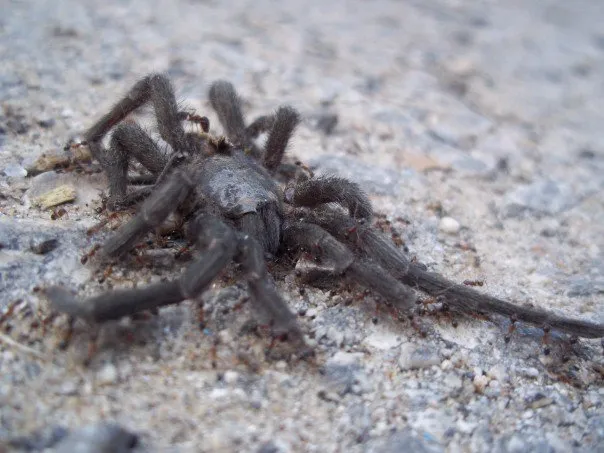
The Tarantula’s Prey Understanding the Risks
Tarantulas, magnificent creatures that they are, often captivate with their unique appearance and intriguing behaviors. In the city of Utrecht, like in many other places, these fascinating arachnids can face a surprisingly significant threat from a seemingly small foe ants. Understanding the risks that ants pose to tarantulas is the first step in ensuring the health and well-being of your eight-legged friend. These threats are not always obvious but are crucial to recognize for any tarantula owner. This article will delve into the specific dangers and provide strategies to mitigate these risks, ensuring a safe and thriving environment for your tarantula.
Ant Species Common in Utrecht
Utrecht, with its diverse ecosystem, is home to various ant species. The prevalence of certain types of ants can significantly influence the level of threat posed to tarantulas. Some common ant species in Utrecht are known to be particularly aggressive or persistent, making them a greater danger. Identifying these species is vital for understanding the level of risk your tarantula faces. The black garden ant, the pavement ant, and other common varieties might be found in the vicinity of tarantula habitats. Being able to identify them allows for targeted prevention and control measures, thereby protecting your tarantula from potential harm. Careful observation of ant activity can help determine which species are most prevalent in your area.
Ant Behavior and Their Threat to Tarantulas

Ant behavior is a key factor in understanding the dangers they present to tarantulas. Ants are social insects, often working in large colonies, and can be incredibly persistent in their search for food and shelter. Their collective nature allows them to overwhelm larger prey, including tarantulas, especially vulnerable juveniles or molting spiders. The ants’ organized foraging behavior means that if one ant finds a food source, it can quickly alert and recruit its colony members, leading to a swarm that can overwhelm a tarantula. Their ability to navigate and exploit small openings also makes them a persistent threat, as they can infiltrate even seemingly secure enclosures. Therefore, understanding the strategies ants use, and recognizing their teamwork, is crucial for effective prevention.
The Threat of Ants to Tarantulas
The threat posed by ants to tarantulas is multifaceted. Ants can attack and bite the tarantula, especially during molting when the spider is vulnerable. They can infest the tarantula’s enclosure, disrupting its environment and potentially carrying diseases or parasites. Ants also compete with the tarantula for food and can stress the spider out, leading to various health problems. The smaller size of ants does not diminish their danger; on the contrary, their numbers can be overwhelming. Protecting your tarantula from ants is essential for its health and longevity. Prevention, detection, and rapid response are key to safeguarding your tarantula from these persistent pests, ensuring a healthy and thriving environment.
The Danger of Ant Bites
Ant bites can be a serious threat to tarantulas, and this is one of the most direct dangers. The bites can cause irritation, inflammation, and, in severe cases, even infection. While the venom from some ants is not lethal to tarantulas, the bites can still weaken the spider, making it more susceptible to other health issues. Tarantulas are most vulnerable during molting, when their exoskeletons are soft and the tarantulas are immobile. A coordinated ant attack during molting can be particularly devastating. Even a few bites can be detrimental and may lead to serious health complications. Therefore, it’s essential to keep ants away from your tarantula’s enclosure at all times. Regular checks and preventative measures can reduce the risk of bites and protect the spider’s health.
Ant Infestations and Their Impact

Ant infestations within a tarantula’s enclosure can have a devastating impact on the spider’s well-being. The presence of a large number of ants can lead to constant stress for the tarantula, as they explore every aspect of the enclosure, and disturb the spider’s habitat. The ants can contaminate the enclosure by carrying bacteria, fungi, and other harmful microorganisms. These pathogens may lead to disease and infection, especially when they come into contact with open wounds or during molting. An infestation can also lead to a disruption in the tarantula’s feeding habits, as the spider may become reluctant to eat if it is constantly harassed by ants. Therefore, preventing and promptly eliminating ant infestations is critical for maintaining a healthy and comfortable environment for your tarantula.
Prevention and Protection Strategies
Protecting your tarantula from ants requires a proactive approach. This includes creating barriers to prevent ants from entering the enclosure, regular cleaning, and using safe methods to repel ants. Prevention strategies focus on making it difficult for ants to access the tarantula’s habitat. Some effective methods are using barriers around the enclosure, such as a moat filled with water or a thin layer of petroleum jelly, which ants cannot cross. Regular inspection of the enclosure is also key, looking for any entry points, such as cracks or gaps, and sealing them immediately. Preventing a potential infestation before it begins can save a lot of effort later, ensuring the safety of your tarantula.
Creating a Safe Habitat
Creating a safe habitat for your tarantula is essential to its health and longevity, which includes a clean and protected environment. A well-designed enclosure will make it harder for ants to invade. The enclosure should have a tight-fitting lid and be made of materials that ants cannot easily penetrate. Regularly inspect the enclosure for any potential entry points, such as cracks or gaps, and seal them immediately. Ensure that the habitat is placed in a location where ants are less likely to be present, such as away from food sources or areas with high moisture levels. By creating a habitat that is both secure and comfortable, you create a sanctuary for your tarantula, allowing it to thrive and live a long life.
Regular Cleaning and Maintenance

Regular cleaning and maintenance are critical to keeping ants away from your tarantula. This includes removing any uneaten food promptly, as these can attract ants. Regular cleaning will also remove any potential food sources or attractants for ants. Regularly replacing the substrate in the enclosure will also help to prevent ant infestations. By taking these steps, you create an environment that is less inviting to ants, lowering the risk to your tarantula. A clean habitat supports a healthy tarantula.
Utilizing Natural Deterrents
Using natural deterrents is an effective and safe way to repel ants without harming your tarantula. Many natural substances have ant-repelling properties. Cinnamon, for instance, can be sprinkled around the enclosure’s perimeter, as ants dislike its scent. Essential oils like peppermint, clove, or tea tree oil can also be used, but in diluted form, as concentrated oils can be harmful to tarantulas. Applying these deterrents carefully, and ensuring the safety of your tarantula is paramount. Before applying any product, it’s essential to test it on a small area to ensure it doesn’t harm your pet. By utilizing these methods, you can maintain a healthy, ant-free environment for your tarantula.
Monitoring and Early Detection
Monitoring and early detection are vital for effective ant control. Regularly inspect your tarantula’s enclosure and the surrounding area for any signs of ant activity. Look for ant trails, small piles of sawdust-like material (which can be ant nests), and, of course, the ants themselves. Early detection allows for rapid intervention, before an infestation becomes a serious problem. Use a magnifying glass to check for tiny ants that might be difficult to spot with the naked eye. Regular monitoring will help you catch an ant problem early and protect your tarantula.
Professional Pest Control

If you’re facing a persistent ant problem, seeking professional pest control might be necessary. Professional pest control services have the expertise and resources to identify the specific type of ant and implement effective treatment plans. They can use targeted insecticides that are safe for tarantulas or other methods, such as baiting stations, to eliminate the ants without harming your pet. When choosing a pest control service, be sure to inform them about your tarantula, so they can use the appropriate treatments. Professional help ensures effective ant control and allows your tarantula to live in a safe, healthy environment.
In conclusion, the dangers that ants pose to tarantulas in Utrecht are a serious concern for tarantula owners. Understanding the threats, recognizing common ant species, and implementing preventative measures are critical for protecting your tarantula. Regular monitoring, creating a safe habitat, and using natural deterrents are essential strategies. In cases of severe infestation, professional pest control might be necessary. By taking these steps, you can ensure the health and well-being of your tarantula, allowing it to thrive in its habitat.