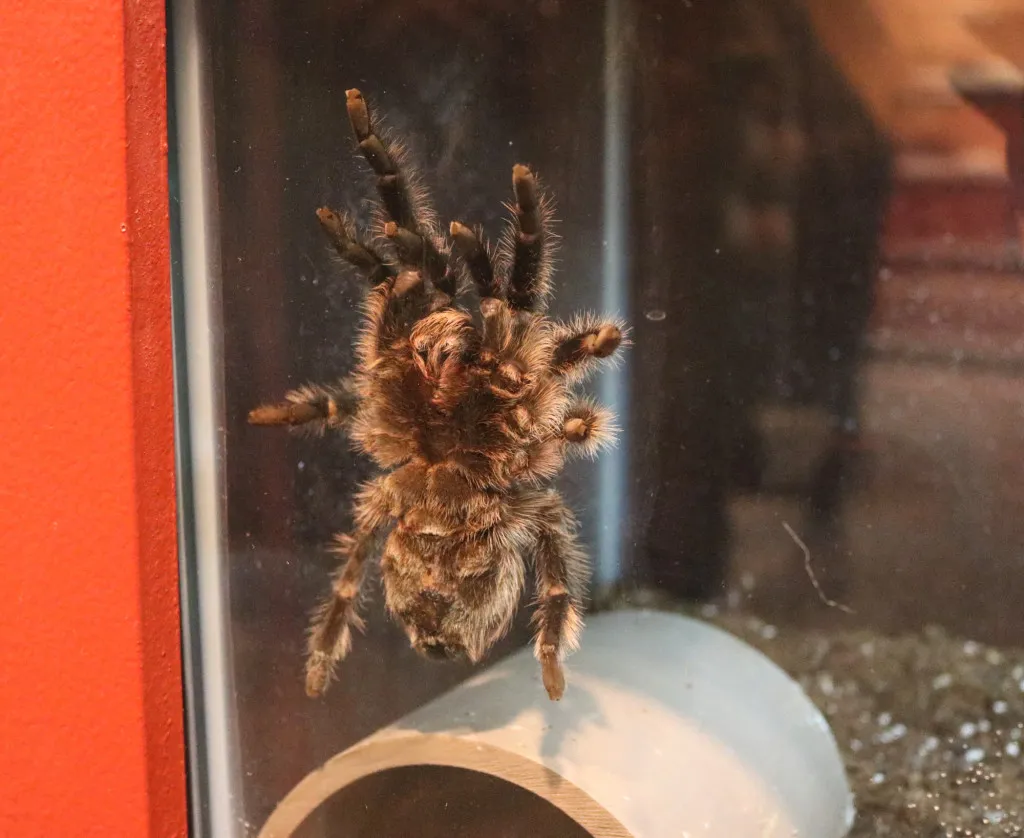
Embarking on the journey of tarantula treatment can be a fascinating and rewarding experience. These captivating creatures, with their unique behaviors and relatively low-maintenance needs, have become increasingly popular pets. However, success in tarantula care hinges on a solid understanding of their specific requirements. This guide, “Tarantula Treatment Secrets How to Get Started,” is designed to provide you with a comprehensive overview of tarantula care, from selecting the right species to ensuring their long-term health and happiness. Whether you’re a complete novice or have some experience with other pets, this article will equip you with the knowledge needed to provide excellent tarantula treatment and create a thriving environment for your eight-legged companion.
Understanding Tarantula Treatment
Tarantula treatment is not just about providing food and water. It’s about understanding the unique needs of these fascinating creatures, which includes their habitat, diet, and behavior. The principles of tarantula care encompass a holistic approach, considering everything from the enclosure’s dimensions to the types of insects you feed them. Success in tarantula keeping hinges on providing a suitable environment, mimicking their natural habitat as closely as possible, and ensuring their well-being. This section delves into the key aspects of tarantula care, providing you with the foundational knowledge needed to become a responsible and successful tarantula owner.
Choosing the Right Tarantula Species
Choosing the right tarantula species is the crucial first step in successful tarantula treatment. Certain species are better suited for beginners, while others have more demanding requirements and are best left to experienced keepers. It’s essential to research various species, considering factors such as temperament, venom potency, and care needs. Understanding the differences between arboreal (tree-dwelling) and terrestrial (ground-dwelling) species is also crucial, as their enclosure requirements vary significantly. By selecting a species that aligns with your experience level and lifestyle, you’ll set yourself up for a much smoother and more enjoyable tarantula-keeping journey.
Beginner-Friendly Tarantula Species

Several tarantula species are renowned for their docile temperaments and relatively easy care requirements, making them ideal for beginners. These species typically have slower metabolisms, which means they don’t require frequent feeding, and are less prone to defensive behaviors like biting or flicking urticating hairs. Examples of excellent beginner tarantulas include the Chilean Rose Hair (Grammostola rosea), the Mexican Red Knee (Brachypelma hamorii), and the Pinktoe Tarantula (Avicularia avicularia). These species are generally hardy and can tolerate minor fluctuations in their environment, making them forgiving for novice keepers. Researching the specific needs of each species is crucial, even for beginner-friendly options, to ensure their well-being.
Species to Avoid for Beginners
Some tarantula species are best avoided by novice keepers due to their more challenging care requirements or more defensive temperaments. These species may be faster, more venomous, or have specific needs regarding humidity, temperature, or enclosure setup. Examples of tarantulas that are often not recommended for beginners include the King Baboon (Citharischius crawshayi), the Cobalt Blue (Cyaneopubescens), and many species of the Poecilotheria genus (ornamental tarantulas). These species often have unpredictable behaviors and require more specialized care to thrive. Before acquiring any tarantula, it’s essential to conduct thorough research and understand the risks and challenges associated with the species you’re considering.
Setting Up the Tarantula Enclosure
The enclosure is the tarantula’s home, and setting it up correctly is fundamental to its health and well-being. The size, substrate, ventilation, temperature, and humidity must be carefully considered to provide an environment that mimics the tarantula’s natural habitat. Proper enclosure setup not only contributes to the tarantula’s physical health but also influences its behavior and overall quality of life. A well-designed enclosure allows the tarantula to feel secure, express natural behaviors, and thrive in its captive environment. This section offers detailed guidance on setting up the ideal enclosure for your tarantula.
The Ideal Enclosure Size

The size of the enclosure is a critical factor in tarantula treatment. It should be large enough to allow the tarantula to move freely, but not so large that the tarantula feels exposed and stressed. As a general rule, the enclosure should be at least twice the tarantula’s leg span in width and length. For terrestrial species, a larger surface area is more important than height, while arboreal species require more vertical space for climbing. The enclosure size should be adjusted as the tarantula grows, ensuring that it always has adequate space to thrive. The enclosure should also have a secure lid to prevent escape.
Substrate Selection and Setup
The substrate is the bedding material in the enclosure and plays a crucial role in tarantula treatment, providing a comfortable surface, helping to regulate humidity, and allowing the tarantula to burrow. The choice of substrate depends on the tarantula species’ needs. For terrestrial species, a mix of peat moss, coconut fiber, and vermiculite is often ideal. Arboreal species may benefit from a substrate that retains moisture, such as sphagnum moss. The substrate should be deep enough to allow the tarantula to burrow and provide a humid microclimate. It’s essential to avoid substrates that are toxic or could cause injury. Regularly cleaning the substrate and removing any uneaten food is essential to prevent mold growth and maintain a healthy environment.
Providing Proper Ventilation
Proper ventilation is vital to prevent mold growth and ensure the tarantula’s respiratory health. Enclosures should have adequate ventilation to allow for air circulation. This often involves having ventilation holes or mesh on the sides or top of the enclosure. The ventilation design should be carefully considered to balance air circulation with humidity retention, especially for species that require high humidity. Poor ventilation can lead to the build-up of harmful gases and create an environment conducive to mold and bacterial growth, which can be detrimental to the tarantula’s health. Regularly inspecting the enclosure for signs of poor ventilation, such as condensation build-up, is essential.
Maintaining Temperature and Humidity

Temperature and humidity are two of the most important aspects of tarantula treatment, and these factors must be maintained within the appropriate range for the specific species. Most tarantulas thrive in temperatures between 75-85°F (24-29°C). Humidity levels vary depending on the species, with some requiring arid conditions and others requiring high humidity. Using a thermometer and hygrometer to monitor the enclosure’s environment is essential. Humidity can be maintained by misting the enclosure with water, providing a water dish, or using humidifiers. The enclosure should be placed away from direct sunlight or drafts to avoid extreme temperature fluctuations. Creating and maintaining the correct temperature and humidity levels are critical for the tarantula’s overall health and molting success.
Feeding Your Tarantula
Feeding is a fundamental aspect of tarantula treatment, providing the energy and nutrients necessary for growth and survival. Understanding the tarantula’s dietary needs, choosing appropriate food items, and establishing a feeding schedule are essential for ensuring their health. Tarantulas are opportunistic predators, and their feeding habits can vary depending on their age, species, and environmental conditions. Careful observation of the tarantula’s feeding behavior can help you fine-tune the feeding regime and ensure that it receives adequate nutrition. The following sections detail everything you need to know about feeding your tarantula.
Choosing the Right Food
The diet of a tarantula primarily consists of insects, but the specific types of insects you offer can vary. Crickets, mealworms, roaches, and other commercially available insects are common food choices. The insects should be appropriately sized for the tarantula, meaning that the prey should be no larger than the tarantula’s body. The insects should also be gut-loaded before being offered to the tarantula, which means feeding them nutritious food to enhance their nutritional value. Avoid feeding tarantulas wild-caught insects, as these may carry parasites or pesticides. The selection of food should also take into account the tarantula’s stage of life and species-specific preferences.
Feeding Frequency and Amounts

The frequency and amount of feeding depend on the tarantula’s age and metabolism. Younger tarantulas, or spiderlings, require more frequent feeding than adults, often two to three times per week. Adult tarantulas may only need to be fed once or twice a week. The amount of food should be appropriate for the tarantula’s size, and it should typically consume its prey within a day or two. Uneaten prey should be removed to prevent stress on the tarantula. Observe the tarantula’s body condition to adjust the feeding schedule. A plump abdomen usually indicates a well-fed tarantula, while a shrunken abdomen suggests it needs more food.
Watering and Hydration
Water is essential for tarantula treatment, and it’s critical for hydration and molting. Provide a shallow water dish that’s easily accessible and regularly refilled with fresh, clean water. For smaller tarantulas, you can provide water by misting the enclosure, ensuring that they have access to water droplets. It’s important to monitor the water source and keep it clean to prevent bacterial growth. Some species may require higher humidity levels, which can be achieved through increased misting or the use of a humidifier. Water is crucial for their survival, molting and general health.
Handling Your Tarantula
Handling a tarantula should be approached with caution and respect for the animal’s well-being. While some species are docile and can tolerate occasional handling, others are highly defensive and should be left undisturbed. Handling your tarantula can be risky, and it’s essential to understand the potential risks and take the necessary precautions. The temperament of the specific species, the tarantula’s current mood, and the keeper’s experience level should all be considered. Even for species known for docility, handling is not always necessary and can potentially stress the tarantula. This section will offer a guide to safe handling practices.
Safe Handling Practices

If handling is necessary, follow these safe handling practices. Firstly, assess the tarantula’s temperament and mood. Avoid handling if it seems agitated or defensive. Handle over a soft surface, like a bed or carpet, to minimize the risk of injury if the tarantula falls. Use a soft brush or tool to gently guide the tarantula onto your hand, never grabbing or forcing it. Move slowly and deliberately, avoiding sudden movements. Always wash your hands thoroughly before and after handling to prevent the transfer of oils or contaminants. It’s also recommended to handle in a place where the tarantula can’t easily escape. Be aware that tarantulas have urticating hairs that can cause irritation, so avoid touching your face after handling.
Recognizing Signs of Stress
Recognizing signs of stress is crucial for responsible tarantula treatment. If a tarantula is stressed, it may exhibit certain behaviors. Defensive postures, such as rearing up, displaying fangs, or flicking urticating hairs, indicate that the tarantula feels threatened. Other signs of stress include refusing food, pacing excessively, or hiding for extended periods. If you notice these signs, it’s best to leave the tarantula undisturbed and assess the environment for potential stressors. Ensure that the enclosure is properly set up, and that the temperature and humidity levels are within the correct range. Minimizing stress is crucial for the tarantula’s well-being and long-term health.
Common Tarantula Health Issues
Tarantulas, like all living creatures, can be susceptible to health issues. Recognizing common health problems and knowing how to address them is essential for responsible tarantula treatment. These problems can arise from environmental factors, such as improper humidity or temperature, or from infections or parasites. By observing your tarantula, you can quickly detect any issues and take the necessary steps to address them. Some health issues can be prevented through proper care and maintenance, while others may require veterinary intervention. This section provides information on common ailments and how to deal with them.
Moulting and Its Importance

Moulting is a natural and essential process for tarantulas, during which they shed their exoskeleton to allow for growth. The frequency of moulting decreases as the tarantula matures. During moulting, the tarantula is extremely vulnerable. It is important to maintain the correct humidity and temperature levels to facilitate the molting process. Avoid disturbing your tarantula during molting, as this can cause stress. After moulting, the tarantula’s fangs and body will be soft, so refrain from feeding it for a few days. Moulting is a sign of healthy growth, and it is an important part of the tarantula’s life cycle.
Recognizing and Treating Common Diseases
Tarantulas can be affected by a variety of health issues. Parasites and mites can infest the tarantula and its enclosure. Bacterial or fungal infections can result from improper enclosure conditions, particularly excessive humidity or poor ventilation. Injuries can occur from falls or encounters with prey. It’s essential to observe your tarantula for any signs of illness, such as lethargy, loss of appetite, abnormal behavior, or physical deformities. If you notice any of these signs, consult with an experienced tarantula keeper or a veterinarian familiar with exotic animals for diagnosis and treatment. Early detection and intervention are critical for successful treatment.
When to Seek Professional Help
While many aspects of tarantula treatment can be managed at home, there are times when seeking professional help is necessary. If your tarantula displays severe symptoms of illness, such as paralysis, excessive discharge, or significant loss of appetite, it’s important to consult with a veterinarian experienced with exotic animals. You should also seek professional help if you are unsure about a diagnosis, or if you are unable to treat a condition on your own. A veterinarian can provide expert advice and treatment options, and can help ensure your tarantula receives the best possible care. Early intervention can often make a significant difference in the outcome.
Long-Term Tarantula Care
Long-term tarantula care involves ongoing commitment and attention to detail. It encompasses a range of practices, from routine maintenance to enrichment and breeding considerations. By implementing the following strategies, you can ensure your tarantula lives a long and fulfilling life in captivity. Providing a stimulating environment, a healthy diet, and consistent monitoring are the hallmarks of successful long-term tarantula care. By prioritizing your tarantula’s well-being and adapting to its changing needs, you can create a positive experience for both yourself and your eight-legged companion.
Enrichment and Activities
Providing enrichment can enhance your tarantula’s quality of life and encourage natural behaviors. While tarantulas are not known for being overly active, some forms of enrichment can keep them stimulated. You can provide enrichment by adding decorations to the enclosure, such as cork bark, hides, and artificial plants, to create a more stimulating environment. You can also vary the placement of food and water to encourage exploration. Always observe your tarantula’s behavior and adjust the enrichment accordingly. Providing enrichment can make your tarantula more active and interactive.
Breeding Considerations
Breeding tarantulas is a complex process that requires specialized knowledge and equipment. Before attempting to breed your tarantulas, you should conduct thorough research. You’ll need to understand the mating behavior, the specific requirements of the species, and the care of the eggs and spiderlings. Successful breeding requires careful preparation, including selecting healthy, mature specimens, setting up appropriate breeding conditions, and closely monitoring the process. Consider the ethical implications of breeding, including the responsibility of finding suitable homes for the offspring. Breeding tarantulas can be a rewarding experience, but it demands a significant investment of time, knowledge, and resources. Breeding tarantulas is not recommended for beginners.
In conclusion, effective tarantula treatment is a journey that demands patience, dedication, and a commitment to learning. By following the guidelines outlined in this article, you’ll be well-equipped to create a healthy, stimulating, and enjoyable environment for your tarantula. Remember to prioritize the tarantula’s well-being, continuously monitor its environment, and adapt your care practices as needed. With proper tarantula treatment, you can enjoy the unique companionship of these fascinating creatures for years to come. Embrace the rewarding experience of caring for these amazing spiders.