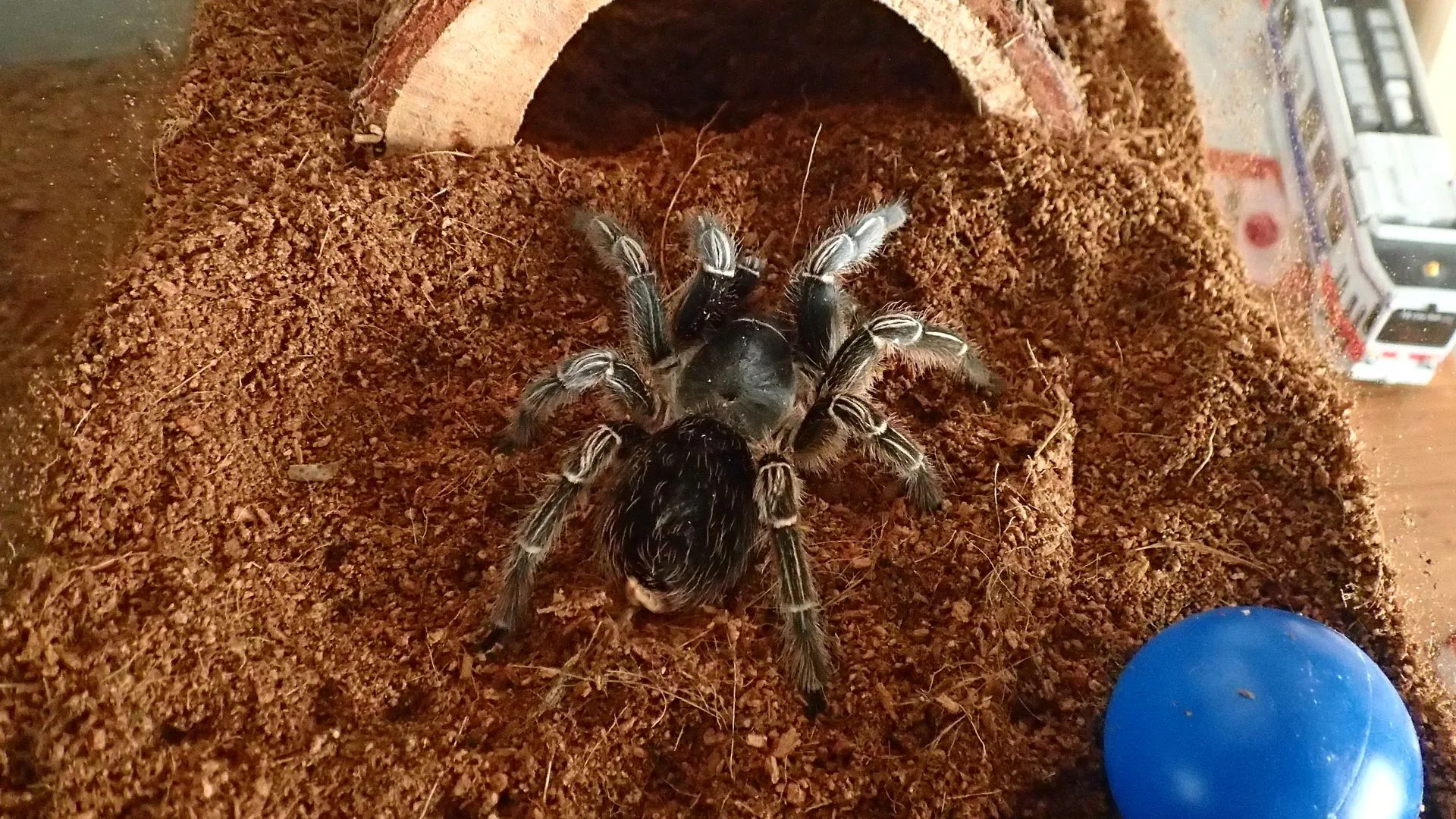
Understanding Terrestrial Tarantula Habitats
Creating the perfect habitat for your terrestrial tarantula is crucial for its health, well-being, and longevity. These spiders, unlike their arboreal counterparts, spend the majority of their lives on the ground, requiring specific environmental conditions to thrive. Understanding their natural habitat is the first step in replicating these conditions in captivity. This guide will provide you with the top 5 essential tips for creating and maintaining a thriving terrestrial tarantula habitat, ensuring your pet lives a long and healthy life. By paying close attention to the details, you can create an environment that closely mimics their natural environment, promoting natural behaviors and overall happiness.
Natural Habitats of Terrestrial Tarantulas
Terrestrial tarantulas are found in a wide range of habitats across the globe, from the arid deserts of the southwestern United States to the humid rainforests of South America. Knowing where your specific species originates can significantly inform your habitat setup. They typically inhabit burrows, under rocks, or in leaf litter on the forest floor. Many species are adapted to specific climates, including varying temperatures and humidity levels. They use burrows to escape the harsh weather and to provide them a secure location. This knowledge informs the need to provide a safe and secure enclosure for your pet.
Key Environmental Factors

Several environmental factors are critical to the health of your terrestrial tarantula. These include temperature, humidity, and substrate composition. Replicating these factors as closely as possible will ensure your tarantula feels comfortable and secure. Furthermore, maintaining a suitable environment minimizes stress and reduces the risk of health problems. Monitoring these factors regularly, using appropriate tools such as thermometers and hygrometers, is a vital part of responsible tarantula ownership. Proper environmental controls will provide a long life and good health.
Temperature Requirements
Most terrestrial tarantulas thrive in temperatures ranging from 75 to 85 degrees Fahrenheit (24 to 29 degrees Celsius). The specific temperature needs may vary depending on the species. Consistent temperatures are more important than exact numbers. Avoid placing the enclosure in direct sunlight or near heat sources, which can lead to overheating. A temperature gradient within the enclosure, where one side is slightly warmer, can allow the tarantula to regulate its body temperature more effectively. Ensure you monitor the temperature regularly using a reliable thermometer, making adjustments as necessary to maintain the optimal range. The comfort and health of your tarantula depend on stable temperature levels.
Humidity Levels
Humidity requirements vary by species, but generally, terrestrial tarantulas require moderate to high humidity levels, typically between 60% and 80%. This can be achieved by misting the enclosure with dechlorinated water, providing a water dish, and using a substrate that retains moisture. Overly dry conditions can lead to molting problems and dehydration, while excessive humidity can promote mold growth. Regularly monitor the humidity levels with a hygrometer and adjust your misting schedule accordingly. Proper ventilation is also essential to prevent the build-up of excessive moisture. Careful management of humidity will ensure your tarantula’s overall health and well-being.
Substrate Selection for Your Tarantula

The substrate serves as the tarantula’s flooring, providing a surface to walk on, a place to burrow (for some species), and helping to regulate humidity. Choosing the right substrate is essential for creating a comfortable and healthy environment. The substrate should be able to hold moisture, allow the tarantula to burrow if desired, and be non-toxic. Avoid substrates with sharp edges or those that could potentially harm your tarantula. A proper substrate is a cornerstone of a comfortable tarantula environment.
Choosing the Right Substrate
Several substrate options are suitable for terrestrial tarantulas. Some popular choices include a mix of coconut fiber (eco earth), peat moss, and vermiculite. These materials retain moisture well and are safe for tarantulas. Other options include soil mixes and sphagnum moss. Avoid substrates like sand or gravel, which are not suitable for burrowing species and may injure the tarantula. The ideal substrate should be a blend of materials that cater to the species’ needs. Experimentation and research are often necessary to find the optimal mix.
Substrate Depth and Maintenance
The depth of the substrate depends on the tarantula species and whether it is a burrowing species. A general rule of thumb is to provide enough substrate for the tarantula to burrow comfortably. The substrate should be at least twice the length of the tarantula. Regular maintenance of the substrate is crucial. Remove any uneaten food, molts, and waste. Spot clean the substrate as needed. Replace the substrate entirely every few months or when it becomes overly soiled. Proper substrate management will help ensure the health of the tarantula and the cleanliness of the enclosure.
Enclosure Setup Best Practices

The enclosure is your tarantula’s home, so careful setup is critical. The right enclosure provides security, space to roam, and a comfortable environment for the tarantula. The design and setup of the enclosure will significantly impact the tarantula’s well-being. The enclosure should be appropriately sized, well-ventilated, and provide opportunities for the tarantula to express natural behaviors.
Enclosure Size and Type
The size of the enclosure should be proportional to the tarantula’s size, allowing ample room to move and explore. For juvenile tarantulas, a smaller enclosure is often preferred, as it can help them feel more secure. As the tarantula grows, you’ll need to upgrade to a larger enclosure. The enclosure type can vary; glass terrariums, acrylic enclosures, and plastic containers are all viable options. Ensure that the enclosure has a secure lid to prevent escape. Ventilation is also a crucial consideration, providing the proper airflow. A well-sized and secure enclosure provides a safe and comfortable environment.
Decorating the Enclosure
Adding decorations to the enclosure can enrich the tarantula’s environment, providing hiding places and stimulating natural behaviors. Include items such as cork bark, artificial plants, and other safe, non-toxic materials. Ensure that any decorations are securely placed and do not pose a risk of injury. The decoration should provide visual interest, and the tarantula can explore. Avoid overcrowding the enclosure, leaving sufficient open space for the tarantula to move freely. Proper decoration will create a more engaging and stimulating environment.
Providing Hiding Places

Hiding places are essential for tarantulas, as they provide security and a sense of safety. Cork bark, hollow logs, and commercially available spider hides are all excellent choices. The hiding place should be large enough for the tarantula to retreat completely. Hiding places help tarantulas feel secure and reduce stress. The presence of a safe hide will provide a place to molt, feed, and retreat to when feeling threatened. Providing hiding places is a key factor in tarantula well-being.
Ensuring Proper Ventilation
Proper ventilation is critical to prevent the build-up of excessive humidity and the growth of mold or bacteria. Ensure that the enclosure has adequate ventilation holes, typically along the sides and top. Do not cover the entire top of the enclosure, as this can trap moisture. Ventilation helps to maintain healthy air quality within the enclosure. Ensure the ventilation is adequate without compromising humidity levels. Adequate ventilation is vital for the long-term health of your terrestrial tarantula.
Feeding and Watering Your Terrestrial Tarantula
Feeding and watering are fundamental aspects of tarantula care. Providing proper nutrition and hydration is essential for the tarantula’s health and survival. The correct feeding and watering will allow the tarantula to thrive and live its best life. Understanding the specific dietary requirements of the tarantula is crucial for providing optimal nutrition and proper hydration.
Feeding Frequency and Prey Selection

Feeding frequency depends on the tarantula’s age and size. Juvenile tarantulas may need to be fed more frequently than adults. Common prey items include crickets, mealworms, and roaches. Avoid feeding wild-caught insects, as they may carry parasites or pesticides. The prey size should be appropriate for the tarantula. The prey should be no larger than the tarantula’s abdomen. Remove uneaten prey within 24 hours. The correct prey and feeding frequency will ensure proper nutrition and overall health for your tarantula. Proper feeding is essential to promote healthy growth.
Watering and Hydration
Providing a clean water source is essential for hydration. A shallow water dish is ideal. Ensure that the water dish is accessible to the tarantula and that it does not pose a drowning hazard. Refill the water dish regularly with fresh, dechlorinated water. In addition to a water dish, misting the enclosure can provide additional moisture, particularly for species that require higher humidity levels. Hydration will allow the tarantula to molt successfully and remain healthy. Make sure to monitor water levels daily and replenish as needed.
Maintaining Optimal Habitat Conditions
Maintaining optimal habitat conditions is an ongoing process that requires regular monitoring and maintenance. The correct habitat will provide your tarantula with the best possible care, and the environment will be optimized for the tarantula to thrive. This means keeping a watchful eye on temperature, humidity, and cleanliness. A commitment to regular upkeep will ensure a healthy and happy tarantula.
Regular Cleaning and Maintenance
Regular cleaning and maintenance are critical for a healthy and safe enclosure. Spot-clean the enclosure regularly, removing any uneaten food, molts, and waste. Completely replace the substrate every few months or when it becomes overly soiled. Clean the water dish and any decorations regularly. This will prevent the buildup of harmful bacteria and maintain a hygienic environment. Proper cleaning will help reduce health issues.
Monitoring and Adjusting Conditions
Regularly monitor the temperature and humidity levels using a thermometer and hygrometer. Adjust the heating and misting schedule as needed to maintain the optimal conditions for your tarantula’s species. Observe your tarantula’s behavior for any signs of stress or discomfort, such as lethargy or refusal to eat. Make adjustments to the habitat as necessary to ensure your tarantula’s well-being. The correct monitoring will let you proactively take care of your pet. Adaptation is key to providing the best environment.
Conclusion
Creating and maintaining the perfect habitat for your terrestrial tarantula is an ongoing process that requires dedication and attention to detail. By understanding the natural environment of your tarantula, providing appropriate temperature and humidity levels, choosing the right substrate, setting up a well-designed enclosure, and providing proper feeding and watering, you can ensure your pet’s health, happiness, and longevity. Remember to continuously research and learn about your specific species, and be prepared to make adjustments to the habitat as needed. With proper care, you can enjoy the fascinating world of these amazing creatures for many years to come. The commitment to quality care will provide a long and healthy life for your tarantula.