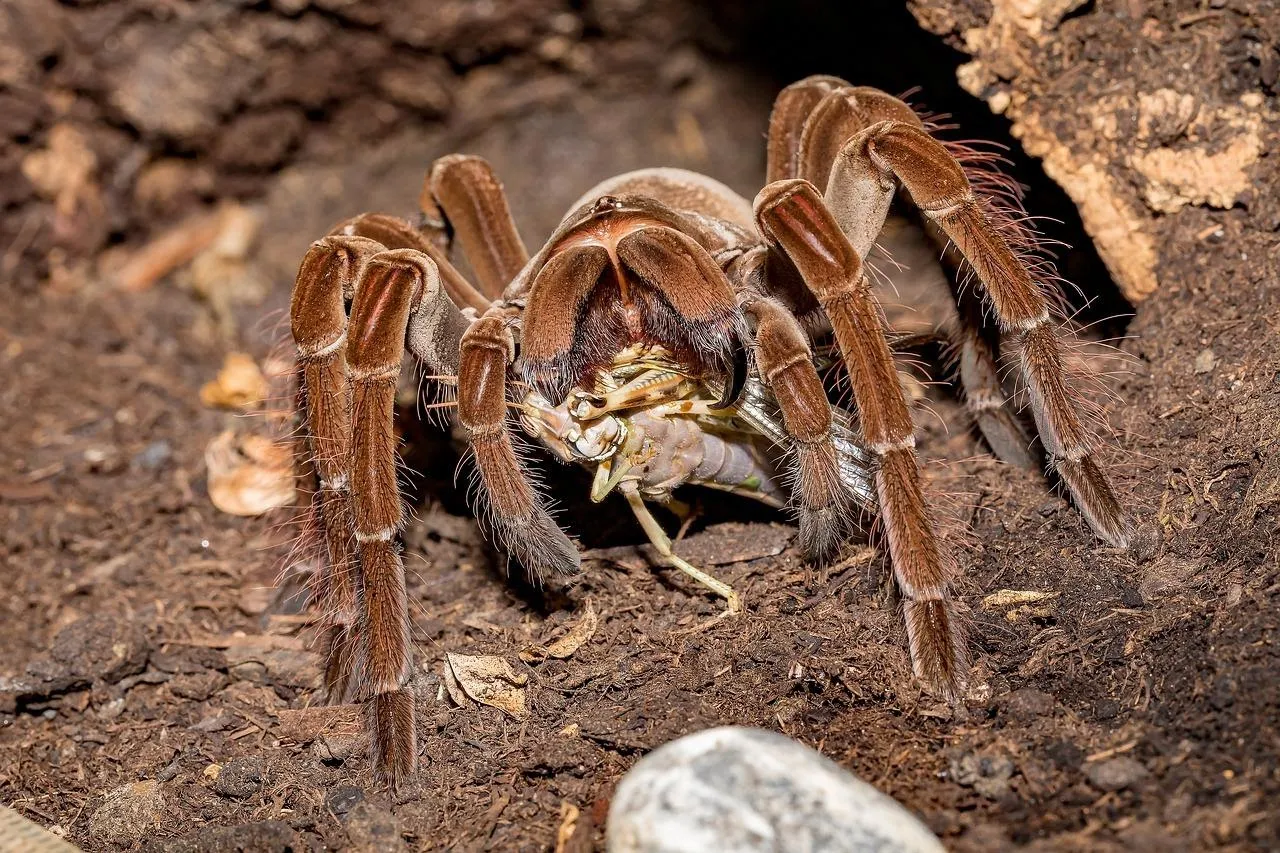
Myth 1 Tarantulas Need Specific Substrates
One of the most pervasive myths surrounding tarantula care involves the substrate tarantulas eat. Many believe that tarantulas require a specific substrate, a particular blend of ingredients, to thrive. The reality is far less complicated. While some tarantula species might have preferences or needs that are slightly more demanding, the vast majority can live comfortably and healthily on a variety of substrates. This misconception often leads to unnecessary stress for new keepers, who feel they must create a perfect, and often expensive, substrate mix. Understanding the basic needs of the tarantula, rather than getting caught up in substrate specifics, is far more crucial to their well-being. Substrate choice impacts the tarantula’s environment including the humidity, the ease of burrowing, and overall comfort.
The Truth About Substrate Specificity
The truth is that a tarantula’s substrate primarily serves several key functions. Firstly, it provides a surface for the tarantula to walk and interact with. Secondly, it helps to regulate humidity levels within the enclosure, which is critical for the tarantula’s health, particularly during molting. Finally, it can provide a medium for burrowing, which is essential for terrestrial species. The ideal substrate, therefore, balances these functions. It should be absorbent enough to maintain humidity, but not so absorbent that it becomes a breeding ground for mold or bacteria. It should also be safe and non-toxic, as tarantulas may ingest small amounts of substrate incidentally. The best substrates provide a balance of these properties, making them suitable for a wide range of tarantula species.
Consequences of Incorrect Substrate Choice

Choosing the wrong substrate, or more accurately, substrates that are unsuitable for your species, can lead to several issues. If the substrate is too dry, it can hinder molting, as tarantulas need adequate humidity to shed their exoskeletons successfully. If the substrate is too wet, it can promote the growth of mold and bacteria, leading to health problems for the tarantula. A poor substrate can also make it difficult for burrowing species to create their desired homes, causing stress and potentially affecting their feeding habits. In extreme cases, the wrong substrate can be toxic if it contains harmful chemicals or materials. Therefore, understanding your tarantula’s needs and selecting a substrate that meets those needs is crucial to avoid any health complications.
Myth 2 Tarantula Substrate Must Be Dry
A common misconception is that tarantula substrate must always be kept dry. This is a significant oversimplification. While it’s true that some species prefer drier environments, the idea that all tarantula substrates should be completely arid is inaccurate and potentially harmful. The correct approach is to understand the specific needs of your tarantula species and provide appropriate humidity levels. Humidity plays a vital role in the health and well-being of your tarantula, particularly during the molting process. The substrate helps maintain this humidity level, and keeping it too dry can cause serious problems.
Humidity and Substrate Relationship
The substrate’s primary role in maintaining humidity is crucial. The substrate absorbs water, and as it evaporates, it increases the humidity within the enclosure. Different types of substrates have varying moisture-retaining properties. For instance, substrates like coco fiber and peat moss are excellent at retaining moisture, making them suitable for species that require higher humidity levels. Other substrates, such as sand or gravel, retain less moisture and are better suited for drier environments. It’s the keeper’s job to select a substrate appropriate for their tarantula’s needs, providing the correct environment for the species to thrive. Proper ventilation is also necessary to balance humidity and prevent the growth of harmful molds and bacteria.
How Humidity Affects Molting and Health

Humidity is especially critical during the molting process. Tarantulas shed their exoskeletons periodically as they grow, and adequate humidity is essential to this process. If the humidity is too low, the tarantula’s exoskeleton can become brittle, making it difficult to shed properly. This can lead to molting issues, such as the tarantula getting stuck in its old exoskeleton, which can be fatal. The correct humidity level also supports the overall health of the tarantula, maintaining proper hydration and preventing respiratory issues. Keepers should regularly monitor and adjust the humidity levels within the enclosure to ensure the tarantula’s well-being.
Myth 3 All Substrates Are Safe for Tarantulas
Another misconception is that all substrates available are safe for tarantulas. Unfortunately, this isn’t true. Some substrates contain chemicals or materials that can be harmful to these delicate creatures. It’s essential to research and select a substrate that is safe and non-toxic for your tarantula. This includes avoiding substrates treated with pesticides or other chemicals that could be ingested or absorbed through the tarantula’s exoskeleton. Always prioritize the tarantula’s health and safety by carefully considering the composition of the substrate.
Toxic Substrates and Their Dangers
Certain substrates pose a risk to tarantulas. Treated wood shavings, for example, can contain harmful chemicals. Some types of soil may harbor parasites or other pathogens that could infect the tarantula. Certain types of sand, especially those with sharp edges or high dust content, can cause respiratory problems. It’s essential to avoid these materials when choosing a substrate. The tarantula’s health is the top priority, so the substrate should be as natural and non-toxic as possible. Always research the substrate thoroughly before introducing it to the enclosure.
Safe Substrate Options and Why

Several safe substrate options are available for tarantula keeping. Coco fiber, also known as coco coir, is a popular choice due to its excellent moisture-retaining properties and natural composition. Peat moss is another suitable option, especially for species that prefer higher humidity. A mixture of soil and sand can also work well, providing good drainage and burrowing capabilities. It’s essential to ensure the substrate is free from pesticides or other harmful chemicals. Always research and select the appropriate substrate based on the specific needs of your tarantula species. Safe substrates promote the health and well-being of your tarantula.
Myth 4 Cleaning Substrate Frequently Is Crucial
Many believe that the substrate must be cleaned very frequently to maintain a healthy environment for the tarantula. This myth stems from a misunderstanding of the tarantula’s natural environment and the role of substrate. Over-cleaning the substrate can actually disrupt the natural balance within the enclosure and stress the tarantula. Spot cleaning, where you remove feces and uneaten food, is essential, but frequent full substrate changes are often unnecessary and, in some cases, detrimental to the tarantula’s health and well-being.
The Importance of Spot Cleaning
Spot cleaning is a crucial aspect of tarantula care. It involves removing any visible waste, such as feces and uneaten food, from the enclosure. This helps prevent the buildup of bacteria and mold, which can be harmful to the tarantula. Spot cleaning should be done regularly, usually a few times a week, depending on the tarantula’s size and feeding habits. Use a pair of tongs or tweezers to remove the waste carefully, without disturbing the tarantula too much. This process maintains a cleaner and healthier environment for your pet. This practice supports the health of the tarantula by limiting the growth of harmful organisms.
Full Substrate Changes Guidelines

Full substrate changes are usually not necessary on a frequent basis. The frequency of changing the substrate depends on several factors, including the type of substrate, the size of the enclosure, and the tarantula’s species. In most cases, a full substrate change can be done every six months to a year, or even longer, provided the substrate remains clean and the environment is healthy. Signs that a full substrate change is needed include excessive mold growth, foul odors, or a buildup of waste that spot cleaning cannot address. The main goal is to provide a stable and healthy environment for the tarantula, avoiding unnecessary disturbance and stress.
Myth 5 All Substrates Are Equally Effective
The final myth we’ll debunk is the idea that all substrates are equally effective for all tarantulas. The truth is that the ideal substrate depends heavily on the specific needs of the tarantula species. Different tarantulas come from different environments, and their substrate needs will vary accordingly. Consider factors like humidity, burrowing behavior, and the overall environment required for your tarantula. Choosing the right substrate involves understanding the specific needs of the species you keep. This is especially important in providing your tarantula with the ideal setup.
Substrate’s Role in Burrowing and Enrichment
For many tarantula species, the substrate plays a crucial role in burrowing. Terrestrial tarantulas often dig burrows to provide shelter, regulate temperature, and feel secure. The substrate must be suitable for this purpose. It should be deep enough to allow for burrowing and have a texture that allows the tarantula to dig and maintain the structural integrity of its burrow. Providing a substrate that supports burrowing is essential for the well-being of these species. The substrate also enhances the enclosure, providing enrichment that allows the tarantula to express natural behaviors.
Choosing the Right Substrate for Your Tarantula Species

When choosing a substrate, research the specific requirements of your tarantula species. Consider its natural habitat, humidity requirements, and burrowing behavior. For example, species from humid environments may do well on coco fiber or peat moss, which retain moisture well. Species from drier environments may need a substrate like a soil and sand mix. Always prioritize the health and well-being of your tarantula, selecting a substrate that best meets its needs. Careful selection ensures the tarantula can thrive in a safe and comfortable environment. Do your homework.