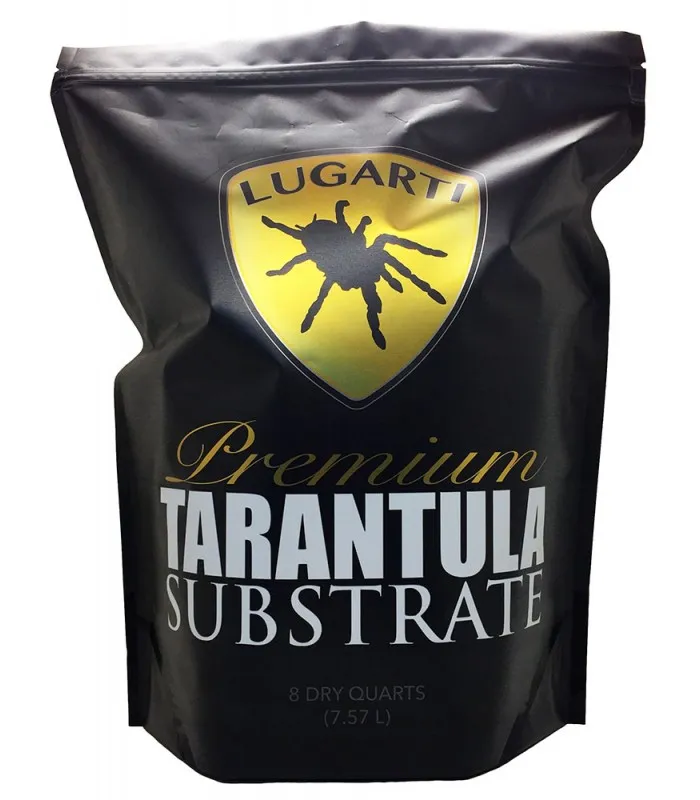
What is Tarantula Substrate (and Why Does it Matter)?
The world of tarantula keeping can seem daunting at first, but understanding the essentials, like substrate, is key to creating a thriving environment for your eight-legged friend. Substrate, in the simplest terms, is the material that lines the bottom of your tarantula’s enclosure. It serves multiple crucial functions. First and foremost, it provides a comfortable and safe surface for the tarantula to walk on, burrow in (for terrestrial species), and generally interact with its environment. Moreover, the right substrate is critical for regulating humidity levels within the enclosure, which is absolutely essential for the tarantula’s health and molting process. Finally, a good substrate can also aid in waste management, absorbing some of the waste products and making the enclosure easier to clean. Choosing the correct substrate is arguably the most impactful decision to create a suitable habitat.
The Importance of Humidity and Substrate
Humidity and substrate are intrinsically linked in the tarantula’s habitat. Most tarantula species, particularly those from tropical environments, require specific humidity levels to thrive. This is where the substrate comes into play. Substrates like coconut fiber and peat moss are excellent at retaining moisture, gradually releasing it into the enclosure, and thus helping to maintain the necessary humidity. Conversely, substrates that dry out too quickly, or those that don’t absorb moisture efficiently, can lead to problems like dehydration and failed molts. Monitoring humidity levels with a hygrometer and adjusting the substrate and ventilation accordingly is a core part of responsible tarantula care. Regular misting of the enclosure, especially the substrate, is also an important part of maintaining the correct humidity levels. Understanding this relationship is critical for the long-term health and well-being of your tarantula.
Ideal Substrate Types for Tarantulas
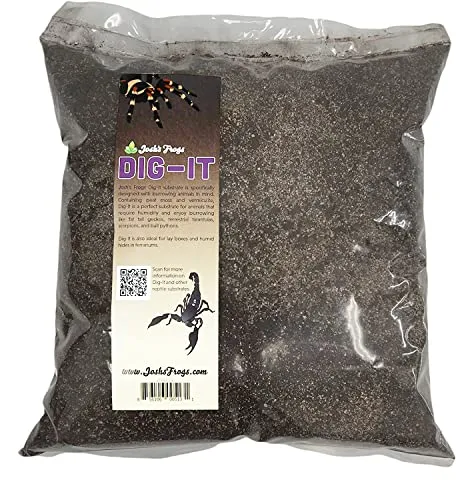
Selecting the right substrate is a fundamental aspect of tarantula care. The ideal choice often depends on the specific species of tarantula, its natural habitat, and its needs. However, a few substrate types are consistently recommended for their suitability and ease of use. It is important to research your specific species to best choose a suitable substrate. A diverse array of substrates is available, each with unique properties in terms of moisture retention, texture, and suitability for burrowing. Here are some of the most popular and effective choices, each offering unique benefits that can contribute to the overall health and happiness of your tarantula. Consider the environmental needs of your tarantula when choosing the best substrate. The following options provide excellent choices for different species and setups.
Coconut Fiber
Coconut fiber, often sold as ‘coco coir,’ is a highly popular substrate choice. It’s derived from the husks of coconuts, making it a renewable and sustainable option. Coco coir has excellent moisture-retaining properties, which helps maintain humidity levels, a crucial factor for many tarantula species. It also provides a naturalistic look and feel, mimicking the environments of many tarantulas. It is generally considered safe and non-toxic. Coco coir is also a good burrowing substrate for terrestrial species that enjoy digging. Coco coir is readily available and relatively inexpensive, making it an accessible choice for both beginners and experienced keepers. Before use, it’s often recommended to rinse the coco coir to remove any dust or impurities, ensuring the safety of your tarantula.
Peat Moss
Peat moss is another excellent option, especially for species that originate from humid environments. It’s known for its superior water retention capabilities, making it ideal for creating and maintaining the high humidity levels that some tarantulas require. Peat moss also tends to be slightly acidic, which can help to inhibit the growth of mold and bacteria in the enclosure. It is, however, worth noting that peat moss can sometimes be more difficult to keep clean compared to other substrates. As peat moss can be very absorbent, it can be tricky to keep at the correct moisture level. While peat moss is a good choice for humidity, monitoring the enclosure is very important to prevent it from becoming waterlogged. The texture of peat moss can also be quite dense, making it less suitable for some tarantulas that prefer a looser substrate. Peat moss is a natural material, and it offers a good appearance in a tarantula enclosure.
Sphagnum Moss
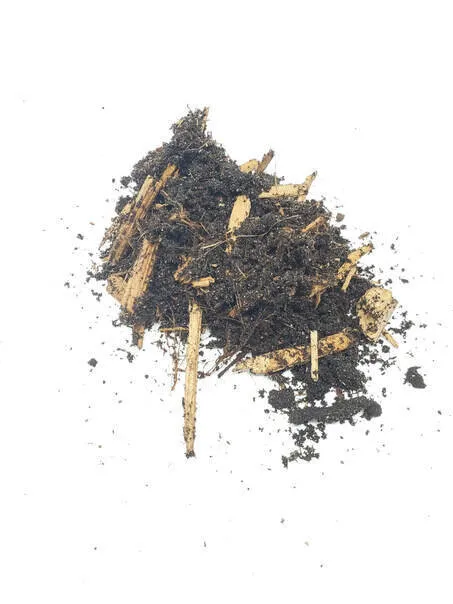
Sphagnum moss is frequently used as a supplementary substrate, often added to the main substrate to boost humidity or create specific microclimates within the enclosure. It’s incredibly effective at retaining moisture and can be used to create damp hides or moist areas for molting. While it is not usually used as a primary substrate, it can be a beneficial addition. It is a natural product. Sphagnum moss also provides a natural aesthetic to the enclosure. Ensure the sphagnum moss is clean and free of pesticides or other chemicals before use. The texture is a bit more coarse and less uniform. Ensure that the tarantula is able to move easily through the substrate.
Vermiculite
Vermiculite is a mineral-based substrate often used in tarantula keeping. It’s known for its excellent ability to absorb and retain water, making it a great choice for maintaining humidity levels. It can also help regulate temperature. It is non-toxic and can be a safe option for tarantulas. Its slightly coarser texture can provide good grip for tarantulas, making it easier for them to move around in their enclosures. The texture is also good for burrowing for some tarantulas. It’s often used as a component of a substrate mix, rather than on its own. While vermiculite is a good substrate, it is not as readily available as other substrate choices. This substrate is also a natural material, but its aesthetic properties are less appealing than other substrate choices.
Arboreal vs Terrestrial Substrate Needs
The choice of substrate also hinges on whether your tarantula is arboreal (tree-dwelling) or terrestrial (ground-dwelling). Arboreal tarantulas, which live in trees, don’t typically need as much substrate depth. A thinner layer of substrate, often combined with cork bark or other climbing structures, is generally sufficient. The substrate is more for maintaining humidity than for burrowing. Terrestrial tarantulas, however, often require a deeper layer of substrate, as they are inclined to burrow. A depth of 4-6 inches, or even more for larger species, is often recommended. This allows them to create burrows and feel secure. The substrate choice should complement the tarantula’s natural behaviors, enhancing its overall welfare.
Avoiding Toxic Substrates

Not all materials are suitable for use as tarantula substrate. Some substances can be toxic or harmful to your pet. Certain wood shavings, in particular, should be avoided. Softwood shavings, such as cedar or pine, contain oils that can be toxic to tarantulas. These oils can cause respiratory problems or other health issues. They also don’t retain humidity very well. Other materials to avoid include gravel, sand (unless specifically formulated for reptile or arachnid use), and any substrate treated with chemicals or pesticides. Always research any substrate before using it, and ensure it is safe for tarantulas. The health of your tarantula can be directly related to the substrate, so always be mindful of what you put into your enclosure.
Cedar and Pine Shavings
Cedar and pine shavings are very common in pet stores and are generally safe for many common pets. However, the aromatic oils present in cedar and pine can be highly toxic to tarantulas. These oils can cause respiratory issues and can also irritate the tarantula’s skin. Additionally, these wood shavings are not very effective at retaining moisture, making it difficult to maintain the necessary humidity levels for your pet. It is important to thoroughly research any substrate option before introducing it to your tarantula’s enclosure. Opt for alternatives like coconut fiber or peat moss, which are known to be safe and effective. The health of your tarantula depends on using safe materials in its environment.
Incorrect Substrate Depth
The depth of the substrate is as important as the type. Using an incorrect substrate depth can lead to various issues. For terrestrial species, a substrate that is too shallow will prevent them from burrowing. This lack of security can cause stress and other behavioral problems. It is not a natural environment and will also make it more difficult to maintain proper humidity. Using too much substrate, however, can also cause problems. In enclosures with poor ventilation, a very deep substrate can trap excess moisture and lead to the growth of mold or bacteria. This can be detrimental to your tarantula’s health. Always match the substrate depth to the needs of the tarantula species. The depth depends on the species, with burrowing species needing more substrate than species that live in trees.
Recognizing Signs of Substrate Problems

Even with the best intentions, substrate issues can arise. Recognizing the signs of trouble early on is crucial for preventing more serious problems. These signs can range from changes in your tarantula’s behavior to visible problems with the substrate itself. Regular observation of your pet and its habitat is a fundamental part of good tarantula keeping. Early detection allows you to resolve any potential problems before they negatively impact the tarantula’s health. Being proactive is key to maintaining a healthy and thriving environment for your pet. Pay attention to these warning signs, and take prompt action if you observe any of the following.
Tarantula Not Eating
A sudden loss of appetite can be an indicator of substrate-related problems. While tarantulas can go for extended periods without eating, a persistent refusal to eat could signify stress or discomfort. This may be related to the substrate’s conditions, like overly dry or overly wet substrate. If the enclosure lacks proper humidity, the tarantula could experience difficulty molting, leading to stress. A substrate that is too dry might make the tarantula feel unsafe, making it less inclined to eat. Check the humidity levels, ensure the substrate is appropriate for the species, and replace it if necessary. Other health issues may also be at play, but the substrate should be examined.
Tarantula Digging Excessively
Excessive digging or attempting to escape could signal an issue with the substrate. A tarantula’s natural instinct is to burrow and create a safe space. If the substrate is not suitable, such as being too dry, it will make the tarantula uncomfortable. The tarantula will attempt to make the habitat better by digging, trying to find the right conditions. The tarantula may try to escape. This behavior may also indicate the need for more humidity or a different substrate altogether. If you see a tarantula exhibiting these behaviors, it is important to check the humidity and the substrate type. Make sure that the depth is appropriate for the tarantula.
Substrate Maintenance and Replacement
Maintaining your tarantula’s substrate is an ongoing process that’s essential for the health and well-being of your pet. Regular cleaning and timely replacement are key components of this maintenance. A well-maintained substrate helps to keep the enclosure clean and hygienic, preventing the buildup of harmful bacteria and other contaminants. This also helps to ensure a stable and healthy environment for your tarantula. Proper substrate maintenance extends the life of the substrate and also helps to regulate humidity levels and prevent the buildup of waste products. Proper maintenance helps to provide a suitable environment for your tarantula and contributes to the overall longevity and health of your pet.
How to Clean Substrate
Spot cleaning is an essential part of maintaining your tarantula’s substrate. This involves removing any visible waste products, such as uneaten prey items, molted exoskeletons, and fecal matter. This is best done using a pair of tongs or a small scoop to avoid disturbing the substrate. Regularly check for any mold growth or areas that are overly damp. Removing these areas immediately will prevent problems and help maintain healthy conditions. A good rule of thumb is to spot clean the substrate whenever you observe waste products. Regular spot cleaning will help keep the enclosure clean and prevent potential health issues for your tarantula. This simple practice can extend the life of your substrate and reduce the need for more frequent replacements.
When to Replace Substrate
Even with regular spot cleaning, the substrate will eventually need to be replaced. How often you need to replace the substrate will depend on a few factors, including the substrate type, the size of the enclosure, and the tarantula’s species. For most setups, a full substrate change every 6 to 12 months is a reasonable guideline. However, if the substrate starts to break down, develop an unpleasant odor, or become heavily soiled, it should be replaced sooner. The best time to replace the substrate is when the existing substrate is no longer effectively absorbing waste or maintaining humidity levels. Replacing the substrate will ensure a healthy environment for your tarantula. When changing the substrate, be sure to remove all of the old substrate and clean the enclosure thoroughly before adding the new material.
Substrate and Your Tarantula’s Health

The substrate is much more than just something to fill the bottom of your tarantula’s enclosure; it’s a vital component of your pet’s overall health and well-being. It significantly affects the humidity, temperature, and hygiene of the enclosure. All of these factors are critical to your tarantula’s health and happiness. A proper substrate helps your tarantula thrive. Making the right choices and maintaining the substrate correctly is a key component in providing your pet with a long and healthy life. By understanding the importance of substrate, choosing the right type, and practicing good maintenance, you can ensure that your tarantula has a safe, comfortable, and enriching home.