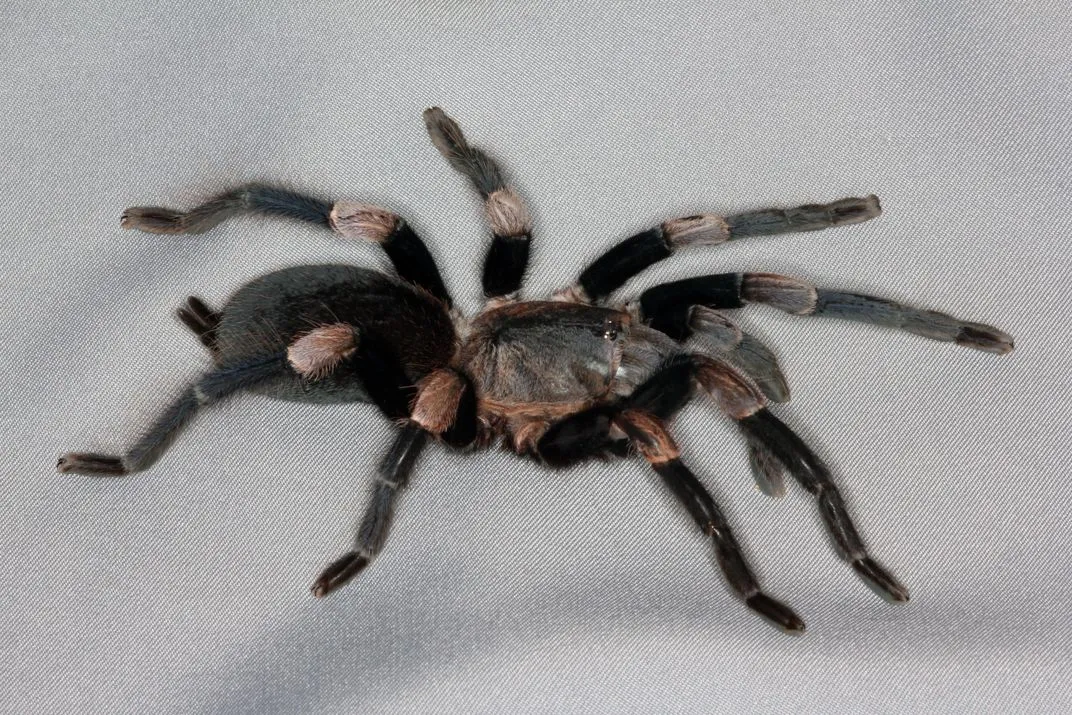
What are Tarantula Spiders?
Tarantula spiders, belonging to the Theraphosidae family, are large, hairy spiders known for their imposing size and, in some species, vibrant colors. While the term ’tarantula’ often conjures images of tropical giants, it’s essential to clarify that truly native tarantulas are not found in the UK. However, there are tarantula-like spiders that inhabit specific environments or have been accidentally introduced. These spiders share similar characteristics to their larger, exotic counterparts, including a robust build, distinct fangs, and the presence of urticating hairs, which they use for defense. Understanding the nuances of what constitutes a tarantula spider in the context of the UK requires a careful examination of the local arachnid population and their unique adaptations to the British Isles’ environment.
Appearance and Characteristics
Tarantula-like spiders in the UK typically exhibit a stocky build, with a body divided into two main parts: the cephalothorax (fused head and thorax) and the abdomen. They possess eight legs, each covered in fine hairs and sensory organs, and two chelicerae, which are used for biting and injecting venom. Their coloration can vary, often blending with their surroundings for camouflage, ranging from browns and blacks to more subdued tones. These spiders also have spinnerets at the end of their abdomen, which they use to produce silk for creating webs, egg sacs, and draglines. The overall appearance emphasizes a powerful, ground-dwelling hunter, adapted for capturing prey in a variety of habitats. Examining the detailed features allows for easier identification compared to other local spider species.
Distinguishing Features

Distinguishing tarantula-like spiders from other spiders in the UK involves careful observation of several key features. Size is a primary indicator, as they are generally larger than most other spider species found in the region. The presence of a hairy body and legs is another distinguishing trait, giving them a more robust and less slender appearance compared to typical web-spinning spiders. Furthermore, the way they move and their preferred habitats can offer clues; tarantula-like spiders are often ground-dwelling hunters, unlike web-builders. Close examination of the chelicerae (mouthparts) and the arrangement of their eyes can also aid in identification. Some species might possess urticating hairs, which can be a defensive mechanism if disturbed. Consulting field guides and using high-quality images for comparison are crucial for accurate identification.
Where Do Tarantula Spiders Live?
UK Habitats for Tarantula-like Spiders
While true tarantulas are not native to the UK, some tarantula-like spiders have established themselves in specific habitats. These spiders thrive in environments that provide suitable shelter, prey, and climate conditions. Preferred habitats include areas with dense vegetation, such as heathlands, grasslands, and occasionally, woodlands. They often burrow into the ground, under rocks, or within crevices to create their shelters, which provide protection from predators and the elements. In warmer regions of the UK, they can be found in gardens and urban green spaces. The specific habitat requirements vary depending on the species, but generally, these spiders favor environments that offer a combination of concealment and access to a diverse food source.
Rare Sightings and Geographic Distribution

Sightings of tarantula-like spiders in the UK are relatively uncommon and often localized. The geographic distribution is limited by the spiders’ specific habitat requirements and the availability of suitable environments. Some isolated populations can be found in specific regions, such as the southern and southwestern parts of the UK. Reports of sightings are more frequent during warmer months when the spiders are more active. However, the actual presence of these spiders is often underestimated, due to their cryptic nature and the difficulty of identifying them accurately. Documenting sightings and contributing to citizen science projects can help researchers to better understand the distribution and population dynamics of these fascinating arachnids in the UK.
5 Amazing Facts about Tarantula Spiders in the UK
Fact 1 Unique Adaptations
Despite the UK’s cooler climate, certain tarantula-like spiders have developed unique adaptations to survive. They have evolved to withstand colder temperatures by seeking shelter in deep burrows, under rocks, or in insulated nests. Their metabolism has adjusted to conserve energy, allowing them to survive on less food during the winter months. These spiders often have a slower growth rate compared to their tropical counterparts, giving them more time to acclimate to their environment. They also exhibit behaviors such as nocturnal hunting, which protects them from extreme weather conditions and potential predators during the day. This adaptation helps them thrive in the diverse ecosystems of the UK.
Fact 2 Behavioral Patterns

The behavioral patterns of tarantula-like spiders in the UK reveal fascinating insights into their survival strategies. They are primarily ambush predators, waiting patiently for prey to come within striking distance. They are also skilled hunters, capable of capturing insects and other invertebrates. Their hunting behavior varies by species, some of which actively pursue their prey while others employ web-based traps. During mating season, males engage in elaborate courtship rituals, often involving vibrations and tactile displays to attract females. After mating, the females lay their eggs, which are then protected within a silk egg sac. The spiders also exhibit territorial behavior, defending their burrows and hunting grounds from other spiders.
Fact 3 Dietary Habits
The dietary habits of tarantula-like spiders in the UK include a variety of prey items. Their diet consists of insects, such as beetles, grasshoppers, and moths. They also consume other invertebrates, like smaller spiders and even woodlice. Some larger species may occasionally prey on small vertebrates. They have strong chelicerae for grasping and injecting venom into their prey, effectively paralyzing them. The spiders then inject digestive enzymes into the prey, turning the internal organs into a liquid that can be easily consumed. This efficient feeding method allows them to extract maximum nutrients from their meals, ensuring their survival in challenging environments. The availability and diversity of prey directly affect the spider population dynamics.
Fact 4 Lifespan and Lifecycle
The lifespan and lifecycle of tarantula-like spiders in the UK vary considerably depending on the species. Some species have shorter lifespans, completing their lifecycle in a year or two, while others live for several years. They go through a process of molting, shedding their exoskeleton to accommodate growth. During molting, the spiders are highly vulnerable to predators. Females typically live longer than males, as they continue to reproduce throughout their adult life. The egg sacs, which contain the developing spiderlings, are carefully guarded by the females until they hatch. The growth rate of these spiders is generally slower compared to tropical species, because of the environmental condition in the UK. Understanding these patterns is crucial for conservation efforts.
Fact 5 Interaction with Humans

Interactions between tarantula-like spiders and humans in the UK are typically infrequent. These spiders are generally not aggressive towards humans and will only bite if they feel threatened. Their bites, while potentially painful, are not considered medically significant to most individuals. The primary concern is the defensive urticating hairs some species may possess, which can cause skin irritation. Most encounters with these spiders occur by accident, such as when gardening or during outdoor activities. Educating the public about these spiders and their behavior can help prevent unnecessary fear and promote understanding. The best approach is to observe them from a safe distance and avoid handling them. Awareness of their presence and potential habitats can also reduce the chances of accidental encounters.
Are Tarantula Spiders Dangerous?
Bites and Venom
The potential danger of tarantula-like spiders in the UK is primarily associated with their bite, which is usually only inflicted when they feel threatened or provoked. Their venom, while present, is not considered highly toxic to humans, and the effects are often comparable to a bee sting. The bite may cause local pain, swelling, and redness, but it rarely leads to serious medical complications. However, it’s important to note that individual reactions to the venom may vary. Some people may experience a more severe reaction, especially if they have allergies to spider venom. Prevention of bites involves exercising caution around these spiders, refraining from handling them, and being mindful of potential habitats.
First Aid and Treatment

If bitten by a tarantula-like spider in the UK, it’s crucial to take appropriate first aid measures. The first step is to clean the bite wound thoroughly with soap and water to reduce the risk of infection. Applying a cold compress or ice pack can help alleviate pain and swelling. Antihistamines may provide relief from itching or allergic reactions. Monitor the bite site for any signs of infection, such as increased redness, swelling, or pus. In most cases, the symptoms will subside within a few days. If the symptoms worsen or if the person experiences severe reactions like difficulty breathing, seek immediate medical attention. Consulting a healthcare professional is advisable, particularly if the individual is unsure about the spider or their condition.
Conservation Status and Future
Threats to UK Tarantula Spiders
Several threats pose a risk to tarantula-like spiders in the UK, including habitat loss due to urbanization, agricultural expansion, and climate change. The destruction of their preferred habitats, such as grasslands and heathlands, reduces the availability of shelter, food, and nesting sites. The use of pesticides can also impact the spiders and their prey populations. Climate change leads to shifts in weather patterns, which may affect their survival and reproduction. The increasing number of invasive species can compete with native spiders for resources. Raising awareness about these threats and implementing conservation strategies are vital to ensure the continued presence of these spiders in the UK.
Conservation Efforts

Conservation efforts for tarantula-like spiders in the UK involve several approaches. Protecting and restoring their habitats is essential, which includes preserving and managing grasslands, heathlands, and woodlands. Monitoring populations and conducting research to better understand their distribution, behavior, and ecology is also crucial. Implementing sustainable land management practices to minimize the impact of agriculture and development is essential. Encouraging public awareness and education about these spiders and their role in ecosystems is necessary. Citizen science initiatives, where volunteers can contribute to data collection, are valuable. Supporting conservation organizations and initiatives focused on preserving the UK’s biodiversity can make a significant difference in protecting tarantula-like spiders and their habitats for future generations.