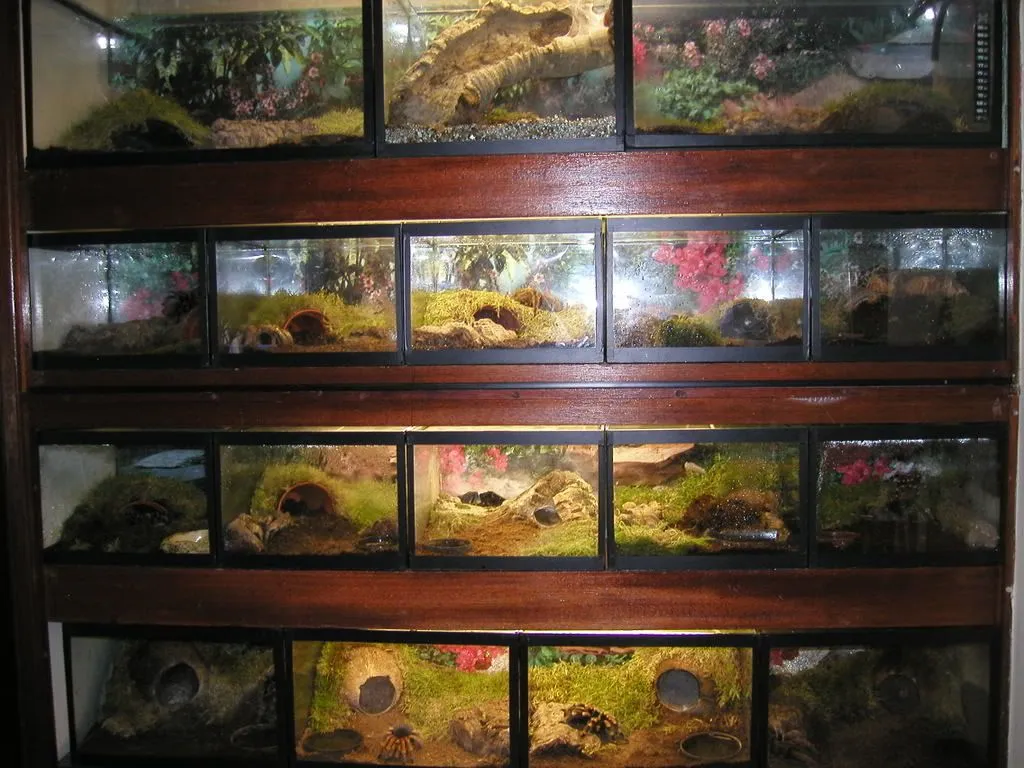
Choosing the Right Tarantula Sling Enclosure UK
Selecting the perfect enclosure for your tarantula sling is crucial for its health, safety, and overall well-being. In the UK, where the climate can be unpredictable, creating a suitable environment is even more important. This guide will help you navigate the essential factors to consider when choosing an enclosure, ensuring your tiny eight-legged friend thrives. From size and material to ventilation and accessories, we’ll cover everything you need to know to make an informed decision for your tarantula sling.
Size Matters Choosing the Correct Enclosure
Why Size is Important

The size of your tarantula sling enclosure is perhaps the most critical factor. A correctly sized enclosure provides a sense of security, allowing the sling to feel safe and reducing stress. It also makes it easier for the sling to find food and water. A small enclosure minimizes the risk of the sling getting lost or struggling to find its prey. Remember, tarantula slings are tiny, and their needs differ significantly from those of adult tarantulas. The right size promotes healthy growth and development in the early stages of life.
Potential Problems with Oversized Enclosures
While it might seem counterintuitive, an oversized enclosure can be detrimental to a tarantula sling. A large space can make it difficult for the sling to find food, leading to potential starvation. It can also make it harder for the sling to locate a suitable microclimate, which can be essential for molting. Furthermore, an oversized enclosure can make the sling feel exposed and vulnerable, increasing stress levels. A stressed tarantula sling may be less likely to eat, grow, and molt properly. Always opt for an enclosure that is proportionate to the size of your sling, allowing for appropriate space while maintaining a secure environment.
Best Material for Tarantula Sling Enclosures
The material of your tarantula sling enclosure significantly impacts its functionality and suitability for the tarantula. Several materials are commonly used, each with its own set of advantages and disadvantages. Consider the pros and cons of each material to determine which best suits your needs and your sling’s requirements. The best choice will depend on your budget, aesthetic preferences, and the specific needs of your tarantula species.
Acrylic Enclosures
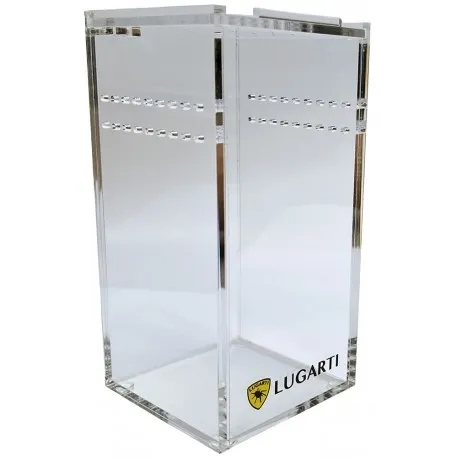
Acrylic enclosures are a popular choice for tarantula slings in the UK due to their durability, clarity, and lightweight nature. Acrylic offers excellent visibility, allowing you to easily observe your sling. It also tends to be more shatter-resistant than glass, reducing the risk of accidental breakage. Acrylic enclosures often come with pre-drilled ventilation holes, simplifying setup. However, acrylic can scratch easily, and some types may not be as effective at retaining heat and humidity as other materials. Always ensure the acrylic is specifically designed for reptile or invertebrate use to avoid any potential toxicity issues. (Image: tarantula-sling-acrylic-enclosure.webp)
Glass Enclosures
Glass enclosures provide excellent visibility and are relatively easy to clean. Glass is non-porous, meaning it won’t absorb odors or harbor bacteria. They are a classic choice for many pet owners. However, glass enclosures can be heavier than acrylic ones, and they are more prone to breaking if dropped. They may also require modifications to ensure adequate ventilation. Ensure the glass is of appropriate thickness to maintain proper temperature and humidity levels. Make sure to handle glass enclosures with care to prevent cracks or breaks, which can be dangerous for both you and the tarantula sling. (Image: tarantula-sling-glass-enclosure.webp)
Plastic Enclosures
Plastic enclosures are often a budget-friendly option, and they can be lightweight and easy to handle. They come in various shapes and sizes, making it easy to find one that fits your needs. However, the clarity of the plastic may not always be as good as acrylic or glass. Also, some plastics can warp or discolor over time, and you may need to add your own ventilation. Ensure the plastic is food-grade and safe for use with animals. These enclosures are a good starting point for new tarantula keepers. (Image: tarantula-sling-plastic-enclosure.webp)
Ventilation is Key Maintaining Airflow

Proper ventilation is essential to maintain a healthy environment for your tarantula sling. Adequate airflow helps prevent the buildup of mold and mildew, which can be harmful to the sling’s health. Ventilation also regulates humidity levels and prevents stagnant air, which can lead to respiratory problems. Good ventilation contributes significantly to the overall well-being of the tarantula and creates a safer and healthier living space. The ventilation design needs to match the species and its needs.
Importance of Cross Ventilation
Cross-ventilation is the most effective type of ventilation. This involves having air entry points on one side of the enclosure and exit points on the opposite side. This creates a gentle airflow that removes stale air and introduces fresh air. Cross-ventilation helps to regulate temperature and humidity more evenly, which is crucial for the sling’s health and molting success. Proper ventilation is a crucial aspect of enclosure setup. (Image: tarantula-sling-ventilation.webp)
Avoiding Stagnant Air
Stagnant air can lead to the buildup of harmful bacteria and fungi, which can cause respiratory infections in your tarantula sling. Ensure that the enclosure has sufficient ventilation to prevent stagnant air from forming. Avoid placing the enclosure in areas with poor air circulation, such as corners or enclosed spaces. Regularly check the enclosure for any signs of mold or mildew, and clean it as needed. Stagnant air can create an unhealthy environment for your sling, so proper airflow is crucial.
Top 5 Tarantula Sling Enclosures UK

Here are five excellent enclosure options available in the UK for your tarantula sling. These selections consider size, material, ventilation, and ease of use. The best choice depends on your species and preferences. Always research your tarantula’s needs before making your final decision.
Enclosure Option 1 Description
A small, clear acrylic enclosure with cross-ventilation. It’s specifically designed for tarantula slings, offering excellent visibility and ease of cleaning. These enclosures are often sold as starter kits, including a small water dish and substrate. They provide a secure and easy-to-manage environment for young tarantulas. They offer many benefits such as low cost and high durability, making them a popular choice.
Features of Enclosure Option 1
- Clear acrylic construction for easy viewing
- Cross-ventilation design for optimal airflow
- Secure lid to prevent escapes
- Pre-drilled holes for easy setup
- Compact size suitable for small slings
Enclosure Option 2 Description
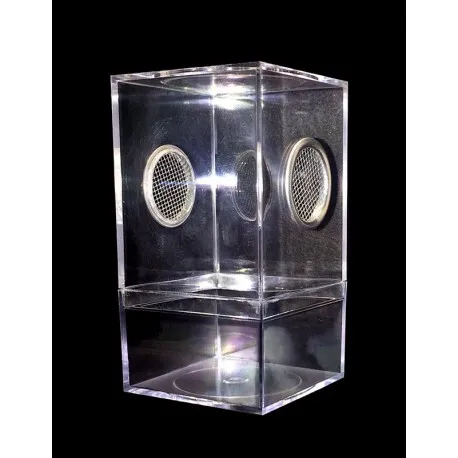
A small glass terrarium with a secure mesh lid. This provides excellent visibility and a secure environment. The mesh lid allows for good ventilation while preventing escape. These enclosures are also easy to decorate and customize with substrate and hides. These enclosures are often available in various sizes to suit different species and sling sizes.
Features of Enclosure Option 2
- Glass construction for excellent visibility
- Secure mesh lid for ventilation and security
- Suitable for arboreal and terrestrial slings
- Easy to clean and maintain
- Available in various sizes
Enclosure Option 3 Description
A plastic enclosure with a snap-on lid and built-in ventilation. These are cost-effective and lightweight, making them a good choice for beginners. They can be readily adapted for different species through the addition of substrate, hides, and decorations. However, ensure the ventilation is sufficient. These enclosures are popular for their practicality and easy maintenance.
Features of Enclosure Option 3

- Durable plastic construction
- Built-in ventilation system
- Secure snap-on lid
- Lightweight and easy to handle
- Affordable option for beginners
Enclosure Option 4 Description
A custom-built acrylic enclosure with specific features like pre-drilled holes for misting and feeding. These enclosures are tailored to meet the needs of specific tarantula species and provide enhanced control over the environment. Custom enclosures ensure the ideal setup, making them a top choice for experienced keepers or those with specific requirements. They can be designed to be arboreal or terrestrial enclosures.
Features of Enclosure Option 4
- Custom-built to specific size and needs
- Pre-drilled holes for feeding and misting
- Enhanced ventilation options
- Durable acrylic construction
- Optimized for specific species
Enclosure Option 5 Description

A repurposed container, such as a clear plastic storage box with modifications for ventilation and a secure lid. This is a cost-effective DIY option. Repurposing lets you create a customized enclosure without spending a lot. Ensure the plastic is safe and non-toxic. DIY enclosures can offer a unique and personalized environment for the sling.
Features of Enclosure Option 5
- Cost-effective DIY solution
- Customizable to any size
- Requires modifications for ventilation
- Uses repurposed materials
- Provides a unique enclosure option
Essential Enclosure Accessories UK
Beyond the enclosure itself, several accessories are essential for creating a suitable habitat for your tarantula sling. These accessories help to maintain humidity, provide a place to hide, and make the enclosure a more comfortable and secure environment. Selecting the right accessories is key to a happy and healthy tarantula. These are available across the UK from various pet suppliers.
Substrate Selection
Substrate is the material that forms the base of your tarantula’s enclosure. The best substrate for tarantula slings includes a combination of moisture retention and drainage. Coconut fiber (coco coir) is a popular choice in the UK because it retains humidity well and is resistant to mold and mildew. Sphagnum moss is another excellent option, especially for species that require higher humidity levels. Ensure the substrate is free from pesticides and other chemicals. Use a depth appropriate for the tarantula’s burrowing behavior and size. (Image: tarantula-sling-substrate.webp)
Water Dish
Providing a water dish is critical for your tarantula sling. Even though tarantulas get some moisture from their food, they still need access to fresh water. The water dish should be shallow enough that the sling can easily access it, and it should be kept clean. Use a small, stable dish, such as a bottle cap or a shallow dish specifically designed for reptiles and invertebrates. Make sure the water is always fresh, and change it regularly to prevent the buildup of bacteria. (Image: tarantula-sling-water-dish.webp)
Hides and Decor
Tarantula slings need places to hide to feel secure, especially during molting. Provide hides such as cork bark, half-logs, or artificial plants. These items offer a place for the sling to retreat when feeling vulnerable. Decor also adds enrichment to the enclosure and makes it more visually appealing. When selecting decor, prioritize safety and ensure that it is not sharp or likely to cause injury to your sling. Consider adding artificial plants to provide a more natural environment. (Image: tarantula-sling-hide-decor.webp)
Conclusion The Best Enclosure for Your Tarantula Sling UK
Choosing the right enclosure for your tarantula sling in the UK involves careful consideration of size, material, ventilation, and accessories. By understanding these factors and selecting the best enclosure, you can provide a safe, healthy, and enriching environment for your tiny tarantula. Remember to research the specific needs of your tarantula species and tailor your enclosure setup accordingly. With the right setup, you’ll be well on your way to successfully keeping and enjoying your tarantula sling for years to come. Happy keeping!