What Are Springtails?
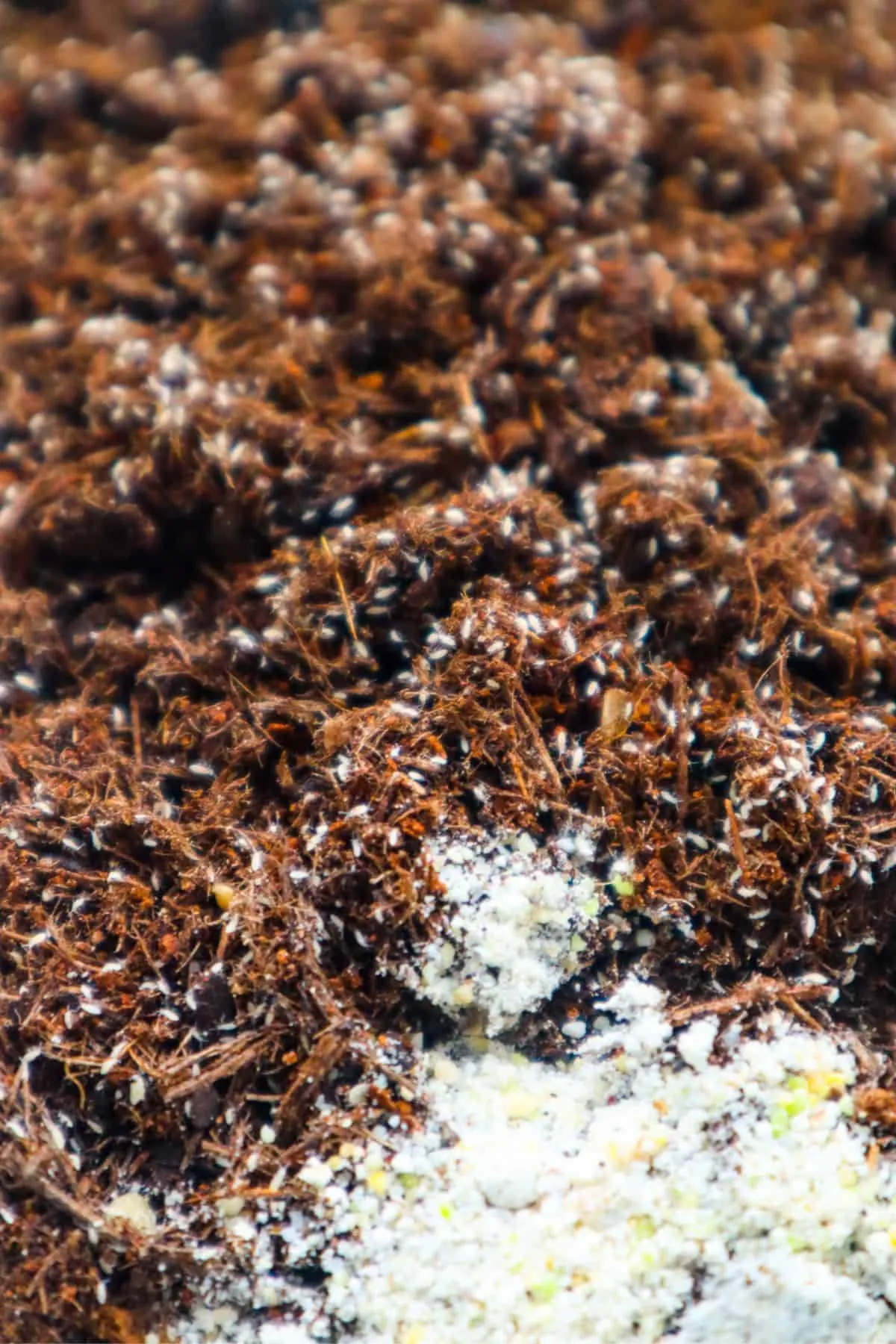
Springtails, scientifically known as Collembola, are tiny, wingless arthropods that thrive in moist environments. They are not insects, but rather belong to a group of hexapods, which means they have six legs. These minuscule creatures are typically less than 6 millimeters in length, making them ideal prey for small predators like tarantula slings. Springtails are detritivores, meaning they feed on decaying organic matter, fungi, and bacteria in the soil or substrate, playing a crucial role in nutrient cycling within their ecosystems. Their name comes from their ability to jump using a furcula, a tail-like appendage tucked under their abdomen, allowing them to escape predators or move quickly across surfaces. They are an important element in the soil food web.
Appearance and Habitat of Springtails
Springtails come in a variety of colors, including white, gray, brown, and even iridescent hues, depending on the species and their environment. Their bodies are typically elongated or oval-shaped, and they possess a segmented body plan. These small creatures prefer humid environments, often found in leaf litter, soil, under rocks, and decaying wood. They are common in terrariums, greenhouses, and even your garden compost. In their natural habitat, they contribute significantly to the decomposition process, breaking down organic material and releasing nutrients back into the ecosystem. When cultivating them for feeding tarantulas, maintaining a moist environment with ample organic matter is essential for their survival and reproduction. They require a specific range of humidity and temperature to thrive.
Why Springtails are Ideal for Tarantula Slings

Springtails offer several advantages that make them an excellent food source for tarantula slings. Their small size is perfect for the tiny mouths of baby tarantulas, allowing them to consume the prey without difficulty. Springtails are also relatively easy to culture, providing a sustainable and readily available food supply. They are soft-bodied, making them easy to digest, and they don’t possess any hard exoskeletons that could pose a hazard to the slings. Moreover, springtails are active prey, which can stimulate the hunting instincts of young tarantulas, providing them with enrichment and exercise. Furthermore, their high moisture content helps keep slings hydrated, which is crucial for their health, especially during molting periods. This makes them a well-rounded, convenient, and nutritious option for early tarantula care.
Nutritional Value of Springtails
Springtails, though small, provide a surprising amount of nutritional value for tarantula slings. They are a good source of protein, essential for growth and development, and also contain chitin, a key component of the exoskeleton that helps in the molting process. The precise nutritional profile can vary depending on the springtail species and their diet, but generally, they are low in fat, making them a healthy food choice. Feeding springtails that have been gut-loaded (fed nutritious food) can further enhance their nutritional value, providing tarantula slings with a more balanced diet. The natural diet of springtails typically includes fungi and decaying organic matter, which contributes vitamins and minerals. This makes them more than just a protein source; it’s a comprehensive source of nutrients for developing tarantulas.
Benefits of Feeding Springtails to Slings
Feeding springtails to tarantula slings offers multiple benefits beyond simple nutrition. Firstly, springtails provide a natural and stimulating hunting experience, encouraging the slings to exhibit their natural predatory behaviors. The movement of the springtails activates the hunting instincts of the tarantula, which is crucial for their mental and physical development. Secondly, springtails are easily digestible, reducing the risk of digestive issues common with harder-shelled prey items. This ease of digestion is critical for young tarantulas that may not have fully developed digestive systems. Thirdly, springtails help keep the habitat clean by consuming any uneaten food and waste, which can otherwise promote the growth of mold and bacteria. Lastly, regular feeding of springtails ensures that the slings are getting a consistent supply of nutrients, promoting healthy growth and development, setting them up for a long and healthy life.
Size Appropriateness for Tarantula Slings

The size of springtails makes them perfectly suited for tarantula slings of almost any size. Even the smallest slings can successfully hunt and consume springtails without difficulty. The tiny size of springtails prevents them from overwhelming or posing any danger to the delicate slings. This is especially important during the early stages of tarantula development, when they are most vulnerable. The size compatibility eliminates the need to crush or pre-kill prey, reducing the risk of injury to the sling and allowing them to develop their hunting skills naturally. As the tarantula grows, springtails can continue to be a part of their diet, especially as a supplemental food source, offering a change of pace from larger prey items. This flexibility in feeding allows for a consistent, well-balanced diet throughout the sling’s growth phase, contributing to their overall health and wellbeing.
Potential Risks of Springtails
While springtails are generally safe and beneficial, there are potential risks to consider. One risk is the possibility of introducing mites or other unwanted organisms into the tarantula’s enclosure. Springtails can sometimes harbor these pests, which could harm the tarantula or its environment. Another risk is the potential for springtails to overpopulate the enclosure. This can occur if the conditions are too favorable, leading to a large population of springtails that may compete for resources. Overfeeding or improper substrate management can exacerbate this issue. Furthermore, if the springtails are not properly sourced or cultured, there’s a risk of them being exposed to harmful chemicals or contaminants. While rare, this could potentially harm the tarantula if ingested. Therefore, careful sourcing and responsible culture maintenance are essential to minimize any potential risks.
Contamination Risks and How to Mitigate
To mitigate the risks of contamination, it’s crucial to source springtails from reputable suppliers who practice responsible culturing methods. Quarantine new springtail cultures before introducing them to your tarantula’s enclosures to observe for any signs of unwanted organisms. Regularly inspect the springtail culture for any unusual activity, such as the presence of mites or mold, and discard cultures that show signs of contamination. Using a clean, well-ventilated environment for your springtail culture helps prevent the growth of unwanted organisms. Feed your springtails a diet that is free from pesticides or harmful chemicals. Avoid overcrowding the culture, which can promote the buildup of waste and create ideal conditions for unwanted pests. By following these practices, you can minimize the risk of introducing any contaminants into your tarantula’s environment and ensure the safety of your pet. Proper sanitation and observation are key to maintaining a healthy springtail culture.
How to Prepare Springtails for Feeding

Preparing springtails for feeding is a straightforward process. First, you can simply introduce springtails directly from the culture container into the tarantula sling’s enclosure. The quantity of springtails should be appropriate for the size of the sling; start with a small amount and observe the sling’s feeding behavior. You can also carefully remove a portion of the springtail culture and transfer it to a smaller container for easier handling. Before feeding, ensure the springtails are free from any visible contaminants. Avoid using any chemicals or treatments on the springtails. For optimal nutritional value, consider gut-loading the springtails with a nutritious diet before feeding them to your tarantula. This can enhance the nutritional content of the springtails, providing your tarantula sling with a more balanced meal. Observe your tarantula after feeding to ensure it’s consuming the prey and to monitor for any signs of overfeeding or digestive issues.
Cultivating Your Own Springtail Colony
Cultivating your own springtail colony provides a consistent, cost-effective, and readily available food source. Start with a container, such as a plastic tub or a small terrarium, and add a substrate that retains moisture, like sphagnum moss, charcoal, or a mixture of peat moss and vermiculite. Introduce a starter culture of springtails purchased from a reputable source. Maintain a high humidity level by misting the substrate regularly, ensuring the environment remains moist but not waterlogged. Feed the springtails a diet of organic materials like yeast, rice, fish flakes, or decaying leaves, providing a balanced food source for the colony. Keep the container in a dark location and maintain a temperature range of 65–75°F (18–24°C) to foster optimal breeding conditions. Regularly observe the colony and add fresh substrate and food as needed. With proper care and maintenance, your springtail colony will thrive, providing a continuous food supply for your tarantula slings, and ensuring you always have access to fresh and nutritious food.
Feeding Frequency and Amount
The feeding frequency and amount depend on the age and size of your tarantula sling. For very young slings, feeding small amounts of springtails every other day or every three days can be sufficient. As the tarantula grows, you can increase the feeding frequency and the number of springtails. Observe the sling’s abdomen; if it appears plump and well-fed, you can reduce the frequency. Avoid overfeeding, which can stress the tarantula and lead to health issues. The number of springtails should allow the sling to hunt and consume them within a reasonable timeframe, typically within a day or two. Adjust the feeding schedule based on the sling’s molting cycle and activity levels; slings preparing to molt may eat less. Always remove any uneaten springtails to prevent the buildup of mold and waste. Monitor the overall health and activity of your tarantula sling, adjusting feeding as needed to ensure it thrives, and maintains a healthy body condition.
Alternatives to Springtails for Tarantula Slings

While springtails are excellent food for tarantula slings, other options exist to provide a varied diet. Fruit flies (Drosophila melanogaster or Drosophila hydei) are a popular alternative due to their size and availability. However, fruit flies can be more difficult to contain and may pose a slight risk of escape. Pre-killed pinhead crickets are another option, though they must be small enough for the sling to handle. These can provide a good source of protein. It is always recommended to feed pre-killed crickets to avoid any potential injuries. Some keepers also use small, soft-bodied worms, like newly hatched mealworms, as a supplement, but they should be offered in moderation due to their higher fat content. The best approach is to offer a diverse diet, including a variety of these food sources to ensure the tarantula sling receives all necessary nutrients. Regularly alternating between different prey items helps keep the sling interested in feeding and ensures they have a broad range of essential nutrients.
Other Suitable Food Sources
Besides springtails, a variety of other food sources are suitable for tarantula slings. Flightless fruit flies, particularly the wingless varieties, offer a convenient option due to their ease of handling and high nutritional value. Pre-killed pinhead crickets, readily available at most pet stores, provide a good source of protein. When using crickets, make sure they are freshly killed to prevent any injuries from occurring and to reduce the chances of any parasites. Small roaches, such as the Dubia roach nymphs, can be introduced once the tarantula sling has grown larger. These should also be offered pre-killed. Remember to gut-load these insects before feeding them to your tarantula sling. In addition to these primary food sources, providing a small amount of variety, such as newly hatched mealworms or small worms, can benefit the sling’s diet. It’s important to research and understand the nutritional profile of each food source, ensuring that you provide a balanced and healthy diet for your growing tarantula sling.
Monitoring Your Tarantula Sling’s Health
Regularly monitoring your tarantula sling’s health is essential for ensuring it is thriving. Observe the sling’s abdomen for signs of fullness after feeding, indicating adequate nutrition. Check the overall activity level; a healthy sling will be active and responsive to stimuli. Monitor the molting cycle; a sling preparing to molt may become less active and refuse food. Ensure the enclosure conditions, including temperature, humidity, and ventilation, are within the appropriate range for the species. Look for any signs of illness or distress, such as lethargy, loss of appetite, or unusual behaviors. If you notice any health concerns, consult with a tarantula expert or veterinarian experienced in arachnids. Also, check the enclosure for any signs of mold, mites, or other unwanted pests. Keep the substrate clean and free of any uneaten food or waste. Monitoring the tarantula’s overall condition helps catch any potential problems early. Early detection and intervention can improve the health and longevity of your tarantula sling.
Identifying Overfeeding and Underfeeding

Recognizing the signs of overfeeding or underfeeding is crucial for tarantula sling health. Overfeeding can lead to a swollen abdomen, which may cause health problems such as rupture. A tarantula that is constantly refusing food or exhibiting lethargy may also be overfed. Conversely, a tarantula that appears thin, with a small or concave abdomen, is likely underfed. Underfed slings will have a diminished growth rate and could become weak. Observing feeding behavior and frequency is essential, adjusting the amount of food provided accordingly. Adjust the feeding schedule as the sling grows. Always remove any uneaten food within a reasonable timeframe, to avoid potential issues. Regular observation and adjustment of the feeding schedule are key for maintaining your tarantula sling’s health and ensuring it grows properly. A balanced feeding regime will contribute to a healthy, active tarantula that thrives.
Conclusion Is it a Perfect Match?
In conclusion, springtails and tarantula slings indeed make a perfect match. Springtails offer the ideal size, nutrition, and ease of culture, making them an excellent primary or supplemental food source for tarantula slings. They are easy to digest, stimulate natural hunting behaviors, and contribute to the overall health and well-being of the slings. While there are potential risks, such as contamination, they can be mitigated with proper sourcing, culturing, and enclosure management. By providing springtails, you ensure that your tarantula sling receives a nutritious, varied diet, and a stimulating feeding experience, which sets the foundation for a healthy and long life. Therefore, with the proper care and attention to detail, springtails truly prove to be a perfect choice for nurturing your growing tarantula slings. They are a fundamental aspect of providing the best care for these fascinating arachnids.