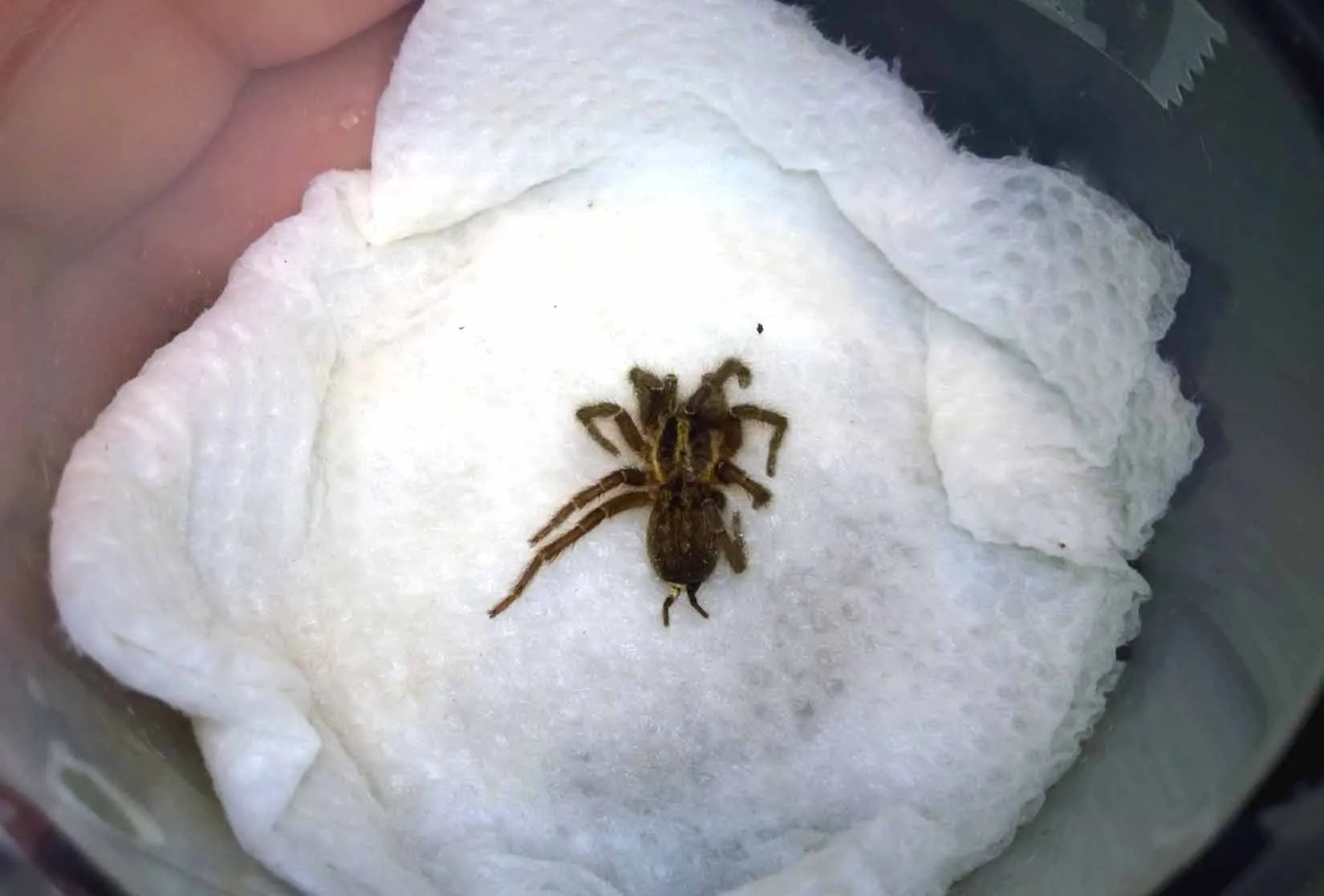
Why is My Tarantula Sling Not Moving?
Discovering your tarantula sling motionless can be a worrying experience for any arachnid enthusiast. While it’s natural to be concerned, it’s important to understand the various reasons behind this behavior. Tarantula slings, being small and delicate, are susceptible to a range of factors that can affect their activity levels. This article will explore the common causes of immobility in tarantula slings, from environmental issues to health concerns. Understanding these potential issues is the first step in ensuring the well-being of your tiny, eight-legged friend. By recognizing the signs and knowing how to respond, you can provide the best possible care and potentially save your tarantula sling from harm.
Understanding Tarantula Sling Behavior
Before diving into the reasons for immobility, it’s crucial to understand the normal behavior of a tarantula sling. These young tarantulas have different activity patterns than adult tarantulas. Slings typically spend a significant amount of time in their burrow or hide, especially when they are newly established in a new enclosure. They are often more cautious and may remain still for extended periods to conserve energy and avoid predators. A healthy tarantula sling will usually be seen moving around, exploring its enclosure, and actively feeding. However, variations in activity can occur depending on the species, the time of day, and environmental conditions. Recognizing these nuances will help you differentiate between normal behavior and potential problems.
Normal Tarantula Sling Behavior vs. Concerns

How do you know if your tarantula sling’s stillness is a cause for concern? Normal behavior includes periods of inactivity, especially after feeding or during the day. However, prolonged immobility, lack of response to stimuli (like gentle prodding), or unusual postures are potential red flags. If your sling is curled up tightly, lying on its back, or exhibiting any other strange positions, it’s important to investigate further. Healthy slings are usually alert and responsive to their environment. They may move quickly if disturbed or when hunting. The key is to observe your sling regularly and become familiar with its normal routine so you can quickly identify any deviations that may indicate an underlying issue.
Top 5 Reasons Why Your Tarantula Sling Isn’t Moving
Several factors can contribute to a tarantula sling’s immobility. Knowing these common causes is key to addressing the problem effectively. This section will outline the top five reasons why your tarantula sling might not be moving, offering insights into each and what you can do to help. The following are some of the most common causes, ranging from environmental issues to health problems. By understanding these potential issues, you can take the necessary steps to ensure the health and well-being of your tarantula sling and hopefully get it moving again.
Dehydration in Tarantula Slings
Dehydration is a common problem for tarantula slings, often caused by insufficient access to water or excessively dry environmental conditions. Slings have a high surface-area-to-volume ratio, making them prone to water loss. Dehydrated slings may appear shrunken or shriveled, and their abdomen may look smaller than usual. The lack of movement is a natural response, as the sling conserves energy. Proper hydration is essential for all life processes. Always ensure that the enclosure has a shallow water dish, a moist substrate, and the right ventilation. Regular misting, especially in drier climates, will help maintain the proper humidity levels and provide the sling with the moisture it needs to stay active and healthy. Observe how the sling is interacting with the environment, and check if the water is clean.
Identifying Dehydration

Identifying dehydration in a tarantula sling is crucial for timely intervention. Signs of dehydration include a shrunken abdomen, wrinkled skin, and lethargy. The tarantula sling may also appear to be sitting in a hunched position. Check for a lack of response to stimuli, such as a gentle tap on the enclosure. If the sling is unresponsive and shows any of these symptoms, dehydration is a strong possibility. It’s essential to act quickly to prevent further health complications. Regular observation of your tarantula sling’s behavior and appearance is important. Comparison between its normal state and its current state will help you identify the dehydration signs.
How to Rehydrate Your Tarantula Sling
Rehydrating a dehydrated tarantula sling involves several steps. First, ensure a shallow water dish is always available. Gently mist the enclosure with distilled water, avoiding direct spraying on the sling. Offer a drop of water near the sling’s mouth using a syringe or a cotton swab. Increasing the humidity in the enclosure can also help. Ensure there is adequate ventilation to prevent mold growth, however. Monitor the sling closely and look for signs of improvement, such as increased activity and a plumper abdomen. Rehydration is essential, and these actions will help provide the sling with what it needs to regain its health. If the condition does not improve, it’s best to seek advice from an experienced tarantula keeper or a veterinarian with exotic animal experience.
Pre-molt Immobility in Tarantula Slings
Immobility is a common sign that a tarantula sling is preparing to molt. During the pre-molt stage, the sling stops eating and becomes less active. It may remain still for several days or even weeks before molting. Understanding this natural process will help you avoid unnecessary concern. Provide a safe and undisturbed environment during this period. The sling will be very vulnerable during molting. Avoid handling or disturbing the enclosure unless absolutely necessary. The molting process is essential for the sling’s growth and development. Ensure proper humidity and provide a secure space for the molting to occur. Do not try to assist the sling unless there are obvious problems such as a stuck molt.
Signs of an Approaching Molt

Several signs indicate that your tarantula sling is about to molt. These include a darkened abdomen, changes in the coloration of the carapace, and the refusal to eat. The sling may also appear sluggish and spend more time in its burrow. Look for the appearance of a new exoskeleton under the old one, which is a clear indication of an upcoming molt. The tarantula might seal off its burrow entrance. These signs can vary depending on the species, but being aware of these common indicators can help you prepare for the molting process. Proper environmental conditions and minimal disturbance will help ensure a successful molt. The right preparation will improve the chances of a successful molt.
Caring for a Pre-Molt Tarantula Sling
Caring for a pre-molt tarantula sling involves creating a stress-free environment. Stop feeding the sling and ensure the enclosure has appropriate humidity levels. Avoid any disturbances, such as sudden noises or vibrations near the enclosure. Provide a substrate depth that will allow the sling to flip over if it needs to molt on its back. Regularly check for the correct environmental conditions. Avoid handling the sling during this vulnerable period. A pre-molt tarantula is best left alone to focus on the molting process. Patience and a calm environment are key to helping your sling through this crucial stage of its life. This process is very important, so it needs to be respected.
Stress and Environmental Factors
Stress and environmental factors can significantly impact a tarantula sling’s activity level. Stress can be triggered by several factors, including sudden changes in temperature or humidity, loud noises, or vibrations. A poorly designed enclosure can also cause stress. For example, a lack of hiding places or inadequate ventilation can make the sling feel insecure. Ensure the enclosure provides the appropriate temperature and humidity levels for the species. Minimize disturbances by keeping the enclosure in a quiet area away from direct sunlight and heavy foot traffic. By providing a stable and safe environment, you can help your tarantula sling thrive and avoid stress-induced immobility.
Overly Dry or Humid Conditions

Both overly dry and overly humid conditions can lead to immobility in tarantula slings. Extreme dryness can cause dehydration, as previously discussed. Conversely, excessive humidity can lead to mold growth, which is dangerous for the sling. Maintain the correct humidity levels by using a hygrometer and adjusting the ventilation and misting frequency as needed. Provide a water dish and a suitable substrate to help regulate humidity. Ensure adequate airflow to prevent the build-up of condensation and mold. Understanding your tarantula’s species specific requirements will ensure that the environmental conditions are just right. The correct conditions promote healthy behavior and the ability to move around.
Handling and Disturbances
Handling a tarantula sling should be kept to a minimum. Slings are fragile and can be easily injured. Frequent handling can also cause stress. Avoid disturbing the enclosure unnecessarily. Do not move the enclosure or place it in a high-traffic area. Ensure a calm and stable environment. When cleaning the enclosure, do so gently and avoid any sudden movements that might startle the sling. If handling is required, do so with great care, using a soft brush to gently encourage movement, or consider the use of a container to move them. Always prioritize the sling’s safety and well-being.
Parasites and Infections
Parasites and infections are less common but can still be a cause of immobility in tarantula slings. External parasites, such as mites, can cause irritation and discomfort, making the sling sluggish. Internal infections can also affect the sling’s overall health and activity levels. Maintaining a clean enclosure is essential for preventing these problems. Use a substrate that is free of pests and bacteria. Ensure that any live food offered to the sling is healthy and parasite-free. Regularly inspect the sling for any signs of parasites or infections, such as unusual bumps, discoloration, or changes in behavior. If you suspect an infection, it is essential to consult a veterinarian experienced with exotic animals as soon as possible.
Recognizing Parasitic Infestations

Recognizing parasitic infestations in a tarantula sling requires careful observation. Look for small mites on the tarantula’s body or in its enclosure. These mites can be red, white, or brown and are often visible to the naked eye. Other signs of parasites include lethargy, loss of appetite, and unusual behavior. If you notice any of these symptoms, quarantine the sling immediately. Clean and disinfect the enclosure to prevent the spread of parasites. Consult a veterinarian experienced in treating exotic animals for appropriate treatment options. Early detection and intervention are crucial in managing parasitic infestations and protecting your tarantula’s health. The best defense is always to regularly check the enclosure and the sling’s body for parasites.
Seeking Veterinary Assistance
If your tarantula sling is showing signs of illness or if the immobility persists despite your best efforts, seeking veterinary assistance is crucial. A veterinarian specializing in exotic animals can diagnose the underlying cause of the problem and recommend appropriate treatment. They may perform tests to identify parasites, infections, or other health issues. Bring a sample of the substrate and any other relevant information about the sling’s environment and care routine. Early veterinary intervention can improve the chances of a positive outcome. Do not hesitate to consult a professional when you have concerns about your sling’s health. Time is often of the essence when dealing with a tarantula sling’s health problems.
Nutritional Deficiencies
Nutritional deficiencies can lead to various health problems, including immobility in tarantula slings. Slings need a balanced diet to thrive. Improper feeding can lead to lack of energy and overall weakness. Ensure that the sling is getting a variety of appropriately sized prey items. Offer food items such as small crickets, fruit flies, or pre-killed prey, depending on the species and the sling’s size. Do not overfeed. Remove any uneaten food within a reasonable time to prevent mold or the build-up of unwanted insects. Providing the right nutrients and vitamins is essential for maintaining the sling’s health. An undernourished tarantula will not have the energy to move as it should.
Identifying Nutritional Issues

Identifying nutritional issues in a tarantula sling requires careful observation. Look for signs of poor growth, lethargy, and a failure to feed. The sling may also appear thin or have an unusually small abdomen. Assess the type and frequency of the feeding. Is the sling getting enough food, and is the food varied enough? Is it the correct size for your tarantula? If you suspect a nutritional deficiency, adjust the diet. Offer a more varied diet that includes prey items appropriate for the sling’s size. If the problem persists, seek advice from an experienced tarantula keeper or a veterinarian. Proper nutrition is crucial for the sling’s health, and addressing nutritional issues is important.
Proper Feeding Practices
Proper feeding practices are critical to maintaining a tarantula sling’s health. Feed the sling an appropriate amount of food based on its size and species. Offer food items that are small enough for the sling to manage and digest easily. Provide live food items, such as small crickets or fruit flies, and remove any uneaten prey within 24 hours. Pre-killed prey can be offered as well. Ensure the food is healthy and free from parasites or pesticides. Provide fresh, clean water at all times. Regular feeding will give your sling the energy it needs to grow and thrive. Watch for your sling’s interest in its prey, and remove any remaining food after a day or so.
When to Seek Professional Help
Knowing when to seek professional help is essential for your tarantula sling’s well-being. If the immobility persists despite your best efforts and you observe any of the following signs, it is time to consult a veterinarian or an experienced tarantula keeper. If the sling shows signs of illness, such as lethargy, loss of appetite, or unusual behavior. If the sling does not respond to stimuli. If there are any visible signs of parasites or infections. If you are unsure about what is happening. A professional can diagnose the problem, provide appropriate treatment, and offer guidance on how to care for your sling. Do not hesitate to seek help if you are concerned about the health of your tarantula sling. It is better to be safe than sorry.
Caring for a tarantula sling can be a rewarding experience. By understanding the common causes of immobility, you can ensure that your tarantula sling receives the best possible care. Remember to provide the right environment, ensure proper hydration, and monitor the sling for any signs of illness. With proper care and attention, your tarantula sling should thrive. Regular observation, appropriate environmental conditions, and a balanced diet are key to keeping your tarantula sling happy and healthy. The more you learn about your tarantula sling, the more you’ll enjoy the experience.