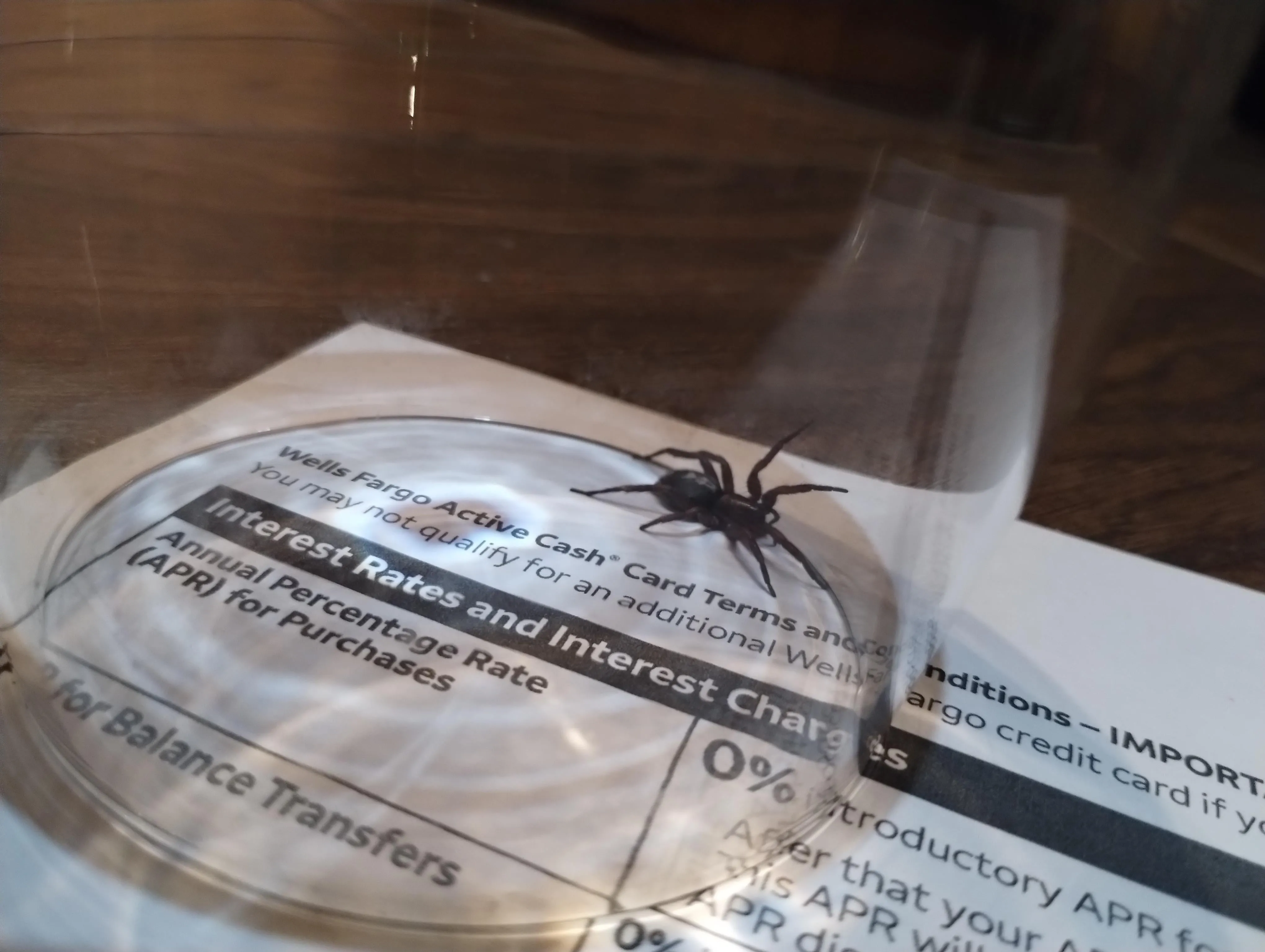
Understanding Tarantula Sling Bites
Tarantula slings, the juvenile stage of these fascinating arachnids, are often more delicate and prone to defensive behaviors than their adult counterparts. A bite from a tarantula sling, while rarely life-threatening to humans, can be a painful and unpleasant experience. Understanding the nature of these bites, including what causes them, their effects, and how to treat them, is crucial for anyone who keeps or interacts with tarantulas. This guide aims to provide comprehensive information on how to handle and treat a tarantula sling bite, ensuring your safety and well-being.
What Causes Tarantula Sling Bites?
Tarantula slings, due to their size and vulnerability, are easily startled and may bite as a defensive mechanism. Bites usually occur when the spider feels threatened, such as when it’s being handled, accidentally squeezed, or perceives a threat in its environment. Unlike some other spider species, tarantulas do not actively hunt for humans. The primary reason for a bite is self-preservation. Moreover, improper handling techniques and a lack of respect for the spider’s space can increase the likelihood of a bite. These defensive behaviors are a natural part of the tarantula’s instinctual responses and are not necessarily an indication of aggression.
Venom Composition and Effects

Tarantula venom is primarily composed of proteins, enzymes, and other compounds designed to subdue prey. The venom of most tarantula species is not considered highly toxic to humans. The primary effects of a bite are typically localized, involving pain, redness, and swelling at the bite site. Some individuals may experience more pronounced reactions, depending on their sensitivity to the venom. It is important to note that the severity of the reaction can vary depending on the species of tarantula, the amount of venom injected, and the individual’s immune response. Allergic reactions, though rare, can occur, necessitating prompt medical attention.
Symptoms of a Tarantula Sling Bite
Recognizing the symptoms of a tarantula sling bite is crucial for proper treatment. While the severity of symptoms can vary, knowing what to look for will help you take the appropriate steps. The immediate and delayed reactions will help you assess the situation accurately. Being aware of these reactions is important for anyone interacting with tarantula slings, ensuring that you can provide the right care.
Immediate Reactions
The immediate reaction to a tarantula sling bite typically includes sharp, localized pain at the site of the bite. This pain can range from a mild stinging sensation to a more intense burning feeling. You may also notice immediate redness and swelling around the bite area. In some cases, there might be a small puncture wound visible where the fangs entered the skin. Other immediate reactions can include itching and a feeling of warmth at the bite site. Most of these reactions are localized and subside within a few hours.
Delayed Reactions

Delayed reactions can appear hours or even days after the bite. These might include increased swelling, tenderness, and a possible blister at the bite site. Some individuals may experience muscle cramps or spasms, especially near the bite area. In rare instances, there could be symptoms such as nausea, dizziness, and flu-like symptoms. If delayed reactions are severe, or if you experience any systemic symptoms, it’s crucial to seek medical attention to rule out any serious complications or allergic reactions.
First Aid for Tarantula Sling Bites
Prompt and proper first aid can minimize discomfort and potential complications. Following these steps can help you manage the situation effectively and promote faster healing. It is important to remain calm and take the necessary actions to ensure your safety and well-being, as well as minimize the effects of the bite.
Initial Steps After a Bite
Immediately after a tarantula sling bite, the first step is to remain calm and move away from the spider to avoid further bites. Clean the affected area gently with mild soap and water. If possible, try to identify the tarantula species, as this might be helpful for medical professionals. It’s also important to note the time of the bite and monitor for any developing symptoms. Do not apply a tourniquet, attempt to suck out the venom, or use any other ineffective or dangerous methods. The main objective is to clean the wound and monitor for reactions.
Cleaning the Wound

After the initial assessment, clean the bite area thoroughly. Use mild soap and water to wash the wound gently, removing any dirt or debris. Avoid using harsh chemicals or strong antiseptics, as these can irritate the skin. After washing, rinse the area well with clean water. If there is any swelling, you can apply a cool compress or ice pack wrapped in a cloth to the bite site for 10–15 minutes at a time, several times a day. This will help reduce inflammation and relieve pain.
Pain Management Techniques
Pain management is a key part of the treatment. Over-the-counter pain relievers such as ibuprofen or acetaminophen can help alleviate pain and discomfort. Follow the recommended dosage instructions on the medication label. Keeping the affected limb elevated can also help reduce swelling. Applying a topical antihistamine cream or taking an oral antihistamine can help with itching, if present. Avoid scratching the bite area, as this can increase the risk of infection. Monitor the site for signs of infection, such as increased redness, pus, or fever.
When to Seek Medical Attention
While most tarantula sling bites are not serious, there are specific situations where medical attention is necessary. Knowing when to seek professional help can ensure that you receive the appropriate care and prevent potential complications. Being aware of these signs and symptoms will ensure your safety.
Recognizing Severe Reactions

Seek immediate medical attention if you experience severe symptoms. These may include difficulty breathing, swelling of the face or throat, severe dizziness, or a rapid heartbeat. Other concerning symptoms include widespread rash, muscle weakness, or persistent nausea and vomiting. If you notice any of these signs, do not hesitate to seek immediate medical assistance. It’s also important to seek help if the bite area shows signs of infection, such as increasing redness, pus, or fever.
Medical Treatments
Medical professionals may provide different treatments based on the severity of your symptoms. For mild reactions, treatment might involve pain management and monitoring. In cases of allergic reactions, antihistamines, corticosteroids, or epinephrine may be administered. For severe infections, antibiotics might be necessary. Doctors will assess your specific situation and determine the best course of treatment to ensure your recovery. Always follow the medical advice and any prescribed medications.
Preventing Tarantula Sling Bites
Prevention is the best approach when it comes to tarantula sling bites. By following safe handling practices and creating a secure environment, you can significantly reduce the risk of being bitten. Understanding the tarantula’s behavior and respecting its space is essential for preventing bites. Taking the right precautions is crucial for the safety of both you and your pet.
Safe Handling Practices

When handling tarantula slings, always approach them with caution and respect. Avoid sudden movements that may startle them. Handle them over a soft surface, such as a bed or a table covered with a towel, to prevent injury if they fall. Never handle a tarantula sling if you are tired, distracted, or under the influence of any substances. Use a clear container or a long-handled tool to gently coax the tarantula into a new enclosure. Always wash your hands before and after handling your tarantula sling to maintain hygiene and prevent potential infections.
Creating a Safe Environment
Create a safe and secure environment for your tarantula sling. Ensure that the enclosure is escape-proof, and the environment is suitable for the species. Avoid putting your hand directly into the enclosure unless it’s absolutely necessary. Regularly clean the enclosure to remove uneaten food and waste, which can reduce stress on the tarantula. Provide appropriate hiding places, such as cork bark or artificial plants, to give your tarantula sling a sense of security. Always be aware of your tarantula’s surroundings and behavior to minimize any potential risks.
In conclusion, while tarantula sling bites are generally not life-threatening, it’s crucial to understand how to treat them. By knowing the symptoms, providing immediate first aid, and seeking medical attention when needed, you can ensure a safe and comfortable recovery. Following the preventative measures, such as safe handling and providing a safe environment, is essential for minimizing the risk of bites. By being well-informed and taking the right steps, you can enjoy the fascinating world of tarantulas while keeping yourself safe.