The Allure of Tarantulas as Pets in Singapore
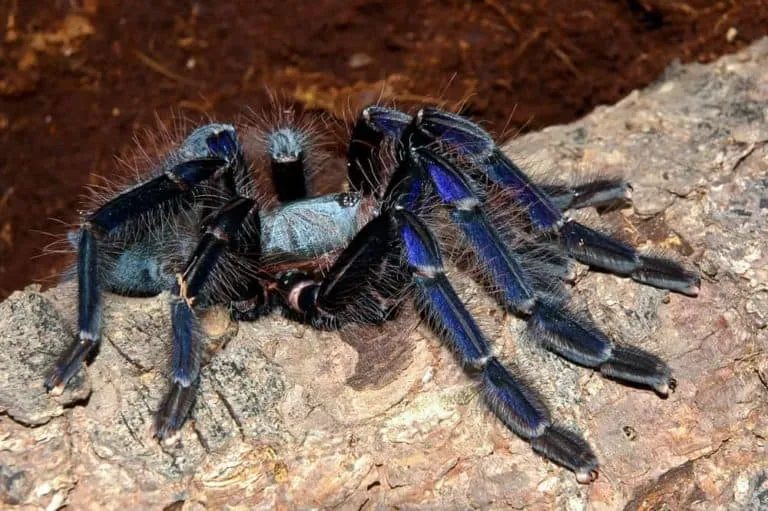
The fascination with exotic pets has steadily grown in Singapore, and tarantulas have emerged as intriguing companions for many. These captivating arachnids, with their impressive size and diverse appearances, offer a unique perspective on the pet-keeping experience. Their relatively low-maintenance needs, compared to other pets, coupled with their fascinating behaviors, make them an attractive choice for those seeking an engaging and unusual pet. Owning a tarantula can be a rewarding experience, providing a fascinating glimpse into the world of invertebrates and the intricacies of their survival. This article explores five key facts about keeping a tarantula as a pet in Singapore, offering essential insights for both aspiring and current tarantula owners.
Fact 1: Diversity of Tarantula Species
Tarantulas are not a single species but a diverse group of spiders, with numerous species available to pet owners in Singapore. Each species possesses unique characteristics, from size and coloration to temperament and care requirements. Understanding this diversity is crucial for selecting a tarantula that suits your lifestyle and experience level. Some species are known for their docile nature, making them ideal for beginners, while others may be more defensive or require specialized care. The wide range of options ensures that there’s a tarantula species to match almost any pet owner’s preferences. Therefore, research is essential before acquiring a tarantula to ensure that you are well-informed about the specific needs of the species you’re considering.
Popular Species for Singapore Pet Owners

Certain tarantula species are more commonly kept as pets in Singapore than others, due to their availability, temperament, and ease of care. The Chilean rose hair tarantula (Grammostola rosea) is often recommended for beginners because of its calm demeanor and relatively low maintenance. The Brazilian black tarantula (Grammostola pulchra) is another popular choice, admired for its striking appearance. Other sought-after species include the Mexican red knee (Brachypelma hamorii) and the Costa Rican zebra (Aphonopelma seemanni). These species are generally known for their docile temperaments, making them less likely to bite or flick urticating hairs, and they also have well-established care guidelines. However, individual temperaments can vary, and it’s crucial to handle any tarantula with caution and respect.
Care requirements depending on species
Different tarantula species have varied needs. For example, arboreal species, which live in trees, require taller enclosures with vertical climbing surfaces, whereas terrestrial species, which live on the ground, need more floor space. Humidity and temperature also vary. Some species thrive in higher humidity, while others prefer drier environments. Knowing the specific needs of the species you choose is vital for providing a healthy and comfortable environment. Detailed research on the chosen species will guide you on the necessary substrate, the appropriate temperature range, and the ideal humidity level. Always prioritize replicating the tarantula’s natural habitat, as this will minimize stress and promote optimal health. Consider consulting with experienced tarantula keepers or local exotic pet stores for species-specific advice.
Fact 2: Unique Behavior and Characteristics
Tarantulas exhibit captivating behaviors that distinguish them from other pets. These spiders possess unique defensive mechanisms, such as flicking urticating hairs (tiny irritating hairs) from their abdomens, and can vary greatly in their activity levels, from being very active to spending most of their time hiding. Observing these behaviors is a significant part of the enjoyment of owning a tarantula. Learning to interpret your tarantula’s behavior, such as its posture and feeding habits, can help you ensure its well-being. The slow and deliberate movements of a tarantula can be mesmerizing, and watching them feed is a unique experience that sets them apart from more conventional pets. It is always recommended to learn more on the tarantula species, to understand its defensive mechanisms.
Molting and Growth Process
Molting is a fascinating aspect of tarantula biology, where the spider sheds its exoskeleton to grow. This process can take several hours and makes the tarantula vulnerable. During this time, it’s crucial to avoid disturbing the tarantula and to maintain optimal humidity levels. The frequency of molting depends on the tarantula’s age and species; younger tarantulas molt more frequently than adults. Witnessing a tarantula molt is a remarkable experience, as it reveals the intricate details of the spider’s anatomy. The molted exoskeleton provides valuable insights into the spider’s health and development. After molting, the tarantula’s new exoskeleton is soft and fragile, so it’s important to avoid handling or feeding the spider until it hardens.
Defensive Mechanisms and Handling
Tarantulas have several defensive mechanisms, including biting and flicking urticating hairs. Understanding these behaviors is crucial for safe handling. Not all tarantulas are suitable for handling; some species are more prone to biting or may have more potent urticating hairs. It’s always best to observe your tarantula for a while before considering handling, and always handle them near the ground in case they fall. Handling should be kept to a minimum to reduce stress. Some tarantulas are docile and can be handled with care, while others are best admired from a distance. Proper handling techniques involve allowing the tarantula to walk onto your hand rather than grabbing or forcing it. Always wash your hands thoroughly after handling a tarantula.
Fact 3: Suitable Habitats and Enclosures
Creating an appropriate habitat is essential for the well-being of your tarantula. The enclosure size, type of substrate, temperature, and humidity all play crucial roles in creating a comfortable and safe environment. The enclosure should be appropriately sized for the tarantula’s species and size, providing enough space for the spider to move and exhibit natural behaviors. Adequate ventilation is also important to prevent the build-up of harmful gases and maintain the correct humidity levels. The enclosure should be escape-proof, as tarantulas are adept at finding small openings. The right enclosure will not only keep your tarantula safe but will also allow you to observe it in its natural environment.
Terrarium Setup Essentials

The terrarium setup for a tarantula involves several key components. The substrate, or bedding, should be appropriate for the tarantula’s species and needs. Common substrates include peat moss, coco fiber, and vermiculite, which help maintain humidity. Decorations such as hides (caves or shelters) are crucial for providing security and reducing stress. A water dish is essential for providing a source of fresh water. The enclosure should also include a thermometer and hygrometer to monitor temperature and humidity levels. Regular cleaning and maintenance of the terrarium are essential to prevent the buildup of waste and ensure a healthy environment. The overall goal is to replicate the tarantula’s natural habitat as closely as possible.
Maintaining Temperature and Humidity
Maintaining the correct temperature and humidity levels is critical for a tarantula’s health. Most tarantula species thrive in temperatures between 24-29°C (75-85°F). Humidity levels vary depending on the species, but generally, tropical species require higher humidity (70-80%), while arid species prefer lower humidity (50-60%). Proper ventilation is also crucial, as it helps regulate both temperature and humidity. Monitoring the temperature and humidity using a thermometer and hygrometer is essential. You can adjust humidity by misting the enclosure with water or providing a water dish. Using a heat lamp or heat mat can help regulate temperature, but be careful not to overheat the enclosure, as this can be fatal to your tarantula.
Fact 4: Diet and Nutrition for Tarantulas
Feeding your tarantula appropriately is essential for its health and growth. Tarantulas are carnivores and primarily feed on insects. The type of insect you feed your tarantula will depend on its size and species. Crickets, mealworms, and roaches are common choices. The frequency of feeding depends on the tarantula’s age and metabolism; younger tarantulas need to be fed more often than adults. It’s important to remove uneaten prey after a day or so to prevent stress and to prevent the insect from bothering your tarantula while it is molting. Providing a varied diet ensures that your tarantula receives the necessary nutrients for optimal health and longevity. The goal is to provide a diet that is similar to what the tarantula would consume in its natural environment.
Feeding Frequency and Prey

The feeding frequency for your tarantula depends on its age and metabolism. Spiderlings, or young tarantulas, should be fed every few days, while adult tarantulas can be fed once or twice a week. Observe your tarantula’s feeding habits to determine its appetite; some tarantulas may eat less during molting or when they are preparing to molt. The size of the prey should be appropriate for the tarantula’s size. As a general rule, the prey should be no larger than the tarantula’s body. Common prey includes crickets, mealworms, and roaches, which are readily available at pet stores. It’s also crucial to ensure that the insects are gut-loaded, or fed nutritious food, to provide the tarantula with a balanced diet. Avoid feeding wild-caught insects, as they may carry parasites or pesticides.
Supplementing with Vitamins
While insects are a good source of nutrients, it’s still advisable to supplement your tarantula’s diet with vitamins, particularly calcium. You can dust the insects with a vitamin supplement before feeding them to your tarantula. This helps ensure that the tarantula receives all the necessary vitamins and minerals to maintain its health. Calcium is particularly important for supporting the tarantula’s exoskeleton, especially during the molting process. The frequency of supplementation will depend on the tarantula’s species and diet, but a general recommendation is to dust the prey with a supplement once a week or every other week. Consult with a veterinarian or an experienced tarantula keeper for guidance on appropriate supplements for your tarantula species.
Fact 5: Legal Considerations and Sourcing
Before acquiring a tarantula in Singapore, it is crucial to understand the local regulations. While owning a tarantula is generally permitted, there might be restrictions on certain species or specific permits required. It’s essential to research and comply with all the regulations to avoid any legal issues. Choosing a reputable source is also crucial. Buying from a reputable breeder or pet store ensures that you receive a healthy tarantula and accurate information about its care requirements. Avoid purchasing tarantulas from unknown sources or online marketplaces, as this could increase the risk of getting a sick or misidentified spider. Always prioritize the ethical and legal aspects of pet ownership.
Regulations for Pet Tarantulas in Singapore

In Singapore, the regulations regarding the ownership of exotic pets, including tarantulas, are governed by the Animal & Veterinary Service (AVS). The AVS typically requires permits for the import, export, and sale of certain animals, and this might extend to specific tarantula species. Before acquiring a tarantula, it is important to check with AVS or a local pet store to confirm the requirements. Familiarize yourself with any permits, licenses, or restrictions that apply to the species you intend to keep. Ensure that you understand the necessary procedures for legally acquiring and keeping your tarantula. Compliance with these regulations is essential for responsible pet ownership and for preventing the spread of invasive species or diseases.
Responsible Sourcing and Ethical Practices
Responsible sourcing is a vital aspect of tarantula ownership. Choose a reputable breeder or pet store that prioritizes the welfare of their animals. Avoid purchasing tarantulas from illegal or unethical sources, as this can support practices such as habitat destruction and the exploitation of wildlife. A reputable breeder will provide information about the tarantula’s origins, health, and care requirements. They will also be knowledgeable about the species and be able to answer your questions. Supporting ethical practices ensures the conservation of tarantula populations in their natural habitats. Always prioritize the health and welfare of the tarantula over convenience or price. Responsible sourcing ensures that your new pet has been treated ethically and that it is in good health.
Conclusion
Owning a tarantula in Singapore can be a rewarding experience, offering a unique insight into the fascinating world of arachnids. By understanding the key facts about species diversity, behavior, habitat requirements, diet, and legal considerations, you can provide your tarantula with the best possible care. Responsible ownership includes researching your chosen species thoroughly, creating a suitable environment, providing appropriate nutrition, and complying with local regulations. With proper care and attention, your tarantula can thrive and provide you with years of enjoyment. Remember that patience, observation, and a commitment to learning are crucial for successful tarantula ownership. Embrace the unique characteristics of these captivating creatures and appreciate the opportunity to care for them responsibly.