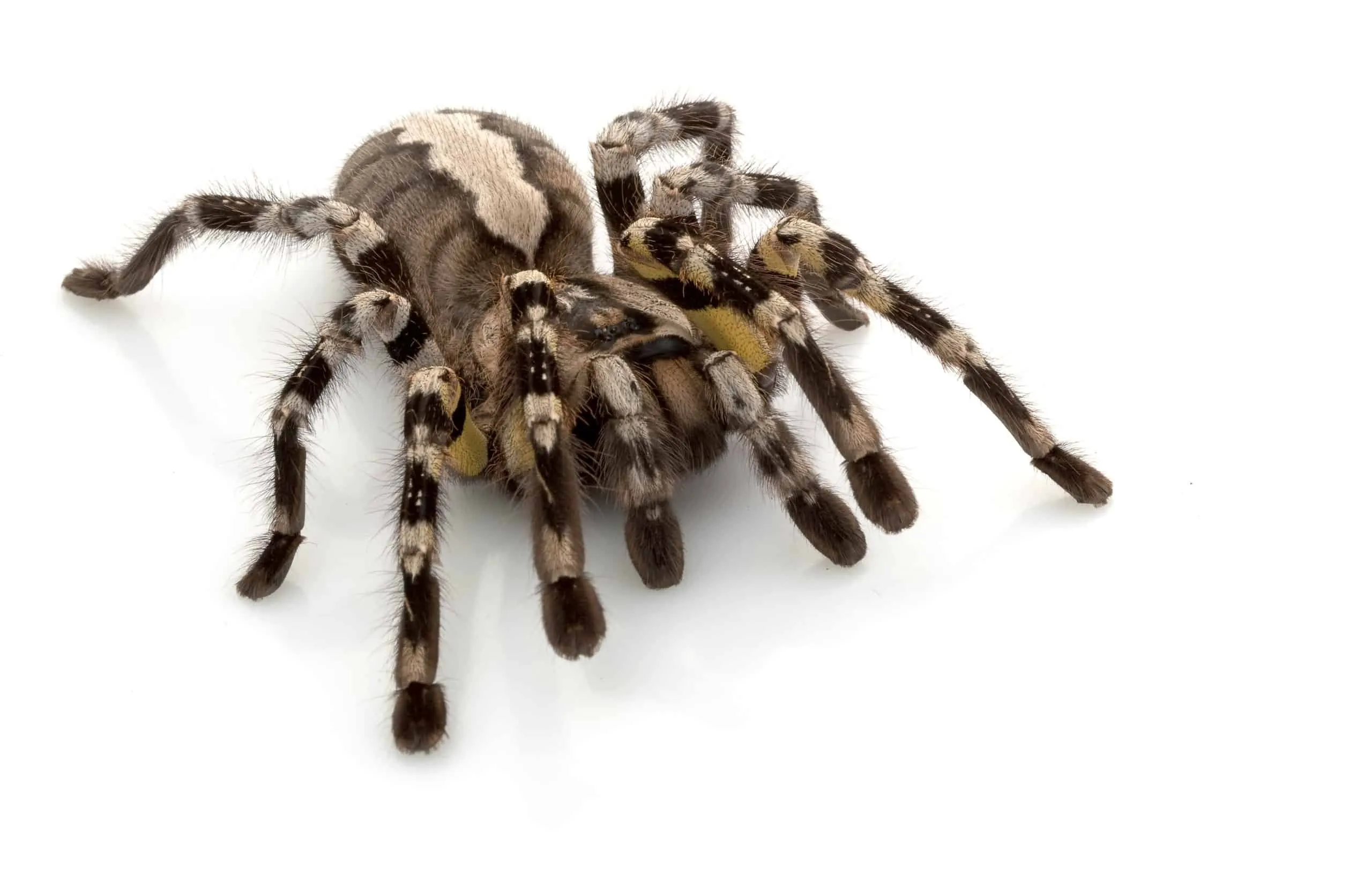
What is Tarantula Sexing
Tarantula sexing is the process of determining whether a tarantula is male or female. This is a crucial skill for tarantula keepers, breeders, and enthusiasts. Accurate sexing allows for proper care, breeding management, and a better understanding of the tarantula’s life cycle. The ability to identify the sex of a tarantula is not always straightforward, especially in younger specimens. However, with careful observation and knowledge of key characteristics, it is possible to determine the sex with a high degree of accuracy. Several methods are used, and some are more reliable than others. It’s essential to understand these methods to properly care for your tarantula and plan for potential breeding efforts or simply to understand the unique characteristics of your pet.
Why Sexing Tarantulas Matters
The primary reason for sexing tarantulas is to manage breeding programs. Knowing the sex of your tarantulas is essential if you plan to breed them. Males and females have different roles in the breeding process, and their compatibility is critical for successful reproduction. Furthermore, sexing your tarantula provides insight into its lifespan and behavior. Females tend to live significantly longer than males, and their care requirements differ. Understanding these differences is essential for providing appropriate care and ensuring your tarantula thrives. Even if you don’t intend to breed, sexing can help you prepare for the future. For example, if you know you have a male, you can anticipate his shorter lifespan and prepare accordingly.
Examining Male Tarantulas

Male tarantulas have distinct physical characteristics that differentiate them from females. Identifying these features requires close examination, and it is often easier to identify these traits as the tarantula matures. Several key features will help you distinguish males. This includes characteristics associated with their reproductive organs and overall body structure. These distinctions are more noticeable in mature specimens. Careful observation, combined with the use of a magnifying glass and good lighting, will improve your chances of accurate sex identification. Keep in mind that the accuracy of these methods increases as the tarantula approaches adulthood.
Physical Characteristics of Male Tarantulas
Mature male tarantulas exhibit specific physical characteristics that are not present in females. These traits are primarily related to their reproductive organs and are essential for mating. These physical adaptations are developed during their final molt and become quite pronounced. Identifying these characteristics is the key to successfully sexing a tarantula and requires careful observation of several key body parts and features. These characteristics are more readily apparent on mature males, but the clues may start to appear as the tarantula approaches maturity.
Presence of Bulbs on Pedipalps
The most reliable indicator of a male tarantula is the presence of mating bulbs on the pedipalps. Pedipalps are the small leg-like appendages near the mouth, used for sensory purposes and handling food. In mature males, the tips of the pedipalps are modified into bulbous structures that store sperm. These bulbs are used to transfer sperm to the female during mating. The bulbs are usually most visible under magnification, and their presence is the most definitive sign of a male tarantula. Look for the bulbous, often pear-shaped structures at the tips of the pedipalps. These bulbs are essential for reproduction and are a telltale sign of a male. The absence of these bulbs indicates that the tarantula is either female or an immature male.
Presence of Hooks on the Front Legs

Another characteristic of mature male tarantulas is the presence of tibial hooks on their front legs. These hooks are located on the tibia of the first pair of legs. They are used to hold the female’s fangs during mating, preventing her from biting the male. The hooks are not present in females and are only found on mature males. Although the hooks are smaller than the pedipalp bulbs, they are another reliable indicator of sex when used in conjunction with the bulbs and other traits. The presence of these hooks is a clear indication that the tarantula is a mature male and ready to mate. These are another distinguishing characteristic of mature male tarantulas. Careful examination of the front legs is critical for identifying this feature.
Lifespan of Male Tarantulas
Male tarantulas typically have a shorter lifespan than females. Once they reach maturity and have their final molt, males’ primary purpose is to reproduce. Their lifespan can vary depending on the species, but it is generally a year or two after their final molt. This shorter lifespan is a consequence of their biological role in reproduction. The energy expenditure and physical changes associated with maturity and mating contribute to their shorter lives. This knowledge is essential for planning the care of a male tarantula, as you should expect his life to be shorter than that of a female. Recognizing the typical lifespan of male tarantulas allows you to be prepared for the natural course of their life.
Examining Female Tarantulas
Female tarantulas, in contrast to males, lack the specific physical characteristics associated with mating. Identifying a female tarantula involves looking for the absence of the male traits and other indicators. Also, they have a generally longer lifespan and retain a more consistent body shape. The easiest way to determine the sex is to compare the features to those of the males and see which characteristics are present. The traits of the female are a mirror image of the male, with the opposite characteristics. These female traits, combined with a few other clues, can provide accurate sex identification, especially as the tarantula matures.
Physical Characteristics of Female Tarantulas

The main physical characteristics that distinguish female tarantulas are the absence of mating bulbs on the pedipalps and the absence of hooks on the front legs. Their body shape may also be different from the males of the same species. Females generally exhibit a more robust and rounded abdomen compared to males. The size difference becomes more apparent as they mature and molt. The lack of specific mating-related adaptations means that they continue to molt and grow throughout their lives. Therefore, it is easier to identify and observe the subtle characteristics that indicate that it is a female. These traits are more apparent in adult specimens but can be discernible in sub-adults.
Absence of Bulbs on Pedipalps
The most apparent difference between male and female tarantulas is the absence of mating bulbs on the pedipalps of the female. Females’ pedipalps have a more slender, pointed shape. These structures are used for sensory purposes, much like the male’s, but they do not have a sperm storage function. This lack of bulbs is a reliable indicator, especially in mature specimens. The absence of this bulbous structure on the pedipalps confirms the tarantula is either a female or an immature male. Carefully examining the pedipalps under good lighting and magnification is essential. The lack of the bulb-like structure is a straightforward method to confirm that the tarantula is a female. The lack of a sperm storage structure means that the female is not ready to mate.
Absence of Hooks on the Front Legs
Female tarantulas do not possess the tibial hooks found on the front legs of mature males. These hooks are used by males to secure the female’s fangs during mating. Their absence on the female’s front legs confirms that it is not a mature male. Careful inspection of the first pair of legs is required. The absence of these hooks is another reliable indicator. While not as definitive as the presence of pedipalp bulbs in males, the absence of hooks is a useful confirmation of the female’s sex. The lack of hooks on the front legs is a clear sign that the tarantula has not reached full maturity, or that it is a female.
Lifespan of Female Tarantulas

Female tarantulas generally have a significantly longer lifespan than males. Some species can live for decades, allowing them to reach a larger size. This longevity is due to their role in reproduction and the lack of the same physiological changes that males undergo. The extended lifespan of females is an important factor for tarantula keepers. The difference in lifespan is a critical aspect of tarantula care. A long-lived female requires a long-term care plan, whereas the keeper of a male tarantula may only need to plan for a couple of years of care. The potential for a long life is a distinguishing feature of female tarantulas.
Comparing Male and Female Tarantulas
Comparing male and female tarantulas highlights the key differences. This comparison provides a comprehensive understanding of their physical traits, behaviors, and life cycles. By considering the full spectrum of characteristics, it’s possible to differentiate between the sexes. This is essential for successful breeding, care, and enjoying the tarantulas’ unique qualities.
Size and Body Shape Differences
Male and female tarantulas often exhibit differences in size and body shape, particularly as they mature. In many species, females are larger and more robust than males. They typically have a more rounded abdomen. The size difference becomes more noticeable with each molt, with females growing larger over time. In contrast, males may have a more elongated body shape. The size and body shape differences, combined with other indicators, assist with sex identification. The size and body shape differences are generally apparent, providing you with another clue as to the tarantula’s sex. Also, in some species, the females will have a larger and more robust appearance.
Coloration Variations

In some tarantula species, there are subtle differences in coloration between males and females. These color variations are not always apparent and may vary depending on the species and individual characteristics. However, they may be helpful in distinguishing between sexes. Male tarantulas may exhibit a slightly different shade or pattern than females, particularly as they mature. The changes may be minor, and may only be noticeable with careful observation. Some species may display more pronounced coloration differences. Coloration variations, although subtle, may provide another clue in the sexing process. However, it is not as reliable as other methods. In general, this is not a primary sexing method.
Molting and Exuviae Examination
Examining the exuviae (molted skin) is a reliable method for sexing tarantulas, especially for those who are not comfortable handling the spider directly. After a tarantula molts, the shed exoskeleton can be used to identify the sex. The presence or absence of spermathecae in the female can confirm the sex. With the aid of a magnifying glass, the inside of the exuviae can be examined to see if spermathecae are present, indicating a female. This method is highly effective and provides a non-invasive way to determine the sex. Careful inspection is required, as the spermathecae may be small and difficult to identify. Molting is a good time to learn what is inside. Careful examination of the exuviae is a very reliable method of determining sex. This is especially useful for those who prefer not to handle the tarantula.
Other Indicators
Besides the primary physical characteristics, there are other factors that can provide clues for sexing tarantulas. This includes behavioral differences. While behavior is not a definitive indicator, it can provide additional context, especially when combined with other methods. Understanding the behavior of your tarantula can assist you in determining its sex.
Behavioral Differences

Behavioral differences can sometimes provide additional clues, although they are not definitive. Male tarantulas often become more active and may wander around the enclosure more frequently as they mature and seek a mate. They may also exhibit specific mating behaviors, such as drumming or displaying. Females tend to be less active and spend more time in their burrows or hiding places. These behaviors are more general observations and can vary greatly depending on the species and individual tarantula. You can consider them when combined with the other methods. However, behavior is a less reliable method than physical characteristics. The behavior differences can be considered alongside other sexing methods to help determine the tarantula’s sex. The behavior may also be related to the tarantula’s species and the environmental conditions.
Mating and Reproduction
The process of mating and reproduction differs significantly between male and female tarantulas. The mature male will often construct a sperm web to deposit his sperm, and the pedipalps are used to transfer the sperm into the female. The female then carries the eggs in an egg sac. The eggs hatch, and the young spiderlings emerge. The differences are primarily related to the reproductive organs, and the roles that each sex plays in the reproductive process. The mating process demonstrates the differing characteristics and roles of males and females. Understanding these distinctions helps in managing the tarantulas and in planning any breeding programs. Understanding the tarantula’s life cycle allows you to properly care for your tarantula.