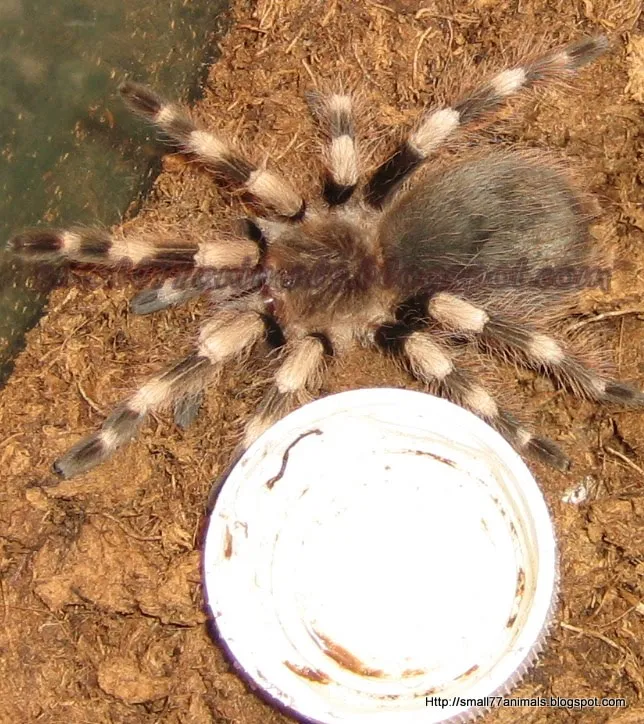
The World of Tarantula Sellers
Tarantula sellers play a crucial role in connecting enthusiasts with these fascinating creatures. Whether you’re a seasoned arachnid aficionado or a curious beginner, understanding the world of tarantula sellers is key to a successful and rewarding experience. This guide will delve into the essential facts every potential tarantula owner should know, covering everything from choosing the right species to ensuring the well-being of your new pet. The journey of acquiring a tarantula starts with the seller, so it’s important to be well-informed and prepared.
Why Choose a Tarantula as a Pet?
Tarantulas offer a unique pet ownership experience. They are relatively low-maintenance compared to other pets, requiring less interaction and space. Their captivating appearance and intriguing behaviors make them a captivating addition to any home. Tarantulas are also known for their longevity; some species can live for decades, providing a long-term companionship. However, prospective owners must understand the commitment involved, including specialized care and a dedication to their well-being. Before purchasing a tarantula, it is very important to be prepared to provide for the long-term needs of the animal.
Understanding Tarantula Species

Diversity is a hallmark of the tarantula world, with hundreds of species varying in size, color, temperament, and care requirements. Researching different species is fundamental to choosing the right one for your lifestyle and experience level. Some species are known for their docile nature, making them ideal for beginners, while others require more advanced care. Consider factors such as size, venom potency (though most tarantula venom is not lethal to humans), and specific habitat needs. Thorough research ensures you can provide the optimal environment for your chosen species to thrive.
Common Tarantula Species Sold
Several tarantula species are popular among pet owners due to their availability, manageable size, and attractive appearance. The Chilean rose hair tarantula is a widely available and beginner-friendly option, known for its docile temperament. The Mexican red knee tarantula is another popular choice, famous for its striking coloration and relatively easy care. Other popular species include the Brazilian black tarantula and the Pinktoe tarantula. When choosing a species, consider their temperament, size, and any specific care needs they may have.
Fact 1: The Importance of Research
Before acquiring a tarantula, extensive research is non-negotiable. This involves understanding the specific needs of your chosen species, including its habitat, feeding habits, and potential health issues. Learn about the tarantula’s natural environment, ideal temperature and humidity levels, and any special requirements. Researching reputable sellers is also crucial; look for sellers with positive reviews and a proven track record of providing healthy tarantulas. Proper research prevents avoidable problems and ensures you can provide the best possible care for your new pet.
Fact 2: Health and Safety of Tarantulas

Tarantulas can be delicate, and their health is paramount. Always inspect the tarantula for signs of illness or injury before purchasing. Look for an alert and active spider with a plump abdomen, which indicates it is well-fed and hydrated. Avoid tarantulas with missing limbs, unusual behavior, or signs of parasites. Handling tarantulas should be minimized, as they can be fragile, and their bites, though rarely dangerous, can be painful. Always wash your hands before and after handling anything in the enclosure to prevent the spread of any possible illness.
Fact 3: Where to Find Reliable Tarantula Sellers
Finding a trustworthy tarantula seller is crucial for acquiring a healthy spider and receiving expert advice. Reputable sellers prioritize the well-being of their animals and provide accurate information and support to buyers. Consider both online and local options, but always verify the seller’s reputation and the quality of their animals. Prioritize sellers who are knowledgeable, passionate about their work, and transparent about their practices. A good seller will be willing to answer your questions, provide care instructions, and offer ongoing support.
Online Tarantula Sellers
Online tarantula sellers offer a vast selection of species and convenience. Look for sellers with established websites, detailed descriptions of their tarantulas, and clear shipping policies. Read reviews from other customers to gauge the seller’s reputation. Ensure the seller provides a guarantee for the health of the tarantula upon arrival. Be prepared to pay for shipping, which includes special packaging to protect the spider during transit. Verify the seller’s compliance with local and national regulations regarding the sale and transport of tarantulas.
Local Tarantula Sellers

Local tarantula sellers, such as those found at reptile shows or pet stores specializing in exotic animals, offer the opportunity to see the spider in person before purchasing. This allows you to assess the spider’s health and the seller’s expertise firsthand. Local sellers can also provide immediate support and advice. Research the seller’s reputation by checking online reviews or asking for references. Ensure that the seller’s animals are kept in clean and well-maintained enclosures. In-person purchases can be a great option because they offer hands-on inspection and often more immediate support.
Fact 4: What to Look for in a Seller
A reputable tarantula seller will demonstrate a commitment to the health and welfare of their animals. Look for sellers who provide clear care instructions, are knowledgeable about their species, and are willing to answer your questions. They should maintain clean, appropriately sized enclosures and provide proper lighting, temperature, and humidity. Avoid sellers who appear indifferent to the well-being of their tarantulas or who are unwilling to offer advice. Choose sellers who prioritize the health and well-being of their animals above all else.
Seller Reputation and Reviews
Checking online reviews and testimonials is crucial before purchasing from any tarantula seller. Look for reviews that highlight the seller’s responsiveness, the health of their tarantulas, and their willingness to provide support. Scour online forums and social media groups dedicated to tarantulas to gather opinions about different sellers. Beware of sellers with consistently negative reviews or a lack of online presence. A seller’s reputation is often an accurate reflection of their commitment to quality and customer satisfaction.
Tarantula Health and Quality

The health and quality of the tarantula are paramount. Before purchasing, inspect the tarantula for signs of illness, injury, or parasites. The spider should be alert, active, and well-fed. Check its abdomen for proper size; it should be plump but not overly distended. Ensure that the enclosure is clean and properly maintained. If possible, ask the seller about the tarantula’s feeding history and any health issues it may have experienced. Healthy tarantulas are more likely to thrive in their new environment, providing you with a rewarding experience.
Fact 5: The Cost of a Tarantula
The cost of a tarantula varies depending on the species, size, and age. Rarer species and mature specimens often command higher prices. Budget for the initial purchase price of the tarantula, as well as the cost of the enclosure, substrate, and any necessary accessories. Ongoing costs include food, such as crickets or other insects, and potential vet bills. Research the typical prices for the species you are interested in and budget accordingly. Remember that the initial cost is just a fraction of the long-term expense of tarantula ownership.
Fact 6: Caring for Your New Tarantula
Caring for a tarantula involves providing the right environment, proper feeding, and regular maintenance. Set up the enclosure before acquiring the tarantula to minimize stress. Maintain the correct temperature and humidity levels specific to the species. Provide a suitable substrate and hiding places. Feed the tarantula a diet of appropriately sized insects. Always provide fresh water. Regularly clean the enclosure and remove any uneaten food. Researching the species specific care requirements ensures longevity and a happy tarantula.
Enclosure Requirements

The enclosure is crucial for the well-being of your tarantula. Choose an enclosure that is appropriately sized for the species, allowing ample space for the spider to move around and build a burrow. Ensure the enclosure is escape-proof and well-ventilated. Provide a suitable substrate, such as coconut fiber or peat moss, to maintain humidity and allow the tarantula to burrow. Include hiding places, such as cork bark or artificial plants, to reduce stress and provide a sense of security. Regularly monitor the temperature and humidity using a thermometer and hygrometer.
Feeding Your Tarantula
Feeding tarantulas is relatively straightforward. Feed your tarantula appropriately sized insects, such as crickets, mealworms, or roaches. The frequency of feeding depends on the species and the spider’s age; slings (baby tarantulas) require more frequent feeding. Remove any uneaten food after 24 hours to prevent mold and mites. Always provide a shallow dish of fresh water. Observe your tarantula’s feeding habits and adjust the diet as needed. Ensure that the insects you provide are healthy and free from pesticides.
Fact 7: The Legal Aspects of Tarantula Ownership
Before purchasing a tarantula, familiarize yourself with any local or national regulations regarding the ownership of exotic animals. Some species may be restricted or prohibited in certain areas. Research the legal requirements and obtain any necessary permits or licenses. Be prepared to comply with regulations regarding the sale, transport, and care of your tarantula. Failure to comply with these regulations can result in fines or confiscation of your pet. Responsible ownership includes understanding and adhering to all relevant laws and regulations.
In conclusion, the journey of becoming a tarantula owner is an exciting one, filled with the potential for a unique and rewarding pet experience. By understanding the key facts about tarantula sellers, you can make informed decisions and ensure the health and well-being of your new pet. From selecting the right species to providing proper care, responsible ownership is key to creating a thriving and captivating environment for your tarantula.