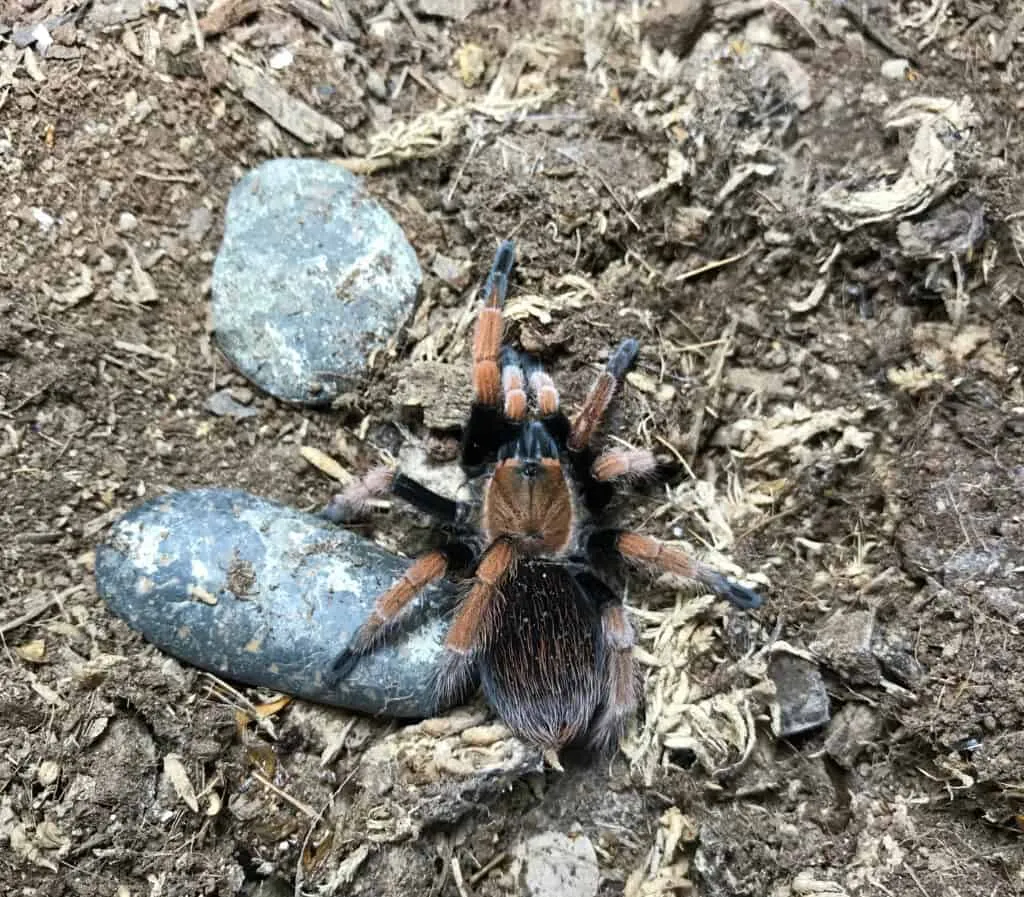
What is a Tarantula?
Tarantulas are large, hairy spiders belonging to the Theraphosidae family. These impressive arachnids are known for their size, with some species boasting leg spans exceeding 10 inches. They are found in a variety of habitats around the world, from deserts and grasslands to tropical rainforests. Tarantulas are nocturnal hunters, typically ambushing their prey. Their bodies are divided into two main parts the cephalothorax (fused head and chest) and the abdomen. They possess eight legs, two pedipalps (used for sensing and manipulating food), and chelicerae (fangs) used to inject venom. These fascinating creatures have captured the interest of scientists and pet owners alike, sparking curiosity about their behavior and ecological roles.
Classification and Role in the Ecosystem
Tarantulas are classified as invertebrates within the phylum Arthropoda, class Arachnida, and order Araneae. Within their ecosystems, tarantulas play a crucial role as predators. They help to control populations of insects and other small animals, contributing to the balance of the food web. Their presence or absence can have cascading effects on the environment, influencing the abundance of other species. They are a food source for other animals such as birds, snakes, and lizards. Understanding their place in the ecosystem is essential for conservation efforts and appreciating their overall importance to the natural world.
Are Tarantulas Producers?

No, tarantulas are not producers. Producers are organisms, such as plants, that create their own food through processes like photosynthesis. Tarantulas, being animals, are consumers. They obtain their energy by consuming other organisms. They are therefore part of the food chain as secondary or tertiary consumers, depending on their diet and the other creatures in their environment.
What are Producers?
Producers are the foundation of most food chains and ecosystems. They are organisms that create their own food, typically through photosynthesis. This process uses sunlight, water, and carbon dioxide to produce glucose (sugar), which is their primary energy source. Examples of producers include plants, algae, and certain types of bacteria. These organisms convert inorganic substances into organic compounds, which then support the entire ecosystem. Without producers, the other organisms in the food chain would not have a source of energy.
What do Tarantulas Eat?
Tarantulas are primarily carnivores, and their diet consists mainly of insects and other invertebrates. They will also consume small vertebrates, such as lizards, frogs, and even small mice, especially in larger species. The diet of a tarantula can vary based on its size, the availability of prey in its habitat, and the species of tarantula. They use their fangs to inject venom, which immobilizes and begins to digest their prey. They then use their chelicerae to break down the prey into smaller pieces before consuming it. Their method of eating and their diet are specialized traits that highlight their role as predators within their environment.
Top 5 Fascinating Tarantula Facts

Fact 1 Tarantula Habitat
Tarantulas are found on every continent except Antarctica. They live in a variety of habitats, adapting to conditions such as deserts, grasslands, and tropical rainforests. Some tarantulas are terrestrial, constructing burrows in the ground or using natural shelters, while others are arboreal, living in trees and bushes. The specific habitat of a tarantula will vary depending on its species, the availability of food, and the environmental factors in its area. These spiders are masters of adaptation and camouflage, often blending into their surroundings to avoid predators and ambush prey.
Fact 2 Tarantula Diet
As mentioned earlier, tarantulas are carnivores, and their diet primarily includes insects, but they will eat any small animals. Their feeding habits are impressive; they use their fangs to inject venom and then begin to digest the prey externally. After their meal, they leave behind a small ball of undigestible material. Tarantulas can go for extended periods without eating, sometimes several months. Their feeding frequency and prey preferences depend on their size, species, and the available resources in their natural habitat.
Fact 3 Tarantula Behavior

Tarantulas exhibit complex behaviors, including web-spinning, hunting techniques, and defensive mechanisms. They use silk for creating burrows, lining their habitats, and detecting prey. Most tarantulas are nocturnal, becoming active at night to hunt. They can sense vibrations in the ground, which help them to locate prey. Some species have urticating hairs on their abdomen, which they flick off to deter predators. Their interactions with other animals are usually based on avoiding conflict, hunting, or courtship and mating rituals, depending on the situation.
Fact 4 Tarantula Lifespan
Tarantulas have remarkably long lifespans compared to many other arachnids. Female tarantulas can live for 20 to 30 years, while males typically live for only 5 to 10 years. The difference in lifespan is partly related to the molting process, which females continue throughout their lives. Molting is the process in which the spider sheds its exoskeleton to grow. Males often die shortly after mating. This longevity makes tarantulas fascinating subjects of study and popular pets, as owners can enjoy their companionship for many years.
Fact 5 Tarantula Venom
While all tarantulas are venomous, their venom is generally not considered lethal to humans. The effects of a tarantula bite can vary from mild discomfort and localized pain to more severe symptoms like muscle cramps and nausea. The venom is primarily used to immobilize prey. The severity of the reaction depends on the species of the tarantula, the amount of venom injected, and the individual’s sensitivity. Despite the fear surrounding them, tarantula bites are rarely life-threatening to humans. However, it’s always advisable to seek medical attention if bitten, and to avoid provoking or handling them unnecessarily.
Conclusion

Tarantulas are amazing creatures that play an essential role in their ecosystems. They are not producers, but rather consumers that rely on other living organisms for sustenance. From their diverse habitats and varied diets to their complex behaviors and surprisingly long lifespans, tarantulas offer a wealth of knowledge. Understanding their biology, behavior, and ecological roles will help to appreciate their importance. They contribute to the balance of nature while remaining a source of fascination. They are truly remarkable examples of the biodiversity found on planet Earth.