Choosing the Right Tarantula Pet
Bringing a tarantula into your home is a big decision, one that promises a fascinating and rewarding experience for any arachnid enthusiast. However, the world of tarantulas is incredibly diverse, and choosing the right species is crucial for both your enjoyment and the spider’s well-being. This guide will walk you through the essential considerations when selecting a tarantula pet, helping you make an informed decision that ensures a positive experience for everyone involved. Understanding the different types, their temperaments, care requirements, and potential challenges is the key to successful tarantula ownership. Before you welcome your eight-legged friend, it is essential to do your homework and prepare appropriately.
Understanding Different Tarantula Species
Tarantulas belong to the Theraphosidae family, encompassing hundreds of species, each with unique characteristics. These variations include size, color, temperament, venom potency, and care requirements. Therefore, it is imperative to research different species to understand their specific needs and behaviors. For instance, some tarantulas are docile and easy to handle, while others are more defensive and best observed from a distance. Some species thrive in humid environments, while others prefer drier conditions. Understanding these differences is the foundation for providing proper care and creating a suitable habitat for your chosen tarantula.
New World vs Old World Tarantulas

A fundamental distinction in tarantula classification is between New World and Old World species. This categorization is based on their geographical origin and often reflects differences in temperament, defensive behavior, and venom potency. New World tarantulas originate from the Americas, while Old World tarantulas come from Asia, Africa, and Australia. This geographical separation also translates into differences in habitat preferences and care requirements. When selecting a tarantula, understanding this fundamental difference is critical to making the right choice.
New World Tarantulas Safe and Suitable Options
New World tarantulas are often recommended for beginners due to their generally milder temperaments and less potent venom compared to their Old World counterparts. Many New World species possess urticating hairs, which they flick off their abdomens as a defense mechanism. While irritating, these hairs are not typically life-threatening to humans. These tarantulas often display beautiful colors and patterns, making them visually appealing pets. Their care requirements are also generally easier to manage, making them ideal for those new to tarantula ownership. Some of the most popular and beginner-friendly New World species are described below.
The Chilean Rose Hair Tarantula
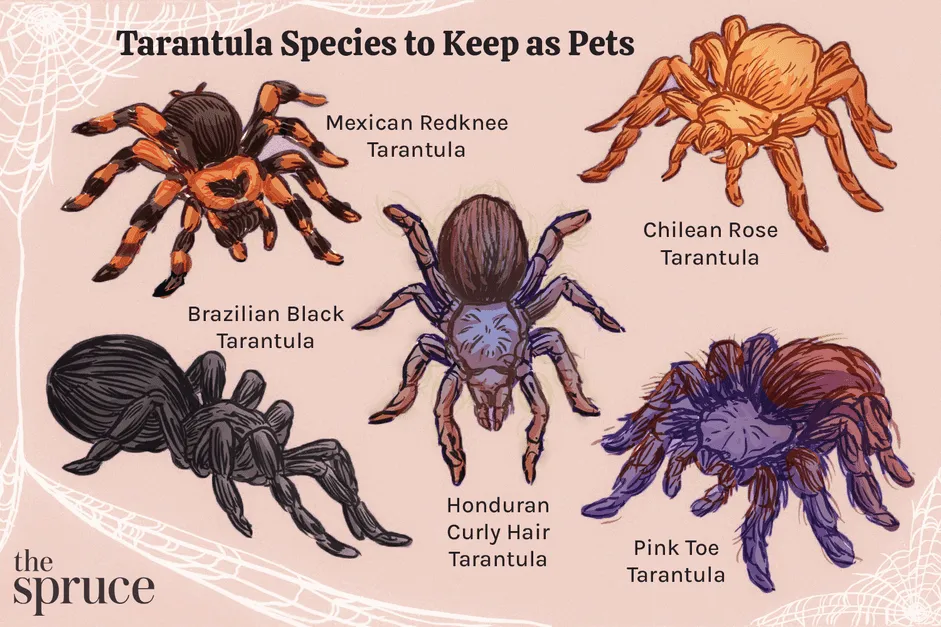
The Chilean Rose Hair (Grammostola rosea) is one of the most popular beginner tarantulas, known for its docile temperament and relatively low maintenance requirements. They are hardy spiders that tolerate a range of conditions, making them suitable for novice keepers. Chilean Rose Hairs are typically reddish-brown in color and can grow to a moderate size. They are relatively slow-moving and less prone to defensive behaviors, making them easier to handle (though handling is still generally discouraged for tarantulas). Their longevity, typically 10-20 years for females, also makes them a long-term companion.
The Mexican Red Knee Tarantula

The Mexican Red Knee (Brachypelma hamorii) is another excellent choice for beginners. Renowned for its striking black and orange markings, this tarantula is visually stunning. Like the Chilean Rose Hair, the Mexican Red Knee is known for its docile temperament and is relatively easy to care for. They are also hardy and adaptable to varying conditions. While they can be slightly more skittish than Chilean Rose Hairs, they are generally not aggressive. Their longevity and captivating appearance make them a favorite among tarantula enthusiasts. They can live for over 20 years.
The Costa Rican Zebra Tarantula
The Costa Rican Zebra Tarantula (Aphonopelma seemanni) is an attractive species with distinctive black and white striped legs. They are generally docile and relatively easy to handle. They are also known for their moderate growth rate and are not overly demanding in terms of care. These tarantulas are a great choice for those who appreciate striking patterns and relatively low-maintenance pets. The Costa Rican Zebra Tarantula adapts well to typical beginner setups, making them a solid choice for those just starting in the hobby. They are known for being a bit more active than some other New World species.
Old World Tarantulas A More Challenging Choice
Old World tarantulas are generally considered a more advanced choice for several reasons. They tend to be more defensive and have a higher potential for venom toxicity compared to New World species. They may also exhibit unpredictable behaviors and be more prone to bolting or biting. Their care requirements can sometimes be more specific, including higher humidity, specialized substrates, and a better understanding of their behavioral cues. While they can be rewarding pets for experienced keepers, it is essential to approach them with caution and a thorough understanding of their specific needs.
The Indian Ornamental Tarantula

The Indian Ornamental (Poecilotheria regalis) is a beautiful species with striking patterns. They are known for their arboreal nature and require a taller enclosure. While visually stunning, they are also known for their defensive nature and quick movements. Their venom is considered medically significant, and a bite can cause considerable pain. Therefore, the Indian Ornamental is not recommended for beginners. These spiders are best observed and appreciated from a distance, and should only be handled by experienced keepers.
The Singapore Blue Tarantula
The Singapore Blue (Chilobrachys dyscolus) has a stunning metallic blue coloration, making it highly sought after. However, they are also known for their fast speed and defensive behavior. Their venom is considered to be moderately potent, and their bites can be painful. Because of these factors, they are not suited for beginners. Experienced keepers who are prepared to manage their potential for aggression and speed are the best match for this species. Proper enclosure and safety precautions are critical for responsible ownership.
Temperament and Handling Considerations
Tarantula temperament varies widely among species. Even within the same species, individual spiders may display different personalities. Some tarantulas are docile and rarely show aggression, while others are quick to defend themselves. Some may prefer to retreat and hide, and some may display a threat pose. It is crucial to research the typical temperament of a species before bringing it home. Even the most docile tarantulas should be handled with caution. Handling is not generally recommended as it can stress the spider and increase the risk of a bite or injury to the tarantula. It is also possible to drop the spider and cause injury, even if they are calm.
Assessing Your Experience Level

Before selecting a tarantula, assess your experience level and the time you can dedicate to caring for your pet. Beginners should opt for docile, low-maintenance species like the Chilean Rose Hair or Mexican Red Knee. These species are more forgiving of minor errors in care. Experienced keepers may be better suited for Old World tarantulas or those with more specific needs. Researching the care requirements and understanding the potential challenges of each species is crucial for making an informed decision. Remember, tarantulas are a long-term commitment, and a proper habitat and care are crucial for their health and well-being.
Handling Safety Tips for Tarantulas
While it’s best to avoid handling tarantulas, there are times when it might be necessary, such as during enclosure maintenance or medical care. Here are some safety tips to minimize risks. Handle tarantulas close to the ground or a soft surface to prevent injury from falls. Use a catch cup or container to gently coax the tarantula into a secure space. Always supervise children around tarantulas and educate them about safe interaction. Avoid sudden movements or actions that could startle the tarantula, potentially provoking a defensive reaction. Wash hands thoroughly after handling the spider or coming into contact with its enclosure.
Habitat and Enclosure Requirements
Creating the right habitat is vital for your tarantula’s health and well-being. The enclosure should provide a safe and comfortable environment that mimics the spider’s natural habitat. This involves considering factors such as size, ventilation, substrate, decor, and temperature/humidity regulation. Proper habitat setup helps to reduce stress, encourage natural behaviors, and maintain the spider’s overall health. Therefore, before bringing your tarantula home, researching the ideal enclosure setup for your selected species is extremely important.
Enclosure Size and Setup Essentials

The enclosure size should be appropriate for the tarantula’s size and species. A general rule is that the enclosure should be at least twice the tarantula’s leg span in width and length. Avoid overcrowding the enclosure, as this can cause stress. Ensure the enclosure has adequate ventilation to prevent the buildup of humidity and the growth of mold. A secure lid is crucial to prevent escapes, as tarantulas are excellent climbers. The enclosure setup should include substrate (the material on the bottom), hiding places, and a water dish. The specifics of each setup depend on the type of species, but the essentials are needed in every single one.
Substrate and Decor Considerations
The substrate provides a comfortable surface for the tarantula to walk on, allows it to burrow (if it’s a burrowing species), and helps to maintain humidity. Suitable substrates include coconut fiber, peat moss, and a mixture of these materials. The depth of the substrate depends on the species; burrowing tarantulas require a deeper layer. Decor in the enclosure adds enrichment and provides hiding places. Items like cork bark, artificial plants, and driftwood can enhance the spider’s environment and offer places to hide. Ensure all decor is clean, non-toxic, and securely placed to prevent accidental injury to the tarantula. The substrate will also help regulate the humidity and temperature within the enclosure.
Feeding and Care Guidelines
Proper feeding and care are essential to ensure the health and longevity of your tarantula pet. This includes providing an appropriate diet, maintaining the correct humidity and temperature levels, and regularly cleaning the enclosure. Research the specific needs of your tarantula species to ensure you are providing the best care. The right care practices will help your tarantula thrive and allow you to enjoy your pet for years to come. Providing fresh water and the right food are crucial for any pet species and tarantulas are no different. Make sure to do your research to make sure you have everything needed.
Feeding Frequency and Food Choices

Tarantulas are carnivorous and primarily feed on insects. The feeding frequency depends on the tarantula’s age, size, and metabolism. Younger, growing tarantulas typically need to be fed more frequently (once or twice a week), while adult tarantulas may only need to be fed once or twice a month. Suitable food choices include crickets, mealworms, roaches, and other insects. Ensure the insects are gut-loaded (fed a nutritious diet) before feeding them to your tarantula. Remove any uneaten food within 24 hours to prevent mold and mites. Always provide a dish of fresh, clean water for your tarantula. The right feeding practices ensure the tarantula gets the right nutrients for its growth and health.
Humidity and Temperature Regulation
Maintaining the correct humidity and temperature is crucial for your tarantula’s health. The ideal humidity and temperature levels vary depending on the species. Research your tarantula’s specific needs to provide the best environment. Use a hygrometer to monitor humidity levels and a thermometer to monitor temperature. Increase humidity by misting the enclosure with water or providing a larger water dish. Maintain temperature using a heat lamp or a heat mat placed on the side of the enclosure (never under it). Avoid extreme temperature fluctuations, and adjust the settings as needed to match the spider’s habitat requirements. The right environment helps to ensure a long and healthy life for your tarantula.
Health and Common Issues
Like all pets, tarantulas can experience health problems. Recognizing and addressing these issues promptly is critical for their well-being. The most common health issues include dehydration, parasitic infections (mites), and injuries. Regular observation of your tarantula is essential. Watch for signs of illness, such as lethargy, loss of appetite, unusual behaviors, or changes in appearance. Quarantine new tarantulas to prevent the spread of diseases. Knowing the common issues can help you catch problems before they get too out of hand, and it is important to seek help from a veterinarian who specializes in arachnids when necessary. A healthy tarantula is a happy tarantula.
Identifying and Addressing Health Problems

Learn to identify common health problems. Dehydration can cause the tarantula to become sluggish and lose its appetite. Providing fresh water and maintaining proper humidity levels can prevent this. Mites are tiny parasites that can infest the tarantula and its enclosure. Remove any visible mites with a soft brush, and clean the enclosure thoroughly. Injuries, such as damaged legs or a torn abdomen, require immediate attention. Consult a veterinarian specializing in arachnids for any serious health concerns. Prompt treatment can significantly improve the tarantula’s chances of recovery and ensure its long-term health. If you notice a problem, always consult a professional.
Shedding and Molting Process
Tarantulas grow by shedding their exoskeleton, a process called molting. This is a natural and essential part of their life cycle. During molting, the tarantula sheds its entire outer layer, including the lining of its digestive tract and the hairs on its abdomen. Before molting, the tarantula may become lethargic, stop eating, and sometimes turn on its back. The molting process can take several hours or even days. Do not disturb the tarantula during molting, as it is vulnerable. After molting, the tarantula’s new exoskeleton will be soft. Avoid feeding the tarantula until its exoskeleton hardens. Understanding the molting process allows you to monitor the health of your tarantula.