What are Tarantula-Like Spiders?
The world of arachnids is incredibly diverse, and among the most captivating are spiders that bear a resemblance to tarantulas. These spiders, often larger and more robust than the average house spider, evoke a sense of awe and sometimes, a little fear. While they might look like mini-tarantulas, it’s important to understand that not all large, hairy spiders are actually tarantulas. The term ’tarantula-like spiders’ encompasses a variety of species that share certain physical characteristics, habitat preferences, and behaviors with true tarantulas. They are fascinating creatures, adapted to a range of environments, and play a vital role in their ecosystems. Understanding these spiders is key to appreciating the diversity of life on Earth.
Appearance and Characteristics
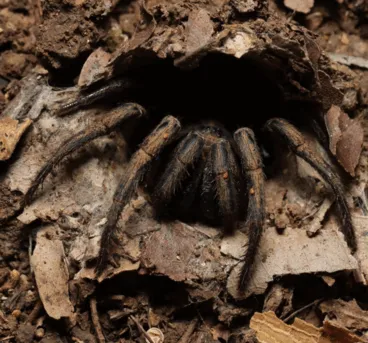
Tarantula-like spiders often have a hairy appearance, similar to tarantulas, with bodies divided into two main parts the cephalothorax (head and thorax combined) and the abdomen. Their legs are typically long and powerful, allowing for swift movement and effective hunting. Many species are dark in color, ranging from browns and blacks to grays, though some exhibit vibrant patterns or colors, providing camouflage or warning signals. They possess chelicerae, or fangs, used for injecting venom into their prey, and pedipalps, which serve sensory and manipulative functions. These spiders usually have eight eyes, though the arrangement and size vary among species. The presence of spinnerets at the end of the abdomen is also a key feature, as these are used to produce silk for webs, nests, or draglines.
Size and Color Variation

The size of tarantula-like spiders can vary significantly depending on the species. Some are relatively small, while others can be quite large, with leg spans reaching several inches. This size variation impacts their hunting strategies and the types of prey they target. Coloration also plays a role in camouflage and identification. Some species blend seamlessly with their environment, using cryptic coloration to hide from both predators and prey. Others boast bright warning colors, signaling their toxicity or venomous nature. The diverse range of colors and patterns is a testament to their adaptation to different habitats and environmental conditions. Observing these variations is key to understanding the diversity within the group of tarantula-like spiders and their ecological roles.
Where Do Tarantula-Like Spiders Live?
Tarantula-like spiders inhabit a wide variety of habitats, from tropical rainforests to arid deserts. Their ability to adapt to diverse environments is a testament to their resilience and evolutionary success. The specific habitat preferences often depend on the species, with some preferring to live in burrows, under rocks, or within dense vegetation, while others construct webs to trap their prey. These spiders have developed unique adaptations to thrive in their respective environments, allowing them to find food, shelter, and reproduce effectively. Their distribution reflects the availability of resources and the presence of suitable conditions, shaping their behavior and ecological interactions.
Common Habitats
Common habitats for tarantula-like spiders include forests, grasslands, and deserts. In forests, they might be found under the leaf litter, in tree crevices, or within the soil. Grasslands provide ample opportunities for burrowing and hunting insects. Deserts offer unique challenges, such as extreme temperatures and scarcity of water, to which these spiders have adapted through behavioral and physiological mechanisms. Some species are also found in human-modified environments, such as gardens and agricultural areas, where they may find shelter and prey. The choice of habitat is closely linked to the spider’s lifestyle, including its hunting strategy, nesting habits, and ability to avoid predators. This diversity highlights the versatility of tarantula-like spiders.
Geographical Distribution

The geographical distribution of tarantula-like spiders varies greatly. Some species have very limited ranges, found only in specific regions, while others are more widespread. These spiders are found on nearly every continent, with the exception of Antarctica. They are particularly diverse in tropical and subtropical regions, where favorable conditions support a wide variety of insect prey and a warmer climate. Factors such as climate, vegetation, and the presence of suitable habitats influence their distribution. Understanding their geographical distribution is crucial for conservation efforts, as it provides insights into their vulnerability to habitat loss, climate change, and other threats. Mapping their occurrence also helps in identifying biodiversity hotspots and in managing ecosystems effectively.
7 Fascinating Facts about Tarantula-Like Spiders
Fact 1 Venomous or Not?
Yes, almost all tarantula-like spiders are venomous. However, the potency of their venom varies greatly among species. The primary purpose of the venom is to subdue prey, such as insects, by paralyzing them. While the venom of some species can cause pain and localized reactions in humans, it is rarely life-threatening. The severity of the reaction often depends on the amount of venom injected and the individual’s sensitivity. It is important to avoid handling these spiders and to be aware of their potential to bite if they feel threatened. Always seek medical attention if you experience any severe symptoms after a bite, such as difficulty breathing, swelling, or intense pain.
Fact 2 Diet and Hunting Strategies
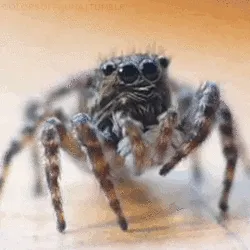
Tarantula-like spiders are primarily carnivores, feeding mainly on insects, but their diets can also include other small animals like lizards or rodents, depending on the species and size of the spider. Their hunting strategies are diverse. Some species are ambush predators, waiting patiently in burrows or beneath foliage until prey comes close. Others actively hunt, pursuing their prey over short distances. Some construct webs to trap insects, using the silk to create a sticky snare. The hunting behavior is closely tied to their physical adaptations, such as their size, leg length, and the presence of venom. They use their chelicerae to inject venom and then use digestive enzymes to break down the tissues of the prey, effectively turning the meal into a liquid they can ingest.
Fact 3 Web vs. No Web
Not all tarantula-like spiders create webs. Some species are wandering hunters, relying on their speed and agility to capture prey. Others may use silk to construct burrows, retreats, or egg sacs. Web-building spiders utilize different web designs, from the classic orb web to sheet webs and funnel webs. The type of web constructed depends on the species’ hunting strategy and habitat. Webs serve as both traps for prey and a form of shelter. The silk produced by these spiders is incredibly strong and versatile, used not only for capturing prey but also for building nests, draglines, and even for climbing and moving around. The absence or presence of webs is an important aspect of their behavior and influences their ecological roles.
Fact 4 Lifespan and Reproduction
The lifespan of tarantula-like spiders varies significantly. Some species may live for only a year or two, while others, particularly the larger ones, can live for several years, sometimes even decades. Females often live longer than males. Reproduction involves a courtship ritual, where the male must approach the female carefully to avoid being mistaken for prey. After mating, the female lays eggs in a silken egg sac, which she guards. The number of eggs can range from a few dozen to several hundred, depending on the species. The spiderlings emerge from the egg sac and develop through a series of molts, shedding their exoskeleton as they grow. Factors such as environmental conditions, food availability, and predation can affect their survival and reproductive success.
Fact 5 Defensive Mechanisms

Tarantula-like spiders employ a variety of defensive mechanisms to protect themselves from predators. These include camouflage, blending in with their surroundings, and cryptic coloration. Some species have urticating hairs, which they can flick off their bodies to irritate potential attackers. Others may bite or inject venom as a defense. Many species are nocturnal, which helps them avoid predators during the day. Their behaviors, such as hiding in burrows, constructing webs, and using venom, are all critical to their survival. These strategies are fine-tuned over time through natural selection, allowing these spiders to thrive in environments with various threats.
Fact 6 Differences with True Tarantulas
While tarantula-like spiders share some similarities with true tarantulas, there are distinct differences. True tarantulas belong to the family Theraphosidae, while other species resembling tarantulas may belong to different families. Key differences include their specific physical characteristics, the arrangement of their eyes, the structure of their chelicerae, and, in some cases, their behavior. For example, certain species might possess urticating hairs on their abdomen, a feature common to many tarantulas, but not all tarantula-like spiders. It’s crucial to correctly identify these spiders as the terms are sometimes used loosely. This proper identification is essential for understanding their relationships, behavior, and conservation needs.
Fact 7 Interaction with Humans
The interaction between tarantula-like spiders and humans varies widely. Some species are commonly kept as pets, while others are rarely encountered. Bites from these spiders can be painful, but are seldom dangerous to humans. These spiders are also beneficial because they prey on insects. The growing interest in these spiders as pets is driving the conservation and scientific study of these species. To minimize any risks, avoid direct contact, respect their space, and appreciate their critical roles in the ecosystem. As the human population expands, understanding and respecting these spiders is important for ecological balance.
How to Identify Tarantula-Like Spiders

Identifying tarantula-like spiders requires careful observation of their physical features, behavior, and habitat. Accurate identification is crucial for understanding these fascinating creatures and ensuring their conservation. Learning to identify these spiders involves more than just looking at appearance it is a combination of observing several factors. This can be challenging, but with practice and the right resources, it’s possible to distinguish between different species.
Key Identification Features
To identify tarantula-like spiders, start by noting their size, coloration, and overall body shape. Examine the arrangement of their eyes, as the pattern varies between species. Observe their legs their length, thickness, and the presence of any spines or hairs. Note if they have urticating hairs and where they are located. Also observe the chelicerae’s shape and size. Examine the habitat in which the spider was found and note any signs of webs or burrows. Using a field guide or online resources with accurate images and descriptions can be extremely helpful.
Behavioral Patterns
Behavioral patterns can also provide valuable clues for identification. Some tarantula-like spiders are nocturnal and secretive, while others are active during the day. Observe their hunting strategies, whether they are active hunters or ambush predators. Watch how they react to disturbances or threats. Understanding their behavior patterns can help narrow down the possibilities. Some species are more aggressive than others, while others are very docile. Studying these behavior aspects is crucial to help understand and differentiate between spider species.
Conservation Status

The conservation status of tarantula-like spiders varies. Some species are common and widespread, while others are threatened or endangered due to habitat loss, climate change, or other threats. It’s crucial to assess the threats facing each species to protect biodiversity. Conservation efforts often involve protecting their habitats, managing populations, and educating the public about their importance. Supporting research and conservation organizations can also contribute to their survival. Knowing the conservation status of these spiders helps create strategies to protect these spiders and their habitats.