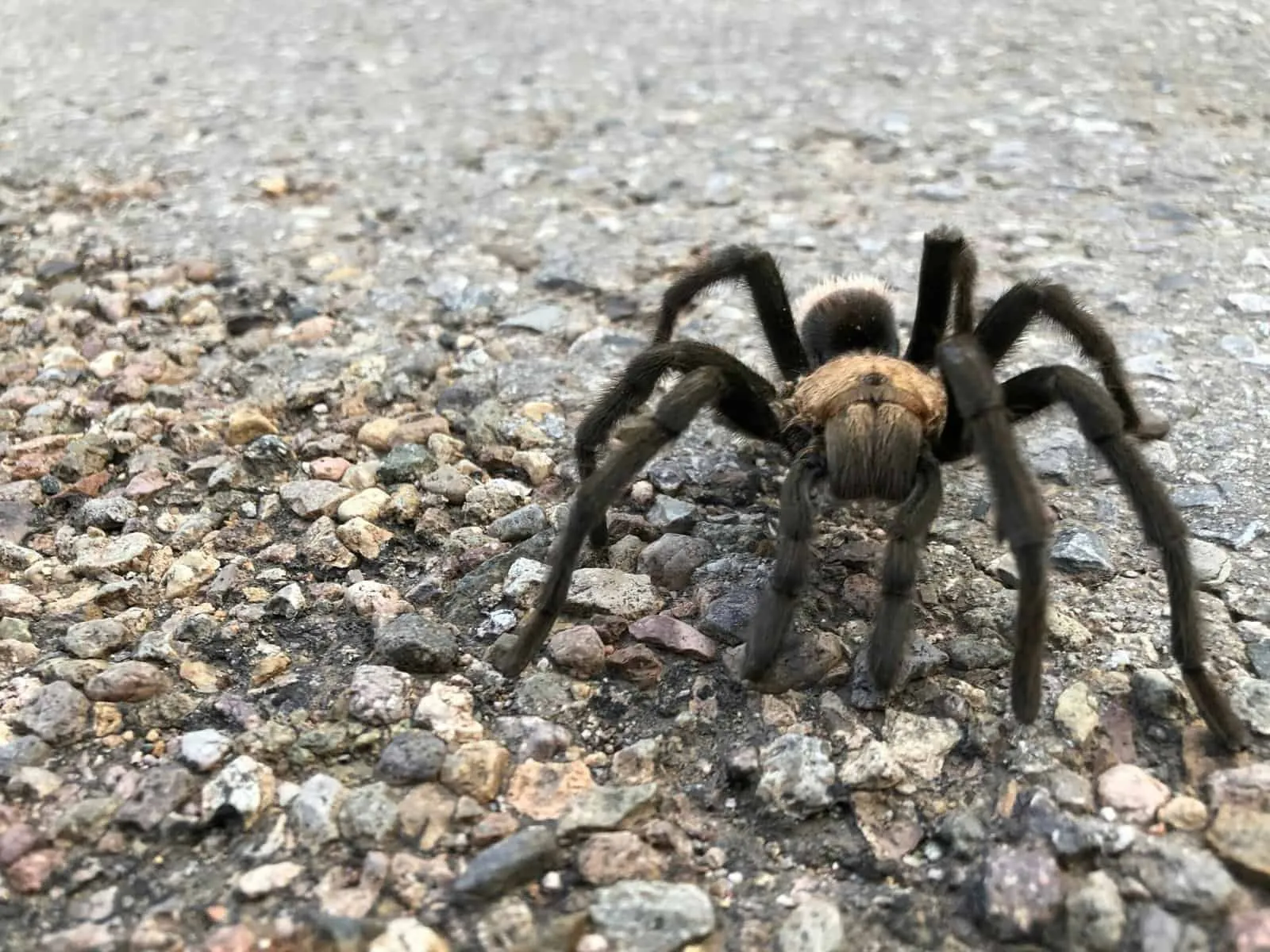
What is a Tarantula?
Tarantulas, those fascinating eight-legged creatures, often evoke a mix of fear and fascination. These large, hairy spiders belong to the Theraphosidae family and are renowned for their size and diverse appearances. Found in various habitats around the globe, from deserts to rainforests, tarantulas have captured the attention of scientists, pet enthusiasts, and the general public alike. Their impressive size, with some species boasting leg spans exceeding a foot, and their often colorful appearances make them stand out in the arthropod world. But beyond their striking looks, the question that often comes to mind is, how long do these impressive creatures live? Understanding a tarantula’s lifespan offers a glimpse into its life cycle, the factors that influence its longevity, and the unique characteristics that make each species special. Exploring this topic unveils intriguing insights into the world of these amazing arachnids.
Tarantula Lifespan Fact 1: The Gender Gap
One of the most astonishing facts about tarantula lifespans is the significant difference between males and females. This disparity is a key aspect of tarantula biology, deeply rooted in their reproductive strategies and life cycles. Female tarantulas generally live much longer than males. This difference is primarily due to the roles they play in the tarantula life cycle and the physiological demands placed on them. The longer lifespan of females allows them to mature fully, reproduce multiple times, and raise their offspring, ensuring the survival of the species. Males, on the other hand, typically have a shorter lifespan, often dying shortly after reaching sexual maturity and mating. This gender gap is a fundamental characteristic that influences the longevity of these amazing creatures.
Male Tarantulas

Male tarantulas typically have a significantly shorter lifespan than their female counterparts. Once a male tarantula reaches sexual maturity, which can occur anywhere from a few months to several years depending on the species, its primary purpose becomes reproduction. Following their final molt, male tarantulas develop the necessary structures, such as tibial hooks, which they use to mate with females. After mating, the male’s life is often short-lived. The stress and exertion of mating, combined with a decreased interest in feeding, often lead to their demise. Their shorter lifespan is a direct consequence of their reproductive role and the energy expenditure it entails.
Female Tarantulas
Female tarantulas, in contrast, boast a far more extended lifespan, making them the matriarchs of the tarantula world. Their longevity is a key factor in the survival of the species, as it allows them to reach full maturity, reproduce multiple times, and contribute to the population’s stability. Depending on the species, females can live for several decades, providing ample time to produce multiple egg sacs and raise their young. This long lifespan is supported by their efficient metabolism, ability to conserve energy, and the fact that they do not face the same immediate post-mating risks as males. The longer lifespan of female tarantulas is a testament to their resilience and the crucial role they play in the tarantula life cycle.
Tarantula Lifespan Fact 2: Species Matters
The lifespan of a tarantula can vary significantly depending on the species. Different species have evolved unique characteristics and adaptions that influence their longevity. Some species mature quickly and have shorter lifespans, while others mature slowly and live for many years. The environment, genetics, and physiological factors contribute to these variations, making each species’ lifespan a fascinating aspect of their biology. Understanding these differences is important for anyone interested in keeping tarantulas, as it influences the type of care and the length of time they can be expected to live.
Popular Tarantula Species and Their Lifespans

Here’s a look at the estimated lifespans of some popular tarantula species kept as pets, highlighting the range of variations based on species:
- Rose Hair Tarantula (Grammostola rosea): Females can live for 15-20 years, while males typically live for 5-10 years.
- Mexican Red Knee Tarantula (Brachypelma hamorii): Females can live for up to 25 years, with males living for 5-10 years.
- Chilean Rose Tarantula (Grammostola rosea): Females often live for 15-20 years, and males for 5-10 years.
- Goliath Birdeater (Theraphosa blondi): Females can live for up to 25 years or more, whereas males typically live 3-6 years.
Tarantula Lifespan Fact 3: The Molting Process
Molting is a fundamental aspect of a tarantula’s life cycle and plays a significant role in their longevity. As tarantulas grow, they shed their exoskeletons in a process known as molting, which allows them to grow larger and replace worn or damaged body parts. The frequency of molting decreases as tarantulas mature, but it is a crucial process for their overall health and lifespan. It is during this vulnerable time that they are most susceptible to injury.
Molting and Lifespan
Each molt requires significant energy and resources, and the number of molts a tarantula undergoes can influence its lifespan. The more often a tarantula molts, the faster it grows, but the more energy it expends. The molting process is also a time of vulnerability for the tarantula, making them susceptible to predation or injury. The health and frequency of molts are directly related to the tarantula’s overall health and how long it can live. Good care, including proper nutrition and a suitable habitat, can support healthy molting, which, in turn, contributes to a longer lifespan.
Tarantula Lifespan Fact 4: Diet and Nutrition

A balanced diet and proper nutrition are essential for a tarantula’s lifespan. Just like any living creature, tarantulas require specific nutrients to thrive and live a long, healthy life. A diet rich in essential vitamins, minerals, and proteins supports their growth, molting process, and overall well-being. Without adequate nutrition, tarantulas may experience health problems, stunted growth, and a reduced lifespan. Providing the correct food and feeding schedule is crucial to ensure that your tarantula gets the nourishment it needs to survive.
Feeding Habits
Tarantulas are primarily insectivores, and their diet typically consists of live insects. Crickets, mealworms, cockroaches, and other readily available insects are the most common food sources. The size and frequency of feeding depend on the tarantula’s age, size, and species. Overfeeding can lead to obesity and health issues, while underfeeding can result in nutritional deficiencies. A balanced diet that mimics their natural feeding habits is key to a long and healthy life. Proper feeding practices, including the use of appropriate feeders and supplementation if necessary, contribute directly to the tarantula’s longevity.
Tarantula Lifespan Fact 5: Environmental Factors
Environmental conditions play a crucial role in a tarantula’s lifespan. Providing a suitable habitat that mimics their natural environment is essential for their health and longevity. Temperature, humidity, and substrate are all important factors that affect their well-being. Stress, inadequate living conditions, and exposure to toxins can all shorten a tarantula’s lifespan. Maintaining a clean and stable environment, with appropriate temperature and humidity levels, can significantly contribute to a longer and healthier life for the tarantula.
Habitat and Care

The ideal habitat for a tarantula includes a secure enclosure with appropriate ventilation, substrate, and hiding places. The temperature and humidity levels must be carefully monitored and maintained based on the species’ specific requirements. Regular cleaning and maintenance are also essential to prevent the buildup of waste and harmful bacteria. Providing the right environment reduces stress, supports the molting process, and ensures that the tarantula remains healthy and active. By creating a safe and comfortable environment, you can significantly increase the likelihood of your tarantula living to its full potential lifespan.
In conclusion, the lifespan of a tarantula is influenced by various factors, including gender, species, molting, diet, and environment. Females typically live much longer than males, with some species living for several decades. Providing proper care, including a balanced diet and a suitable habitat, can significantly contribute to a tarantula’s longevity. Understanding these key facts will help you provide the best possible care for your tarantula, ensuring they live a long and healthy life. The amazing variety of species and their unique life cycles continue to fascinate arachnid enthusiasts worldwide.