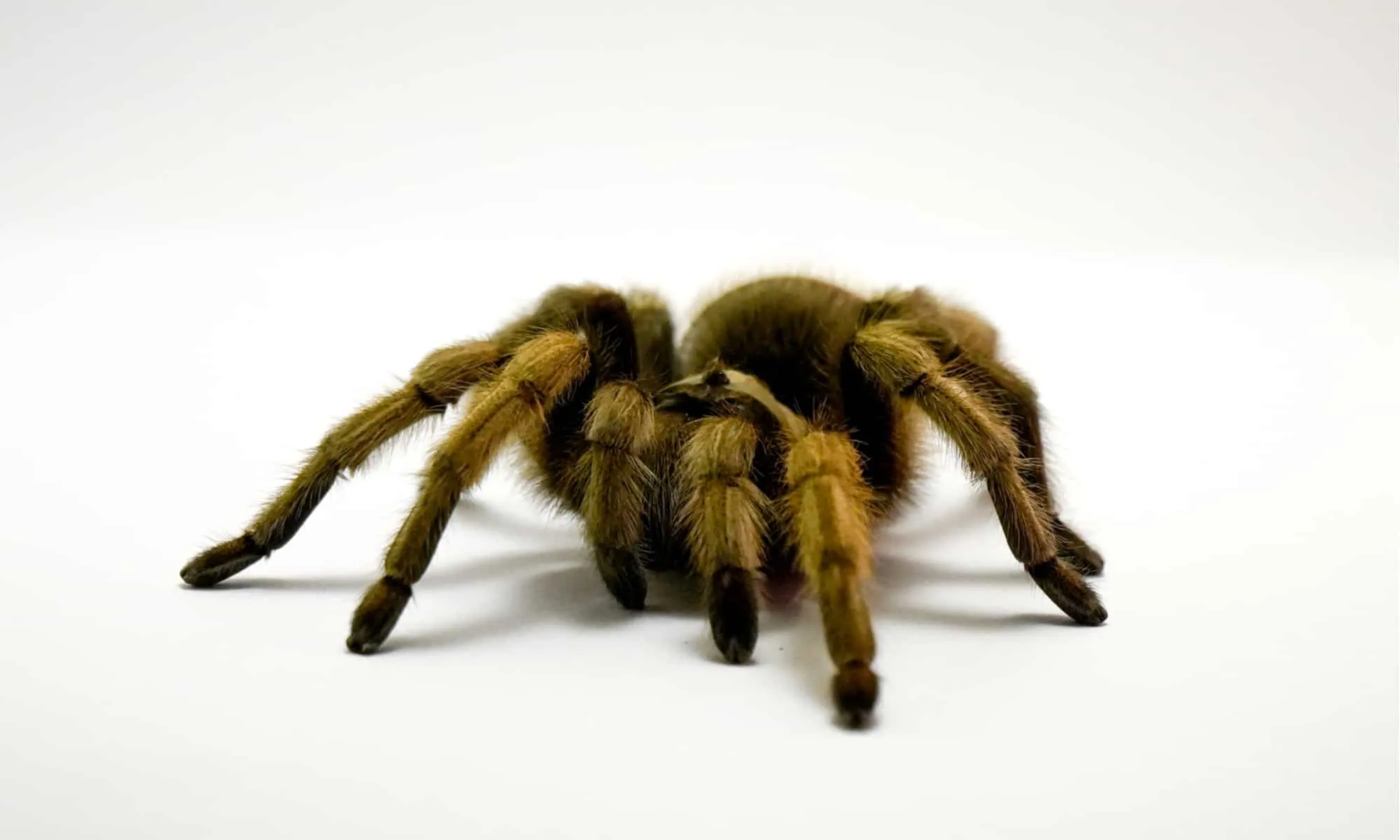
Tarantula Lifespan Unveiled
The world of tarantulas, with their impressive size and captivating presence, has always held a certain allure. One of the most common questions surrounding these fascinating creatures is, how long do they live? Understanding the tarantula average lifespan is crucial for anyone considering them as pets or simply interested in learning more about these amazing arachnids. Unlike many other pets, tarantulas can live for a considerable amount of time, often exceeding a decade. This longevity is a significant factor to consider for potential owners, highlighting the commitment involved in providing proper care. This article will delve into the various aspects influencing the lifespan of tarantulas, providing a comprehensive guide to understanding these captivating creatures and what impacts their longevity.
Tarantula Lifespan How Long Do They Live?
The tarantula average lifespan varies significantly, but generally, they are long-lived creatures. Female tarantulas typically live much longer than their male counterparts. On average, a female tarantula can live from 10 to 30 years, with some species known to live even longer under ideal conditions. Male tarantulas, however, have a much shorter lifespan, often only living for 2 to 5 years after reaching maturity. This difference is primarily due to the biological demands of reproduction, where males often die shortly after mating. The tarantula average lifespan also depends on factors such as species, diet, and environment. Understanding these variables is crucial to estimate the lifespan of a tarantula.
Species Specific Lifespans

Different tarantula species exhibit varying lifespans. For example, the Grammostola rosea (Chilean Rose Hair) is known for its relatively long lifespan, with females often living for over 20 years. In contrast, certain arboreal species, like some of the Poecilotheria genus, might have slightly shorter lifespans. The size and growth rate of the tarantula also impact its lifespan. Larger species tend to have longer lifespans than smaller ones, as they mature more slowly. The study of different species and their respective lifespans provides valuable insight into the biology and behavior of these fascinating arachnids. This knowledge is vital when choosing a tarantula as a pet, allowing for informed decisions based on desired longevity and care requirements. Learning about specific tarantula lifespans will help you better prepare for the commitment and provide the best possible care for your pet.
The Significance of Sex Female vs Male
As previously mentioned, the sex of a tarantula significantly influences its lifespan. Female tarantulas generally live much longer than males. The primary reason is the biological demands of reproduction. After reaching maturity, male tarantulas often embark on a quest to find a mate, and they often die shortly after mating. Female tarantulas, on the other hand, can live for many years, producing multiple egg sacs throughout their lives. When considering a tarantula as a pet, understanding the implications of sex is crucial. Female tarantulas require a long-term commitment, whereas males have a shorter lifespan. This difference can impact the overall care and the bond an owner will have with the pet. Carefully consider which sex is the best fit, considering your commitment level and expectations regarding the pet’s lifespan.
Impact of Environmental Factors
The environment in which a tarantula lives plays a crucial role in determining its lifespan. Maintaining the correct temperature and humidity levels is essential for their health and well-being. A tarantula’s enclosure should mimic its natural habitat, providing a comfortable and stress-free environment. Poor environmental conditions can lead to various health problems, shortening the tarantula average lifespan. Exposure to toxins or pesticides can also be detrimental, so it’s important to ensure the enclosure is clean and free from harmful substances. Regular maintenance, including removing any uneaten food and replacing the substrate, will help to maintain a healthy environment. Providing the right setup will create an environment where tarantulas can thrive, ultimately contributing to a longer and healthier life.
Nutrition and Feeding Habits

Proper nutrition is a fundamental aspect of a tarantula’s longevity. A balanced diet consisting of appropriately sized insects is crucial for their health and growth. The frequency of feeding depends on the tarantula’s age, species, and size. Overfeeding can lead to health issues, so it is vital to provide the right amount of food. Access to clean water is also critical for hydration. The type of food offered will vary by species, but generally, crickets, mealworms, and roaches are common choices. The size of the prey should be appropriate, as tarantulas can struggle to consume food items that are too large. The proper diet and feeding habits will ensure that the tarantula receives all necessary nutrients to live a long and healthy life.
Role of Genetics in Lifespan
Genetics also play a role in determining a tarantula’s lifespan. Some tarantula species have a genetic predisposition to longer lifespans than others. This inherited trait can influence how long a tarantula is likely to live, even under ideal conditions. Understanding the genetics of the specific species is something that a breeder will study extensively. The genetics also impact the overall health and the ability of the tarantula to withstand environmental stressors. While genetics are a factor, the environment, diet, and overall care play an equally important role in maximizing a tarantula’s lifespan. Both genetics and care contribute to the overall life expectancy of a tarantula. Choosing a healthy specimen from a reputable breeder can increase your chances of having a long-lived pet.
In conclusion, the tarantula average lifespan varies but understanding these factors is crucial for responsible pet ownership. By considering species, sex, environment, nutrition, and genetics, owners can help their tarantulas live long and healthy lives. Providing the right care and a suitable environment will contribute to the well-being and longevity of these captivating creatures, offering a rewarding experience for both the tarantula and its owner. The more you understand the complexities of tarantula life, the better equipped you’ll be to provide the care required for a long and fulfilling life for your pet.