Tarantula Is It a Spider What Defines a Spider
The question of whether a tarantula is a spider often arises, and the answer, while seemingly simple, delves into the fascinating world of arachnids. To understand this, we must first define what constitutes a spider. Spiders, belonging to the class Arachnida, are characterized by specific anatomical features and behaviors that set them apart from other creatures. These features are the foundation upon which we can determine the relationship between tarantulas and spiders, clarifying their taxonomic placement and answering the initial question with precision. This section serves to lay a foundation for a comprehensive understanding of arachnids.
Arachnid Anatomy What Makes a Spider
Spiders are defined by a unique body plan and several key features that distinguish them from other arthropods. These include the presence of a cephalothorax, a fused head and chest region, and an abdomen. Their bodies are covered in an exoskeleton made of chitin, providing protection and support. Understanding these anatomical basics is critical to placing tarantulas accurately within the spider family. The structure and arrangement of their body parts reveal a lot about their evolutionary history and their role in the ecosystem.
Body Segmentation

The spider’s body is divided into two main sections the cephalothorax and the abdomen. The cephalothorax houses the spider’s brain, mouthparts, eyes, and legs, while the abdomen contains the digestive and reproductive organs. This segmentation is a key feature, allowing for specialized functions within a compact body structure. This body plan is fundamentally different from insects, which have three distinct body segments head, thorax, and abdomen. The segmented body plan is a defining characteristic.
Legs and Appendages
Spiders are known for having eight legs, which are attached to the cephalothorax. In addition to legs, spiders have other appendages, including pedipalps, which are used for sensing, feeding, and sometimes mating. The eight legs provide spiders with mobility, allowing them to navigate various terrains and construct webs. These legs also have sensory hairs that detect vibrations, helping spiders locate prey. The structure and function of these appendages are vital to their survival.
Silk Production
A defining characteristic of spiders is their ability to produce silk, a protein fiber that is incredibly strong and versatile. Spiders use silk for a variety of purposes, including building webs, constructing egg sacs, and creating draglines for safety. Silk glands, located in the abdomen, produce different types of silk with unique properties. This ability to produce silk is a key feature distinguishing spiders from other arachnids and is essential to their hunting and survival strategies. The various uses and types of silk demonstrate the spider’s adaptability.
Tarantulas Unveiling the Differences

Tarantulas, despite their fearsome reputation, share many characteristics with other spiders. However, there are also notable differences in their physical appearance, habitat, and behavior. These distinctions help us appreciate the unique aspects of tarantulas while still recognizing their classification within the broader spider family. Examining these differences allows for a more nuanced understanding of this group of arachnids.
Physical Characteristics of Tarantulas
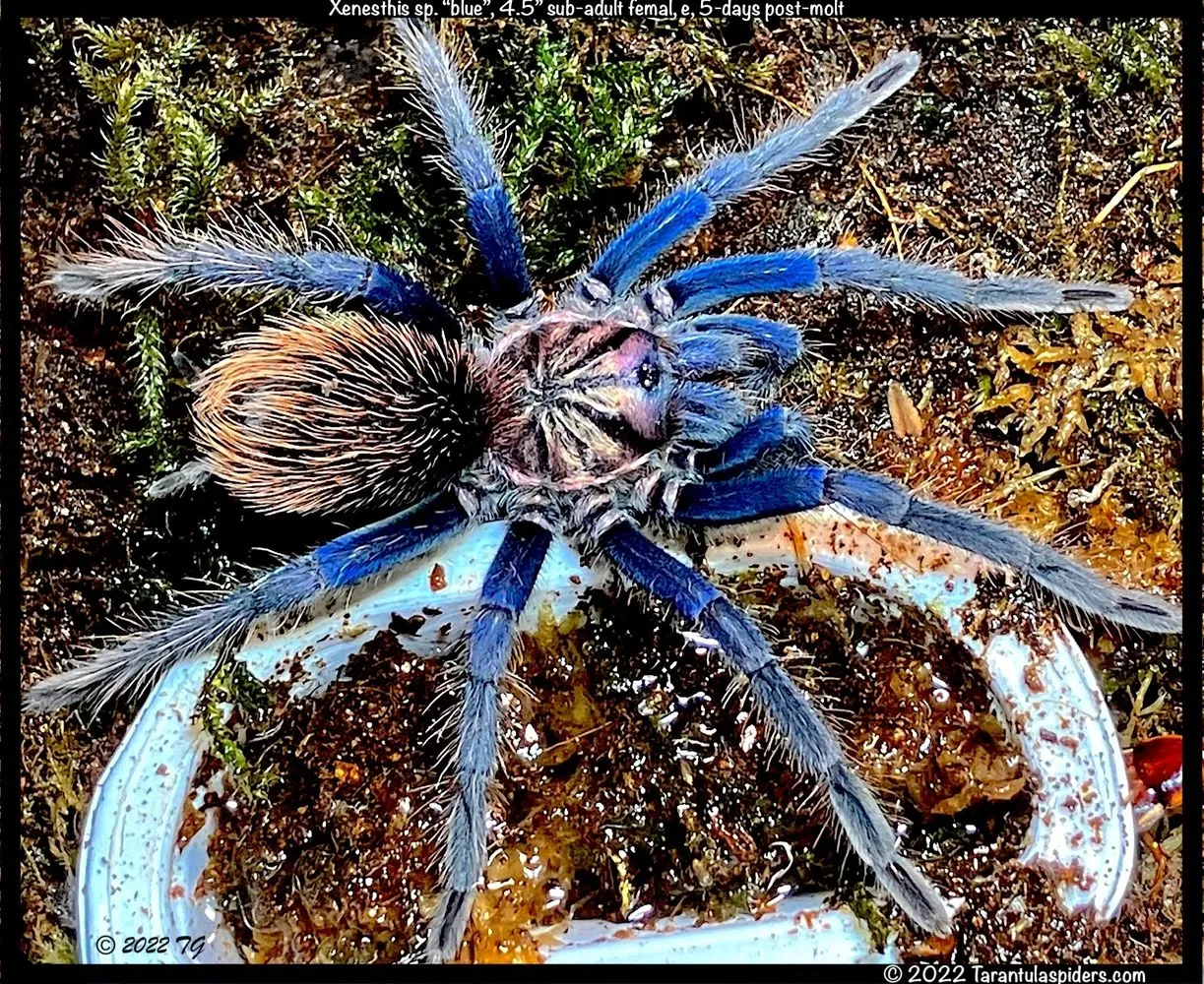
Tarantulas are generally large spiders, often covered in a dense coat of hairs. They have robust bodies and powerful legs, adapted for burrowing and hunting. Their appearance, including their size and coloration, varies significantly depending on the species and habitat. Many tarantulas have urticating hairs on their abdomen, which they can flick at potential predators. These hairs cause intense irritation upon contact, providing a defense mechanism. Tarantulas also possess chelicerae, or fangs, which they use to inject venom into their prey.
Size and Appearance
One of the most striking features of tarantulas is their size. They are among the largest spiders in the world, with some species having a leg span of over 10 inches. Their appearance varies, from hairy to smooth, and their coloration ranges from brown and black to vibrant blues, oranges, and reds. This diverse appearance is influenced by factors such as habitat, diet, and genetic variation. These physical characteristics are integral to their survival, aiding in camouflage and predation.
Habitat and Behavior

Tarantulas are found in a variety of habitats, including tropical rainforests, deserts, and grasslands. Some species are terrestrial, living in burrows, while others are arboreal, residing in trees. Their behavior is often nocturnal, with tarantulas primarily hunting at night. They are ambush predators, waiting for prey to come within striking distance. Their temperament can vary, with some species being more docile than others. Understanding their habitat and behavior is crucial for conservation efforts and responsible pet ownership.
Venom and Fangs
Like all spiders, tarantulas possess venom, which they use to subdue their prey. Their fangs, or chelicerae, are used to inject this venom. While tarantula venom is generally not lethal to humans, it can cause localized pain, swelling, and other symptoms. The fangs of tarantulas are relatively large compared to other spiders, reflecting their hunting strategies. The venom composition varies depending on the species, with some venoms being more potent than others. This aspect is often a source of concern, highlighting the need for awareness and caution.
Spider Taxonomy How Tarantulas Fit In
Taxonomy is the science of classifying and naming organisms, and it provides a hierarchical structure that helps us understand the relationships between different species. Understanding the taxonomic classification of tarantulas helps clarify their relationship to other spiders. This section provides the framework for understanding how tarantulas are organized within the larger spider classification system. Understanding this hierarchy helps to clarify the relationship between tarantulas and other arachnids.
Order Araneae

Spiders belong to the order Araneae, a group that encompasses all true spiders. This order is characterized by the presence of spinnerets, which produce silk, and a body plan divided into a cephalothorax and an abdomen. Within this order, spiders are further classified into various suborders, infraorders, and families, based on their characteristics and evolutionary relationships. The Araneae order is vast and diverse, containing tens of thousands of known species, all sharing fundamental spider characteristics.
Family Theraphosidae
Tarantulas belong to the family Theraphosidae, which is one of the largest families of spiders. This family is distinguished by several features, including the size of the spiders, the presence of urticating hairs, and the structure of their chelicerae. Tarantulas within this family share many common characteristics, but also show a significant amount of diversity in terms of their size, color, behavior, and habitat preferences. The family Theraphosidae is found across several continents, with various species adapted to specific environments.
Evolutionary Relationships
Understanding the evolutionary relationships between tarantulas and other spiders is crucial to understanding their place in the spider family tree. Through genetic analysis and morphological studies, scientists have traced the evolutionary history of spiders, revealing how different groups have diverged and adapted over time. Tarantulas are considered to be relatively primitive spiders, meaning they have retained some ancestral characteristics, which offer insight into their evolutionary history. Understanding their evolution is also important for conservation.
Top 5 Facts Tarantula is a Spider

Based on the information, here are the top 5 facts to solidify the understanding that a tarantula is indeed a type of spider. These facts summarize the key points discussed in this article, emphasizing the definitive answer to this question.
Fact 1 Basic Fact
Tarantulas belong to the order Araneae, the same order that all spiders belong to. This classification immediately places tarantulas within the spider family, demonstrating the fundamental truth that they are, in fact, spiders. This fact highlights the taxonomic similarities between tarantulas and other spiders, which are the base of their classification.
Fact 2 Similarities
Tarantulas and other spiders share many fundamental characteristics, including the presence of eight legs, a cephalothorax and abdomen, and the ability to produce silk. These similarities are the defining features of spiders, demonstrating their common ancestry. Understanding these commonalities is essential for comprehending the basic nature of what a spider is.
Fact 3 Key Differences

While tarantulas are spiders, they differ in certain aspects. They are often larger, possess urticating hairs, and have distinct hunting and habitat preferences compared to many other spider species. These differences are what set tarantulas apart, but they do not change the fact that they are indeed spiders. Recognizing these differences allows for a more comprehensive understanding.
Fact 4 Unique Traits
Tarantulas possess unique traits, such as their size, robust bodies, and the presence of urticating hairs, that distinguish them within the spider family. These adaptations have evolved to enhance their survival in various environments. These unique traits make them fascinating creatures, providing the answer and further definition of what they are, spiders.
Fact 5 Fascinating Facts
Tarantulas, as members of the Theraphosidae family, are a part of the diverse and widespread order of spiders. They are not a separate type of creature, but a specific family within the spider order. Their evolutionary history and shared characteristics with all spiders confirm this connection. They remain a captivating and important part of the arachnid world, and a type of spider, showcasing their belonging to the spider family and a testament to their classification.