What is a Tarantula Ireland
The term “Tarantula Ireland” refers to the presence, or lack thereof, of tarantulas in the country of Ireland. Tarantulas, known for their large size and hairy appearance, are a type of spider belonging to the Theraphosidae family. These arachnids are generally found in warmer climates and are not native to Ireland. The discussion around Tarantula Ireland typically revolves around their potential introduction, sightings, and the implications for the local ecosystem. Understanding the context of tarantulas and their natural habitats is important when considering the topic of Tarantula Ireland.
Tarantulas in Ireland Are They Real
The short answer is no, tarantulas are not native to Ireland. The cold, temperate climate of Ireland is not suitable for these tropical and subtropical spiders. However, there have been occasional reports of tarantulas in Ireland, which are most likely due to accidental introductions or pet owners releasing their spiders. These occurrences are rare, and the spiders typically do not survive long in the Irish environment. It is important to differentiate between confirmed sightings and rumors, as well as to consider the potential risks associated with the presence of these spiders in the Irish ecosystem.
The Origin and Discovery of Tarantulas in Ireland

Since tarantulas are not native to Ireland, any presence of these spiders would be the result of human activity. This could include accidental introduction through imported goods, or more commonly, the escape or release of pet tarantulas. When tarantulas are discovered in Ireland, it is important to investigate the origin of the spider to determine if it poses a threat to native wildlife or public health. It is crucial to emphasize the non-native status of tarantulas in Ireland. They are not part of the natural biodiversity of the country, so any sightings are noteworthy and warrant further investigation to understand how the spider arrived there and if it poses a risk.
Tarantula Ireland Facts
While tarantulas are not a natural part of the Irish ecosystem, learning about them provides valuable knowledge about the wider world. Knowing the basic facts, such as their habitat, diet, and appearance, is crucial for understanding tarantulas. In the context of Ireland, this information helps to clarify why these spiders are not native to the country and what might happen if they were introduced. The following facts provide a foundation for understanding tarantulas. By studying these facts, you will be able to assess the significance of any sightings in Ireland and appreciate these creatures in their natural context.
Fact 1 Where they are Found
Tarantulas are typically found in warm climates. This includes regions of North and South America, Asia, Africa, and Australia. They thrive in habitats such as tropical rainforests, grasslands, and deserts. These spiders are adapted to specific environmental conditions, with some species burrowing underground and others living in trees. The type of environment directly impacts the type of tarantula and its survival. Ireland’s climate is too cold and wet for tarantulas to survive, which explains why they are not found there naturally. The study of where tarantulas are found helps to understand the factors that contribute to their existence and how they are impacted by climate.
Fact 2 What do they eat

Tarantulas are primarily carnivorous, meaning they eat other animals. Their diet typically consists of insects, but they can also consume larger prey such as small lizards, frogs, and even small mammals. Tarantulas use their fangs to inject venom into their prey, which immobilizes the animal and begins the digestion process. Understanding the diet of tarantulas is important because it impacts their behavior, habitat, and role in the food chain. When discussing the topic of Tarantula Ireland, their diet highlights the challenges they would face in an environment that does not offer the food they need to survive. The spiders are opportunistic hunters and will eat whatever is available.
Fact 3 Their appearance
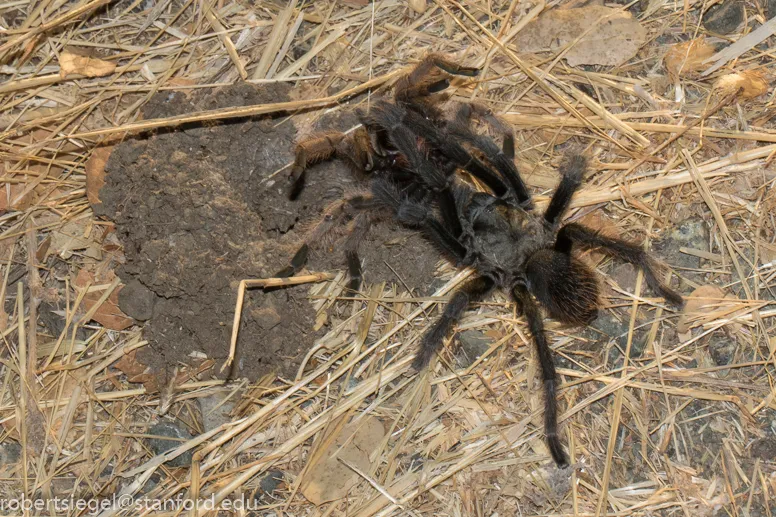
Tarantulas are known for their large size and hairy appearance, which can vary depending on the species. Their bodies are divided into two main parts the cephalothorax and the abdomen. They have eight legs, two pedipalps (used for sensing and manipulating food), and fangs for injecting venom. The color of tarantulas can also vary, with some species displaying vibrant hues. The appearance of tarantulas is an important factor in their identification and is a key point for those who might encounter them. The fact that they are so visually different, is one of the reasons that they are such a popular pet. Tarantulas have become popular pets due to their unique appearance.
Fact 4 How to recognize a bite
Tarantula bites are rare, but they can occur if the spider feels threatened or is mishandled. The symptoms of a tarantula bite can vary but typically include pain, redness, and swelling at the bite site. Some individuals may experience more severe reactions, such as muscle cramps, nausea, and increased heart rate. The venom of most tarantulas is not considered life-threatening to humans, but it is important to seek medical attention if you experience severe symptoms or have concerns. In the context of Tarantula Ireland, the risk of encountering a tarantula bite is very low, but knowing how to identify the symptoms can help with safety. Always seek medical attention, even if it seems harmless.
Fact 5 Their lifespan

Tarantulas can have surprisingly long lifespans, particularly females. Depending on the species, females can live for 10 to 30 years, while males typically have shorter lifespans, often only a few years. The longevity of tarantulas is influenced by factors such as their species, diet, and environment. The long lifespan of these creatures makes them a significant commitment as pets. Regarding Tarantula Ireland, the discussion about lifespan reinforces the fact that tarantulas do not naturally live in this climate. Their lifespan would be severely compromised, should they be introduced into the Irish environment. These spiders require specific living conditions to survive long term.
How to Protect Yourself from Tarantulas in Ireland
The risk of encountering a tarantula in Ireland is very low, but it is important to take precautions. If you come across a spider that you suspect is a tarantula, it is best to observe it from a safe distance. Avoid touching or attempting to handle the spider, as this can provoke it and increase the risk of a bite. If you believe you have found a tarantula, you should report it to local authorities or a wildlife expert, who can properly identify and handle the spider. The most effective protection is to be informed, aware, and take necessary steps, while keeping in mind that the risk of tarantulas in Ireland is exceptionally low. Knowing the risks and what to do, is the best form of protection.