Are There Tarantulas in Ontario? Understanding the Basics
The question of whether tarantulas exist in Ontario is a fascinating one, sparking curiosity and sometimes, a touch of fear. These large, hairy spiders are iconic in popular culture, often associated with tropical and subtropical regions. However, the idea of encountering a tarantula in the Canadian province of Ontario might seem surprising. To understand the likelihood, we need to delve into the world of tarantulas, their natural habitats, and the specific environmental conditions of Ontario. This exploration will lay the groundwork for understanding the key factors influencing their presence or absence in this region. The journey begins with a closer look at what defines a tarantula and the kind of environment it typically thrives in. It is important to clarify that the presence of tarantulas in Ontario is extremely rare and not considered a natural occurrence.
What is a Tarantula?
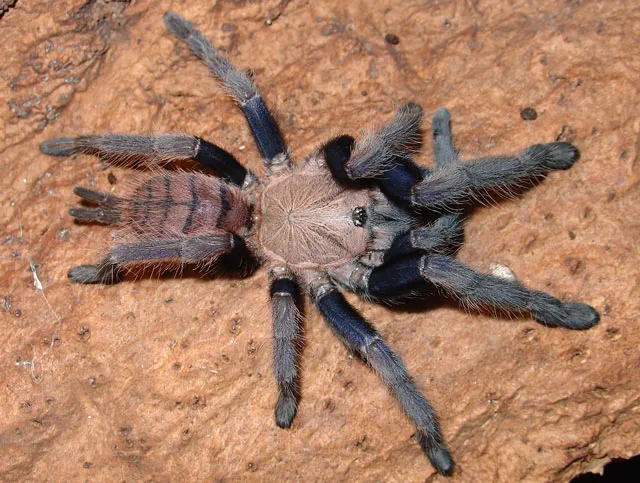
Tarantulas belong to the Theraphosidae family, a group of large and often hairy spiders. They are known for their size, with some species having leg spans exceeding 10 inches. These spiders are typically nocturnal hunters, feeding on insects, and occasionally small vertebrates. They possess fangs that inject venom, though the venom of most tarantula species is not considered highly dangerous to humans. Their lifespan can be remarkably long, with some females living for over 20 years. Tarantulas are found in a variety of habitats, ranging from deserts to rainforests, but they generally prefer warmer climates. They have specialized hairs called urticating hairs on their abdomen, which they can flick at predators as a defense mechanism. These hairs can cause skin irritation and discomfort.
Tarantula Habitats and Characteristics

Tarantulas thrive in warm, humid environments where they can find suitable prey and shelter. Their natural habitats include tropical rainforests, grasslands, and deserts. These spiders are often burrowers, creating underground dens or using existing crevices for protection. The soil conditions, humidity levels, and temperature play crucial roles in their survival. They are ectothermic, meaning they rely on external sources of heat to regulate their body temperature. This makes them particularly vulnerable to cold climates. The availability of insects and other small animals is essential for their diet. They need a constant supply of food to sustain their size and energy needs. The specific characteristics of a tarantula’s habitat significantly influence its behavior, size, and overall survival strategy. These spiders are solitary creatures, except during mating season.
Why Ontario Seems Unlikely
Ontario’s climate and environment present significant challenges for tarantulas. The province experiences harsh winters with freezing temperatures, which tarantulas cannot tolerate. Their ectothermic nature means they cannot regulate their body temperature effectively in such conditions. Furthermore, Ontario’s native insect populations, the primary food source for tarantulas, are not as abundant or diverse as those found in warmer regions. The geological composition of Ontario, which is not ideal for burrowing, is another factor. The type of soil and terrain make it difficult for tarantulas to create and maintain burrows. While some areas of Ontario have humid summers, the overall climatic conditions do not align with the requirements of tarantula survival. Therefore, a natural and sustainable tarantula population in Ontario is highly improbable. The risk of these spiders surviving is slim, if it wasn’t for the fact that tarantulas would need to adapt to thrive in this environment.
Top 5 Shocking Facts About Tarantulas in Ontario
Fact 1 The Climate Challenge

The most significant barrier to tarantulas in Ontario is the climate. The province’s cold winters and fluctuating temperatures make it an inhospitable environment for these creatures. Tarantulas cannot survive freezing temperatures, and their reliance on external heat sources makes them particularly vulnerable to the cold. The short summers are often not warm or long enough for them to breed and thrive. The drastic changes in temperature and humidity further complicate their survival, making it nearly impossible for them to establish a sustainable population. Their physiology is not adapted to withstand such extreme conditions. This harsh environment is a primary reason why you’re unlikely to spot a tarantula in Ontario.
Fact 2 No Native Tarantula Species
Ontario is not home to any native tarantula species. The geographic and climatic conditions simply do not support them. Tarantulas evolved in warmer regions, adapting to specific environmental niches. The absence of a natural population means that any tarantula sightings are likely to be the result of accidental introduction or other unusual circumstances. This contrasts with other spider species that have successfully adapted to Ontario’s environment. The lack of native tarantulas underscores the unsuitability of the province as a natural habitat. Their biology and behavior are not aligned with Ontario’s natural ecosystems.
Fact 3 Accidental Introductions
Accidental introductions of tarantulas are possible, often through the pet trade. Sometimes, tarantulas kept as pets escape or are released. These instances are rare and do not typically lead to the establishment of a breeding population. The introduced tarantulas are unlikely to survive for long in the wild. The factors mentioned previously the climate, lack of food, and lack of habitat would be challenging for them to overcome. Any reported sightings are usually traced back to escaped pets, emphasizing the lack of a natural tarantula presence in Ontario. These introductions highlight the potential for rare encounters, even if they are not sustainable.
Fact 4 The Case of the Misidentified Spider

Many reported tarantula sightings in Ontario are often misidentifications. Other large, hairy spiders, such as wolf spiders, are sometimes mistaken for tarantulas. These spiders are more common in Ontario. They have similar appearances, especially to the untrained eye. Accurate identification requires expertise in arachnid taxonomy. Proper identification is essential to understanding whether a tarantula was actually seen or if it was a case of mistaken identity. The misidentification underscores the importance of proper training and resources to help accurately report findings, and differentiate between harmless spiders and exotic tarantulas.
Fact 5 Risk of the Unknown
Even though the presence of tarantulas in Ontario is unlikely, the potential risks should not be ignored. Non-native tarantulas can be a health concern, as their venom can cause allergic reactions in some individuals. The unexpected presence of such a spider in a local environment can be alarming. The ecological impact of non-native species on native ecosystems can be detrimental. Awareness and caution are important, even if the chances of an encounter are low. Proper handling and professional assistance are advised when dealing with any unknown spider species. It is always better to be safe.
What to Do If You Think You’ve Seen a Tarantula in Ontario
Documenting the Sighting

If you believe you’ve spotted a tarantula in Ontario, the first step is to document the sighting. Take clear photos or videos of the spider from a safe distance. Note the location, date, and time of the sighting. Describe the spider’s size, color, and any distinguishing features. Any information will be crucial for accurate identification and assessment. Detailed records are invaluable for verifying the claim. The more information you gather, the better. These records are crucial for helping experts assess the situation. They help differentiate between a true sighting and a misidentification.
Contacting Experts
After documenting the sighting, contact local wildlife experts or entomologists for verification. Professionals, like those at the Royal Ontario Museum (ROM) or local universities, can provide insights. Provide them with your photos, videos, and detailed observations. They will be able to provide accurate identification. These experts can assess the situation and determine if it is truly a tarantula. They can also help assess the potential risks and necessary actions. Consulting with experts is essential for proper assessment. They have the knowledge and experience to verify a possible sighting.
The Importance of Accurate Identification
Accurate identification is critical in all circumstances. It ensures that any potential risks are managed appropriately. Distinguishing between a tarantula and other spiders is important for safety. It also ensures a proper response. Correctly identifying the species involved is vital for conservation purposes. The information gathered helps in understanding the distribution of species. This aids in the management of any possible non-native species. Prioritizing accuracy leads to informed decision-making and effective public safety practices. Precise identification will help to maintain a safe ecosystem.
Conclusion Is There a Future for Tarantulas in Ontario?

The prospect of tarantulas establishing a natural population in Ontario is extremely low, given the environmental factors. While accidental introductions are possible, they are unlikely to lead to long-term survival due to the climate and lack of suitable habitat. Most sightings are likely misidentifications of other spider species. In the rare event of a confirmed tarantula sighting, it’s crucial to report it and seek expert verification. Responsible pet ownership and awareness are essential. Promoting accurate reporting and continuing research are beneficial. For now, the presence of a self-sustaining tarantula population in Ontario remains a distant possibility.