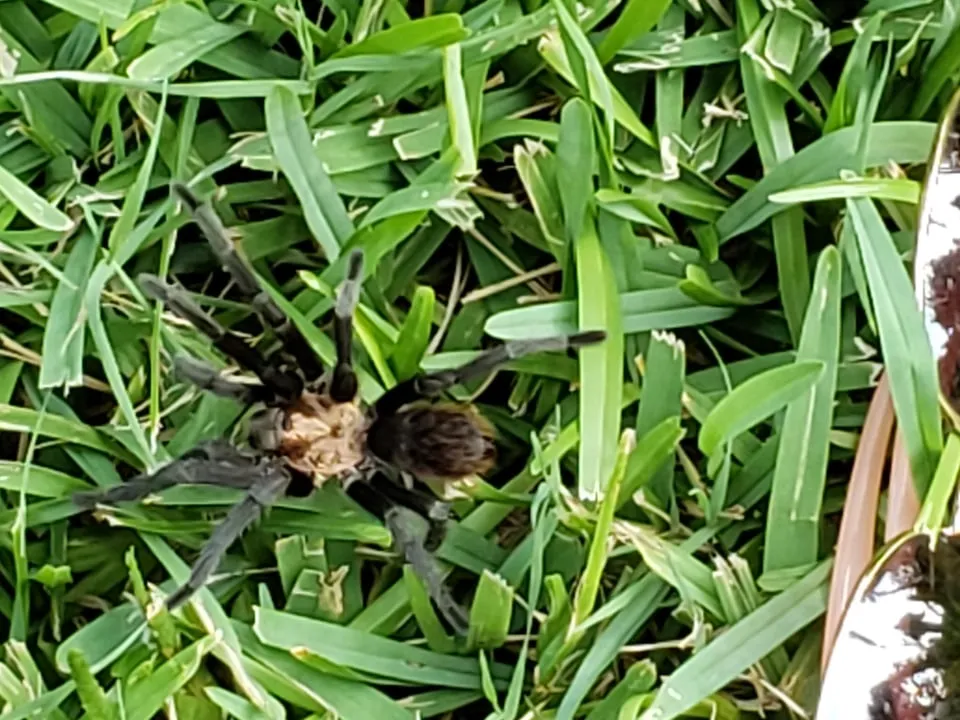
What Are Tarantulas
Tarantulas, the imposing and often misunderstood arachnids, are a captivating part of the natural world. They belong to the Theraphosidae family and are known for their large size, hairy bodies, and impressive fangs. These spiders are found in various habitats across the globe, from tropical rainforests to arid deserts, and even in the suburban landscapes of cities like Austin, Texas. Despite their fearsome appearance, tarantulas are generally not aggressive and prefer to avoid confrontation. Their primary defense mechanism is their urticating hairs, which they can flick off their abdomen to deter predators. Understanding these fascinating creatures and their behavior is the first step in appreciating their role in the ecosystem and dispelling any misconceptions about them. The presence of tarantulas in Austin is a testament to the region’s diverse environment, offering a unique opportunity for observation and study.
Tarantula Species in Austin, TX
Austin, Texas, is home to several species of tarantulas, with the most common being the Texas Brown Tarantula (Aphonopelma hentzi) and the Texas Tan Tarantula (Aphonopelma anax). These spiders are well-adapted to the local climate and landscape, thriving in the warm, semi-arid environment. Identifying the specific species can be challenging due to their similar appearances, but subtle differences in coloration, size, and behavior can help distinguish them. The Texas Brown Tarantula, as its name suggests, typically has a brown body with varying shades, while the Texas Tan Tarantula can range from tan to lighter brown hues. Both species play an important role in the local ecosystem, preying on insects and other invertebrates, and serving as a food source for larger animals.
Texas Brown Tarantula

The Texas Brown Tarantula is a common sight in the Austin area, known for its relatively large size and robust build. They are typically dark brown to reddish-brown in color, with a hairy appearance. Female Texas Brown Tarantulas can live for over 25 years, while males have a shorter lifespan, often only a few years after reaching maturity. These tarantulas are primarily nocturnal hunters, spending their days in burrows or under rocks and logs. They are opportunistic feeders, consuming a variety of insects, including crickets, grasshoppers, and beetles. The Texas Brown Tarantula is generally docile and not prone to biting unless provoked, making it a fascinating subject for observation by both amateur and professional naturalists. Their presence is a sign of a healthy ecosystem, and they contribute to the balance of the local food web.
Texas Tan Tarantula
The Texas Tan Tarantula presents a slightly different appearance compared to its brown counterpart, often exhibiting lighter tan or beige coloration. They share many of the same behaviors and habitat preferences as the Texas Brown Tarantula, also being found in burrows or under shelter during the day and active hunters at night. The Texas Tan Tarantula’s diet consists of a range of insects, contributing to the control of insect populations in the region. They are also relatively long-lived, with females outliving males by a significant margin. Like the Texas Brown Tarantula, the Texas Tan Tarantula is not aggressive and usually avoids contact. Their presence highlights the biodiversity of the Austin area and serves as an indicator of the overall health of the environment.
Tarantula Habitat in Austin
The habitat of tarantulas in Austin, TX, is primarily influenced by the region’s climate and terrain. These spiders prefer environments that provide shelter from the sun and protection from predators. They are often found in grasslands, woodlands, and suburban areas with suitable soil for burrowing. The presence of rocks, logs, and other debris also provides hiding places. Tarantulas are adept at creating burrows, which they line with silk to maintain humidity and stability. These burrows serve as their homes and hunting grounds. The availability of prey, such as insects and small invertebrates, is another critical factor in determining where tarantulas can thrive. Understanding the specific habitat requirements of tarantulas helps in appreciating their ecological role and promoting their conservation in the Austin area.
Where Do Tarantulas Live in Austin, TX

In Austin, tarantulas can be found in a variety of locations, often in areas with undisturbed soil and ample ground cover. Parks, nature preserves, and undeveloped lots are common habitats where they build their burrows. Suburban gardens, especially those with native plants and natural landscaping, can also host tarantulas. The spiders are particularly attracted to areas with a good supply of insects, their primary food source. The best places to spot tarantulas are typically during the late summer and early fall, when males are actively searching for mates. Keep an eye out near trails, under rocks, and in areas with tall grass. It’s always best to observe from a distance to avoid disturbing these fascinating creatures and to ensure your safety.
Tarantula Behavior and Diet
Tarantulas exhibit fascinating behaviors and have a specialized diet that reflects their predatory nature. They are primarily nocturnal hunters, often emerging from their burrows at dusk to search for food. Their diet consists mainly of insects, but they also consume other invertebrates and sometimes small vertebrates, such as lizards or small rodents. Tarantulas use their fangs to inject venom into their prey, which paralyzes it and begins the digestive process. They then use their chelicerae (mouthparts) to crush and consume the prey. In terms of behavior, tarantulas are solitary creatures, except during mating season. They are generally docile, but they can become defensive if threatened. Learning about their feeding habits and general behavior sheds light on their role in maintaining the ecosystem’s balance.
What Do Tarantulas Eat
Tarantulas are opportunistic predators, meaning they will eat whatever prey they can successfully capture. Their diet consists mainly of insects, including crickets, grasshoppers, beetles, and other invertebrates. They may also consume larger prey items like small lizards, mice, or even small birds. The specific diet of a tarantula often depends on the availability of food in its habitat. They are ambush predators, meaning they wait patiently for prey to come within striking distance. Once a suitable target is identified, the tarantula will pounce and use its fangs to inject venom, which immobilizes the prey. After the venom takes effect, the tarantula uses its chelicerae to break down the prey and consume it.
Tarantula Mating Season

The mating season for tarantulas in Austin typically occurs in late summer and early fall, when the males become active and begin their search for mates. During this time, males will leave their burrows and wander in search of receptive females. They use their pedipalps (small leg-like appendages near the mouth) to transfer sperm to the female. The mating process can be a complex and sometimes dangerous affair for the male, as females may occasionally attempt to eat them after mating. Once the female has successfully mated, she will lay her eggs in a silken sac, which she then guards. The eggs hatch into spiderlings, which eventually disperse to establish their own territories. Observing the mating season is a unique opportunity to witness these fascinating creatures’ natural behavior and life cycle.
Tarantula Encounter Tips
Encountering a tarantula in Austin can be a memorable experience. To ensure your safety and the well-being of the spider, it’s essential to follow some basic guidelines. First and foremost, observe them from a distance. Avoid any direct interaction or attempts to handle the tarantula, as this can provoke a defensive response. Be aware of your surroundings, especially in areas known to have tarantulas, such as grasslands, woodlands, and areas with rocky terrain. If you happen to come across a tarantula, maintain a safe distance and let it go about its business. Avoid making sudden movements or loud noises that could startle the spider. By respecting their space and understanding their behavior, you can enjoy a safe and informative experience with these fascinating creatures.
How to Safely Observe Tarantulas
The best way to observe tarantulas is from a distance, allowing you to appreciate their natural behavior without causing them stress. Use binoculars or a telephoto lens to get a closer look without disturbing the spider. If you’re hiking or walking in an area where tarantulas are known to live, stay on marked trails and avoid stepping off the path. Be particularly cautious during the mating season when males are actively wandering. If you see a tarantula, resist the urge to touch it or try to capture it. Instead, take the opportunity to observe its movement, behavior, and interaction with its environment. Consider taking photos or videos to document your encounter. By respecting their space and practicing safe observation techniques, you can enjoy a unique opportunity to learn about these fascinating spiders.
Tarantula Bite Concerns

While tarantulas are venomous, their bites are generally not considered dangerous to humans. The venom is not highly toxic, and the effects are often compared to a bee sting. Symptoms may include localized pain, swelling, and redness at the bite site. Allergic reactions are rare but can occur. The primary concern with a tarantula bite is the potential for infection, as the spider’s fangs can introduce bacteria into the wound. If you are bitten by a tarantula, it’s important to clean the wound thoroughly with soap and water. Apply a cold compress to reduce swelling, and monitor for any signs of infection, such as increased pain, redness, or pus. Seek medical attention if you experience severe symptoms or if you have any concerns. Remember, the best way to avoid a tarantula bite is to avoid handling the spider and to respect its space.