What is a Tarantula Hawk
The tarantula hawk, a member of the Pompilidae family, is one of the largest wasps on the planet. Known for its exceptionally painful sting, the tarantula hawk is a formidable predator, primarily targeting tarantula spiders. These wasps are not aggressive towards humans unless provoked, but their sting is considered among the most painful insect stings in the world. The tarantula hawk’s life revolves around the capture and use of tarantulas as a host for their larvae, showcasing a fascinating and somewhat gruesome aspect of nature’s intricate web. The tarantula hawk’s existence is a testament to the diverse and often brutal realities of survival in the wild, where both predator and prey play vital roles in maintaining ecological balance.
Physical Characteristics
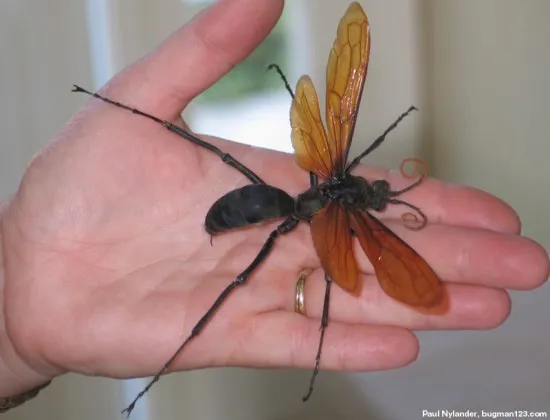
Tarantula hawks are easily recognizable due to their striking appearance. They typically have a metallic blue-black body and bright orange or rusty red wings. The size of these wasps varies, but they can reach up to two inches in length, making them quite imposing. Males and females can be distinguished by their antennae; males have a curled antenna, while females have straight ones. Their strong legs are adapted for digging and manipulating their prey. The combination of size, color, and robust build allows them to effectively hunt and transport tarantulas. They are a remarkable example of evolutionary adaptation and are easily identifiable within their specific habitats, which enhances the overall ecosystem.
Distinctive Features

The most distinctive feature of the tarantula hawk is, without a doubt, the intense pain inflicted by their sting. The venom itself is not particularly toxic, but the pain is excruciating, lasting for several minutes. Their powerful mandibles allow them to grasp and carry tarantulas, sometimes several times their own weight. The vivid coloration serves as a warning signal to potential predators, and the wasps’ overall physical structure reflects their predatory lifestyle, complete with a hardened exoskeleton and strong limbs. The tarantula hawk’s anatomy is specifically tailored to fulfill its role as both a hunter and a host to its offspring. The wasp’s behavior and physical characteristics are perfectly adapted to the unique demands of its life cycle.
Where Do They Live
Geographic Range
Tarantula hawks are primarily found in the southwestern United States, stretching into parts of South America. They thrive in warmer climates and arid environments. The specific range includes states like Arizona, New Mexico, Texas, and California, where tarantulas are also prevalent. Within this geographic area, different species of tarantula hawks can be found. This range is largely dictated by the presence of their primary food source, the tarantula spider, and the suitable habitat conditions that support their lifecycle. The distribution of tarantula hawks serves as a reflection of the ecological needs of both the predator and the prey, thereby influencing the biodiversity of their habitats.
Habitat Preferences

These wasps prefer open, sunny areas such as deserts, grasslands, and scrublands. They are often seen near tarantula burrows, where they hunt for their prey. The presence of suitable nesting sites, which are often located in the ground or pre-existing cavities, is also crucial. The habitat also provides the wasps with necessary resources such as nectar from flowers, which serve as their primary food source. The type of habitat they occupy is typically characterized by specific temperature and humidity levels, which are essential for the wasp’s survival and reproductive success. Habitat preference also plays a critical role in the availability of prey and the overall health of the ecosystem.
Diet and Hunting
Prey of Tarantula Hawks
The primary prey of the tarantula hawk is, as the name suggests, the tarantula spider. They also occasionally target other large spiders. The size of the tarantula is not a deterrent, as the wasp is capable of subduing spiders much larger than itself. The specific species of tarantula that are preyed upon vary depending on the geographic location of the hawk. The presence of tarantulas in a particular area is directly linked to the hawk’s habitat and, consequently, its survival. The tarantula hawks’ diet is very specific, with the tarantula spider being the main food source for their larvae.
Hunting Strategies

The hunting strategy of the tarantula hawk is a dramatic display of natural prowess. The female wasp first paralyzes the tarantula with her sting. Once paralyzed, she drags the spider to a burrow, often her own, where she will lay a single egg on the spider’s abdomen. The wasp then seals the burrow, leaving the tarantula as food for the larva. The larva feeds on the spider, ultimately killing it, and then pupates within the spider’s body. This method of hunting underscores the importance of both precision and strength, with the wasp’s survival being intrinsically linked to its ability to subdue the tarantula.
Life Cycle and Behavior
Mating and Reproduction
Mating typically occurs after the female has secured a tarantula. The male tarantula hawk can be seen patrolling areas, searching for females. Once a female is located, mating takes place, followed by the female’s relentless hunt for a tarantula. The female wasp then lays her eggs on the paralyzed tarantula. The larval stage is crucial for the development of the wasp, as the larva feeds exclusively on the spider’s body. The reproductive cycle is therefore directly tied to the availability of tarantulas and the climatic conditions of its habitat.
The Sting and Its Effects

The sting of a tarantula hawk is notoriously painful and is considered to be one of the most painful insect stings. The sting is not typically life-threatening to humans, but the intense pain can last for several minutes, making it an unforgettable experience. The venom doesn’t have a major toxic effect; rather, the pain results from the injection of chemicals that affect the nervous system. The sting’s primary purpose is to paralyze tarantulas, thus allowing the wasp to control its prey. Even though they are not aggressive, accidental encounters can still happen, and precautions must be taken to avoid being stung. The experience itself can be an example of the extreme defense mechanisms found within the natural world.
Conservation Status
Threats to Tarantula Hawks
Tarantula hawks are not currently considered endangered. However, like many species, they face threats from habitat loss and pesticide use. Climate change can also affect their geographic range and the availability of tarantulas. Human activities that disrupt their habitat, such as construction and agriculture, can decrease their numbers. Any widespread use of pesticides can impact their food supply and other aspects of their lifecycle. Understanding these risks is essential in order to implement conservation efforts.
Conservation Efforts

Current conservation efforts for tarantula hawks are focused on habitat preservation and education. Protecting natural habitats and avoiding the use of pesticides can help ensure their survival. Supporting research that studies the species’ behavior and distribution is also beneficial. Promoting awareness of the species and its role in the ecosystem can help foster appreciation and stewardship. Conservation is therefore crucial to preserving biodiversity and promoting a healthy, balanced environment, allowing future generations to witness the wonder of tarantula hawks in their natural setting.
Tarantula Hawk Interesting Facts
Unique Behaviors
Beyond their hunting prowess, tarantula hawks exhibit several unique behaviors. They are solitary wasps, meaning they do not live in colonies like bees or ants. The female’s meticulous care of her offspring by providing a live food source showcases a complex maternal instinct. The incredible strength and coordination needed to drag a paralyzed tarantula are fascinating. These behaviors serve as perfect examples of adaptation to specific environmental conditions, reflecting the intricate relationships within the ecological web. The tarantula hawks’ overall behavior patterns continue to fascinate researchers and nature enthusiasts worldwide.
Relationship with Humans

The relationship between tarantula hawks and humans is mostly one of observation and occasional conflict. They are not typically aggressive towards humans, and stings are usually the result of accidental contact. Their fearsome reputation, largely due to the painful sting, does not necessarily reflect their overall impact on human activity. Educating people about the insect’s role in the ecosystem can help foster greater appreciation and a better understanding of their place in the environment. The study of tarantula hawks is an opportunity to learn more about insect behavior and predator-prey dynamics, which is beneficial for both the scientific community and the general public. The tarantula hawk serves as a reminder of the diverse wonders that can be found in the natural world.