What is a Tarantula
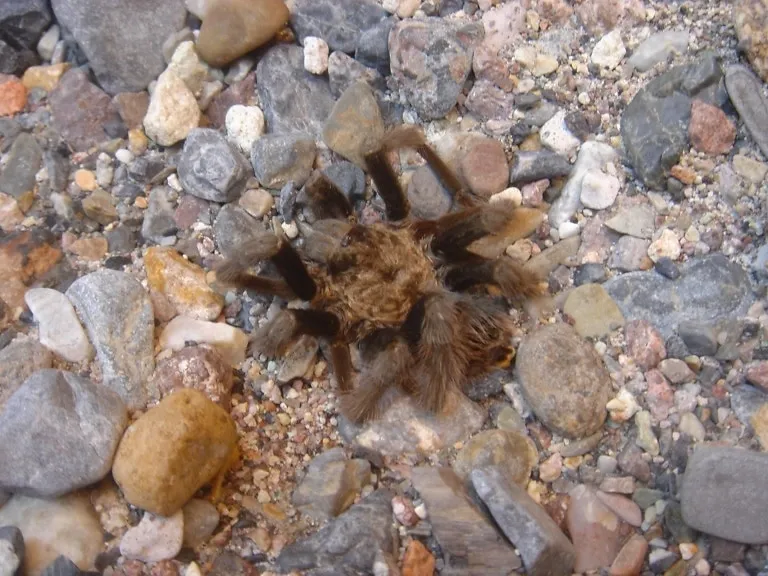
Tarantulas are large, hairy spiders belonging to the Theraphosidae family. These fascinating creatures are found in various habitats across the globe, captivating both scientists and enthusiasts alike. Known for their impressive size and diverse appearances, tarantulas are a diverse group, with over 900 species identified so far. Unlike many spiders, tarantulas are relatively long-lived, some species can live for decades. These spiders are generally nocturnal hunters, and their venom, although potent to their prey, is typically not considered highly dangerous to humans. Understanding tarantulas involves exploring their unique characteristics, behaviors, and the ecosystems they inhabit. Their intriguing lifestyles and roles in various environments make tarantulas a subject of ongoing research and fascination. They are often misunderstood, but with proper knowledge, they can be appreciated for their vital role in their ecosystems and their beauty.
Tarantula Characteristics
Tarantulas possess distinctive features that set them apart in the spider world. They are characterized by their large size, hairy bodies, and eight legs, which are adapted for both walking and sensing their environment. Their bodies are divided into two main parts cephalothorax and abdomen. The cephalothorax, also known as the prosoma, houses the tarantula’s head, eyes, mouthparts, and legs. The abdomen contains vital organs like the heart, lungs, and digestive system. These spiders also have chelicerae, which are mouthparts with fangs used for injecting venom into prey. The fangs of a tarantula can be quite large and are used to capture, subdue, and consume their meals. They also have spinnerets at the end of their abdomen, which produce silk used for various purposes, including creating webs, lining burrows, and wrapping prey. Their unique characteristics are crucial for their survival and their role in ecosystems.
Size and Appearance

Tarantulas exhibit a wide range of sizes and appearances, varying greatly depending on the species. They can range in size from less than an inch to over 12 inches in leg span. This variation in size highlights the diversity within the tarantula family. The appearance of tarantulas is equally diverse. They come in an array of colors and patterns, from solid blacks and browns to vibrant oranges, blues, and yellows. These colors often serve as camouflage, helping the tarantulas blend into their natural environments and hide from predators. The texture of their bodies can also vary, with some species having smooth exoskeletons and others covered in dense hairs. These hairs, which can sometimes cause irritation if they come into contact with human skin, have various functions, including sensory perception and defense. The appearance of a tarantula is a key feature, enabling them to survive in their specific habitats and avoid threats.
Habitat and Distribution
Tarantulas are found in a variety of habitats across the globe, thriving in diverse environments. They are native to tropical, subtropical, and temperate regions, with their distribution spanning North and South America, Africa, Asia, and Australia. Their habitats range from rainforests and grasslands to deserts and mountains. The adaptability of tarantulas allows them to occupy various niches within these ecosystems. Many species are terrestrial, living in burrows they dig themselves or in pre-existing structures. Others are arboreal, residing in trees and shrubs. Some tarantulas prefer humid environments, while others are well-adapted to arid conditions. The specific habitat a tarantula occupies depends on its species, with each having unique requirements for survival, including temperature, humidity, and the availability of prey. Understanding their habitats is essential for both conservation and the successful care of tarantulas in captivity.
Tarantula Behavior
Tarantula behavior is a fascinating aspect of their biology, as it reveals how they interact with their environment and other organisms. Most tarantulas are solitary creatures, only interacting with others during mating season. They are primarily nocturnal hunters, typically becoming active during the evening and night to search for food. Their hunting strategy usually involves ambushing prey. Tarantulas are not web-weavers, but some do use silk to create retreats, line their burrows, or wrap their prey. They rely on their sense of touch, smell, and vibrations to locate and capture prey. They also exhibit defensive behaviors when threatened. This can include raising their front legs, rearing up, and flicking urticating hairs from their abdomen as a deterrent. Understanding tarantula behavior is important for both their preservation in the wild and for responsible pet ownership, allowing for a safe and enriching environment for these arachnids.
Defensive Mechanisms

Tarantulas have evolved several defensive mechanisms to protect themselves from predators. One of the most common is their use of urticating hairs. These are specialized hairs found on the abdomen of many tarantula species. When threatened, the tarantula will flick these hairs towards a potential threat, causing irritation and discomfort. Another defense mechanism involves their fangs and venom. While tarantula venom is generally not lethal to humans, it can cause localized pain, swelling, and muscle cramps. Their large size and intimidating appearance are also deterrents, often causing predators to reconsider attacking. Some tarantulas will also adopt a defensive posture, rearing up and displaying their fangs to signal their readiness to defend themselves. Additionally, their ability to run quickly allows them to escape from perceived dangers. These defenses are crucial for their survival in the wild. These defenses show how well adapted tarantulas are to their environments and how they protect themselves.
Common Species of Tarantulas
The tarantula family includes numerous species, each with unique characteristics. Some of the most popular and well-known species include the Chilean Rose Hair tarantula, known for its docile nature and beautiful coloration. The Mexican Red Knee tarantula is another favorite, famous for the striking red markings on its knees. The Gooty Sapphire Ornamental tarantula is a beautiful, arboreal species. The Goliath Birdeater is the largest tarantula species by mass, making it a subject of both fascination and fear. The Pinktoe tarantulas, which have a striking pink hue to their feet, are popular for their arboreal lifestyle and vibrant colors. Each species has specific needs and behaviors, making it important to research the species before considering one as a pet. Understanding the differences among species will enable better care and appreciation of these magnificent arachnids.
Popular Pet Tarantula Species
Several tarantula species are particularly popular as pets due to their docile temperaments, striking appearances, and relatively straightforward care requirements. The Chilean Rose Hair tarantula is often recommended for beginners. The Mexican Red Knee tarantula is another favorite due to its beautiful coloration and manageable size. The Curly Hair tarantula is known for its gentle nature and the unique texture of its hairs. The Trinidad Olive tarantula is prized for its beautiful coloring and interesting burrowing behavior. When considering a tarantula as a pet, it is very important to research the specific needs of each species to ensure a safe and enriching environment. Factors such as the tarantula’s size, temperament, and habitat requirements will determine the right choice for a prospective owner. Understanding their specific needs is the key to successful tarantula ownership.
Tarantula Care and Husbandry
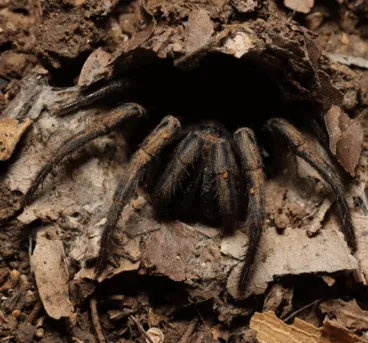
Proper care and husbandry are essential for the well-being of tarantulas in captivity. This includes providing an appropriate enclosure, maintaining optimal temperature and humidity levels, and offering a suitable diet. Enclosures should be spacious enough for the tarantula to move around comfortably and should include substrate, hiding places, and a water dish. Temperatures should be within the tarantula’s ideal range, which varies depending on the species, and humidity levels should be maintained to mimic its natural environment. Feeding tarantulas typically involves offering insects, such as crickets and roaches, appropriate for their size. Regular cleaning and maintenance of the enclosure are also necessary. This removes waste and uneaten food to prevent the buildup of bacteria and ensure a healthy environment. Responsible pet ownership requires a commitment to these care practices, which will contribute to the tarantula’s overall health and longevity.
Enclosure Requirements
Creating the right enclosure is crucial for the health and happiness of a pet tarantula. The enclosure should be appropriately sized for the tarantula’s species and size, providing enough space for movement and exploration. The enclosure type can vary; glass terrariums and plastic containers with ventilated lids are commonly used. Substrate should be chosen to replicate the tarantula’s natural environment, with options including coconut fiber, peat moss, and vermiculite. Hiding places, such as cork bark or artificial hides, are essential to provide security and allow the tarantula to feel safe. A water dish must also be included, offering a constant source of fresh water. The environment’s temperature and humidity levels should also be carefully managed and monitored, and the enclosure must be well-ventilated. Regularly cleaning and maintaining the enclosure is also essential, keeping the environment free from waste and uneaten food. A well-designed enclosure can mimic the tarantula’s natural environment, providing the right conditions for it to thrive.
Feeding and Diet
The diet of a tarantula in captivity consists primarily of insects, which should be appropriately sized for the tarantula. Common food sources include crickets, roaches, mealworms, and, occasionally, pre-killed small vertebrates for larger species. It is very important to ensure that the insects are healthy and free from pesticides before feeding them to the tarantula. The frequency of feeding depends on the tarantula’s age, size, and species, with younger tarantulas usually fed more often than adults. Overfeeding can lead to health problems, so it’s crucial to monitor the tarantula’s body condition and adjust the feeding schedule accordingly. Fresh water should always be available in a shallow dish. A varied diet will also ensure that the tarantula receives essential nutrients. Proper feeding practices are the key to the health and well-being of a pet tarantula. Understanding their dietary needs is crucial for their proper care.
Health and Common Issues

Tarantulas, like all pets, can be prone to health issues. Common problems include dehydration, which can be avoided with access to fresh water, and injuries from falls or handling. Parasitic infections are also a concern, so it is very important to ensure the cleanliness of the enclosure and monitor the tarantula for any signs of infestation. Molting can sometimes be a stressful process, and complications can occur if the tarantula has difficulty shedding its exoskeleton. Signs of illness can include loss of appetite, lethargy, and unusual behaviors. If you notice any of these symptoms, it is important to consult with a veterinarian who is experienced in treating exotic pets. Good husbandry practices, including providing the correct environment, proper nutrition, and regular monitoring, are essential for preventing health problems. Preventive care is the key to ensuring that your tarantula remains healthy and lives a long life.
Tarantula Conservation and Threats
Tarantula populations face various threats. Understanding these threats is crucial for conservation efforts. Many tarantula species are impacted by habitat loss, as deforestation and urbanization reduce their natural environments. The pet trade, both legal and illegal, can also put pressure on wild populations, especially for rarer species. Climate change is another growing concern, as changes in temperature and rainfall patterns could affect their habitats and food sources. Conservation efforts involve protecting their habitats, regulating the pet trade, and educating people about the importance of tarantulas. Captive breeding programs help to reduce pressure on wild populations and ensure the long-term survival of certain species. Individual actions, such as choosing to buy captive-bred tarantulas and supporting conservation organizations, can also make a big difference. Protecting tarantulas requires a combined effort from conservationists, pet owners, and the public.
Conservation Status
The conservation status of tarantulas varies among species. Some species are common and widespread, while others are considered vulnerable, endangered, or critically endangered. The International Union for Conservation of Nature (IUCN) assesses the conservation status of many species, providing valuable information about the level of threat they face. Factors considered when assessing conservation status include population size, geographic range, and habitat quality. Species with small populations, restricted ranges, or declining habitats are more likely to be at risk. Conservation efforts involve habitat protection, the regulation of the pet trade, and captive breeding programs. It is important to stay informed about the conservation status of tarantula species and support organizations working to protect them. By understanding their conservation status, you can contribute to the preservation of these amazing creatures.
Threats to Tarantula Populations

Several threats impact tarantula populations. The most significant is habitat loss, caused by deforestation, agriculture, and urban development, which reduces the space available for them to live and hunt. The pet trade also puts pressure on wild populations, particularly for species that are popular in the exotic pet market. Climate change is another growing concern, with altered temperature and rainfall patterns potentially affecting their habitats and food sources. Pollution and the use of pesticides can also harm tarantulas and their prey. Invasive species can compete with native tarantulas for resources. To protect tarantulas, conservation efforts should focus on habitat preservation, responsible pet trade practices, and addressing the impacts of climate change. Raising awareness and supporting conservation organizations is also very important to protect these amazing arachnids.
Fun Facts About Tarantulas
Tarantulas are full of surprises, and there are many fun facts about these fascinating spiders. They can live for many years. Some female tarantulas can live for over 20 years, while males typically have shorter lifespans. They have unique methods of defense, including urticating hairs, which they flick to irritate predators, and strong bites. They have a variety of sensory abilities, including sensing vibrations through the ground and detecting changes in air pressure. They also undergo molting, shedding their exoskeletons as they grow, a process that allows them to regenerate lost limbs. Tarantulas are capable of producing silk, which they use for various purposes, including creating webs, lining burrows, and wrapping prey. Learning fun facts about tarantulas allows us to appreciate their unique characteristics and learn more about the natural world.