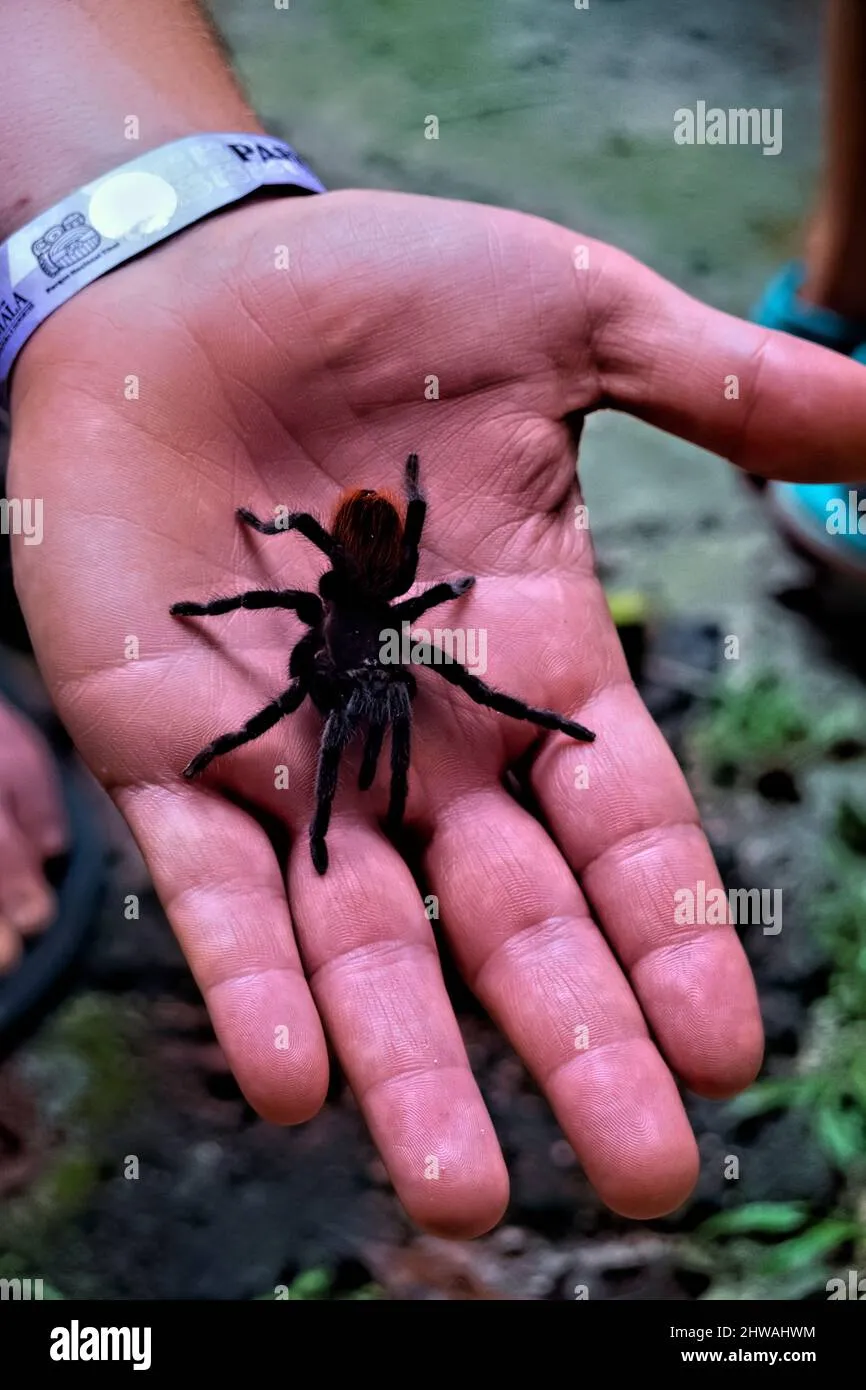
Understanding Tarantulas in Guatemala
Guatemala, with its diverse ecosystems, is home to several fascinating tarantula species. These impressive arachnids captivate enthusiasts with their unique appearance and intriguing behaviors. This guide will provide you with comprehensive information on caring for Guatemalan tarantulas, from setting up their habitat to understanding their needs and ensuring their well-being. Whether you are a seasoned arachnid keeper or a curious beginner, this guide will help you provide the best possible care for these remarkable creatures. Learning about these species will help in appreciation and responsible pet ownership.
What is a Tarantula?
Tarantulas are large, hairy spiders belonging to the Theraphosidae family. They are known for their impressive size, often possessing leg spans that can exceed several inches. Unlike many other spiders, tarantulas are generally not considered medically significant to humans, although their bite can be painful. They are typically nocturnal hunters, using their fangs to subdue prey, which can include insects, small lizards, and even small mammals. Their bodies are divided into two main parts the cephalothorax (fused head and thorax) and the abdomen. They also possess eight legs, two pedipalps (used for sensing and manipulating food), and spinnerets for silk production.
Common Tarantula Species in Guatemala

Several species of tarantulas are native to the diverse landscapes of Guatemala. Some of the more commonly found or kept species include the Brachypelma species, known for their vibrant colors and relatively docile temperament, as well as the Aphonopelma species that are known for their terrestrial habits. Each species has its unique characteristics, including size, coloration, and behavior. Understanding the specific requirements of the species you are considering is crucial for providing proper care. Researching and knowing the specific characteristics of your tarantula will help to replicate the environment they thrive in.
Habitat and Natural Environment
In their natural habitat, Guatemalan tarantulas live in various environments, ranging from tropical rainforests to drier scrublands. Many species are terrestrial, burrowing in the ground or utilizing existing burrows. Some may also be found under rocks, logs, or in the crevices of trees. Understanding their natural environment is key to replicating it in captivity. They prefer warm temperatures, high humidity, and a substrate that allows them to burrow. Providing a habitat that mimics their natural environment is essential for their health and well-being. This will allow the tarantula to thrive, exhibit natural behaviors, and reduce stress.
Creating a Suitable Tarantula Habitat
Creating a suitable habitat is critical for the health and happiness of your Guatemalan tarantula. The enclosure should provide a safe and stimulating environment that meets the tarantula’s specific needs. This involves selecting the right enclosure size, choosing appropriate substrate, maintaining optimal temperature and humidity levels, and providing hiding places and enrichment. A well-designed habitat will not only provide a comfortable living space but also allow you to observe your tarantula’s fascinating behavior. Proper setup will minimize stress and promote a healthy life.
Choosing the Right Enclosure

The enclosure should be appropriately sized for the tarantula, allowing enough space for movement and exploration. A general rule is to provide a width that is at least twice the leg span of the tarantula. Ensure the enclosure has a secure lid to prevent escape. Glass or acrylic terrariums are popular choices. Ventilation is crucial to prevent the buildup of humidity and mold. The enclosure should also be easy to clean and maintain. The choice of enclosure material is also important. Glass and acrylic are common choices, offering good visibility and durability. Make sure there are no hazards within the habitat.
Substrate Selection
The substrate is the bedding material in the enclosure and serves several important functions, including providing a place for the tarantula to burrow, maintaining humidity, and absorbing waste. A mix of substrate materials is often recommended, such as coconut fiber, peat moss, and vermiculite. The depth of the substrate should be sufficient to allow burrowing, especially for terrestrial species. The substrate should be changed regularly to maintain hygiene and prevent the buildup of harmful bacteria. The choice of substrate can also impact humidity levels, so selecting materials that help maintain the correct humidity range is important.
Temperature and Humidity Control
Maintaining the correct temperature and humidity levels is essential for the health of your tarantula. The ideal temperature range for most Guatemalan tarantulas is between 75-85°F (24-29°C). Use a thermometer to monitor the temperature and a heat source, such as an under-tank heater or a heat lamp, if necessary. Humidity levels should be maintained between 60-80%, depending on the species. Use a hygrometer to monitor humidity levels. Regular misting with a spray bottle and providing a water dish can help maintain the correct humidity. Avoid placing the enclosure in direct sunlight or near drafts.
Providing Hiding Places and Enrichment

Tarantulas are naturally secretive creatures and feel most secure when they have a place to hide. Provide a hide, such as a piece of cork bark, a hollow log, or a commercially available hide, within the enclosure. This allows the tarantula to retreat when it feels threatened or wants to rest. In addition to hiding places, you can also provide enrichment in the form of decorations, such as live or artificial plants, rocks, or branches. These items can help stimulate the tarantula and provide opportunities for exploration. Just ensure that any decorations are safe and non-toxic. These elements will provide environmental enrichment which stimulates natural behaviors.
Feeding Your Guatemalan Tarantula
Feeding your Guatemalan tarantula is a straightforward process, but it’s important to understand their dietary needs to ensure they receive the proper nutrition. Tarantulas are primarily insectivores, meaning their diet consists mainly of insects. The size and type of food depend on the size of your tarantula. Providing the right food ensures they receive the necessary nutrients for growth and development. A well-fed tarantula is more likely to thrive and exhibit natural behaviors. Ensure your tarantula receives a balanced diet to promote optimal health and longevity.
Appropriate Food Choices
Suitable food choices for Guatemalan tarantulas include crickets, roaches, mealworms, and super worms. The size of the insects should be appropriate for the tarantula’s size; the prey should be no larger than the tarantula’s body. Avoid feeding wild-caught insects, as they may carry parasites or pesticides. Commercially available insects, raised specifically for feeding, are the best choice. Variety is important, as different insects offer different nutritional profiles. Always remove uneaten prey within 24 hours to prevent stress and mold growth. Rotate food sources to provide the most varied and balanced diet for your tarantula.
Feeding Frequency

The feeding frequency depends on the tarantula’s age and size. Spiderlings and juveniles should be fed more frequently, typically every other day or every day. Adult tarantulas can be fed less frequently, usually once a week or every other week. Adjust the feeding schedule based on your tarantula’s appetite and condition. If your tarantula refuses food, it may be in premolt (preparing to shed its exoskeleton) or not hungry. Always ensure fresh water is available, particularly after feeding. It’s also important to observe the tarantula’s abdomen; it should be plump but not overly distended.
Watering and Hydration
Providing fresh water is crucial for your tarantula’s hydration. Place a shallow water dish in the enclosure and ensure it is always filled with clean water. The water dish should be shallow enough to prevent drowning, especially for smaller tarantulas. In addition to a water dish, you can also mist the enclosure with a spray bottle to increase humidity and provide an additional source of water. The frequency of misting will depend on the humidity levels. Regularly check the water dish and refill it as needed. Clean the water dish regularly to prevent bacterial growth.
Handling and Safety
While tarantulas are generally not aggressive, it’s important to handle them with caution and respect. They are delicate creatures, and improper handling can lead to injury for both the tarantula and the handler. This section will provide guidelines on safe handling practices, recognizing signs of stress, and understanding the potential risks associated with owning these arachnids. By following these guidelines, you can minimize the risks and ensure a positive experience when interacting with your Guatemalan tarantula. Proper handling helps maintain a positive relationship with your pet and minimizes any potential harm.
Safe Handling Practices

If you choose to handle your tarantula, do so with extreme care. The best method is to allow the tarantula to walk onto your open hand. Avoid sudden movements or dropping the tarantula. Handle them over a soft surface, such as a bed or carpet, to minimize the risk of injury if it falls. Avoid handling your tarantula when it is in premolt, as it is more vulnerable during this time. Always wash your hands before and after handling to prevent the transfer of any substances to the tarantula or yourself. Avoid handling your tarantula if you are wearing strong-smelling lotions, perfumes, or hand sanitizers.
Recognizing Signs of Stress
Tarantulas can exhibit various signs of stress, including flicking urticating hairs (if the species has them), raising their front legs, or exhibiting a defensive posture. If your tarantula displays any of these behaviors, it is best to leave it alone and avoid handling it. Other signs of stress can include hiding excessively, refusing food, or pacing around the enclosure. Providing a suitable habitat, appropriate temperature and humidity, and avoiding unnecessary handling can help minimize stress. Pay close attention to your tarantula’s behavior and environment to identify and address any potential stressors.
Common Health Issues and Prevention
Like any pet, Guatemalan tarantulas can be susceptible to various health issues. Understanding common problems and how to prevent them is crucial for responsible pet ownership. This section will cover recognizing signs of illness, treating common ailments, and preventative care measures to ensure your tarantula’s health and longevity. Regular observation and preventative measures can often help to catch problems early, ensuring your tarantula lives a long and healthy life. Early intervention is key to successful treatment.
Recognizing and Treating Illness

Common health issues in tarantulas include mites, fungal infections, and injuries. Mites can be identified by small, moving dots on the tarantula or in the enclosure. Fungal infections can present as discolored patches or lesions on the tarantula’s body. Injuries can result from falls or encounters with prey. If you suspect your tarantula is ill, quarantine it immediately and consult with a veterinarian experienced in treating exotic animals. Treatment options vary depending on the issue, but can include topical treatments, changes in habitat conditions, or medications. It is important to seek professional advice for diagnosis and treatment.
Preventative Care and Maintenance
Preventative care is the best way to ensure your tarantula’s health. Regularly clean the enclosure, removing any uneaten food and waste. Maintain the proper temperature and humidity levels. Provide a varied and balanced diet. Inspect your tarantula regularly for any signs of illness or injury. Provide a clean water source and ensure proper ventilation. By following these preventative measures, you can minimize the risk of health problems and ensure that your tarantula lives a long and healthy life. Regular maintenance, such as substrate changes, helps to prevent many potential problems.
Breeding Tarantulas in Guatemala
Breeding tarantulas can be a rewarding but complex process. It requires a thorough understanding of the species’ needs, careful planning, and a commitment to providing the best possible care for the adults and offspring. This section provides an overview of the process. Breeding tarantulas can contribute to conservation efforts, and provide an opportunity to study tarantula behavior. It is important to have a thorough understanding of the process before attempting to breed tarantulas.
Mating and Egg Sac Management
Mating tarantulas requires careful introduction of a mature male to a receptive female. The female may be aggressive, so it is important to monitor the mating process closely and be prepared to separate the spiders if necessary. After successful mating, the female will lay eggs and create an egg sac. The egg sac should be carefully monitored, and the environmental conditions must be kept optimal. The egg sac usually contains hundreds of eggs. Protecting the egg sac is an important step in ensuring healthy offspring.
Caring for Spiderlings
Once the spiderlings hatch, they must be provided with appropriate care. They should be housed individually or in small groups, depending on the species. Provide small, appropriate-sized prey. Maintain the correct temperature and humidity levels. Spiderlings are very fragile and require diligent care. Proper nutrition, habitat, and temperature are important for healthy growth. Monitor the spiderlings closely for any signs of illness or stress. Providing proper care for spiderlings ensures the success of the next generation of tarantulas.
In conclusion, caring for Guatemalan tarantulas is a fulfilling experience for those who appreciate these unique creatures. By understanding their needs, creating a suitable habitat, providing proper nutrition, and practicing safe handling, you can ensure your tarantula thrives. Remember to research the specific needs of the species you choose, be patient, and enjoy the fascinating world of these amazing arachnids. Responsible pet ownership, continuous learning, and a commitment to the well-being of the tarantulas will lead to a rewarding experience. The more you learn, the more you will appreciate these fascinating creatures.