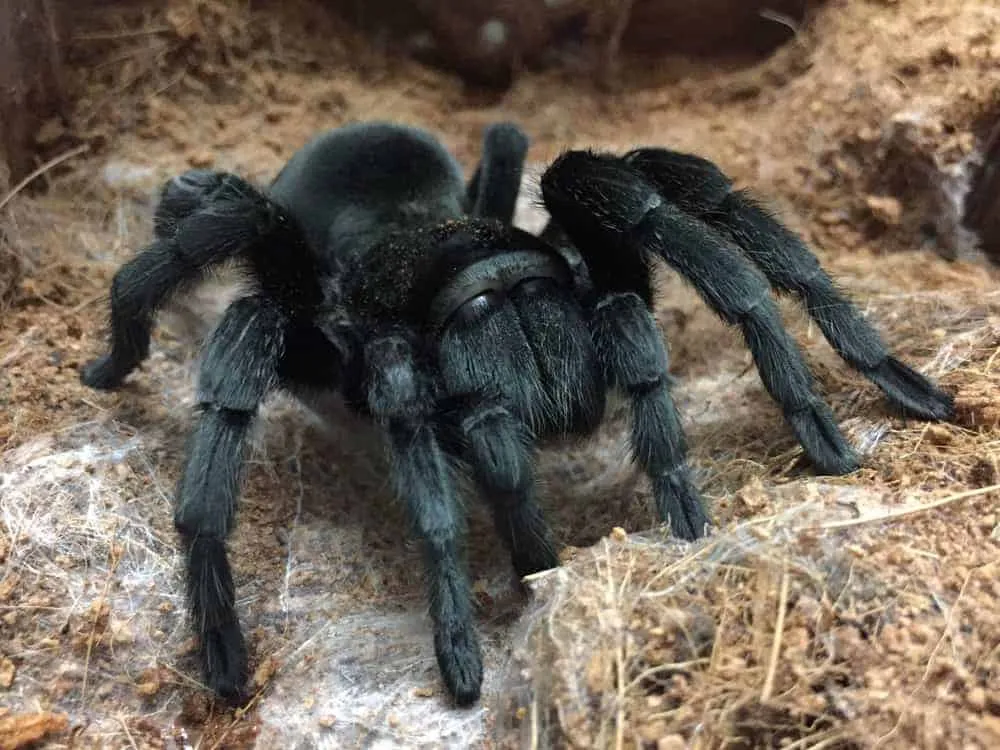
Understanding the Brazilian Black Tarantula Growth
The Brazilian Black Tarantula (Grammostola pulchra) is a captivating species, popular among tarantula enthusiasts. Understanding its growth rate is crucial for responsible pet ownership. Unlike many other pets, tarantulas grow through a process called molting, where they shed their exoskeleton. This fascinating process is also a vulnerable time for the tarantula, making a good understanding of their growth needs important. This article will delve into the key factors that influence the growth rate of your Brazilian Black Tarantula, providing you with the knowledge needed to ensure a healthy and thriving pet. Knowing how fast these spiders develop, and what influences it, will assist you in proper care for your tarantula throughout its life.
Factors Influencing Tarantula Growth
Several factors contribute to the overall growth rate of a Brazilian Black Tarantula. Genetics play a significant role, with some tarantulas naturally growing faster than others. Environmental conditions, particularly temperature and humidity, also impact the rate at which they molt and grow. The availability and frequency of food are also critical; a well-fed tarantula will generally grow faster. Furthermore, the tarantula’s age influences its growth rate. Younger tarantulas molt more frequently, leading to quicker growth spurts, while older ones molt less often. Careful monitoring and control over these elements will allow you to provide the ideal environment for your tarantula, setting it up for a long and healthy life, by allowing you to better predict its molting patterns, and overall health.
Temperature’s Impact on Growth Rate

Temperature is a significant environmental factor that affects a tarantula’s metabolism and growth rate. Warmer temperatures generally speed up the metabolic processes, leading to more frequent molting and faster growth. However, it’s essential to maintain a balance. Excessive heat can stress the tarantula, potentially leading to health problems. The ideal temperature range for a Brazilian Black Tarantula is typically between 75-85°F (24-29°C). Maintaining consistent temperatures within this range is crucial. Use a reliable thermometer to monitor the enclosure temperature regularly. If necessary, use a heat mat or a low-wattage heat lamp to maintain the ideal environment, but always ensure they are used with caution to avoid overheating. Maintaining the right temperature will not only affect your tarantula’s rate of growth, but also contribute to their overall health.
The Role of Feeding in Growth
Feeding is one of the most important aspects of tarantula care, and it directly influences growth. A Brazilian Black Tarantula needs a consistent supply of food to fuel its growth. The type and size of food matter; appropriately sized insects such as crickets, roaches, or mealworms are ideal. Younger tarantulas should be fed more frequently than older ones, typically every other day or every three days. Overfeeding should be avoided. Overfeeding can lead to the tarantula becoming obese, which can cause health issues and make molting difficult. Always remove uneaten food within 24 hours to prevent mold and maintain a clean environment. By providing a balanced and appropriate feeding schedule, you are giving your tarantula the required nutrients for healthy growth.
Molt Cycles and Growth
Molting is a critical process in a tarantula’s life cycle, as it’s how they grow and shed their exoskeleton. The frequency of molting decreases as the tarantula ages. Spiderlings molt frequently, sometimes every few weeks, while adults may only molt once or twice a year. During molting, the tarantula is vulnerable and should not be disturbed. Provide a moist environment to assist with the molting process. After molting, the tarantula’s new exoskeleton will be soft. It is important to wait a few days before feeding to allow the fangs to harden. The molting process is directly linked to growth; each molt allows the tarantula to increase in size. Watching and learning your tarantula’s molting patterns is a good way to get an indication of how quickly it is developing.
Accelerating Growth Safely

While it’s important to understand the factors that influence a tarantula’s growth rate, it’s equally important to avoid the temptation to accelerate the process artificially. Providing optimal conditions, such as the correct temperature, humidity, and a balanced diet, is the best way to support healthy growth. Avoid overfeeding; it does not lead to faster growth and can lead to serious health complications. Be patient and allow your tarantula to grow at its own pace. Avoid handling your tarantula during or shortly after molting, as it is extremely vulnerable at this stage. Safe and responsible care is the foundation of a long and healthy life for your Brazilian Black Tarantula, focusing on its well-being is the best thing you can do to assist it in its growth cycle.
What to Avoid for Healthy Growth
Several factors can impede a tarantula’s growth and overall health. Poor environmental conditions, such as incorrect temperature or humidity levels, can stress the tarantula and slow its growth. Overfeeding, as mentioned earlier, can lead to obesity and other health problems. Providing an inadequate diet, lacking essential nutrients, can also hinder growth. Avoid handling your tarantula unnecessarily, as it can cause stress, especially before or after molting. Additionally, never use pesticides or chemicals near your tarantula’s enclosure, as they can be toxic. By avoiding these pitfalls and providing the right environment and care, you can ensure your Brazilian Black Tarantula thrives. Focus on creating a natural and stable habitat and give your tarantula the best possible chance to grow.
Conclusion
Understanding the Brazilian Black Tarantula’s growth rate is essential for any owner. By focusing on the key factors discussed, such as temperature, feeding, and molting cycles, you can provide the best possible care for your tarantula. Remember, patience and observation are key. Create a stable environment, provide a balanced diet, and avoid stressors to help your tarantula thrive. With proper care, your Brazilian Black Tarantula will live a long and fulfilling life. Enjoy the journey of watching this fascinating creature grow and molt, and take pride in being a responsible and knowledgeable tarantula owner.