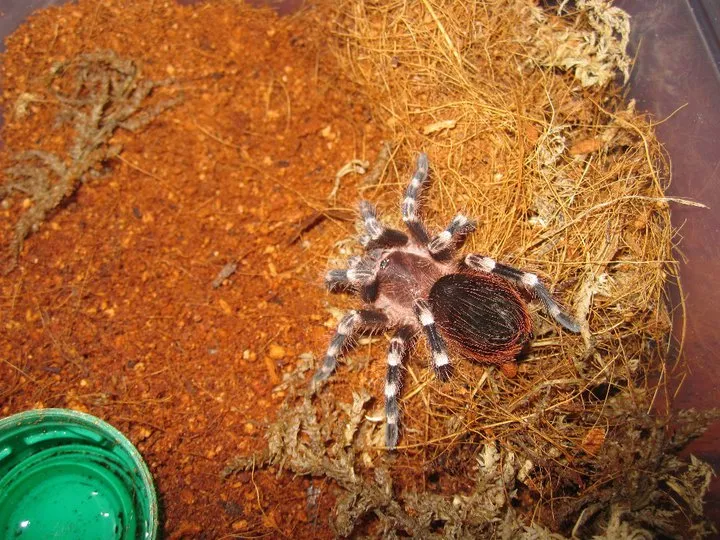
Why a Tarantula For Sale Could Be Right for You
Considering a tarantula for sale is a big decision, but for many, it’s a rewarding one. These fascinating creatures offer a unique pet ownership experience that differs significantly from more conventional pets like dogs or cats. They are captivating to observe, relatively low-maintenance, and can live for many years, providing companionship and a source of wonder for their owners. This guide delves into everything you need to know before you buy a tarantula for sale, ensuring you’re well-prepared for the responsibilities and rewards of tarantula ownership. Understanding the commitment involved is crucial, and this comprehensive guide will help you make informed decisions every step of the way, from choosing the right species to setting up the perfect habitat and ensuring your tarantula thrives. Before you search “tarantula for sale pet shop”, let’s explore if this is the right pet for you.
The Allure of Tarantulas as Pets
Tarantulas, with their intricate patterns, varied sizes, and intriguing behaviors, have an undeniable allure. Unlike pets that demand constant attention, tarantulas offer a more passive form of companionship. Their quiet presence can be incredibly calming, and observing their activities – from web-spinning to hunting – provides endless fascination. Tarantulas are also known for their longevity; some species can live for decades, allowing you to forge a long-term bond. Moreover, their relatively low maintenance requirements make them an excellent choice for individuals with busy lifestyles or those seeking a pet that doesn’t need daily walks or extensive grooming. The opportunity to learn about a creature so different from ourselves can be intellectually stimulating, fostering a deeper appreciation for the natural world, making the search for a tarantula for sale pet shop an exciting journey.
Benefits of Owning a Tarantula

Owning a tarantula comes with several benefits. They’re relatively low-maintenance pets, requiring less interaction than many other animals. This makes them ideal for people who want a pet but have limited time. They also don’t need to be walked, groomed, or trained, saving owners time and effort. Tarantulas can be fascinating to observe, providing a unique window into the world of arachnids. The opportunity to learn about and care for such a creature can be educational and rewarding. Furthermore, tarantulas don’t trigger common allergies like fur-bearing pets do, making them a suitable option for people with allergies. Finally, they can be surprisingly affordable to keep, with the initial cost of the tarantula and setup often being the most significant expense, which will influence your tarantula for sale pet shop.
What to Consider Before Buying a Tarantula For Sale
Before you bring a tarantula home, it’s essential to consider several factors to ensure a positive experience for both you and the spider. Researching different tarantula species and their specific needs is crucial. Some tarantulas are more docile than others, while some require higher humidity levels or specialized diets. Think about your lifestyle and the space you have available. Tarantulas need a secure habitat with appropriate temperature and humidity controls. Consider the potential for allergies and the safety of other pets or small children. Lastly, remember that tarantulas are not cuddly pets; their appeal lies in observation, not interaction. Before you search for a tarantula for sale pet shop, make sure you are ready for this commitment.
Is a Tarantula Right for You
Ask yourself if you’re comfortable with a pet that is primarily for observation. Tarantulas are not interactive pets in the same way as dogs or cats. Consider your personality and your willingness to learn about tarantula care. If you’re fascinated by nature and enjoy observing animals, a tarantula could be a great fit. Are you prepared to handle the responsibility of providing a suitable habitat and diet? Do you have the patience to deal with occasional molting or other natural behaviors? Think about the potential for fear or aversion that visitors might have, as well. If you’re prepared for the unique aspects of tarantula ownership, you’re one step closer to finding a tarantula for sale at a pet shop.
Your Lifestyle and Tarantula Ownership

Consider how your lifestyle will impact your ability to care for a tarantula. Are you frequently away from home? Tarantulas don’t need constant attention, but they do require regular feeding and habitat maintenance. Can you provide a stable environment, free from temperature fluctuations and disturbances? If you have other pets, ensure your tarantula’s habitat is secure and inaccessible to them. If you have small children, teach them about respecting the spider and its habitat. Think about whether you have space for a proper setup. If your lifestyle allows for these considerations, you are ready to find a tarantula for sale pet shop.
Finding a Reputable Tarantula For Sale Pet Shop
Choosing a reputable pet shop is paramount to ensure you acquire a healthy tarantula and receive accurate information about its care. A good pet shop will prioritize the health and well-being of their animals and be knowledgeable about the different species they offer. They will be able to answer your questions, provide guidance on habitat setup, and offer ongoing support. A reputable pet shop will also be transparent about their sourcing practices and provide a guarantee of health for the tarantula you purchase. This ensures that you not only get a pet but also a support system to help you become a successful tarantula owner. This is crucial when buying a tarantula for sale.
Researching Pet Shops
Before visiting a pet shop, do some online research. Look for pet shops that specialize in reptiles and exotic animals, as they are more likely to have experience with tarantulas. Check their website for information about their animals, care practices, and return policies. Read online reviews from other customers to gauge their experiences with the shop. Note the shop’s address and contact information and confirm their operating hours. Also, consider if they offer tarantulas for sale online. If the pet shop doesn’t provide enough information online, consider looking for alternative options. Proper research increases your chances of finding a reputable tarantula for sale pet shop.
Checking Reviews and Reputation

Online reviews and a pet shop’s reputation are valuable resources. Search for reviews on Google, Yelp, and other platforms. Pay attention to comments about the health of the animals, the cleanliness of the shop, and the staff’s knowledge and customer service. Look for patterns in the reviews. Are there consistent complaints about the shop’s practices? If the shop has a bad reputation, it’s best to avoid it. Also, look for testimonials from other tarantula owners. A positive reputation usually indicates that the shop is a reliable source for healthy animals. Good reviews can help you feel more confident about buying a tarantula for sale.
Visiting the Pet Shop in Person
Once you’ve identified a few potential pet shops, it’s essential to visit them in person. Observe the overall condition of the shop. Is it clean and well-maintained? Check the health of the tarantulas and other animals. Are they active and alert? Are their habitats clean and appropriately set up? Pay attention to how the staff interacts with the animals. Are they knowledgeable and caring? Ask questions about tarantula care, diet, and habitat requirements. A knowledgeable staff can provide essential information and guidance. A proper in-person visit is crucial when searching for a tarantula for sale pet shop.
Choosing the Right Tarantula Species For Sale
Choosing the right tarantula species is critical for both your safety and the spider’s well-being. Different species have different temperaments, care requirements, and venom potency. Research various species and choose one that suits your experience level and lifestyle. It’s important to understand that tarantulas come in a wide variety. Some are better suited for beginners. Others require advanced care and handling. Do your research before you choose a tarantula for sale.
Beginner-Friendly Tarantula Species

Some tarantula species are known for their docile temperaments and relatively easy care. These are often recommended for beginners. The Chilean Rose Hair tarantula (Grammostola rosea) is a popular choice, known for its gentle nature and tolerance. The Mexican Red Knee tarantula (Brachypelma hamorii) is another good option, with a beautiful appearance and a calm disposition. The Pinktoe tarantula (Avicularia avicularia) is also considered a good beginner tarantula, known for its arboreal nature. These species are generally less prone to defensive behaviors and have less potent venom. If you’re a beginner, you should consider a tarantula for sale from this group of species.
Intermediate Tarantula Species
As you gain experience, you can explore intermediate tarantula species. These species may have slightly more complex care requirements or a more defensive temperament. Consider the Costa Rican Zebra tarantula (Aphonopelma seemanni), which is a hardy and active species. The Curly Hair tarantula (Tliltocatl albopilosus) is another good option, known for its fuzzy appearance and docile nature. The Cobalt Blue tarantula (Cyaneopubescens) is stunning but can be more defensive. Research each species’ specific needs, and be prepared to adapt your care accordingly. Buying a tarantula for sale from an intermediate group of species will provide you with more options.
Advanced Tarantula Species
Advanced tarantula species are best left to experienced keepers. These spiders often have potent venom, defensive behaviors, or specialized care needs. Examples include the King Baboon spider (Pelinobius muticus), known for its aggressive nature and fast speed. The Goliath Birdeater (Theraphosa blondi) is the largest tarantula species, requiring considerable space and careful handling. Always research any species before acquiring a tarantula for sale, and be aware of the potential risks involved.
Setting Up Your Tarantula’s Habitat

Creating a suitable habitat is essential for your tarantula’s health and well-being. The enclosure should be appropriately sized for the species and provide a safe and stimulating environment. The habitat should mimic the tarantula’s natural environment, including the right temperature, humidity, and substrate. You should also provide hiding places and appropriate enrichment. Understanding the specific needs of your tarantula species is crucial when building a habitat. A well-designed habitat can significantly improve the quality of life for your spider. Choosing the right habitat is a crucial step after you find a tarantula for sale.
Essential Equipment for Tarantula Care
Essential equipment includes a secure enclosure with proper ventilation. The size of the enclosure should be appropriate for the tarantula’s species and size. Provide a substrate, such as coconut fiber or peat moss, to help maintain humidity and allow for burrowing. A water dish is essential for providing a constant source of fresh water. You may also need a heat source, such as a heat mat or ceramic heat emitter, to maintain the correct temperature. A thermometer and hygrometer are crucial for monitoring temperature and humidity levels. Finally, include hiding places, such as cork bark or artificial plants, to provide security and enrichment. Ensure all equipment is safe and designed specifically for tarantula care.
Creating the Perfect Environment
The perfect environment should mimic the tarantula’s natural habitat. Adjust the temperature and humidity levels according to your species’ needs. Use a thermometer and hygrometer to monitor these conditions. Provide a substrate layer that allows burrowing for terrestrial species. Offer hiding places, such as cork bark or artificial plants, to reduce stress. Keep the enclosure clean by removing uneaten food and waste. Avoid direct sunlight, which can overheat the enclosure. Regularly mist the enclosure to maintain humidity levels, if required by your species. Also, ensure that the enclosure is in a location that is free from drafts and loud noises.
Feeding Your Tarantula

Proper feeding is essential for your tarantula’s health and growth. Tarantulas are carnivores and primarily eat insects. The type and size of food should be appropriate for your tarantula’s size and species. Avoid feeding your tarantula insects from outside, as they may carry pesticides or parasites. Also, make sure your tarantula has access to fresh water. Consider that a well-fed tarantula is a healthy tarantula, and you want your tarantula for sale to be happy.
What to Feed Your Tarantula
The staple diet of most tarantulas consists of insects such as crickets, mealworms, and roaches. The insects should be gut-loaded before feeding to provide your tarantula with the essential nutrients. Gut-loading involves feeding the insects a nutritious diet before offering them to your tarantula. This enhances their nutritional value. The size of the insects should be appropriate for your tarantula’s size; the prey should be no larger than the tarantula’s abdomen. You can also offer pre-killed insects to avoid any risk of injury to your tarantula. Occasionally, you can supplement their diet with other insects, such as waxworms, but these should be offered sparingly.
Feeding Frequency and Portion Sizes
The feeding frequency depends on the tarantula’s age and growth rate. Spiderlings, or young tarantulas, may need to be fed several times a week, while adults can be fed once a week or less. Adjust the feeding schedule based on your tarantula’s appetite. If your tarantula refuses to eat, it may be in premolt. In this case, it’s best to leave the food and let the spider molt. The portion size should be appropriate for your tarantula’s size. Remove any uneaten insects within 24 hours to prevent stress or injury. Always provide a shallow dish of fresh, clean water. Be aware that your feeding schedule can change your tarantula for sale pet shop.
Handling and Safety Precautions
Handling a tarantula should be approached with caution. While most tarantulas are not aggressive, they can bite if they feel threatened. Some species also have urticating hairs that can cause irritation if they come into contact with your skin. It is essential to handle a tarantula only when necessary and to take precautions to minimize the risk of injury. Always wash your hands before and after handling your tarantula. Handle your tarantula as a last resort and only in a safe environment. Understanding handling and safety will make your tarantula for sale experience enjoyable.
Safe Handling Techniques
If you must handle your tarantula, do so with extreme care. Move slowly and gently to avoid startling the spider. Use a soft brush or a cup to gently encourage the tarantula to move onto your hand. Avoid making sudden movements. Always handle the tarantula over a soft surface, such as a bed or carpet, in case it falls. Be aware of your tarantula’s body language and behavior. If the tarantula seems agitated or defensive, stop handling it immediately. Never force a tarantula to come out of its enclosure. Finally, always supervise children when they are near a tarantula. They should never handle the tarantula without adult supervision.
Recognizing Signs of Stress
Learn to recognize signs of stress in your tarantula. If your tarantula is showing signs of stress, it’s best to leave it alone. Some signs of stress include defensive postures, such as rearing up with fangs exposed. The tarantula may also flick its legs or rub its abdomen with its legs. Increased agitation or erratic behavior is another sign of stress. If the tarantula is constantly hiding or refusing to eat, it may also be stressed. If your tarantula is acting stressed, give it space and ensure its environment is suitable. Also, minimize any handling, and provide it with plenty of hiding places.
Common Health Issues and How to Prevent Them
Tarantulas are generally hardy creatures, but they can be prone to certain health issues. These issues can often be prevented with proper care and a clean environment. By understanding the potential health problems, you can take proactive steps to ensure your tarantula’s well-being. Understanding these health concerns is important when you own a tarantula for sale. You should also research these concerns to make sure you understand everything you need to know about your pet.
Preventative Measures
Preventative measures are crucial for keeping your tarantula healthy. Maintaining a clean and appropriate environment is paramount. Regularly remove uneaten food and waste to prevent the growth of mold and bacteria. Provide the correct temperature and humidity levels for your species. Ensure your tarantula has access to fresh water. Avoid handling your tarantula unnecessarily. Provide a varied diet with gut-loaded insects. Quarantine new tarantulas before introducing them to existing ones. Monitor your tarantula for any signs of illness or distress. Taking these steps will help prevent most common health issues. With this preventative approach, your tarantula for sale will thrive.
Recognizing Signs of Illness
Recognizing signs of illness is essential for timely intervention. Look for changes in your tarantula’s behavior. Loss of appetite can indicate a health problem. Lethargy or lack of movement can also be a sign of illness. Difficulty molting or changes in the abdomen can be indicative of a problem. Examine your tarantula for any physical abnormalities, such as wounds or deformities. If you notice any of these signs, consult a veterinarian specializing in exotic animals. Early detection and treatment are crucial for a positive outcome. Knowing these signs can help you ensure that your tarantula for sale lives a long and healthy life.
Frequently Asked Questions about Tarantulas
Many common questions arise when owning a tarantula. These range from basic care to more specific inquiries. Here are some of the most frequently asked questions, along with their answers. These questions often cover the basics, making sure that new owners know the essential information. This also ensures that your tarantula for sale experience is a success.