Understanding the Tarantula Fern (Nephrolepis exaltata)
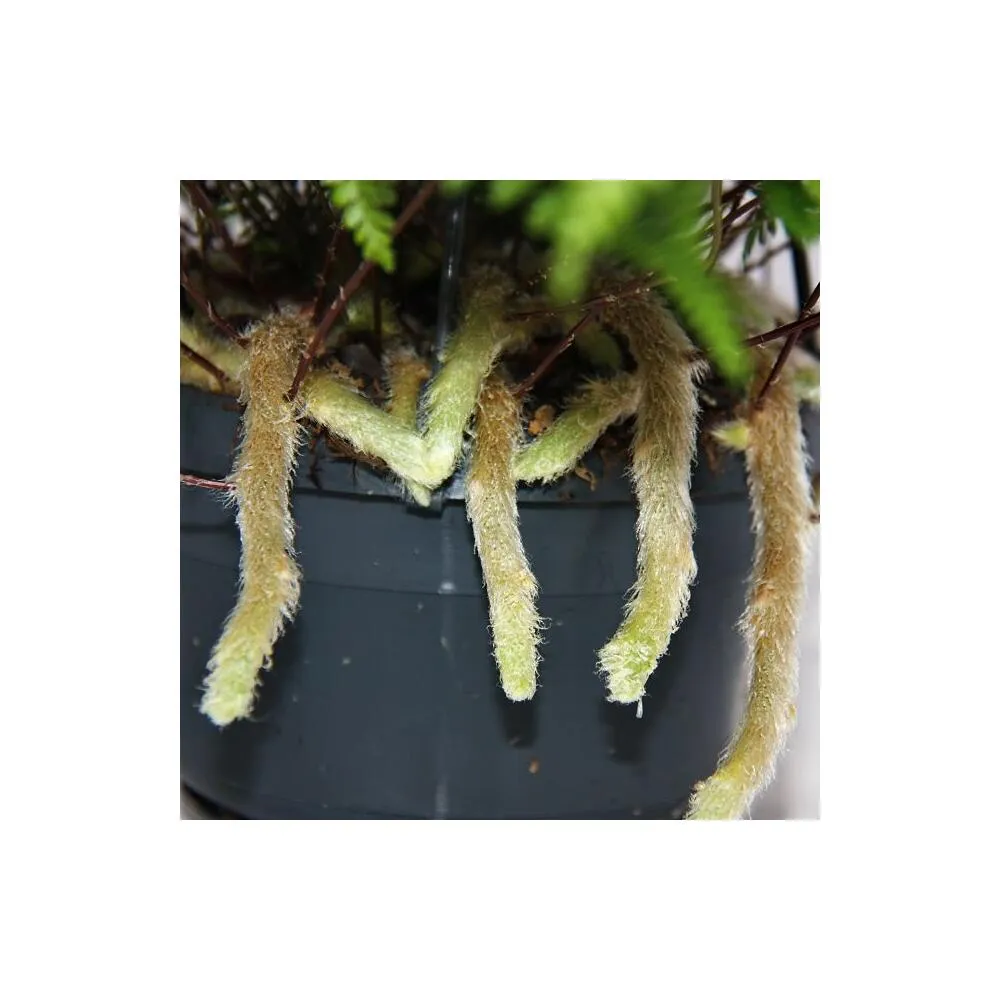
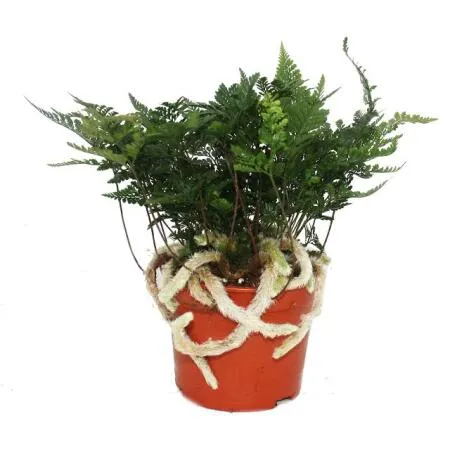
The Tarantula Fern, scientifically known as Nephrolepis exaltata, is a captivating fern species celebrated for its unique texture and lush, cascading fronds. Its common name is derived from the dense, fuzzy appearance of its new growth, which resembles the legs of a tarantula. This fern is a popular choice among plant enthusiasts due to its relatively easy care requirements and its ability to thrive indoors, bringing a touch of the natural world into homes and offices. Understanding the origins and characteristics of this plant is the first step towards ensuring its thriving growth. With proper care, the Tarantula Fern can become a stunning focal point in any indoor garden, providing beauty and a sense of tranquility.
Origin and Characteristics of Tarantula Ferns
Native to tropical regions around the globe, the Tarantula Fern thrives in humid, shaded environments. This fern is an epiphytic plant, meaning it grows on other plants or surfaces, absorbing moisture and nutrients from the air and surrounding environment. Its cascading fronds can reach impressive lengths, creating a dramatic visual impact. The fronds themselves are a vibrant green, adding a refreshing splash of color to any space. Its ability to adapt to various light conditions makes it a versatile choice for indoor gardening. The plant’s unique growth pattern and the way it presents itself make it very appealing to plant lovers, therefore this is a sought-after plant.
Why Tarantula Ferns are Popular

The Tarantula Fern has gained significant popularity for several key reasons. Firstly, its aesthetic appeal is undeniable. The plant’s lush, textured fronds create a visually stunning display, adding a touch of elegance and natural beauty to any indoor space. Secondly, its relatively low-maintenance nature makes it an attractive option for both novice and experienced plant owners. Compared to other fern varieties, the Tarantula Fern is quite adaptable, requiring moderate care to flourish. Additionally, the plant’s air-purifying qualities contribute to its popularity. Like many other houseplants, the Tarantula Fern helps to remove toxins from the air, improving indoor air quality. All of these combined aspects make it the right choice for anyone.
Essential Tarantula Fern Care Tips
Providing your Tarantula Fern with the right care is crucial for its health and longevity. This involves a combination of factors including appropriate light exposure, proper watering techniques, maintaining the right humidity and temperature levels, selecting the appropriate soil, and providing regular fertilization. Understanding these essential care tips will significantly improve your chances of successfully growing a thriving Tarantula Fern. Careful attention to these aspects will reward you with a healthy and visually appealing plant that adds charm to your living space. Ignoring these tips may result in the plant not developing correctly.
Light Requirements for Tarantula Ferns
Tarantula Ferns thrive in bright, indirect light. Direct sunlight can scorch their delicate fronds, causing them to turn yellow or brown. The ideal location is near a window that receives filtered sunlight, such as an east-facing window. If you only have a south-facing window, use a sheer curtain to diffuse the light. Insufficient light can result in sparse growth and pale fronds. Pay attention to the plant’s response to light. If the fronds are getting too much light, you will know because of the color and the way they behave. If the fern is not getting enough light, consider supplementing with a grow light. Finding the right balance will ensure a lush and healthy plant.
Watering Your Tarantula Fern Correctly

Proper watering is critical for the health of your Tarantula Fern. The soil should be kept consistently moist but not waterlogged. Overwatering can lead to root rot, while underwatering can cause the fronds to dry out and become crispy. Water your fern when the top inch of soil feels dry to the touch. Use room-temperature water, as cold water can shock the plant. Ensure that the pot has good drainage to prevent water from accumulating at the bottom. During the growing season (spring and summer), you may need to water more frequently than during the dormant season (fall and winter). Always check the soil moisture before watering, and adjust your watering schedule as needed based on the environmental conditions.
Humidity and Temperature for Tarantula Ferns
Tarantula Ferns are native to humid environments and therefore appreciate higher humidity levels. Aim for a humidity level of 40-60% to keep your fern happy and healthy. You can increase humidity by using a humidifier, placing the plant on a pebble tray filled with water, or grouping it with other plants. In terms of temperature, Tarantula Ferns prefer temperatures between 60-75°F (15-24°C). Avoid placing your fern near drafts or sources of extreme temperature fluctuations, such as heating vents or air conditioning units. Maintaining the right humidity and temperature levels will help your Tarantula Fern thrive and prevent common problems such as dry fronds or pest infestations.
Soil and Potting Guide for Tarantula Ferns
Choosing the right soil and pot is essential for the health of your Tarantula Fern. The fern prefers a well-draining potting mix that retains moisture without becoming waterlogged. A mix of peat moss, perlite, and a small amount of compost is ideal. The peat moss helps retain moisture, while perlite improves drainage and aeration. When potting your fern, select a pot with drainage holes to prevent root rot. Choose a pot that is slightly larger than the root ball to allow for growth. Repot your Tarantula Fern every one to two years, or when the roots have become root-bound. Be gentle when handling the roots, and avoid disturbing them excessively during the repotting process.
Fertilizing Your Tarantula Fern

Regular fertilization is crucial for promoting healthy growth in your Tarantula Fern. During the growing season (spring and summer), fertilize your fern every 2-4 weeks with a balanced, water-soluble fertilizer. Dilute the fertilizer to half the recommended strength to avoid over-fertilizing, which can damage the roots. Reduce fertilization during the dormant season (fall and winter). Look for signs of nutrient deficiency, such as yellowing fronds or stunted growth, and adjust your fertilization schedule accordingly. Always follow the instructions on the fertilizer packaging and avoid applying fertilizer to dry soil, as this can burn the roots. Consistent fertilization, combined with proper light and watering, will help your Tarantula Fern flourish.
Common Problems and Solutions for Tarantula Ferns
Even with the best care, your Tarantula Fern may encounter some common problems. Yellowing fronds can indicate overwatering, underwatering, or insufficient light. Brown, crispy fronds often signal dry air or a lack of humidity. Pests such as spider mites and scale can also infest your fern. Regularly inspect your plant for any signs of problems and address them promptly. Adjust your watering, light, and humidity levels as needed to correct issues. Use insecticidal soap or neem oil to treat pest infestations. Pruning away any damaged or diseased fronds can also help to improve the overall health of your plant. Addressing these issues promptly will prevent damage to your plant.
Identifying and Treating Common Pests
Tarantula Ferns, like many houseplants, can be susceptible to pests. Spider mites, scale, and mealybugs are among the most common offenders. Spider mites are tiny, and often difficult to spot until they cause visible damage. They create fine webbing on the fronds and cause stippling or yellowing. Scale appear as small, brown, shell-like bumps on the stems and fronds. Mealybugs are white, cottony pests that feed on plant sap. To treat pest infestations, start by isolating the affected plant to prevent the spread to others. Wipe down the fronds and stems with a damp cloth to remove the pests. Then, use an insecticidal soap or neem oil, following the product instructions carefully. Repeat treatments as needed until the infestation is completely gone. Regular inspection is crucial for prevention.
Dealing with Diseases Affecting Tarantula Ferns
While Tarantula Ferns are relatively disease-resistant, they can still be affected by fungal diseases, especially if they are overwatered or kept in humid conditions without proper air circulation. Root rot is one of the most common diseases. It is caused by excessive moisture in the soil. Symptoms include wilting fronds, yellowing leaves, and a foul smell. To prevent root rot, ensure the plant is in well-draining soil and do not overwater. If root rot is suspected, carefully remove the plant from its pot, trim away any affected roots, and repot it in fresh soil. Fungal leaf spots can also occur. These can be treated with a fungicide. Proper air circulation, adequate light, and appropriate watering are the best defense against diseases. Always inspect the plant frequently.
Propagating Your Tarantula Fern
Propagating your Tarantula Fern is a rewarding way to expand your collection or share this beautiful plant with others. The most common method of propagation is by dividing the plant. This can be done when repotting. Gently remove the fern from its pot and carefully separate the root ball into sections, ensuring that each section has healthy roots and fronds. Plant each division in a separate pot with fresh potting mix. Keep the new plants moist and provide them with bright, indirect light. Alternatively, you can propagate from spores, but this method is more complex and time-consuming. By propagating your Tarantula Fern, you can enjoy its beauty throughout your home and share it with friends and family.
Step by Step Guide to Propagating
Propagating a Tarantula Fern by division is a relatively straightforward process. First, gather your materials, including a healthy Tarantula Fern, a clean pot, fresh potting mix, and a sharp knife or scissors. Gently remove the fern from its pot and carefully shake off any excess soil. Examine the root ball and identify natural divisions where the plant can be separated. Using your hands or a clean knife, carefully separate the root ball into sections, making sure each section has some roots and fronds. Plant each division in a pot with fresh potting mix, ensuring the crown of the plant is level with the soil surface. Water the newly potted divisions thoroughly and place them in a location with bright, indirect light. Keep the soil consistently moist until the new plants are established.
Maintaining the Health of Your Tarantula Fern
Maintaining the health of your Tarantula Fern involves ongoing care and attention. Regular monitoring for pests and diseases, adjusting care practices based on environmental changes, and providing the necessary nutrients are crucial for its well-being. Regularly inspect your plant for any signs of pests, diseases, or nutrient deficiencies. Adjust your watering, light, and humidity levels as needed, paying attention to the plant’s response. Provide adequate ventilation to prevent fungal diseases and ensure the pot has drainage. Prune away any dead or yellowing fronds to keep the plant looking its best. By implementing these practices consistently, you’ll ensure that your Tarantula Fern remains a thriving and beautiful addition to your indoor garden for years to come. Your plant will not only look good but it will also add to the health of the environment.