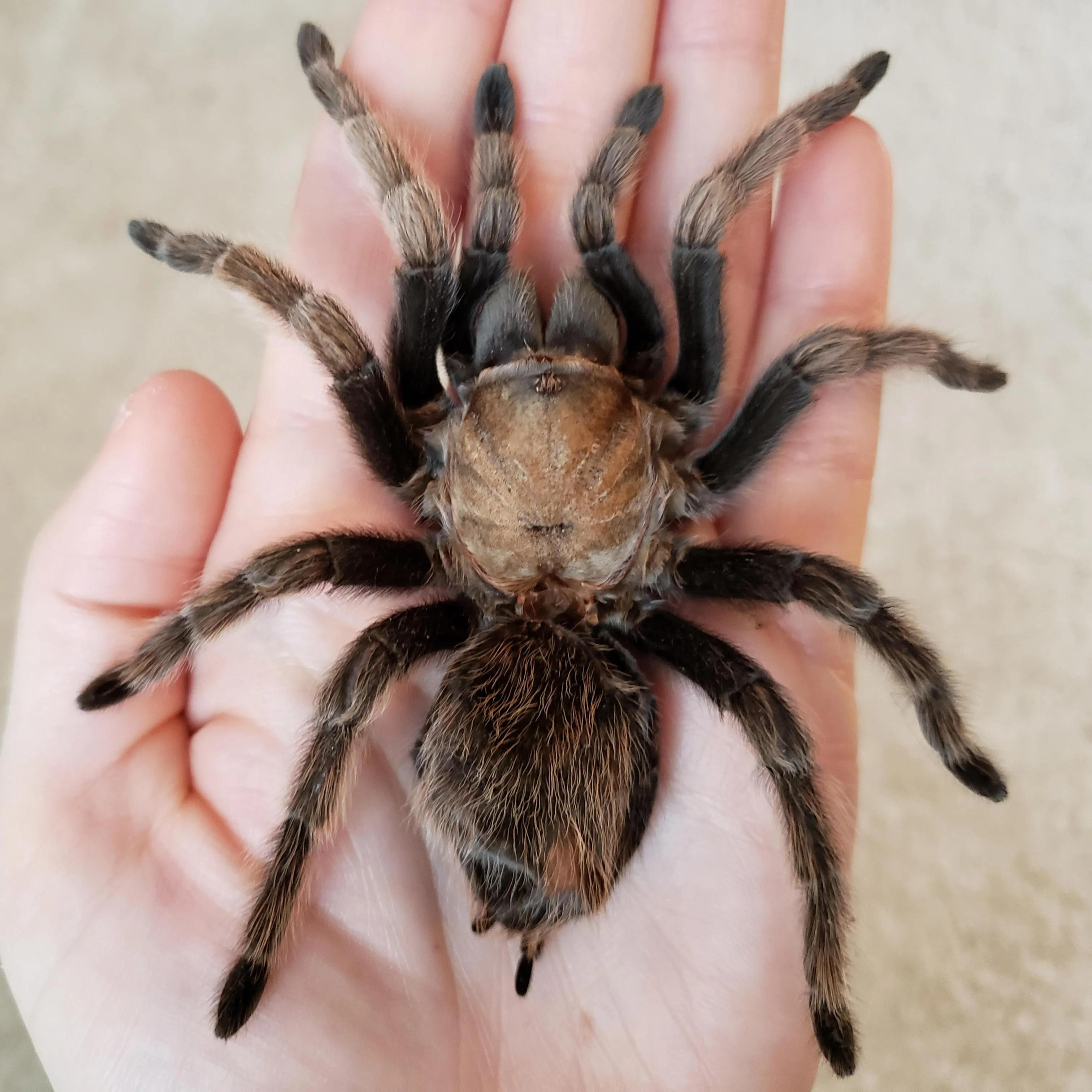
What Are Tarantulas
Tarantulas are large, hairy spiders belonging to the Theraphosidae family. These fascinating creatures are known for their impressive size, diverse appearances, and relatively long lifespans. Tarantulas are found on every continent except Antarctica, thriving in a variety of habitats from tropical rainforests to deserts. With over 900 recognized species, tarantulas exhibit a wide range of colors, patterns, and behaviors, making them captivating subjects of study and, for some, beloved pets. Their nocturnal habits, unique defense mechanisms, and intricate life cycles further add to their mystique, drawing the attention of both scientists and enthusiasts alike. Understanding the basics of tarantulas is the first step to appreciating these amazing arachnids.
Appearance and Physical Characteristics
Tarantulas are easily recognizable due to their large size and hairy bodies. They typically have eight legs, two pedipalps (used for sensing and manipulating food), and two chelicerae (fangs) for injecting venom. Their bodies are divided into two main parts: the cephalothorax (fused head and thorax) and the abdomen. The color and patterns of tarantulas vary greatly depending on the species and can range from solid blacks and browns to vibrant blues, oranges, and reds. Their bodies are covered in sensory hairs and bristles, which aid in detecting movement, vibrations, and air currents. These hairs also play a role in their defense mechanisms, such as urticating hairs that cause irritation to potential predators. (tarantula-close-up)
Size and Weight

Tarantula size varies significantly between species. Some of the smallest species have a leg span of only a few inches, while the largest, such as the Goliath birdeater (Theraphosa blondi), can reach a leg span of over 12 inches and weigh over 6 ounces. Generally, female tarantulas tend to be larger and live longer than males. The overall size and weight of a tarantula depend on a number of factors, including genetics, diet, and environmental conditions. The size of a tarantula is often a key factor in its appeal, with larger species often considered more impressive. Understanding the potential size of a tarantula is crucial for responsible pet ownership, as it directly impacts the size of the required enclosure and the amount of food needed.
Where Do Tarantulas Live
Tarantulas inhabit a wide variety of habitats across the globe. They are found on every continent except Antarctica. Their adaptability allows them to thrive in diverse environments, from humid rainforests to arid deserts. The specific habitat of a tarantula species often dictates its behavior, appearance, and diet. Terrestrial tarantulas live on the ground, often in burrows or under rocks, while arboreal tarantulas live in trees. The ability to occupy various habitats highlights their resilience and evolutionary success. (tarantula-habitat)
Habitat Preferences
Habitat preferences vary greatly among different tarantula species. Some prefer warm, humid environments, while others are adapted to drier conditions. The presence of suitable shelter, such as burrows, rocks, or trees, is crucial for their survival. Substrate, such as soil, sand, or leaf litter, is also essential for burrowing and providing a comfortable environment. Temperature and humidity levels must be maintained within a specific range to ensure their health and well-being. The availability of prey and access to water are also key factors influencing their habitat choices. Understanding these preferences is vital for both captive care and appreciating their role in their natural ecosystems.
Types of Habitats

Tarantulas live in a variety of habitats including terrestrial, arboreal, and fossorial. Terrestrial tarantulas live on the ground, often in burrows or under rocks. Arboreal tarantulas, on the other hand, live in trees, utilizing branches, leaves, and crevices for shelter. Fossorial tarantulas are burrowing species, spending most of their time underground in elaborate tunnel systems. The specific type of habitat a tarantula occupies influences its physical adaptations, hunting strategies, and overall behavior. Knowing the habitat type is crucial when creating suitable captive environments for tarantulas.
What Do Tarantulas Eat
Tarantulas are primarily carnivorous predators, feeding mainly on insects and other invertebrates. Their diet varies depending on the species and the availability of prey in their environment. In the wild, they are opportunistic hunters, ambushing their prey or actively pursuing it. Their fangs are used to inject venom, which paralyzes or kills the prey, allowing the tarantula to consume it. The size and type of prey are essential factors in their diet. (tarantula-eating)
Diet in the Wild
In the wild, tarantulas consume a variety of prey items, including insects, such as crickets, grasshoppers, and beetles. Larger species may also prey on small vertebrates, such as lizards, frogs, and even small birds or rodents. The diet of a wild tarantula depends on its size, the habitat, and the availability of prey. They are highly efficient hunters, using their sensitive hairs to detect vibrations from potential prey. Their strong fangs and potent venom allow them to subdue prey quickly and effectively.
Feeding in Captivity

In captivity, tarantulas are typically fed a diet of insects, such as crickets, mealworms, and roaches. The size and frequency of feeding depend on the tarantula’s size, age, and metabolism. Juvenile tarantulas require more frequent feeding than adults. It’s important to offer a variety of prey items to ensure they receive all the necessary nutrients. Leftover food should be removed to prevent stress and potential disease. A well-balanced diet is essential for maintaining their health, promoting growth, and ensuring longevity.
How Do Tarantulas Behave
Tarantulas exhibit a range of behaviors, including hunting, mating, and defensive actions. Their behavior is often influenced by their environment, their individual personalities, and their life stage. They are primarily nocturnal creatures, being most active during the evening and night hours. Their unique behaviors, such as molting, burrowing, and web-spinning, make them fascinating subjects for observation and study. (tarantula-overview)
Temperament and Defense Mechanisms
While tarantulas are generally not aggressive, they will defend themselves if they feel threatened. Their defense mechanisms include biting, flicking urticating hairs (in certain species), and raising their front legs in a threat display. The temperament of a tarantula can vary between species and even between individuals. Some species are more docile, while others are more defensive. Understanding their defensive behaviors is essential for handling them safely and interacting with them responsibly.
Molting and Growth

Tarantulas, like all arthropods, molt as they grow. Molting is the process of shedding their exoskeleton to allow for growth. During molting, a tarantula becomes vulnerable, as its new exoskeleton is soft and delicate. The frequency of molting decreases as they mature. The process can take several hours to days, and it’s essential to avoid disturbing them during this time. A properly molted tarantula will reveal brighter colors and patterns, showcasing their growth and development. (tarantula-molting)
Reproduction and Life Cycle
The life cycle of a tarantula involves several stages, from egg to adult. Reproduction is a complex process, with males and females displaying unique mating behaviors. Their lifespan varies widely depending on the species, with females often living significantly longer than males. Understanding their life cycle is key to responsible breeding and conservation. (tarantula-mating)
Mating Behavior
Mating behavior in tarantulas involves a series of rituals, including courtship dances and the transfer of sperm. Male tarantulas use specialized structures called pedipalps to transfer sperm to the female. They typically approach the female cautiously, avoiding being mistaken as prey. The male will often drum on the ground or web to signal his intentions. If the female is receptive, mating will occur; if not, the male risks being attacked and eaten. The process is critical for the continuation of the species, involving the transfer of genetic information to produce offspring.
Egg Sacs and Spiderlings

After mating, the female will produce an egg sac, which contains hundreds or even thousands of eggs. She diligently cares for the egg sac, often turning it to ensure proper development. The eggs hatch into spiderlings, which initially stay with the mother. The spiderlings undergo several molts before dispersing. During the initial stages, the spiderlings are particularly vulnerable, and their survival depends on the mother’s protection and the availability of food. This process is vital for the continuation of the species.
How to Care for Tarantulas
Caring for a tarantula involves providing a suitable environment, proper feeding, and regular maintenance. It’s important to research the specific needs of the species you intend to keep. A well-cared-for tarantula will live a long and healthy life. Proper care ensures the tarantula’s well-being and provides a rewarding experience for the owner. (tarantula-enclosure)
Enclosure Requirements
The enclosure should be appropriately sized for the tarantula’s size and species. It should provide adequate ventilation and be escape-proof. The enclosure should include substrate, such as coconut fiber or peat moss, to allow for burrowing and to maintain humidity levels. Hides, such as cork bark or artificial plants, should be provided to give the tarantula a sense of security. The temperature and humidity should be monitored and maintained within the appropriate range for the specific species. A well-designed enclosure mimics their natural habitat, creating a comfortable and stimulating environment.
Feeding and Watering

Tarantulas should be fed a diet of appropriately sized insects, such as crickets, roaches, or mealworms. The frequency of feeding depends on the tarantula’s age and growth rate. Fresh water should always be available in a shallow dish. It is essential to remove uneaten food to prevent the growth of mold and mites. Regular feeding and watering are essential for a tarantula’s health and well-being. Providing a consistent food supply and access to clean water is crucial for its survival and vitality.
Health and Common Problems
Tarantulas can be susceptible to certain health problems, including mites, parasites, and injuries. Recognizing the signs of illness and taking appropriate action can help ensure their well-being. Proper care and a clean environment are crucial for preventing health issues. Knowing common health concerns ensures owners can respond quickly to any potential problems.
Common Diseases and Issues
Common health issues include mites, fungal infections, and injuries from falls or bites. Mites can be a significant problem and can be introduced through substrate or feeders. Fungal infections can occur in humid environments if ventilation is poor. Injuries may occur during molting or handling. Regularly inspecting the tarantula and its enclosure can help identify and address potential health issues early. Proper hygiene and environmental control are the best preventative measures.
Preventative Care
Preventative care includes maintaining a clean enclosure, providing a balanced diet, and ensuring appropriate temperature and humidity levels. Regularly check the tarantula for signs of illness, such as lethargy, loss of appetite, or unusual behavior. Quarantine new tarantulas or feeders before introducing them to your existing collection. Knowledge of preventative measures minimizes the risk of health problems, contributing to the tarantula’s longevity and well-being. Good husbandry is essential for a healthy tarantula.
Do Tarantulas Make Good Pets
Tarantulas can make fascinating pets for those who are willing to provide the necessary care and attention. They are relatively low-maintenance compared to other pets, but they require a specific environment and diet. Responsible ownership is crucial to ensure their well-being. Considering all aspects helps in deciding if a tarantula is a suitable pet.
Pros and Cons of Tarantula Ownership
The pros of owning a tarantula include their fascinating behaviors, relatively low-maintenance care, and the rewarding experience of observing these unique creatures. The cons involve the need for specific environmental conditions, the potential for bites (although rare), and the need for specialized food sources. Potential owners should consider all aspects before acquiring a tarantula. Assessing the pros and cons helps prospective owners make informed decisions. Understanding both sides promotes responsible pet ownership.
Responsible Tarantula Ownership
Responsible ownership involves researching the specific needs of the tarantula species, providing a suitable enclosure, and maintaining a proper diet. Handling should be kept to a minimum and done with caution to avoid stressing the tarantula or risking a bite. Always wash your hands after handling. Responsible owners also take care of their tarantula’s needs and are committed to providing a safe and enriching environment. Prioritizing the tarantula’s well-being is central to a positive ownership experience.