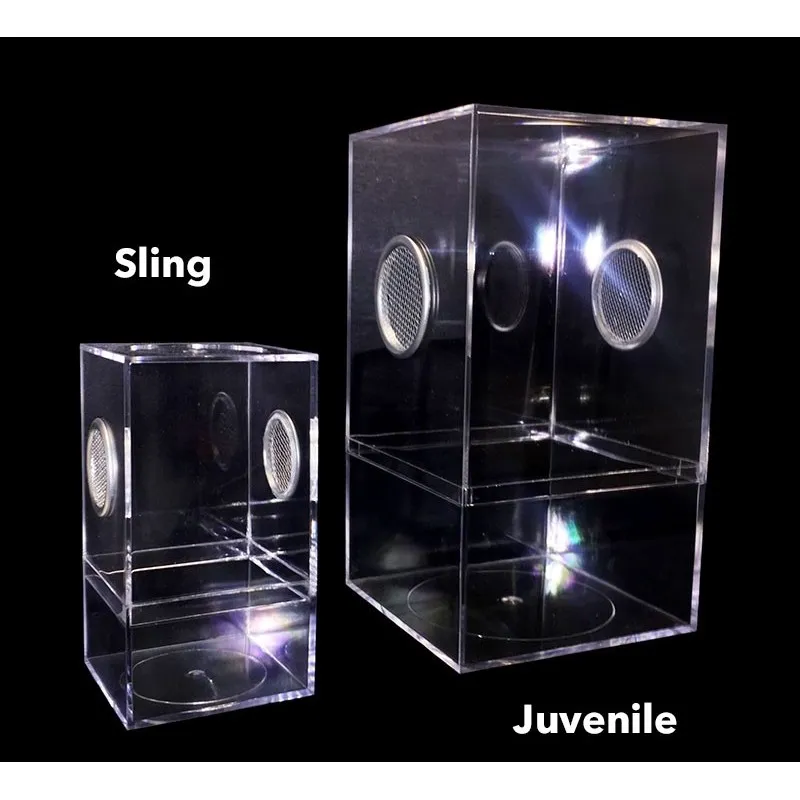
Bringing a tarantula into your home is an exciting experience, but it’s also a commitment. Ensuring your new eight-legged friend thrives depends on providing a safe, comfortable, and enriching environment. This means carefully selecting the right tarantula enclosure supplies. This guide highlights the top 5 must-have items that will help you create the perfect habitat for your tarantula. From substrate to temperature control, we’ll cover everything you need to know to set up a thriving enclosure and keep your tarantula happy and healthy.
Essential Substrate for Your Tarantula
The substrate is the foundation of your tarantula’s home. It serves multiple crucial functions, including providing a surface for your tarantula to walk on, burrow in, and feel secure. It also helps to maintain humidity levels, which is essential for your tarantula’s health. The right substrate is paramount for a healthy and happy tarantula. Choosing the wrong substrate can lead to issues such as mold growth, improper humidity levels, and even discomfort for your pet.
Choosing the Right Substrate
There are several types of substrates available, each with its own advantages and disadvantages. Coconut fiber, also known as coco coir, is a popular choice because it holds moisture well, is relatively inexpensive, and is safe for tarantulas. Sphagnum moss can be added to retain more humidity, especially if you have a species that requires a very humid environment. Avoid using substrates that contain pesticides or fertilizers, as these can be harmful to your tarantula. Also, steer clear of wood shavings from certain trees (cedar, pine) that can be toxic.
Substrate Depth and Maintenance

The depth of the substrate depends on the size and species of your tarantula. For terrestrial species, provide at least 4-6 inches of substrate to allow for burrowing. Arboreal species, which live in trees, may need less, but still require enough to absorb moisture and provide a soft landing if they fall. Regularly check the substrate for mold or excessive moisture, and replace it as needed. Spot clean the substrate every few weeks to remove any uneaten food or waste. Complete substrate changes should be done every 6-12 months, or sooner if necessary, to maintain a healthy environment.
Water Dish Must-Have
Water is essential for all living creatures, and tarantulas are no exception. A clean, accessible water source is crucial for hydration and overall well-being. Dehydration can be fatal for tarantulas, so providing fresh water at all times is a non-negotiable aspect of tarantula care. The water dish should be appropriately sized for your tarantula to easily access the water without risk of falling in and drowning, especially for smaller spiderlings. Furthermore, it is a must-have to maintain proper hydration.
Proper Water Dish Selection
Choose a water dish that is shallow enough for your tarantula to reach without difficulty, but stable enough to avoid tipping over. Ceramic dishes or shallow plastic lids are good options. Avoid using dishes that are too deep, as young or small tarantulas could fall in and drown. The size of the water dish should also be proportional to the size of your tarantula. A small spiderling will need a very small dish, while a larger adult tarantula will require a larger one. Consider the species-specific needs; some species will benefit from a water source closer to the surface. Always make sure the dish is easy to clean and safe for your pet.
Water Quality and Refilling

Use clean, dechlorinated water in your tarantula’s water dish. Tap water contains chlorine and other chemicals that can be harmful to tarantulas. You can dechlorinate tap water by letting it sit out for 24 hours, or by using a water conditioner specifically designed for reptiles or amphibians. Change the water in the dish at least every other day, or more frequently if it becomes soiled or contaminated with substrate. Regularly inspect the water dish for any signs of algae or debris, and clean it thoroughly whenever necessary to maintain water quality and prevent bacterial growth.
Hiding Places and Decor
Tarantulas are naturally reclusive creatures, and they need hiding places to feel safe and secure in their enclosure. Providing appropriate hides is essential for reducing stress and allowing your tarantula to exhibit its natural behaviors. A well-designed enclosure should offer several opportunities for your tarantula to retreat from view. The type of hide you provide will depend on the species of tarantula you own, but the key is to make them feel safe in their environment. Hides also provide them with a sense of security and a retreat from the outside world.
Importance of Hides
Hides are essential for tarantula well-being. They provide a sense of security and reduce stress, which can lead to better health and longer lifespans. Without a hide, tarantulas can feel exposed and vulnerable, leading to anxiety and decreased activity. Hiding also allows tarantulas to regulate their body temperature and humidity levels. During molting, a hide can serve as a safe retreat where the tarantula can shed its exoskeleton without being disturbed. Proper hiding places contribute significantly to the tarantula’s psychological and physical health. Providing these essential resources is a reflection of responsible tarantula ownership.
Decor Options for Tarantulas

Choose hides that are appropriate for the size of your tarantula and its species. Cork bark, half logs, and artificial caves are all excellent options. The hide should be large enough for the tarantula to comfortably fit inside but not so large that it feels exposed. You can also add other decorations to the enclosure, such as artificial plants, branches, and rocks. Be sure that any decor you add is non-toxic, clean, and does not have sharp edges that could injure your tarantula. Arrange the decor to create a naturalistic environment that provides multiple hiding spots and encourages exploration. The goal is to mimic a natural habitat, thus promoting a healthy environment.
Temperature and Humidity Control
Maintaining the correct temperature and humidity levels is crucial for the health and well-being of your tarantula. Tarantulas are ectothermic, meaning they rely on external sources to regulate their body temperature. Providing the right environmental conditions is essential for their survival and proper functioning. Both temperature and humidity affect their metabolism, molting process, and overall health. The specific requirements will vary depending on the species, but generally, a temperature range of 70-80°F (21-27°C) and a humidity level between 60-80% are suitable. Research your specific tarantula species to determine its exact needs.
Heating and Ventilation
For heating, a heat mat or a ceramic heat emitter can be used. Place the heat source on the side or back of the enclosure, not directly under the substrate, to avoid overheating. Never use heat rocks, as these can cause burns. Ventilation is equally important to prevent the buildup of stagnant air and mold growth. Ensure the enclosure has adequate ventilation, usually provided through vents in the lid or sides. Make sure the enclosure has proper ventilation. This helps regulate temperature and humidity and provides an environment for the tarantula to thrive. Proper airflow also helps prevent the growth of mold and bacteria.
Monitoring Humidity Levels

Use a hygrometer to monitor the humidity levels in the enclosure. Adjust the humidity by misting the enclosure with dechlorinated water, adding more substrate, or improving ventilation. Misting is particularly useful for increasing humidity. The frequency of misting will depend on the species and the ambient humidity of your home. Keep in mind that excessive humidity can lead to mold and bacterial growth, so avoid over-misting. Ensure the enclosure is not too dry and not too wet. Striking the right balance is essential for your tarantula’s health.
Feeding Supplies Considerations
Providing proper feeding supplies is another crucial aspect of tarantula care. Your tarantula will require a consistent supply of live insects or other food sources to thrive. Setting up the proper feeding routine, and providing suitable food items, will help ensure the overall health of your pet. This includes the selection of appropriate food items, the use of feeding dishes, and the proper disposal of any uneaten food. Careful attention to these details ensures both the tarantula’s well-being and a clean, manageable enclosure.
Selecting Food Dishes
While not strictly necessary for all tarantulas, a feeding dish can be beneficial for several reasons. Feeding dishes help to contain live prey, making it easier for your tarantula to hunt. It also prevents the prey from burrowing into the substrate and potentially escaping or bothering your tarantula. Choose a feeding dish that is shallow, stable, and easy to clean. Small, shallow dishes made of plastic or ceramic work well. The size of the dish should be appropriate for the size of your tarantula. If your tarantula is a heavy webber, a dish may not be necessary, as they may catch their food within their web.
Maintaining a Clean Enclosure

Maintaining a clean enclosure is essential for your tarantula’s health and hygiene. A dirty enclosure can harbor bacteria, mold, and other harmful organisms that can make your tarantula sick. Regular cleaning is a critical component of good tarantula care. This involves a consistent schedule of spot cleaning and full enclosure cleanings to maintain a healthy environment and eliminate any potential risks. The goal is to provide a sanitary environment, which ensures that your tarantula stays healthy.
Regular Cleaning Schedule
Establish a regular cleaning schedule to keep your tarantula’s enclosure in top condition. Spot clean the enclosure at least once a week. This involves removing any uneaten food, dead insects, and fecal matter. Use a pair of long tongs or tweezers to remove these items to avoid disturbing your tarantula. A complete substrate change should be performed every 6-12 months, or sooner if necessary, to maintain a healthy environment. During a complete cleaning, remove the tarantula to a temporary holding container, remove all decorations and the substrate, and clean the enclosure with a reptile-safe disinfectant. Rinse the enclosure thoroughly and allow it to dry completely before returning the decorations and the tarantula. Following these steps will ensure a healthy and happy habitat for your tarantula.
By providing the right tarantula enclosure supplies, you are investing in the health and happiness of your pet. Remember that each tarantula species has its own specific needs, so research your specific tarantula’s requirements. With these top 5 must-haves, you will be well on your way to creating a thriving environment for your eight-legged friend. This will result in a healthier and more enjoyable pet-keeping experience. Enjoy the journey of tarantula ownership and the fascinating world of these amazing creatures.