Top 5 Must-Haves for Your Tarantula Enclosure Philippines
Caring for a tarantula in the Philippines is an exciting and rewarding experience, but it requires careful consideration of their specific needs. One of the most critical aspects of tarantula ownership is creating the perfect habitat. A well-designed tarantula enclosure not only ensures your pet’s health and well-being but also allows you to observe and appreciate these fascinating creatures. This guide will explore the top five essential elements for setting up a tarantula enclosure in the Philippines, helping you create a thriving environment for your eight-legged friend. From enclosure size to ventilation, each aspect plays a vital role in providing a comfortable and safe living space for your tarantula. Providing the right setup is not only good for the tarantula, but also good for your own enjoyment and peace of mind.
Appropriate Enclosure Size
Choosing the right enclosure size is paramount for your tarantula’s well-being. A terrarium that is too small can restrict movement and prevent the tarantula from exhibiting its natural behaviors, while an enclosure that is too large can make it difficult for the tarantula to find food and feel secure. The ideal enclosure size depends on the species and size of your tarantula. Consider the adult size of the tarantula when selecting an enclosure, as they can grow significantly. The general rule is that the enclosure should be at least twice the tarantula’s leg span in width and length. Height is less critical for terrestrial species but important for arboreal species, which need space to climb and create web structures. It’s always better to err on the side of slightly larger, offering more space for the tarantula to move around and thrive. Consider the tarantula’s species, as burrowing species might require more substrate depth.
Determining Tarantula Size

Accurately determining your tarantula’s size is crucial for selecting the right enclosure. Measure the tarantula’s leg span, the distance from the tip of one leg to the tip of the opposite leg on the same side of its body when the legs are fully extended. Also, consider the overall body length, from the front of its fangs to the end of the abdomen, as this provides a secondary size reference. Keep in mind that tarantulas will molt, shedding their exoskeleton and growing larger. As your tarantula grows, you will need to upgrade its enclosure accordingly. Regularly monitor its size, especially during periods of rapid growth. Keeping records of these measurements will help you track its progress and ensure that its enclosure remains appropriately sized throughout its life.
Choosing the Right Enclosure Material
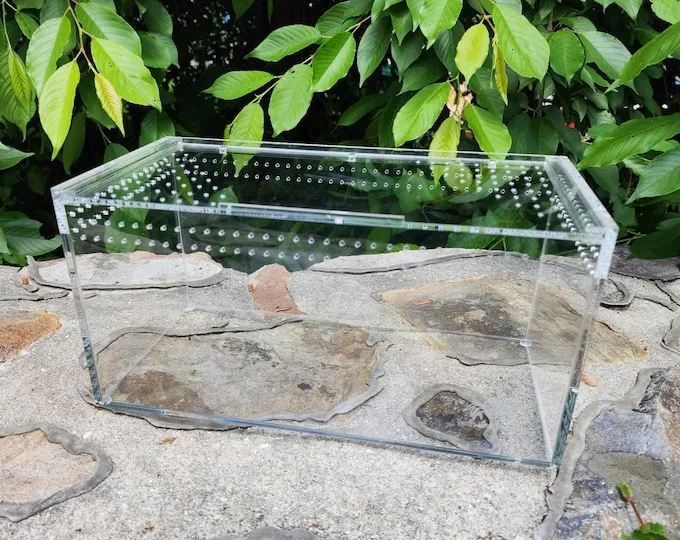
The material of your tarantula’s enclosure is another critical factor to consider. Glass enclosures are a popular choice due to their transparency, allowing for easy viewing and observation of your tarantula. They are also easy to clean and maintain. Acrylic enclosures are another excellent option, offering similar transparency while being lighter and more resistant to breakage than glass. Plastic enclosures can be a budget-friendly choice, but ensure they are well-ventilated and made of non-toxic materials. Ventilation is a key consideration, regardless of the material. The enclosure should have adequate ventilation to prevent mold growth, maintain air quality, and regulate humidity levels. Make sure the enclosure is secure, with a tight-fitting lid to prevent escapes and ensure your tarantula’s safety.
Substrate Selection
The substrate is the bedding material that lines the bottom of the enclosure, and it serves several important purposes. It provides a comfortable surface for the tarantula to walk and burrow, helps maintain humidity levels, and aids in waste management. Choosing the right substrate is vital for your tarantula’s health and well-being. A good substrate should be absorbent, non-toxic, and able to hold moisture without becoming waterlogged. The depth of the substrate depends on the species, with burrowing tarantulas needing a deeper layer to create their burrows. Consider the tarantula’s natural habitat when selecting the substrate. For instance, species from tropical environments in the Philippines will thrive with substrates that retain more moisture.
Types of Substrate

Several types of substrate are suitable for tarantula enclosures. Coconut fiber (coir) is a widely used and popular choice. It’s absorbent, retains moisture well, and is readily available. Sphagnum moss can be mixed with other substrates to increase moisture retention and provide a natural environment. Peat moss is another option, but it tends to be more acidic and may not be suitable for all species. Potting soil, free of fertilizers and pesticides, can be used but should be mixed with other substrates to improve drainage and aeration. Avoid substrates like sand or gravel, as these can be difficult for tarantulas to burrow in and can pose a risk of impaction if ingested. When selecting substrate, make sure it’s clean and free from any additives or chemicals that could harm your tarantula. Consider mixing different types of substrate to create a more diverse and beneficial environment.
Benefits of Proper Substrate
A well-chosen substrate provides several key benefits. It helps maintain the correct humidity levels, which are essential for tarantulas to molt successfully. It allows the tarantula to burrow, providing a sense of security and a place to hide. It also helps to absorb waste and odors, contributing to a cleaner and healthier environment. By selecting the right substrate, you can create an optimal environment that supports your tarantula’s health and well-being. Regular maintenance of the substrate is also essential. Spot-clean the enclosure regularly, removing any uneaten food, waste, and dead insects. Replace the substrate completely every few months, or more frequently if needed, to prevent the buildup of harmful bacteria and maintain optimal conditions for your tarantula.
Essential Decorations and Hides
Decorations and hides are essential for enriching your tarantula’s environment and providing a sense of security. Tarantulas are often shy and secretive creatures, and they need places to retreat and hide. Providing adequate hiding places can reduce stress and allow the tarantula to feel safe and comfortable. The type of decorations and hides you choose depends on the species and the size of your tarantula. The more naturalistic the setup, the better, as it more closely replicates their natural habitat, contributing to their overall well-being. The addition of hides also helps to regulate the temperature and humidity within the enclosure. Always ensure that any decorations you add are clean, non-toxic, and free of sharp edges that could injure your tarantula. A well-decorated enclosure is not only beneficial for your tarantula but also aesthetically pleasing.
Importance of Hides

Hides are crucial for a tarantula’s well-being, providing a safe and secure retreat. They allow the tarantula to feel protected, especially during molting or when stressed. A hide provides a sense of security, which reduces stress and encourages the tarantula to come out and explore its enclosure. Without a hide, a tarantula may feel exposed and vulnerable, leading to anxiety and a reluctance to eat or move around. The hide should be appropriately sized for the tarantula, providing enough space for it to comfortably fit inside without being cramped. Choose hides that are made of non-toxic materials and are easy to clean. By providing suitable hides, you enhance the tarantula’s quality of life and improve your overall experience of keeping them as pets.
Suitable Decor Options
A variety of decor options can enhance your tarantula’s enclosure. Cork bark is a popular choice, as it provides excellent hiding places and climbing opportunities. Artificial plants and silk plants can add visual appeal and help maintain humidity. Driftwood and branches can be used to create climbing structures. Always ensure that the decorations you choose are appropriate for your tarantula’s size and species. Avoid using decorations that could potentially trap or injure your tarantula. Natural elements like dried leaves can also be added, providing a more natural environment and promoting enrichment. Consider the species of tarantula when choosing decor. For example, arboreal species may benefit from vertical elements and climbing structures, while terrestrial species may prefer ground-level hides and decorations.
Water Source
Providing a clean and accessible water source is essential for your tarantula’s hydration and health. Tarantulas need a constant supply of fresh water to survive and thrive. The water source should be readily available at all times. The type of water source you choose depends on the size and species of your tarantula. Ensure that the water source is easily accessible, shallow enough to prevent drowning, and regularly cleaned to prevent the buildup of bacteria and algae.
Water Bowl vs. Other Options

A shallow water bowl is the most common water source for tarantulas. Choose a water bowl that is appropriately sized for your tarantula, with a shallow depth to prevent accidental drowning. The water bowl should be stable and not easily tipped over. Other options include using a water dish with a sponge or cotton ball, which provides a drinking surface and helps maintain humidity. Some keepers also provide water by misting the enclosure. Regardless of the method you choose, the key is to ensure that the tarantula has access to clean, fresh water at all times. Regularly check and refill the water source, cleaning it thoroughly to prevent the growth of harmful bacteria. Make sure that the water is always fresh and clean to avoid contaminating the enclosure.
Maintaining Water Quality
Maintaining water quality is crucial for your tarantula’s health. Change the water in the water bowl daily or every other day to keep it fresh. Use dechlorinated water to avoid exposing your tarantula to harmful chemicals. Clean the water bowl regularly with warm water and a mild soap, rinsing thoroughly to remove any residue. Watch for any signs of algae growth or contamination, and clean the water bowl immediately if you notice any. Proper water maintenance not only provides your tarantula with clean drinking water but also helps to maintain a healthy environment within the enclosure. Always ensure that the water source is free from any potential contaminants that could harm your pet. Remember that in the humid climate of the Philippines, keeping the water clean is even more important.
Ventilation and Temperature Control
Proper ventilation and temperature control are critical for maintaining a healthy environment for your tarantula. In the tropical climate of the Philippines, it’s particularly important to ensure that the enclosure has adequate ventilation to prevent the buildup of moisture, which can lead to mold growth and respiratory problems. Proper ventilation also helps to regulate the temperature and humidity levels within the enclosure. Consistent temperature and humidity levels are essential for a tarantula’s well-being. Ventilation and temperature control go hand in hand, and should be considered at all times, especially in a humid environment. Making sure the enclosure has the right ventilation and temperature will make sure your tarantula stays happy.
Importance of Ventilation

Ventilation is essential for the tarantula’s health. It prevents the buildup of stale air, which can harbor bacteria and fungi. Ventilation also helps to regulate humidity levels and prevent the growth of mold and mildew. A well-ventilated enclosure promotes good air circulation, which is particularly important in humid environments like the Philippines. Adequate ventilation can be achieved through various methods, such as providing cross-ventilation by placing vents on opposite sides of the enclosure or by using a mesh lid. The type of ventilation system you choose should be appropriate for your tarantula species and the enclosure’s overall design. Ensure that the ventilation system does not allow the escape of your tarantula, and inspect the vents regularly to make sure they are not blocked.
Monitoring Temperature and Humidity
Monitoring the temperature and humidity levels within the enclosure is essential for ensuring your tarantula’s comfort and health. Use a thermometer and hygrometer to track these parameters. The ideal temperature range for most tarantulas is between 75°F and 85°F (24°C and 29°C). Humidity levels should typically be between 60% and 80%, depending on the species. Adjust the ventilation and the addition of water to the substrate to control the humidity. In the Philippines, where humidity levels can be high, it’s important to monitor the enclosure closely to prevent it from becoming too humid. Provide supplemental heat if needed using a heat mat or a heat lamp, but always ensure that the heat source is regulated and does not overheat the enclosure. By regularly monitoring and adjusting the temperature and humidity levels, you can create a comfortable and healthy environment for your tarantula, ensuring that it thrives in its new home.