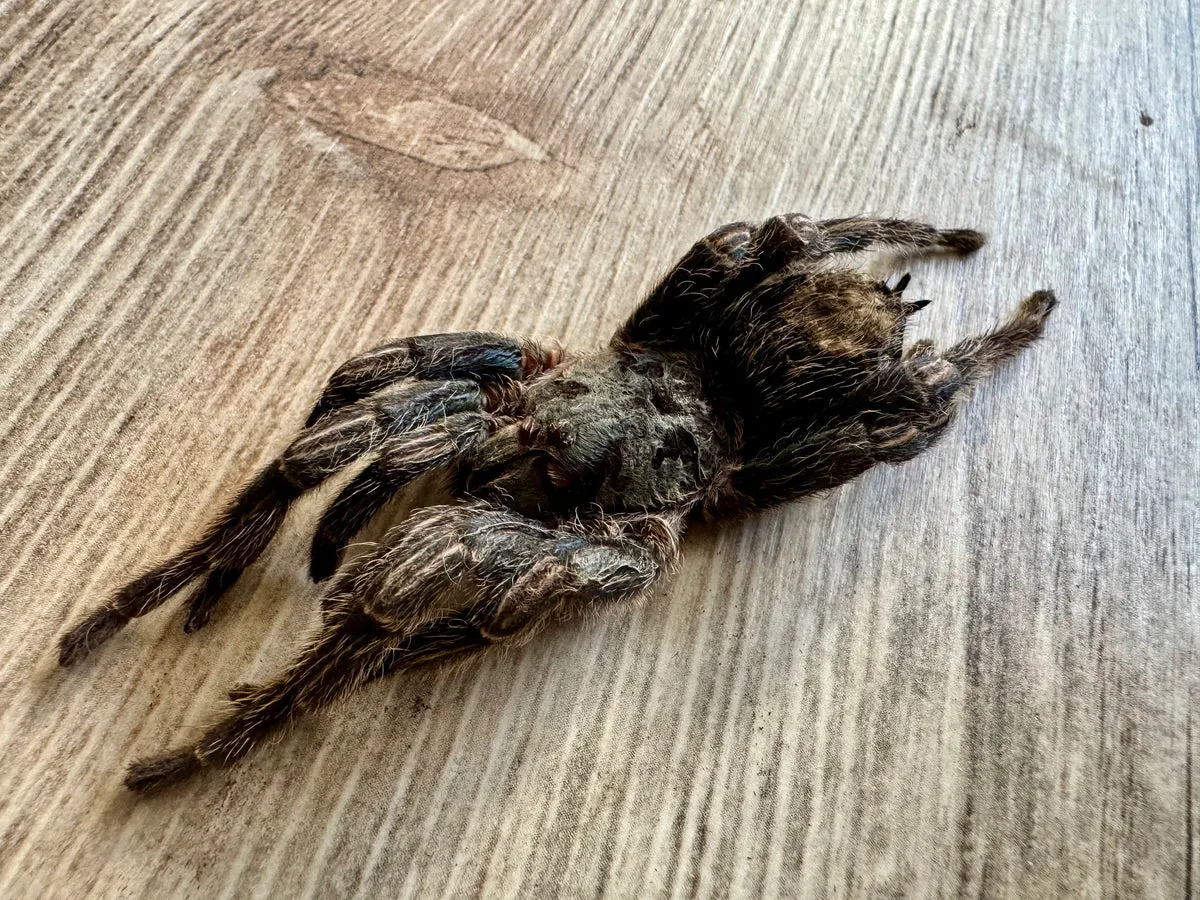
Identifying Tarantula-Eating Birds
The idea of a bird feasting on a tarantula might seem like something out of a nature documentary, but it’s a real phenomenon! Various bird species, particularly those with a carnivorous or insectivorous diet, are known to prey on tarantulas. If you’re concerned about the presence of these birds near your home, it’s crucial to identify them. This involves observing their physical characteristics, understanding their typical habitats, and recognizing their behaviors. Identifying the specific bird can help you determine the level of threat and implement appropriate preventative measures. These birds often have strong beaks and talons suited for capturing and consuming such prey. Furthermore, understanding their habits allows you to predict their activity and protect your property.
Physical Characteristics of Tarantula-Eating Birds
Identifying the physical characteristics of birds that eat tarantulas is key to spotting them. These birds often have specific features that aid in their hunting and feeding habits. Their build, plumage, and other distinct markers set them apart from other bird species. This section explores these characteristics in detail, giving you the tools needed to identify potential tarantula-eating birds.
Size and Shape

The size and shape of a bird can give you clues about its dietary preferences. Birds that hunt tarantulas usually fall within a specific size range, often larger than songbirds. Their bodies are typically built for hunting, with strong legs and a sturdy build. The shape of their wings and beaks also plays a role in their ability to catch and handle prey like tarantulas. Observe the general size and build, as these are immediate indicators.
Color and Markings
Coloration and markings are crucial for identification. Tarantula-eating birds can have diverse plumage, but specific patterns and colors can help narrow down the possibilities. Look for unique markings, such as stripes, spots, or distinctive feather patterns. These characteristics are valuable when comparing the bird you observe with field guides or online resources to confirm its identity. Note the presence and patterns of different colors on the bird’s feathers, as these can be key identifiers.
Habitat and Behavior of Tarantula-Eating Birds
Understanding the habitat and behavior of tarantula-eating birds will increase your chances of spotting them. Knowing where they are likely to be found and how they hunt will help you confirm their presence near your home. This information can provide valuable insights into how to prevent them from preying on tarantulas in and around your property.
Where They Live

Tarantula-eating birds often inhabit specific environments that provide favorable hunting conditions. They may be found in areas where tarantulas are abundant, such as grasslands, forests, or even near human settlements. The type of habitat these birds prefer directly influences where you are likely to find them. Observing the surroundings of your home will help you understand the kind of environment that could attract these birds. Knowing these details can greatly assist in identification.
Hunting Strategies
The hunting strategies of these birds are particularly interesting. They may utilize various methods, such as stalking their prey from the ground or swooping down from above. Their techniques are often adapted to the environment, enabling them to efficiently capture tarantulas. Learning about these strategies will help you identify potential threats and recognize if these birds are active near your home. Consider this when observing any unusual bird behavior around your home.
Signs of a Tarantula Eater Bird in Your House
If you suspect tarantula-eating birds are present near your house, there are signs to look for. Recognizing these signs can help you confirm their presence and take necessary action. Identifying these indicators can help homeowners protect their tarantulas and maintain a safe environment. You should be on the lookout for various clues that indicate the presence of these predators.
Unusual Bird Behavior

Unusual behavior by birds near your house can indicate their interest in tarantulas. This includes frequent circling, sudden dives, or persistent pecking at specific locations. These actions may suggest they are searching for or consuming prey. Closely monitoring any strange behavior patterns can provide important clues. Always pay attention to these signals, as they could indicate the presence of tarantula-eating birds.
Presence of Tarantula Remains
The presence of tarantula remains is one of the most obvious signs. Look for exoskeletons, limbs, or other body parts of tarantulas near areas where birds may be present. These remains can confirm that tarantulas are being preyed upon in your vicinity. Examining your yard, patio, or other accessible areas will help determine if tarantula-eating birds are actively hunting in the area.
Preventing Tarantula Eater Birds in Your House
Preventing tarantula-eating birds from entering your house and preying on your tarantulas involves proactive measures. These steps can help protect your home and its inhabitants from these predators. Homeowners should be aware of effective strategies for keeping these birds at bay and creating a safer environment. The following steps will allow you to control any possible bird intrusion in your area.
Making Your Home Bird-Unfriendly

Making your home less attractive to birds can deter tarantula-eating birds. This includes sealing off entry points, such as gaps in the roof or around windows. Regular inspections to identify and close any potential nesting sites are essential. Consider installing bird-deterrent devices, like netting or reflective tape, to discourage them from approaching your property. These simple steps can make a significant difference.
Controlling Tarantulas
Controlling the tarantula population on your property is another important aspect of prevention. Reducing the number of tarantulas available as prey can make your home less appealing to these birds. Regularly inspect your yard and garden for signs of tarantulas. Use pest control methods if necessary, and ensure proper waste management to avoid attracting tarantulas. Maintaining a well-maintained environment will help reduce the tarantula population and, consequently, the presence of tarantula-eating birds.
What to Do If You Find a Tarantula Eater Bird
If you find a tarantula-eating bird in your house, it’s important to know how to handle the situation. Your actions can determine whether to protect the bird, remove it humanely, or seek professional help. Knowing the appropriate steps to take will help ensure safety and minimize any potential harm. Here are some crucial actions you should take.
Observe from a Distance

When you first spot a tarantula-eating bird, observe it from a safe distance. Note its behavior, movements, and any interactions with tarantulas. This observation period can help you determine the bird’s intentions and possible nest location. Gathering information before you take action will allow you to respond appropriately. Avoid sudden movements or actions that could startle the bird or cause it to act defensively.
Contacting Professionals
If you’re unsure how to proceed or the situation seems dangerous, contact wildlife control professionals. They possess the expertise and tools required to handle such situations humanely and effectively. They can offer valuable guidance and assistance if you’re uncomfortable dealing with the bird. Seeking expert advice is crucial for handling difficult situations and to ensure the safety of everyone involved.
In conclusion, understanding and identifying tarantula-eating birds is vital for protecting your property and the tarantulas within it. By recognizing the physical characteristics, behaviors, and signs of their presence, you can effectively implement preventative measures. Protecting your home from these predators is a proactive approach to maintaining a safe environment for both you and your tarantulas.