What is a Tarantula Diet
Keeping a tarantula as a pet can be a rewarding experience, and understanding their dietary needs is crucial for their health and longevity. Unlike many pets, tarantulas have a relatively simple diet, primarily consisting of insects. However, providing a balanced and appropriate diet is essential to ensure your tarantula thrives in captivity. This guide will delve into the specifics of a tarantula’s diet, covering the nutritional needs, appropriate food sources, feeding frequency, and common issues to watch out for. A well-fed tarantula is a healthy tarantula, and proper diet is the foundation of good tarantula care. Understanding the components of their diet, from protein sources to hydration, will help you provide the best possible life for your eight-legged friend.
Understanding the Nutritional Needs
Tarantulas, being obligate carnivores, require a diet rich in protein to support their growth, development, and overall health. Their nutritional needs are relatively straightforward, but it’s important to provide a diet that meets these needs to prevent deficiencies. This includes providing the appropriate types of food, in correct sizes, and at the right frequency. The nutritional profile of the prey items will directly impact the tarantula’s health. Therefore, offering a variety of insects and ensuring they are gut-loaded (fed nutritious foods) before being offered to the tarantula is important. Proper hydration, through a clean water source, is also an integral component of a tarantula’s nutritional needs.
Essential Components of a Tarantula Diet

A tarantula’s diet primarily consists of insects, which provide the necessary protein, fats, and other nutrients. The key is to offer a balanced diet that provides a range of nutrients. Variety, within the bounds of safe prey items, is crucial to ensure that your tarantula receives a spectrum of nutrients. This section will explore various food sources and other essential dietary considerations for your pet tarantula. The following points will help you select food that meets your tarantula’s specific requirements and help ensure its well-being in captivity. Remember, the goal is to mimic, as closely as possible, what a tarantula would eat in its natural habitat, while still ensuring safety and ease of acquisition.
Protein Sources
The primary component of a tarantula’s diet is protein, obtained from various insect sources. The choice of prey insects significantly impacts the spider’s health. Therefore, understanding the nutritional value of different food options is essential. The insects you choose to feed your tarantula should be readily available, easy to handle, and, most importantly, nutritious. Live insects are generally preferred as they stimulate the tarantula’s natural hunting instincts. The insects’ nutritional content is also key to ensure the tarantula obtains a balanced diet.
Live Insects
Live insects are the staple food for most captive tarantulas, offering a stimulating hunting experience. Crickets, mealworms, dubia roaches, and locusts are some of the most popular choices. When selecting live insects, ensure they are healthy and free from pesticides, as these can be harmful to your tarantula. Gut-loading the insects before feeding them to your tarantula is also essential. This involves feeding the insects nutritious foods such as fruits, vegetables, and commercial insect feed, which boosts their nutritional value. Crickets are a good option because they are available in most pet stores and are relatively easy to handle and keep. However, crickets are known to be noisy and do not live long. Roaches are also a good option, as they are less noisy, longer lasting, and more nutritious.
Pre-killed Prey
While many tarantula keepers prefer live prey to satisfy the tarantulas’ hunting instincts, pre-killed prey can be a safe alternative, particularly for young or newly molted tarantulas. Pre-killed prey reduces the risk of injury to the tarantula, as live insects can sometimes bite or injure the spider. You can use pre-killed insects, such as crickets or mealworms, which are frozen to ensure they are deceased. Ensure the insect is fresh, and do not feed your tarantula insects that have been dead for a long time. Use tongs to offer the prey near the tarantula’s mouth. This method also helps control the portion size, and you can easily remove any uneaten food, preventing it from attracting mites or other pests.
Variety in Diet
Offering a variety of prey items can help ensure your tarantula receives a balanced diet and prevents nutritional deficiencies. Different insects have different nutritional profiles, and alternating between them can be beneficial. Variety also adds mental stimulation. However, it is always a good idea to choose a primary food source, and then supplement it with other insects to keep the diet varied. Consider the nutritional content of each insect to ensure the diet is balanced. For example, mealworms are high in chitin, so they should not be the sole food source. Roaches, on the other hand, provide a more balanced nutrient profile. Introducing different prey items also helps prevent your tarantula from becoming a picky eater.
Hydration
Water is essential for a tarantula’s survival and overall well-being. They require a constant supply of fresh, clean water. A shallow water dish should always be available in the enclosure, preferably filled with distilled or dechlorinated water. Spiders drink by lapping up water with their chelicerae. The water dish should be shallow enough to prevent the tarantula from drowning. Regular cleaning of the water dish is crucial to prevent bacterial growth and ensure the water remains fresh. This simple addition to the enclosure is a crucial part of the tarantula’s dietary needs. Ensure the dish is easily accessible and safe for the spider.
How to Feed Your Tarantula

Feeding your tarantula correctly is as important as the diet itself. The frequency and method of feeding depend on the tarantula’s age, size, and species. It’s important to observe your tarantula and adjust the feeding schedule accordingly. This section covers the key aspects of feeding, from determining the frequency of feedings to offering the prey, ensuring that the spider receives the proper nutrition without overfeeding. Patience and observation are your best tools when learning how to feed your pet. Remember, each tarantula is an individual, and their needs may vary. Learn your tarantula’s habits and adjust accordingly.
Frequency of Feeding
The frequency of feeding depends on the tarantula’s age and growth stage. Spiderlings and juvenile tarantulas require more frequent feeding as they are actively growing. Adult tarantulas, on the other hand, can be fed less often. The key is to observe your tarantula’s feeding habits and adjust the schedule accordingly. Overfeeding can lead to obesity, which is detrimental to a tarantula’s health. Conversely, underfeeding can stunt their growth or affect their health. It is also important to know that tarantulas can go for extended periods without eating, especially when they are preparing to molt. Adjusting the feeding schedule is crucial.
Feeding Young Tarantulas
Young tarantulas, also known as spiderlings, have a rapid growth rate and require more frequent feeding. Feed spiderlings every other day to every day, providing them with small, appropriately sized prey. The prey size should not be larger than the spiderling’s abdomen. Ensure the spiderlings are eating and growing properly, and adjust the feeding frequency if necessary. Spiderlings are more vulnerable to dehydration than adult tarantulas, so always ensure they have access to fresh water. Observe your spiderling’s behavior for clues about its needs. For example, a spiderling that consistently refuses food may be close to molting.
Feeding Adult Tarantulas
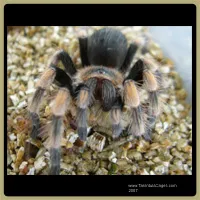
Adult tarantulas have slower metabolisms and typically need to be fed less frequently. Feed adult tarantulas once or twice a week, or even less often, depending on their species and individual needs. Avoid overfeeding. The amount of food they eat depends on the species and individual. Some adult tarantulas may only eat once a month. Observe the spider’s abdomen size. If it appears overly plump, reduce the feeding frequency. Always ensure there is fresh water available. Also, be mindful of the tarantula’s molt cycle. They usually stop eating before molting, so do not force-feed them during this period. The frequency should be adjusted based on the tarantula’s activity levels, as well.
Appropriate Prey Size
Choosing the right prey size is crucial for a tarantula’s safety and well-being. Offering prey that is too large can stress the tarantula and potentially injure it. Conversely, prey that is too small might not provide adequate nutrition. Prey size is particularly important for young tarantulas, where an oversized meal can be dangerous. As the tarantula grows, you will need to adjust the size of the food you offer. Observe the size of your tarantula’s abdomen to ensure that it has had a chance to digest the prey. Make sure that all prey is consumed to avoid any pests entering your tarantula’s environment. The following considerations will help you find the right size prey for your pet tarantula.
Prey Size for Spiderlings
For spiderlings, the prey size should be no larger than the tarantula’s abdomen. This ensures they can easily handle and digest the meal. Small crickets, fruit flies, or pinhead mealworms are suitable options. Always monitor the spiderling after feeding to ensure it is able to consume the prey and isn’t overwhelmed. Remove any uneaten prey within a few hours to prevent the insect from bothering the spiderling. As the spiderling grows, increase the size of the prey gradually, always keeping in mind the size of the tarantula’s abdomen. Remember to gut-load the food so your tarantula is receiving a full, nutritious meal. This is particularly important for this stage in their development.
Prey Size for Adults

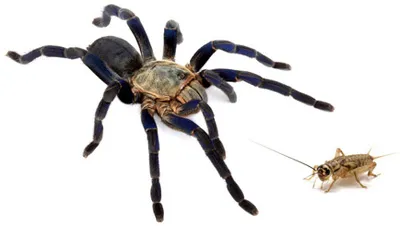
Adult tarantulas can handle larger prey. The prey size should be roughly the same size as the tarantula’s body, or slightly smaller. Crickets, dubia roaches, or even small mice (pinkies) can be offered, depending on the tarantula species. Always monitor the tarantula’s feeding behavior and overall condition. Avoid offering prey that is too large, as it can stress the tarantula and increase the risk of injury. Make sure to remove any uneaten prey to maintain a clean and healthy enclosure. Regularly assess the tarantula’s abdomen to ensure it is not overfed. Adjust the prey size and feeding frequency as needed, based on the spider’s specific needs.
Handling and Offering Food
When offering food, use long tongs to safely present the prey to the tarantula. This prevents any risk of the tarantula biting you. Gently drop the prey near the tarantula, and let it initiate the hunt. Avoid directly touching the tarantula. Observe the tarantula’s response to the prey, and remove the prey if the tarantula is not interested. Make sure the environment is not too bright when feeding, as this can stress some species. Ensure the enclosure is well-ventilated to keep it healthy for both the tarantula and the prey. Feeding time is a good opportunity to observe the tarantula’s behavior and health, so it’s important to be patient and attentive during the process.
Removing Uneaten Food
It is essential to remove any uneaten food within 24 hours to prevent the growth of mold, mites, and other unwanted pests in the enclosure. The uneaten food can also stress the tarantula. Use tongs to carefully remove the uneaten prey. Regular cleaning and maintenance of the enclosure are essential for the health and well-being of the tarantula. Monitor the enclosure for any signs of pest activity, and take appropriate measures if necessary. Removing uneaten food is not just about hygiene; it is also about preventing potential health risks. Keeping a clean enclosure will also help to reduce the risk of diseases and improve the overall health of your tarantula.
Foods to Avoid
While tarantulas have a relatively simple diet, some foods should be avoided to ensure their health and safety. Certain foods can be toxic, harmful, or difficult to digest. Knowing which foods to avoid will help you provide the best possible care for your tarantula. Stick to insects, and stay away from any food that might endanger your pet. Understanding this section of tarantula diet will help ensure that your pet thrives in captivity. Being vigilant about what your tarantula eats is one of the most important steps to take.
Toxic or Harmful Foods
Some foods are directly toxic to tarantulas and should be avoided at all costs. These include: Wild-caught insects from areas where pesticides are used; insects that have been exposed to chemicals; and any food items that aren’t commonly part of their natural diet. Certain plants and animals can also be toxic, so it’s vital to avoid anything not typically found in their natural habitat. Always ensure that any prey is sourced from a reputable supplier, and that it has not been exposed to any harmful chemicals. Always do your research before trying new foods to ensure that they are safe. Remember, prevention is better than cure.
Foods That Can Cause Issues
Some foods are not necessarily toxic but can cause digestive issues or other health problems if fed regularly. For example, foods high in fat or chitin (the exoskeleton of insects) should be offered in moderation. Mealworms, while convenient, are high in chitin and should not be the sole food source. Always provide a variety of foods to ensure a balanced diet. Avoid feeding your tarantula human food or processed pet food. Always research the foods you choose to make sure you’re providing your tarantula with an ideal meal. Monitor your tarantula for any signs of digestive problems. If you notice any issues, adjust the diet accordingly.
Supplements and Additional Needs
While a tarantula’s primary nutritional needs are met through a diet of insects, some supplements can be beneficial. Additionally, ensuring proper hydration is crucial. This section will explore the use of supplements and the importance of providing clean water. Proper nutrition, combined with essential supplements and hydration, can significantly contribute to the health and longevity of your tarantula. Make sure that you always provide the best and most natural care for your tarantula.
Do Tarantulas Need Vitamins or Supplements
Generally, tarantulas do not require vitamin or mineral supplements if they are fed a varied and balanced diet of gut-loaded insects. However, in certain circumstances, such as when the diet is limited or the tarantula is showing signs of nutritional deficiencies, supplements may be considered. Consult a veterinarian specializing in exotic animals before supplementing your tarantula’s diet. Many keepers prefer to gut-load the insects they feed to their tarantulas, which is a more effective way to deliver nutrients. This ensures that the insects are packed with vitamins and minerals before being offered to the tarantula.
Calcium and Other Mineral Supplements
Calcium and other mineral supplements are sometimes used, especially for young tarantulas that are actively growing. However, these supplements should be used with caution and only when necessary. Over-supplementation can be harmful. Consult a veterinarian or experienced tarantula keeper for advice on the use of supplements. Some keepers dust the insects with calcium powder before feeding them to their tarantulas. However, the effectiveness of this method is debatable. Ensure the tarantula has access to the nutrients it needs. Always prioritize a balanced diet and proper gut-loading of the insects.
Water and Hydration
As mentioned earlier, water is essential for tarantulas. Always provide a shallow water dish with fresh, clean water. The water dish should be accessible and shallow enough that the tarantula can drink without risk of drowning. Change the water regularly, at least every other day, to prevent bacterial growth. Using distilled or dechlorinated water is recommended. Hydration is also essential for the molting process. A well-hydrated tarantula will have a better chance of a successful molt. Without water, the tarantula cannot function. This also impacts its ability to feed, as it needs to remain properly hydrated for its overall health.
Common Feeding Issues and Solutions
Even with the best care, tarantulas can sometimes experience feeding issues. This section addresses some of the most common problems and provides practical solutions to help you keep your tarantula healthy and well-fed. Understanding these issues and how to address them will help you provide the best possible care for your pet. Always remember to observe your tarantula and adapt your care based on its specific needs. It is important to pay attention to your tarantula’s behavior and address any issues promptly.
Tarantula Refusing to Eat
A tarantula refusing to eat is a common occurrence, and it doesn’t always indicate a problem. There are several reasons why a tarantula might refuse food. The most common reason is that the tarantula is preparing to molt. During this period, the tarantula will often stop eating for several weeks. Other reasons include stress, changes in the environment, or illness. If the tarantula is not eating, check the environmental conditions, making sure the temperature and humidity levels are appropriate for the species. Ensure there is clean water and that the enclosure is clean. Avoid handling or disturbing the tarantula during this time. If the refusal to eat persists, or if the tarantula displays other unusual behaviors, consult an expert.
Overfeeding
Overfeeding can be a problem, especially with adult tarantulas. It can lead to obesity and potentially shorten the spider’s lifespan. Avoid overfeeding by following the recommended feeding frequency for your tarantula’s species and age. Observe the tarantula’s abdomen size. If it appears overly plump, reduce the feeding frequency. Some species are more prone to overeating than others. Adjust the feeding schedule to suit your tarantula’s individual needs. Remember, tarantulas can survive for extended periods without food. A healthy tarantula should have a slightly rounded abdomen, not an overly distended one. Always err on the side of caution when it comes to the frequency of feeding.
Molt Cycle and Feeding
The molt cycle significantly impacts a tarantula’s feeding habits. Tarantulas typically stop eating weeks before they are ready to molt. This is a natural process, and it is important not to force-feed the tarantula during this period. Provide fresh water and maintain the appropriate humidity level. Do not disturb the tarantula while it is molting, as this can be stressful and potentially harmful. Once the molt is complete, the tarantula’s appetite will gradually return. Wait a few days after molting before offering food, as the tarantula’s fangs and exoskeleton will need time to harden. Provide small, easily digestible prey to start. Always support your tarantula during this difficult period.