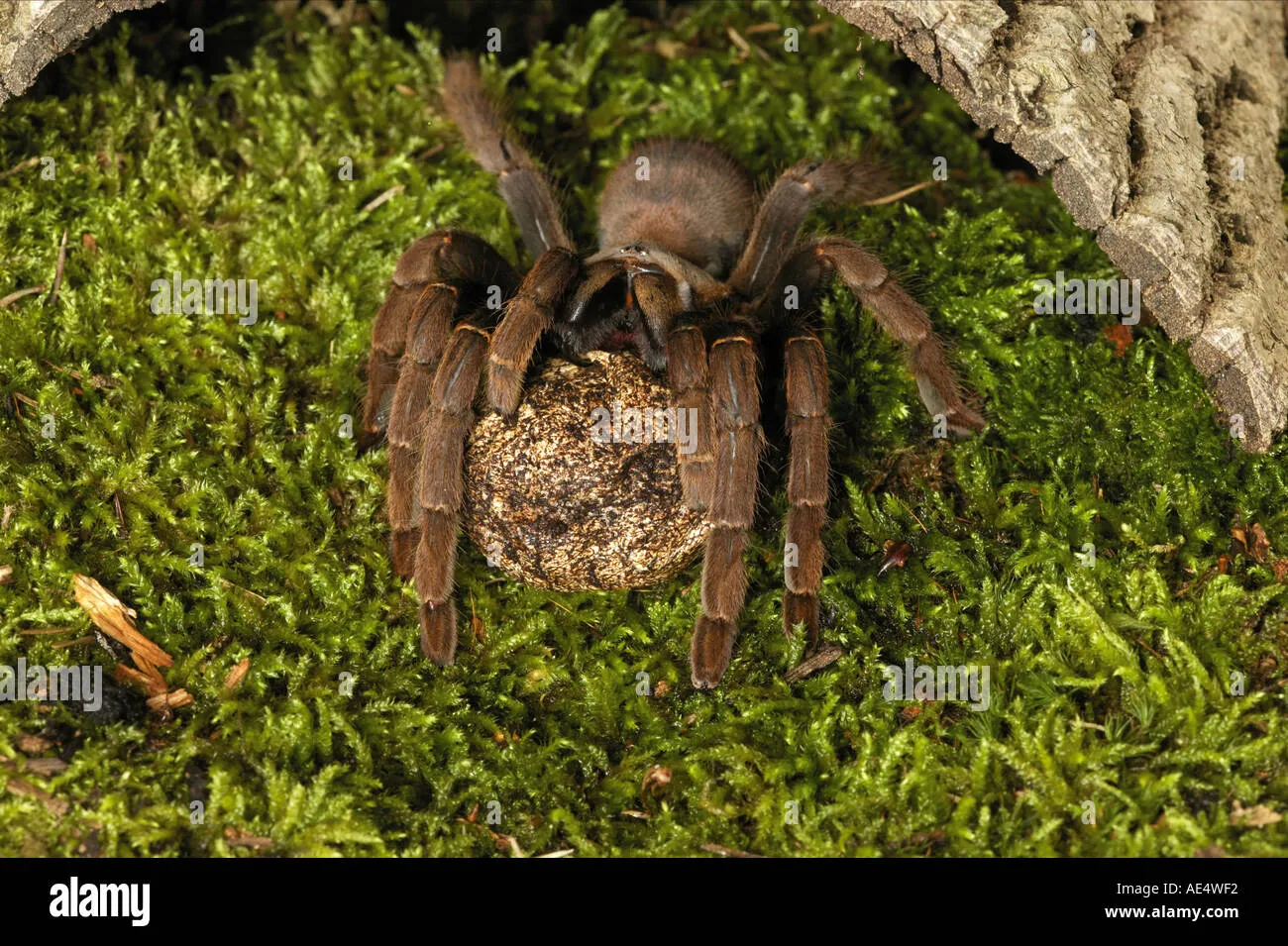
What is a Tarantula Cocoon?
The tarantula cocoon, often referred to as an egg sac, is a marvel of nature, meticulously crafted by the female tarantula to safeguard her precious eggs. This silken structure serves as a protective haven, shielding the delicate eggs from environmental threats such as predators, harsh weather conditions, and desiccation. The cocoon’s design and construction are vital to the survival of the tarantula’s offspring, ensuring that the next generation emerges successfully. It is a testament to the complex instincts and behaviors of these fascinating arachnids. The cocoon is a critical part of the tarantula’s reproductive cycle, and understanding its purpose is key to appreciating the species.
The Purpose of a Tarantula Cocoon
The primary function of a tarantula cocoon is to protect the developing eggs. It provides a stable microenvironment, regulating temperature and humidity to optimize the conditions for embryonic development. The silk itself is a robust material, offering physical protection against potential harm. Within the cocoon, the eggs are shielded from direct exposure to the elements and predators, increasing their chances of hatching. This protective structure is essential for the survival of the eggs, ensuring a high percentage of hatchlings.
Understanding the Egg Sac

The egg sac, or cocoon, is a spherical or slightly elongated structure constructed entirely of silk. The female tarantula meticulously spins the silk using her spinnerets, located at the rear of her abdomen. The resulting structure is a tightly woven enclosure designed to contain and protect the eggs. The silk’s properties, including its strength and flexibility, are perfectly suited to the cocoon’s function, ensuring the eggs’ safety and the eventual emergence of the spiderlings. The egg sac’s appearance can vary slightly depending on the species of tarantula and environmental conditions, but its fundamental purpose remains constant.
How Tarantulas Create Cocoons
The creation of a tarantula cocoon is a remarkable process, showcasing the spider’s innate skills and instincts. After mating, the female tarantula will begin to develop eggs within her abdomen. Once the eggs are ready, she will start the process of cocoon construction. This is a meticulous process and can take several hours to complete. It is a critical period, demonstrating the dedication and care these arachnids invest in their offspring. The female uses a combination of silk spinning and precise movements to create the protective environment.
The Spinning Process
The spinning process involves the use of the tarantula’s spinnerets, specialized organs located at the end of the abdomen. The female carefully manipulates the silk, extruding it from these spinnerets to create the cocoon’s structure. The silk is initially fluid, but it hardens upon contact with the air, forming strong, flexible threads. The female spider moves around to create the silk layers. The cocoon’s size and shape depend on the number of eggs. This meticulous process, often taking several hours, is a display of the tarantula’s instinctual behaviors and expertise.
Silk Production

Tarantula silk is a remarkable natural material, known for its strength, elasticity, and durability. The silk is composed of proteins, which are produced within specialized glands. The silk production process is a complex biological mechanism, involving the synthesis and extrusion of the silk fibers. The tarantula can control the properties of the silk depending on the type of structure it is creating. This control allows for the construction of a protective and effective cocoon. The quality and structure of the silk are crucial to the cocoon’s ability to protect the developing eggs.
Amazing Facts About Tarantula Cocoons
Tarantula cocoons hold many fascinating secrets, and understanding these facts can deepen your appreciation for these creatures. From their protective functions to their varied sizes, here are some amazing aspects of the tarantula cocoon.
Fact 1 Protecting the Eggs
The primary role of the cocoon is to shield the developing eggs from threats. This includes protecting the eggs from predators like ants, mites, or even other tarantulas, preventing other insects from penetrating and eating the eggs. The cocoon also provides protection from the environment. It minimizes temperature and humidity fluctuations, creating a stable microclimate ideal for egg development. The cocoon’s robust silk structure provides physical protection, increasing the eggs’ chance of survival and hatching.
Fact 2 The Size Can Vary

The size of a tarantula cocoon can vary significantly depending on the species and the number of eggs. Some cocoons are relatively small, while others can be quite large, containing hundreds or even thousands of eggs. Factors like the size of the female tarantula and the environmental conditions during cocoon construction also influence the size. Generally, larger tarantulas produce larger cocoons with a higher number of eggs. Despite size differences, the basic structure and protective function remain consistent across species.
Fact 3 The Number of Eggs
The number of eggs within a tarantula cocoon can vary widely. Some species lay a smaller clutch of eggs, while others produce a vast quantity. The number is influenced by factors like the tarantula species, the size of the female, and her nutritional status. Generally, larger tarantulas tend to lay more eggs. The larger the clutch, the higher the chances of more spiderlings hatching, even if a percentage do not survive the process. The egg count highlights the tarantula’s reproductive strategy and the evolutionary adaptations for species survival.
Fact 4 Environmental Factors
Environmental factors play a vital role in the development and survival of a tarantula cocoon. The female tarantula carefully selects a suitable location, considering factors like temperature, humidity, and shelter from direct sunlight. The cocoon itself helps to regulate the microclimate, buffering the eggs from extreme conditions. Proper humidity and temperature levels are essential for the proper development of the eggs and successful hatching. Any fluctuations in the environment could negatively impact the cocoon and its eggs.
Fact 5 A Waiting Game

After the cocoon is created, there is a waiting period before the eggs hatch. The duration of this period depends on factors like the species of tarantula and the environmental conditions. During this time, the eggs develop inside the cocoon, transforming into spiderlings. The female tarantula will often guard the cocoon. It is an extremely sensitive time in the tarantula’s life cycle. Successful hatching marks the beginning of the next generation of tarantulas.
Caring for a Tarantula Cocoon
Caring for a tarantula cocoon requires a good understanding of the spider’s needs. For tarantula keepers, maintaining optimal conditions is important for the healthy development of the eggs. This section provides a guide on how to look after a tarantula cocoon.
Humidity and Temperature
Humidity and temperature are critical factors in the development of a tarantula cocoon. The ideal humidity level helps prevent the eggs from drying out. The temperature should be within the optimal range for the particular species. Maintaining the proper temperature and humidity levels requires careful monitoring. This may involve using a hygrometer and a thermometer. Proper ventilation is also important. Fluctuations should be avoided, as they can harm the eggs.
Monitoring the Cocoon

Regular monitoring is essential for ensuring the health of the tarantula cocoon. Inspect the cocoon periodically for any signs of mold, dryness, or damage. Observe the female’s behavior, if she is present, as she will often guard and protect the cocoon. Handle the cocoon with extreme care, as any disruption can potentially harm the eggs. Document the conditions regularly to track progress and identify any issues. By careful monitoring, keepers can create the best environment for the tarantula to hatch.
What to do After Hatching
Once the spiderlings hatch, it’s crucial to provide them with appropriate care. The hatchlings, also known as spiderlings, will be vulnerable. These spiderlings are small, and they will require careful handling. The spiderlings can be moved to a separate enclosure with a suitable environment to start their new lives. Providing appropriate food and a clean environment will help the spiderlings. After hatching, the tarantula keeper must transition the spiderlings to a new environment for their survival and development.