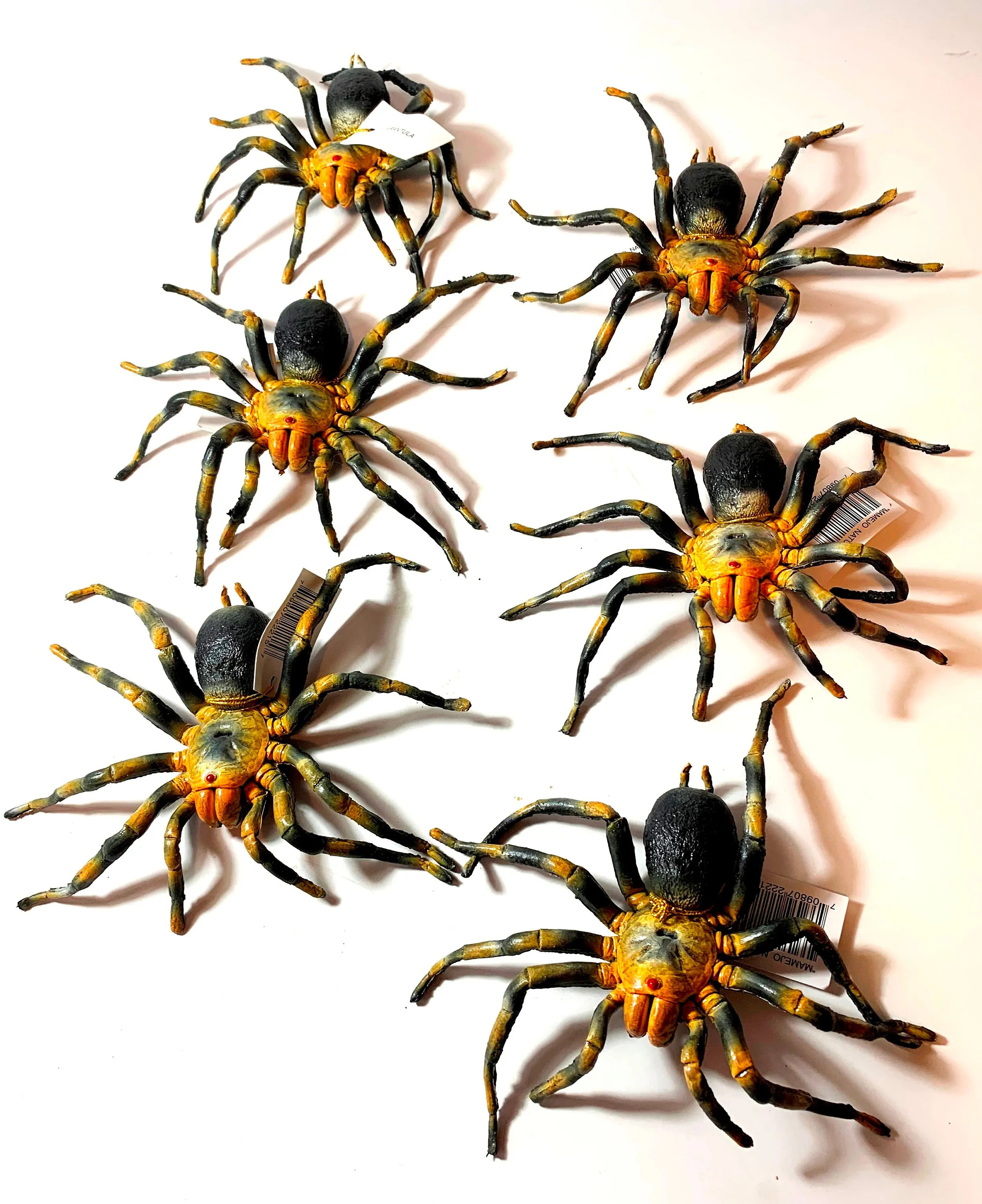
Tarantula Care
Embarking on the journey of tarantula ownership can be an incredibly rewarding experience. These fascinating creatures, with their unique appearance and intriguing behaviors, make captivating pets. However, successful tarantula care requires understanding their specific needs and providing the right environment. This guide focuses on providing essential tips for beginners, helping them create a thriving habitat and ensure the well-being of their new eight-legged companion. By following these guidelines, you’ll be well on your way to becoming a responsible and knowledgeable tarantula keeper. The following tips will cover everything from selecting the right tarantula species to understanding their behavior, all designed to set you up for success in the world of tarantula care.
Choosing Your Tarantula
The first step in tarantula care is selecting the right species for you. Not all tarantulas are created equal, and some are better suited for beginners than others. Consider your experience level, temperament preferences, and the commitment you can make to their care requirements. Researching different species will allow you to make an informed decision and choose a tarantula that aligns with your lifestyle and experience. Careful selection from the start will significantly impact your experience and your pet’s well-being. It is essential to understand that tarantulas vary greatly in size, temperament, and care needs. Certain species are known for being more docile, while others may be more defensive.
Consider Your Experience Level

If you are new to tarantula ownership, start with a beginner-friendly species. These tarantulas are typically more docile and have less demanding care requirements. Species like the Chilean Rose Hair (Grammostola rosea) or the Pinktoe Tarantula (Avicularia avicularia) are often recommended for beginners due to their relatively calm temperaments and manageable care needs. Avoid species known for being defensive or having potent venom, as these can be challenging to manage for inexperienced keepers. Start simple; gain knowledge, and gradually expand your knowledge before moving on to more advanced species.
Researching Different Tarantula Species
Once you’ve decided you want a tarantula, thoroughly research different species. Learn about their specific needs, including their preferred habitat, feeding habits, and temperament. Online resources, books, and experienced tarantula keepers can provide valuable insights. Look into the species’ growth rate, lifespan, and any specific health concerns they might have. Understanding the differences between species will allow you to provide the best possible care and avoid any unexpected challenges. Researching allows you to create a suitable environment and predict potential difficulties based on the tarantula species you have chosen. Knowledge reduces stress and enhances the bond you share with your pet.
Setting Up the Enclosure
Creating a suitable enclosure is paramount to your tarantula’s health and happiness. The enclosure should mimic their natural habitat as closely as possible, providing a comfortable and safe environment. This involves selecting the right tank size, choosing appropriate substrate and decor, and maintaining optimal temperature and humidity levels. A well-designed enclosure reduces stress, encourages natural behaviors, and allows you to observe your tarantula more easily. Correct setup is essential for preventing escapes, injuries, and illness. Make sure the setup is secure and provides opportunities for the tarantula to burrow, hide, and feel safe. It should also be easy to clean and maintain, which ensures a healthy environment for your pet.
Choosing the Right Tank Size

The size of the enclosure should be appropriate for the tarantula’s size and species. A general rule of thumb is that the enclosure should be at least twice the tarantula’s leg span in width. Avoid overcrowding the enclosure, as this can lead to stress and aggression. For terrestrial species, a wider tank is more important than height, while arboreal species need more vertical space for climbing. Consider the adult size of the tarantula when selecting an enclosure, and plan for its growth. A properly sized enclosure allows the tarantula to move around comfortably, hunt, and exhibit its natural behaviors. This is critical for their mental and physical well-being.
Substrate and Decor
The substrate is the bedding material that lines the bottom of the enclosure. It provides a surface for the tarantula to walk on, burrow in, and feel secure. Suitable substrates include coconut fiber, peat moss, and a mixture of both. Avoid using sand or gravel, as they can be difficult to clean and may pose a health risk if ingested. Decorate the enclosure with hides, such as cork bark or artificial plants, to provide the tarantula with hiding places and enrichment. The decor should mimic the tarantula’s natural habitat, creating a comfortable and stimulating environment. Decor improves the tarantula’s sense of security and allows it to express natural behaviors, which contributes to its overall well-being and reduces stress.
Temperature and Humidity
Maintaining the correct temperature and humidity levels is crucial for your tarantula’s health. Research the specific requirements for your chosen species, as different tarantulas have different needs. Generally, terrestrial species prefer a temperature between 75-80°F (24-27°C), while arboreal species may thrive in slightly warmer temperatures. Use a reliable thermometer to monitor the temperature in the enclosure. Humidity can be maintained by misting the enclosure with water, providing a water dish, and using appropriate substrate. Use a hygrometer to measure humidity levels. Stable environmental conditions help your tarantula molt successfully, eat properly, and remain active. Poor temperature or humidity can lead to health problems and potentially shorten the tarantula’s lifespan.
Feeding Your Tarantula

Feeding is another vital aspect of tarantula care. Tarantulas are carnivores, and their diet primarily consists of insects. Providing the right type and amount of food is critical for their growth and overall health. Consider the age and size of your tarantula when determining how often to feed it and which insects to offer. Avoid overfeeding, as this can lead to health problems. Proper feeding promotes healthy growth, energy levels, and a long lifespan for your tarantula. The food you provide is the essential element of your tarantula’s health. Always ensure the food source is clean and free of pesticides or parasites.
What to Feed Your Tarantula
The most common food items for tarantulas are insects, such as crickets, mealworms, roaches, and other readily available feeder insects. Choose insects that are appropriately sized for your tarantula. Avoid feeding wild-caught insects, as they may carry parasites or diseases. Pre-killed insects can also be offered. Provide a variety of insects to ensure your tarantula receives a balanced diet. Supplementing their diet with occasional treats, like small pieces of pre-killed pinkie mice (for larger species) or small lizards, is also acceptable, but should be offered sparingly. Be mindful of the size of the prey to ensure the tarantula can handle it and does not become stressed during the feeding process. Ensure the feeder insects are gut-loaded with nutritious food before feeding to your tarantula to provide them with essential nutrients.
Feeding Frequency
The feeding frequency depends on the tarantula’s age and size. Spiderlings should be fed more frequently, often 2-3 times a week, while adult tarantulas can be fed once a week or even less often. Observe your tarantula’s feeding habits and adjust the frequency accordingly. If the tarantula is not eating the offered food, it might be in premolt, so remove the food and try again later. Overfeeding can lead to obesity and other health problems, so monitoring food intake is important. Always remove uneaten food within 24 hours to prevent the growth of mold or bacteria. Consistent and appropriate feeding habits allow your tarantula to thrive and live a long and healthy life.
Providing Water

Clean water is essential for tarantulas, just as it is for humans and other animals. Provide a shallow water dish in the enclosure at all times. The water dish should be small enough to prevent the tarantula from drowning but large enough for it to drink from. Regularly clean and refill the water dish to ensure fresh water is always available. In addition to a water dish, misting the enclosure with water can help to maintain humidity, especially for species that require higher humidity levels. Dehydration can be deadly for tarantulas. Always ensure a constant source of clean, fresh water. Providing water will encourage hydration, which keeps your tarantula active and healthy.
Maintaining Your Tarantula’s Habitat
Maintaining your tarantula’s habitat is critical for keeping it healthy and happy. This includes regular cleaning, monitoring temperature and humidity, and providing the right environmental conditions. A clean and well-maintained enclosure helps prevent diseases and provides a comfortable environment. It is your responsibility to keep your tarantula’s environment healthy and to inspect and clean their habitat regularly. Regular maintenance will ensure your tarantula stays safe, healthy, and thriving. A healthy environment is the key to your tarantula’s well-being.
Cleaning the Enclosure
Spot-clean the enclosure regularly, removing any uneaten food, dead insects, and fecal matter. The frequency of cleaning depends on the size of the enclosure and the species of tarantula. Every few months, a more thorough cleaning may be necessary. Remove the tarantula from the enclosure (carefully), replace the substrate, and clean the enclosure thoroughly with warm water and mild soap (rinse well). Be careful not to use any harsh chemicals or cleaners. A clean enclosure reduces the risk of bacterial and fungal infections, promoting the health and safety of your tarantula. Regular cleaning is one of the most important aspects of responsible tarantula care.
Monitoring Humidity and Temperature

Regularly check the temperature and humidity levels in the enclosure using a thermometer and hygrometer. Adjust the conditions as needed to ensure they are within the appropriate range for your tarantula’s species. If the humidity is too low, mist the enclosure with water. If it’s too high, improve ventilation. Ensure that the temperature is maintained within a suitable range for the species. Maintaining optimal temperature and humidity prevents health problems and helps the tarantula thrive. Consistent monitoring and adjustments are essential for creating a comfortable and healthy environment.
Handling Your Tarantula
Handling your tarantula is a personal choice, and it’s not always necessary. Some tarantulas are docile and can be handled safely, while others are more defensive and should be observed from a distance. Always prioritize the safety of both you and your tarantula when considering handling. Before attempting to handle your tarantula, understand its behavior and learn how to recognize signs of stress or aggression. Handling requires patience, caution, and respect for the animal’s needs. Handling isn’t essential for your tarantula’s well-being, but it can strengthen your bond with your pet, and allows for observation. When you choose to handle your tarantula, prioritize safety for yourself and your pet.
Understanding Tarantula Behavior
Understanding tarantula behavior is essential for safe and responsible handling. Learn to recognize signs of stress or aggression, such as a defensive posture, raised front legs, or flicking hairs from the abdomen (in some species). If your tarantula displays these behaviors, it’s best to leave it alone. Every tarantula has its personality, which affects its behavior. Learning the specific signals of your pet is helpful when deciding whether to attempt handling. Avoid handling if the tarantula is in premolt or has recently molted. Understanding your tarantula’s behavior ensures your interactions are safe and respectful.
Safe Handling Techniques

If you choose to handle your tarantula, do so with extreme care. Handle them close to the ground or over a soft surface to minimize the risk of injury if they fall. Gently guide the tarantula onto your hand, avoiding any sudden movements. Avoid squeezing or grabbing the tarantula. Always wash your hands thoroughly before and after handling. Some tarantulas have urticating hairs, which can cause irritation if they come into contact with your skin. If you’re unsure about handling, it’s best to err on the side of caution and simply observe your tarantula in its enclosure. Safe handling is about minimizing risk and ensuring both your and your tarantula’s well-being.
Recognizing Signs of a Healthy Tarantula
Recognizing the signs of a healthy tarantula is crucial for providing the best possible care. A healthy tarantula should be active, alert, and exhibit normal feeding behavior. Their abdomen should be plump, not shrunken. Their fangs should be clean. You should have a good idea of your tarantula’s behavior, and a change in that behavior may be a sign that something is wrong. Regularly observing your tarantula and monitoring its overall health will help you identify any potential problems early on and take appropriate action. If you notice any concerning signs, it is best to consult with an expert.
Molting
Molting is a natural process for tarantulas, where they shed their exoskeleton to grow. During this process, the tarantula is very vulnerable. Recognizing the signs of an impending molt is important to provide them with the best possible environment. Leave your tarantula undisturbed during a molt to prevent stressing it. Creating a supportive environment during molting is vital for the tarantula’s well-being.
How to Identify a Molt
Tarantulas often show signs of an upcoming molt. They might become less active, stop eating, and their abdomen may appear darker. The abdomen may look bald, and they may spin a web mat. The tarantula might also spend more time on its back. Recognizing these signs will allow you to prepare for the molt and minimize disruptions. Watch out for these telltale indicators that your tarantula is preparing to undergo this important process.
What to Do During a Molt
During a molt, avoid disturbing your tarantula. Do not feed it, and do not attempt to handle it. Make sure the enclosure is secure, and provide adequate humidity. After the molt, the tarantula will be soft-bodied and vulnerable. Wait at least a week or two after molting before offering food. Observe the tarantula and provide the right conditions for it to recover successfully. Provide a stable and undisturbed environment until the new exoskeleton hardens. It’s also best to not disturb the tarantula while it molts.
Health Issues
While tarantulas are generally hardy creatures, they can sometimes develop health issues. Early detection and appropriate treatment are crucial for ensuring their well-being. Understanding common health problems and knowing when to seek veterinary help can help you provide the best possible care for your tarantula. It’s essential to be vigilant and observant to ensure that you can give your tarantula the help it needs to recover.
Common Health Problems
Some common health problems in tarantulas include parasites, fungal infections, and injuries from falls. Parasites can be caused by feeding insects from unknown sources. Fungal infections are often linked to poor ventilation and excessive humidity. Injuries can result from falls or handling. Regularly inspect your tarantula for signs of illness, such as lethargy, loss of appetite, or unusual behaviors. Maintain the correct temperature, humidity, and hygiene to help reduce the risk of these problems. Maintaining the right temperature, humidity, and hygiene is critical to preventing many common health issues.
When to Seek Veterinary Help
If you notice any signs of illness or injury in your tarantula, consult with a veterinarian experienced in exotic animals or a tarantula expert. Do not attempt to self-treat, as this can worsen the condition. Take photos of your tarantula and its enclosure, and be prepared to provide information about its care. Early veterinary intervention can improve the chances of a successful outcome. The sooner you seek professional help, the better the chances of your tarantula recovering and returning to good health. You want to make sure the tarantula is able to live a long and healthy life.
In conclusion, tarantula care is a rewarding experience for those who are prepared to provide the right environment and understand their needs. By following these beginner’s tips, you can create a thriving habitat and ensure the health and happiness of your tarantula. Remember to research the specific needs of your chosen species, provide a suitable enclosure, offer a balanced diet, and handle your tarantula with care. With patience, knowledge, and dedication, you’ll be well on your way to becoming a successful and responsible tarantula keeper. Enjoy your journey into the fascinating world of tarantulas!