
Setting Up Your Tarantula’s Habitat
Caring for a pet tarantula involves more than just providing food and water it means creating a suitable environment where your spider can thrive. The habitat you create is crucial for the tarantula’s health, happiness, and overall well-being. This requires careful consideration of several factors, including the enclosure, substrate, temperature, and humidity. By understanding these essential elements, you can ensure your tarantula lives a long, healthy, and fulfilling life. A well-designed habitat not only meets the spider’s physical needs but also allows you to observe its fascinating behavior and enjoy the unique experience of owning such an unusual pet. It is essential to know about tarantula habitat and make it appropriate.
Choosing the Right Enclosure
The enclosure serves as your tarantula’s home, and choosing the right one is the first step towards successful pet ownership. The size and type of enclosure will depend on the tarantula’s species and size. It should be large enough for the spider to move around comfortably but not so large that it feels overwhelmed or has difficulty finding food. Ventilation is also key; the enclosure must allow for proper airflow to prevent the buildup of harmful bacteria and maintain optimal humidity levels. The material of the enclosure is another critical consideration as it must be durable, easy to clean, and provide a safe environment for your pet. A well-chosen enclosure forms the foundation of a thriving habitat.
Enclosure Size and Material Considerations

When selecting an enclosure, consider the tarantula’s adult size. For terrestrial species, a tank that is twice as wide as the spider’s leg span and about the same length is usually sufficient. Arboreal species need taller enclosures to accommodate their climbing behavior. Glass or clear plastic enclosures are popular because they allow for easy viewing. The material should be non-toxic and easy to clean. Secure lids are essential to prevent escapes, and a latching mechanism is recommended to prevent accidental openings. Ensure the enclosure has appropriate ventilation, usually in the form of small holes or mesh, to allow for airflow while maintaining humidity.
Substrate Selection and Setup
The substrate is the bedding material that covers the bottom of the enclosure, and it plays a vital role in maintaining humidity, providing a surface for burrowing, and absorbing waste. The ideal substrate for your tarantula will depend on the species. For many terrestrial tarantulas, a mix of coconut fiber, peat moss, and a small amount of vermiculite works well. Arboreal species may benefit from a substrate that allows for climbing and anchoring such as a combination of coco fiber and sphagnum moss. The substrate should be deep enough for the tarantula to burrow if it’s a burrowing species. Regularly check the substrate for cleanliness and replace it as needed to maintain a healthy environment. The substrate’s quality significantly impacts the health and well-being of your tarantula.
Creating a Naturalistic Environment
Enhance your tarantula’s habitat by adding decorations to create a more naturalistic environment. Provide hiding places such as cork bark, artificial plants, or decorative rocks to give the tarantula a sense of security and encourage natural behaviors. The addition of these elements also helps to break up the visual space of the enclosure, making the tarantula feel more comfortable. Make sure any decorations you add are non-toxic and free from sharp edges. Avoid overcrowding the enclosure with decorations; balance is essential to allow the tarantula space to move around and hunt. A well-decorated habitat enhances the aesthetic appeal of your pet and also provides essential enrichment for your tarantula.
Temperature and Humidity Control
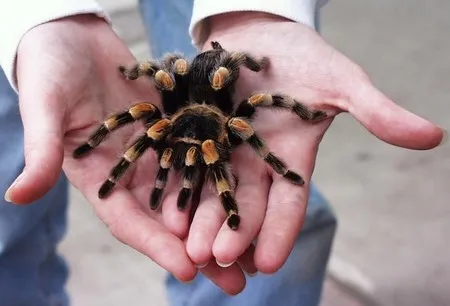
Maintaining the correct temperature and humidity levels is critical for the health and well-being of your tarantula. These environmental factors affect the spider’s metabolism, molting process, and overall comfort. The specific requirements will vary depending on the species, but generally, tarantulas thrive in temperatures between 75°F and 85°F (24°C to 29°C). Humidity levels also need to be carefully monitored and maintained, as too little or too much can lead to health issues. Use a reliable thermometer and hygrometer to monitor these conditions. Knowing and controlling the temperature and humidity levels for your tarantula is critical for its health.
Heating Methods and Temperature Requirements
Provide heat using a heat mat placed on the side or back of the enclosure. Never place a heat mat directly under the enclosure, as this can cause overheating and harm to the tarantula. Ceramic heat emitters can also be used, especially for larger enclosures, but these should be used with a thermostat to prevent overheating. The ideal temperature range is between 75°F and 85°F (24°C to 29°C) for most species. Always monitor the temperature with a thermometer, and adjust the heating source as necessary. Avoid direct sunlight, as this can overheat the enclosure. Proper temperature control is fundamental to keeping your tarantula healthy.
Maintaining Optimal Humidity Levels
Humidity levels are best maintained by misting the enclosure with a spray bottle, especially for species that require higher humidity. The frequency of misting depends on the species and the humidity level in your environment. Regularly check the substrate to ensure it is slightly moist, not wet, as excessive moisture can lead to mold and health issues. Good ventilation is also essential to prevent the buildup of excess moisture. A hygrometer will help you monitor humidity levels. Aim for humidity levels between 60% and 80% for most species. Correct humidity control is another key to keeping your tarantula happy and healthy.
Feeding Your Tarantula

Feeding your tarantula is a critical aspect of its care. Providing the right food and feeding it appropriately ensures that your spider remains healthy and active. The diet should be varied and nutritious, and the feeding schedule should be adjusted based on the tarantula’s age, species, and activity level. Overfeeding can lead to health problems, while underfeeding can result in stunted growth and other complications. Correct feeding habits are a fundamental part of owning a tarantula.
Appropriate Food Choices
The primary food source for most pet tarantulas is insects. Crickets, mealworms, and dubia roaches are popular choices and can be readily purchased from pet stores or online suppliers. The size of the food should be appropriate for the size of the tarantula; the insect should generally be no larger than the tarantula’s body. It is important to feed your tarantula insects that are gut-loaded, meaning the insects have been fed nutritious food to maximize their nutritional value. Avoid feeding wild-caught insects, as they may carry parasites or pesticides that can harm your pet. A varied diet with supplements will help keep your spider healthy.
Feeding Frequency and Portion Sizes
The frequency of feeding depends on the age and species of the tarantula. Young tarantulas (spiderlings) may need to be fed more frequently, perhaps every other day, while adult tarantulas can be fed once or twice a week. The size of the portion also varies depending on the tarantula’s size. For adult tarantulas, offering one to two appropriately sized insects is usually sufficient. Always remove any uneaten food within 24 hours to prevent mold and maintain a clean environment. Observe your tarantula’s feeding habits. A loss of appetite can indicate that your tarantula is about to molt or is experiencing health issues. The right feeding schedule helps ensure your tarantula’s well-being.
Watering Your Tarantula

Providing fresh water is essential for your tarantula’s hydration and overall health. Tarantulas need access to clean water to survive, and it is critical to provide it in the right way. Dehydration can lead to serious health problems, and proper hydration will keep your spider thriving. Whether your tarantula gets its water from a water dish or from misting, it is a significant part of its care.
Providing Fresh Water
The most common way to provide water is to use a shallow water dish, which should be easily accessible. The water dish should be cleaned regularly to prevent the buildup of bacteria and mold. For smaller tarantulas, a bottle cap can be used as a water source. Alternatively, you can mist the enclosure with a spray bottle to provide water droplets for the tarantula to drink from. Ensure you are using dechlorinated water, as chlorine can be harmful. Regardless of the method, always ensure fresh, clean water is available at all times. The accessibility of water is an important part of daily tarantula care.
Recognizing and Addressing Dehydration
Signs of dehydration include a shrunken abdomen, lethargy, and a loss of appetite. If you notice these signs, ensure there is fresh water available, and increase the humidity in the enclosure. You can mist the enclosure more frequently, or you can try gently dripping water onto the tarantula’s mouth. In severe cases of dehydration, consult with a veterinarian experienced in exotic animals. Early detection and treatment are critical to preventing serious health complications. Always watch for signs of dehydration so you can take the right measures.
Handling and Interaction
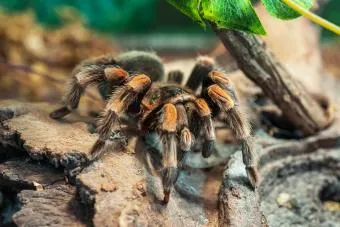
Handling tarantulas should be approached with caution. While many tarantulas are relatively docile, they can bite if they feel threatened, and some species have urticating hairs that can cause skin irritation. Understanding tarantula behavior and practicing safe handling techniques are key to ensuring both your safety and the well-being of your pet. Interaction with your tarantula should be limited to essential care tasks, such as feeding and cleaning its enclosure. Knowing the best way to handle and interact with your tarantula is essential.
Safe Handling Practices
If you choose to handle your tarantula, do so with extreme caution. Wash your hands before handling your pet. Avoid sudden movements and loud noises, as these can startle the tarantula. Allow the tarantula to walk onto your hand rather than trying to pick it up. Always handle the tarantula over a soft surface, such as a bed or a carpet, in case it falls. Be aware of the tarantula’s behavior, and if it shows signs of stress, such as raising its front legs or flicking its hairs, gently place it back in its enclosure. Never handle a tarantula that is about to molt, as it is especially vulnerable during this time. Handling should be done carefully and with consideration for the tarantula’s state.
Understanding Tarantula Behavior
Tarantulas exhibit a range of behaviors that provide insight into their well-being and needs. Recognizing these behaviors helps you understand how to best care for your pet. Some tarantulas are more docile than others. Certain species may be prone to defensive behaviors. Learning these behaviors is key to building a positive relationship with your spider. Pay attention to the tarantula’s posture, movement, and any other signs of stress. Understanding their behavior will assist you in taking better care of them.
Avoiding Stress and Promoting Well-being

Minimize stress by providing a secure, stable environment. Avoid unnecessary handling and loud noises. Ensure the tarantula has access to a hiding place and adequate food and water. Maintaining the right temperature and humidity levels is also crucial for reducing stress. Regularly observe your tarantula, looking for signs of stress, such as hiding excessively, refusing food, or flicking its hairs. If you notice these signs, reassess your care practices and make any necessary adjustments. A stress-free environment will help your tarantula to thrive. Providing the right care will ensure your tarantula thrives.
Common Health Issues and Preventative Care
Like any pet, tarantulas can be susceptible to various health issues. Understanding these common ailments and implementing preventative care measures can help keep your tarantula healthy and happy. Prevention is always better than cure, and through diligent observation and proactive care, you can minimize the risk of illness. If you are aware of possible health problems, you can take steps to prevent them. Early recognition and prompt action are also key to a successful outcome.
Identifying Signs of Illness
Several signs can indicate that your tarantula is unwell. These include a loss of appetite, lethargy, unusual posture, tremors, or difficulty moving. Other signs include a swollen abdomen, discharge from the mouth, or difficulty molting. Any changes in behavior or appearance should be carefully observed. If you notice any of these signs, consult with a veterinarian experienced in exotic animals. The quicker you can identify and treat any problems, the better the outcome. Understanding the signs of illness will help you keep your tarantula in good health.
Preventative Measures for a Healthy Tarantula
Several preventative measures can keep your tarantula healthy. Always provide a clean, well-maintained habitat with the correct temperature and humidity levels. Feed your tarantula a nutritious diet of appropriate-sized insects. Regularly check the substrate and remove any waste. Avoid handling your tarantula excessively, and never handle it if it appears to be stressed or about to molt. Quarantine any new tarantulas before introducing them to your existing collection. By following these preventive steps, you can help ensure your pet enjoys a long and healthy life. Taking proactive steps can significantly reduce the risk of health problems.
When to Seek Veterinary Assistance
It is important to know when to seek professional veterinary help. If your tarantula exhibits any of the signs of illness described earlier, it is best to consult with a veterinarian who is experienced in exotic animals. Do not attempt to self-treat your tarantula, as this could worsen the situation. Be prepared to provide detailed information about your tarantula’s habitat, diet, and any changes you have noticed in its behavior. Early veterinary intervention can make a significant difference in the outcome. A veterinarian will be able to accurately diagnose the problem and recommend the appropriate course of treatment. When in doubt, consult a professional.